Kangra Tea Gardens & Palampur Tea Tourism Guide (2026)
Kangra tea is one of India's oldest and rarest teas, grown in the foothills of the Dhauladhar since the 1850s. Visit the tea estates near Palampur, watch the plucking and processing, taste the green and black varieties, and buy the real thing. Here is how.
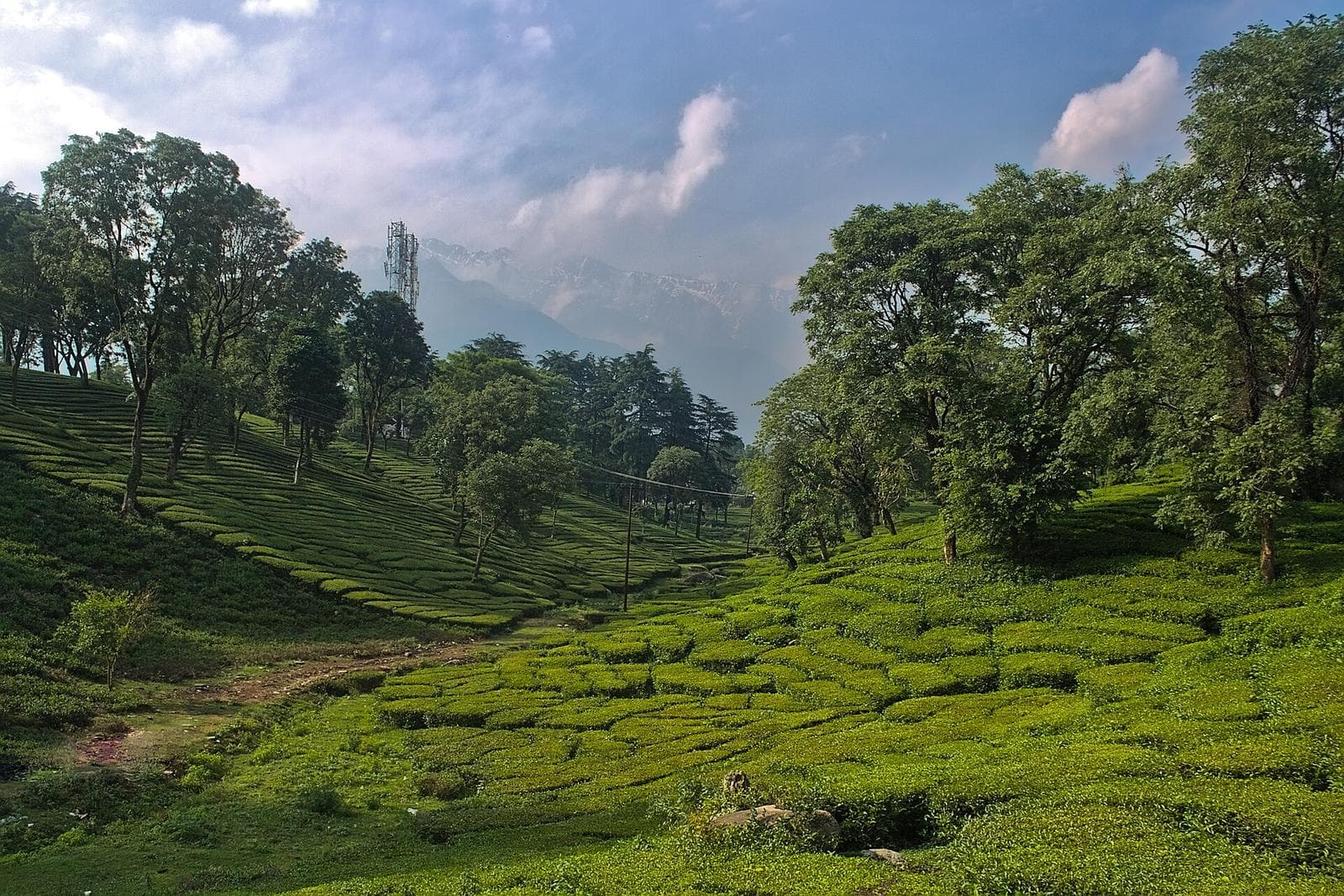
Most visitors to Dharamshala do not realise that just 35 km south, around the town of Palampur, lies one of India's oldest tea-growing regions. Kangra tea has been cultivated here since the 1850s, long before Darjeeling became famous. The high altitude (900 to 1,400 m), the Dhauladhar microclimate and the mineral-rich soil produce a distinctive light-bodied green tea that earned a Geographical Indication (GI) tag — meaning only tea grown in the Kangra Valley can legally be called Kangra tea.
Tea tourism in Kangra is still uncommon, which means you get an authentic experience without crowds. You can walk through working plantations, watch leaves being plucked and processed, taste fresh-made tea, and buy directly from the source. This guide covers the best tea gardens to visit, what you will see, when to go, and how to combine it with a Dharamshala trip.
For a broader Palampur overview, see our Palampur travel guide. To plan a multi-day valley trip, read the 5-day Kangra Valley itinerary.
A Brief History of Kangra Tea
Tea cultivation in the Kangra Valley began around 1849 when Dr. Jameson, the superintendent of the Botanical Gardens in Saharanpur, introduced Chinese tea seeds to the region. The climate proved ideal and by the 1880s Kangra was producing thousands of tonnes of tea, much of it exported to Europe and Central Asia. Kangra green tea won awards at international exhibitions.
Then the devastating 1905 Kangra earthquake destroyed many processing factories and disrupted the industry. It never fully recovered to its pre-earthquake scale. Today, Kangra tea is a niche, small-production tea — which is exactly what makes it special.
The GI tag (obtained in 2005) protects the name and guarantees authenticity. Kangra tea is known for its:
- Light, floral flavour — especially the green tea, which is milder than Chinese or Japanese greens
- Low caffeine compared to Assam or Darjeeling
- Terroir — the Dhauladhar foothills, 900 to 1,400 m altitude, and loamy soil
Best Tea Gardens to Visit
Wah Tea Estate
The largest and most accessible. Located between Palampur and Baijnath, about 40 km from Dharamshala. They offer guided walks through the plantation and their small factory. You can see the full process: plucking, withering, rolling, drying. A small shop on-site sells their green, black and white tea varieties.
Dharmsala Tea (Dharamshala Tea Company)
A smaller estate closer to Dharamshala, producing artisanal batches. They sometimes offer tea tasting sessions. Call ahead for availability.
Mann Tea Estate
Near Palampur, family-run for generations. A more intimate visit — the owners are knowledgeable and happy to explain the craft. Best to visit during plucking season.
Palampur Cooperative Tea Factory
The government-run cooperative factory in Palampur processes tea from many small growers. You can see the larger-scale production process here. Their shop sells affordable Kangra tea.
Practical tip: None of these are large tourist operations with online bookings. The best approach is to show up during working hours (9 am to 5 pm), or ask at your hotel in Palampur or Dharamshala to arrange a visit. During plucking season, the gardens are actively working and there is more to see.
What You Will See on a Tea Estate Visit
The tea production process from leaf to cup:
| Stage | What happens | What you see |
|---|---|---|
| Plucking | Workers pick the top two leaves and a bud by hand | Rows of tea bushes on hillsides, workers with baskets |
| Withering | Fresh leaves are spread on trays and allowed to lose moisture | Long trays of leaves in shaded rooms |
| Rolling | Leaves are rolled to break cell walls and release flavour | Rolling machines or hand-rolling |
| Oxidation | For black tea, rolled leaves are left to oxidise; green tea skips this | Dark rooms with trays of leaves turning brown (black tea only) |
| Drying / Firing | Leaves are heated to stop oxidation and remove remaining moisture | Drying machines or traditional pans |
| Sorting and packing | Dried tea is graded by leaf size and packed | Sorting tables, tea chests |
Green tea processing skips the oxidation stage, which is why it retains its lighter colour and more delicate flavour. Kangra is particularly known for its green tea, though they produce excellent black and white teas too.
Best Time for Tea Tourism
| Period | What is happening | Visit quality |
|---|---|---|
| March–May (first flush) | First plucking of the year, most prized leaves | Best — gardens active, fresh tea available, pleasant weather |
| June–July | Monsoon starts, second round of growth | Active but rainy; roads can be muddy |
| September–October (second flush) | Post-monsoon plucking, stronger flavour | Very good — gardens active, clear skies |
| November–February | Dormant season, no plucking | Quiet; you can see the gardens and buy tea, but no active processing |
For the best experience, time your visit for late March through May or September through October. The first flush (spring) tea is considered the finest.
Tea Tasting
Several estates and shops in Palampur offer tea tasting. You will typically try:
- Kangra green tea — The signature product. Light, floral, slightly sweet. Unlike Chinese greens, it is very mild and not grassy.
- Kangra black tea — Lighter than Assam, with a muscatel note similar to (but distinct from) Darjeeling second flush.
- Kangra white tea — Rare and delicate, produced in small quantities. Made from just the buds.
Buying Authentic Kangra Tea
Kangra tea is sometimes counterfeited — cheaper teas from other regions sold under the Kangra name, especially in tourist shops in McLeod Ganj. To get the real thing:
- Buy directly from tea estates — Wah, Mann and other estates have on-site shops.
- Buy from the Palampur Cooperative factory shop — Authentic and reasonably priced.
- Look for the GI certification on the packaging.
- Expect to pay approximately ₹400 to ₹800 per 100 g for good Kangra green tea, and ₹600 to ₹1,500 for white tea. If it is suspiciously cheap, it is probably not genuine Kangra tea.
- Avoid generic "Kangra tea" packets in McLeod Ganj souvenir shops unless you can verify the source.
Getting to Palampur from Dharamshala
Palampur is about 35 km south of Dharamshala, roughly 1 to 1.5 hours by road.
| Option | Time | Cost (approx.) |
|---|---|---|
| Local bus from Dharamshala bus stand | 1.5–2 hrs | ₹40–60 |
| Taxi | 1–1.5 hrs | ₹1,200–1,800 one way |
| Shared auto/taxi to Palampur | 1.5 hrs | ₹100–150 per person |
| Kangra Toy Train (Kangra to Palampur) | 2–3 hrs | ₹30–80 (a scenic experience in itself) |
The Kangra Toy Train from Kangra town (or Nagrota Surian) to Palampur is a charming way to do this journey if you have time. It passes through tea gardens on the way.
See our local transport guide for full details.
Combine With Your Dharamshala Trip
A tea gardens visit works perfectly as a half-day or full-day excursion from Dharamshala. Here are two ways to do it:
Half-day option (4 to 5 hours): Drive to Palampur, visit one tea estate (1 to 2 hours including tasting), have lunch in Palampur town, drive back.
Full-day option (7 to 8 hours): Drive to Palampur via Norbulingka Institute in Sidhbari (stop for 1 hour). Visit a tea estate. Continue to Baijnath Temple (16 km from Palampur, an ancient Shiva temple from the 9th century). Optionally stop at Andretta pottery village on the way back. This is essentially the route in our 5-day Kangra Valley itinerary, compressed into a day.
Nearby attractions to combine:
| Place | Distance from Palampur | What to see |
|---|---|---|
| Baijnath Temple | 16 km | 9th-century Shiva temple, one of the oldest in Himachal |
| Tashi Jong Monastery | 12 km | Active Tibetan monastery with a printing press and nuns' community |
| Andretta | 13 km | Artists' village known for pottery; Norah Richards' house |
| Bir Billing | 30 km | Paragliding, monasteries, cafes. Bir travel guide |
Practical Tips
- Wear comfortable walking shoes — tea gardens are on hillsides and paths can be uneven.
- Carry cash — estate shops and small tea outlets may not accept cards or UPI.
- Mornings are best — plucking usually happens in the morning hours, so arrive before noon to see the most activity during season.
- Photography is generally allowed in the gardens but ask before photographing workers.
- Bring a bag for your tea purchases — the estate packaging is basic and may not survive a backpack.
Frequently Asked Questions
Can you visit tea gardens near Dharamshala?
When is the best time to visit Kangra tea gardens?
Where can I buy authentic Kangra tea?
How do I get to Palampur tea gardens from Dharamshala?
More answers on our Dharamshala travel Q&A page.
Where to stay: see our picks of the best hotels in Dharamshala and the best hotels in McLeod Ganj, or compare all hotels and homestays with direct rates.
Need Help Planning Your Dharamshala Trip?
Our local team can help with hotels, treks, taxis, and custom itineraries.
Related Guides
Palampur Travel Guide (2026): Tea Gardens, Day Trips and Where to Stay
Palampur is the quiet tea town of the Kangra Valley, about 35 to 40 km from Dharamshala. Here is how to see the tea gardens and factory, Neugal Khad, Bundla, Andretta and Baijnath, plus a Bir day trip.
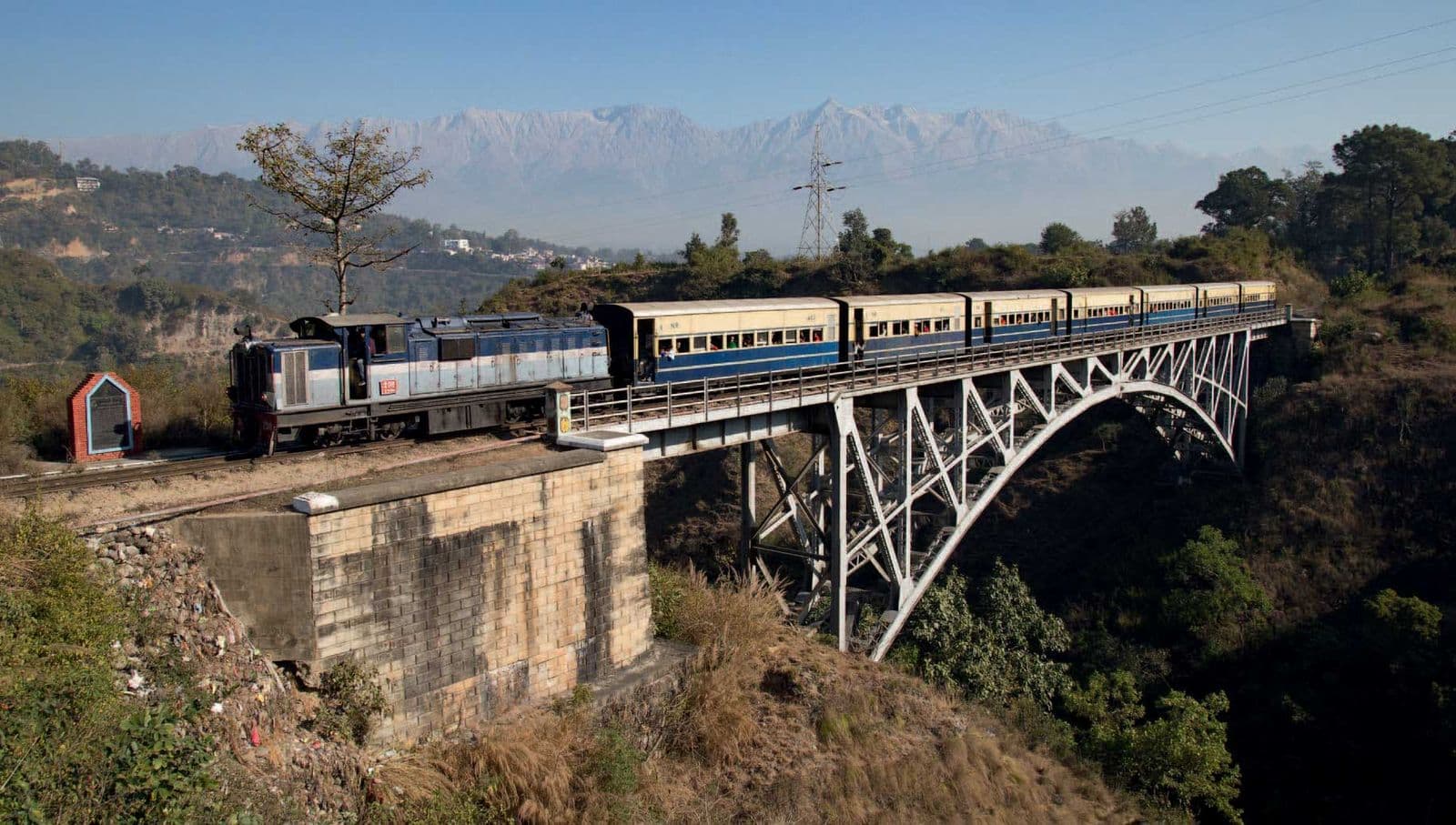
Kangra Toy Train Guide: Route, Current Status, Tickets & Tips (2026)
The Kangra Valley Railway from Pathankot to Joginder Nagar reopened in June 2026 after four years, then paused again for monsoon repairs. Here is the current status, the best sections to ride and how to plan.
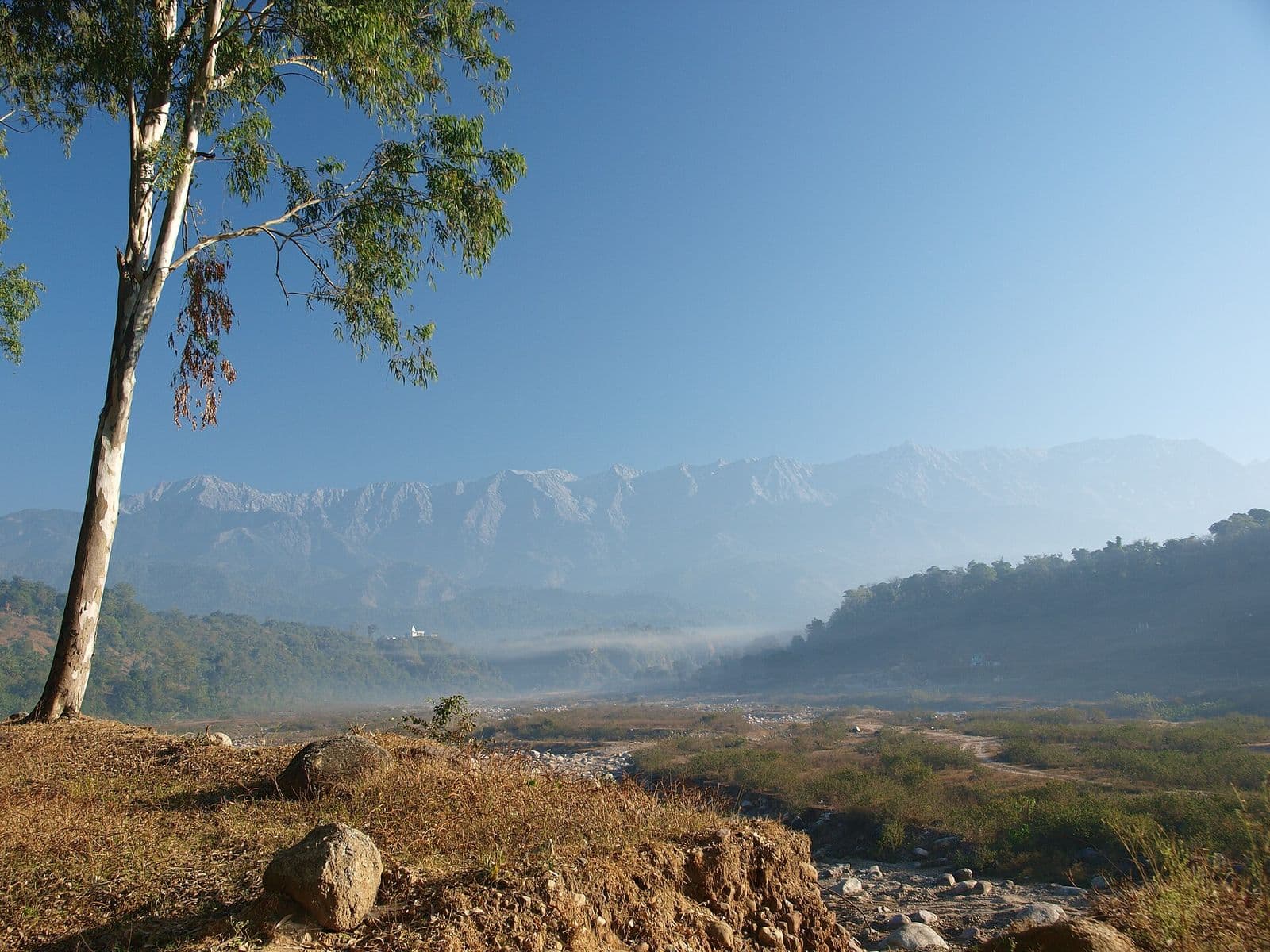
5-Day Kangra Valley Itinerary: McLeod Ganj, Triund, Kangra, Palampur and Bir (2026)
A practical five-day Kangra Valley itinerary covering McLeod Ganj, the Triund trek, Norbulingka, Kangra Fort and Masroor, Palampur and Baijnath, and Bir Billing, with driving times, where to base yourself and winter and monsoon variants.
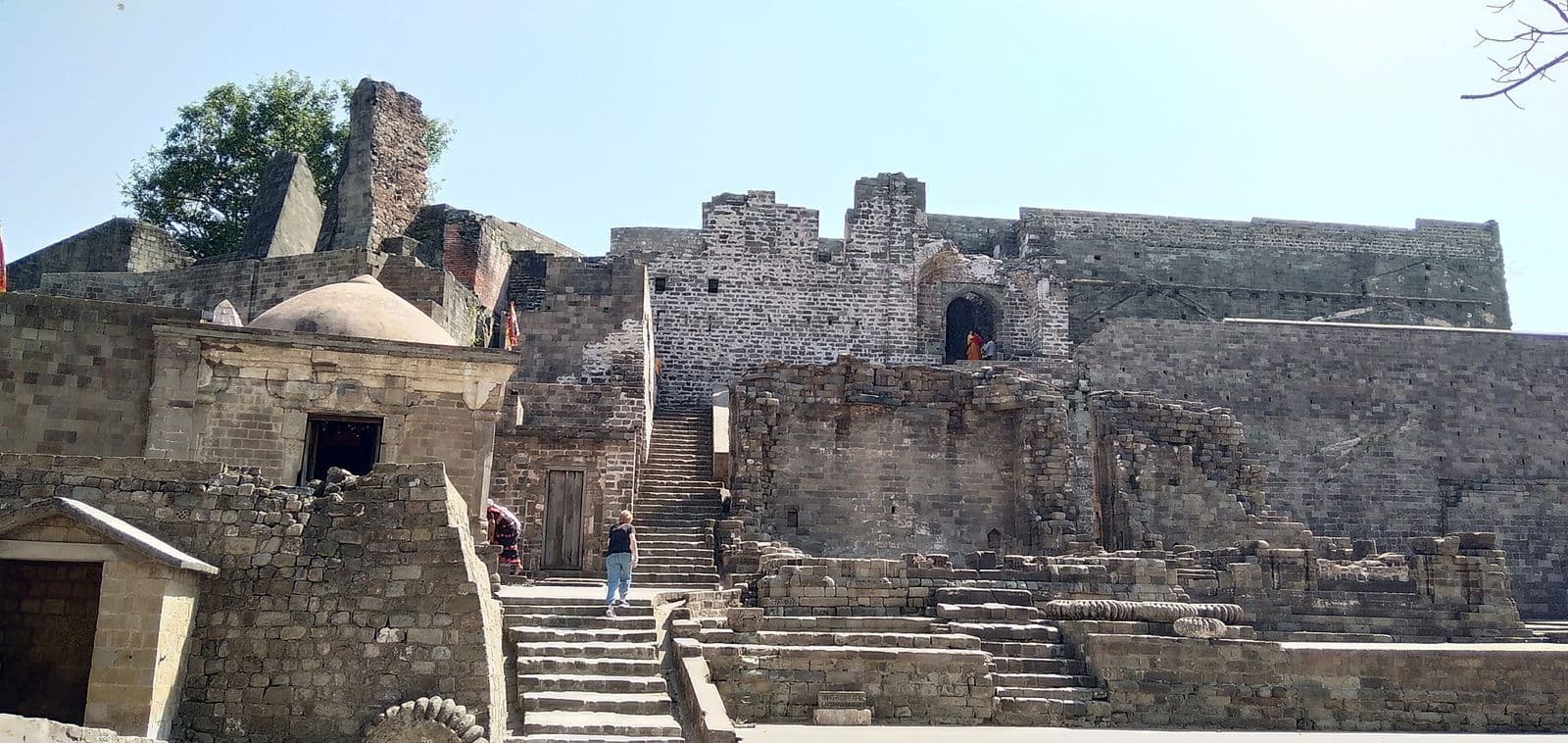
Places to Visit in Kangra (2026): Fort, Temples, Masroor and a 1-Day Loop
Kangra Fort, Brajeshwari Devi, the Masroor rock-cut temples, Chamunda, Jwalamukhi, Baijnath and Pong Dam, with distances from Dharamshala, timings, entry fees and a practical one-day Kangra loop.