Kangra Toy Train Guide: Route, Current Status, Tickets & Tips (2026)
The Kangra Valley Railway from Pathankot to Joginder Nagar reopened in June 2026 after four years, then paused again for monsoon repairs. Here is the current status, the best sections to ride and how to plan.
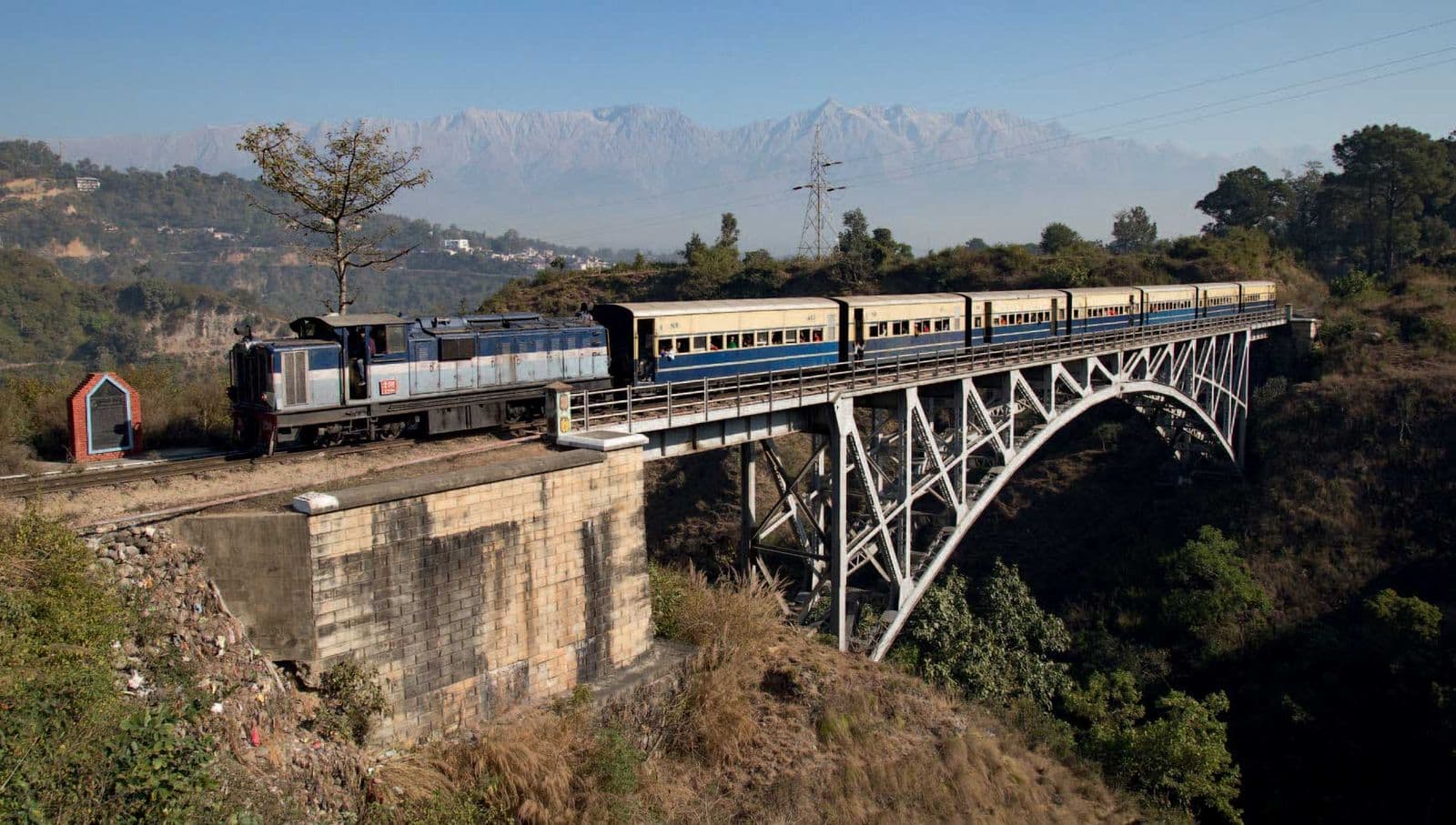
The Kangra toy train (Kangra Valley Railway) is a narrow-gauge line running about 164 km from Pathankot in Punjab to Joginder Nagar in Himachal, through Nurpur, Jawalamukhi Road, Kangra, Nagrota, Palampur and Baijnath. Through services resumed on 2 June 2026 after nearly four years, once the new Chakki river bridge near Pathankot opened. However, heavy rain in late August 2026 caused landslides between Jawalamukhi and Kopar Lahar and services were suspended again, with Northern Railway aiming to restore them around the end of September.
So, as of early October 2026: check the live status before you plan your day around the train. The rest of this guide explains how to do that, which section is the most rewarding to ride, how tickets work and how it fits into a Dharamshala trip.
Current Status in 2026: What Happened
The line has had a turbulent few years. Here is the timeline from news reports:
| When | What happened |
|---|---|
| August 2022 | Flash floods damaged the Chakki river bridge near Pathankot; through trains stopped |
| 2023–2025 | Partial services ran on parts of the line between suspensions; monsoon landslides near Kopar Lahar repeatedly halted trains |
| December 2025 | Trains partly restored on the Kangra–Baijnath section |
| 2 June 2026 | New Chakki bridge in use; Pathankot–Baijnath/Joginder Nagar services resumed |
| Late August 2026 | Heavy rain and landslides; all services suspended |
| September 2026 | Railways said repairs between Jawalamukhi and Kopar Lahar should allow restoration around the end of September |
We will update this post as services settle, but timetables on this line genuinely change week to week in and after monsoon. Treat any timing you read online, including here, as a guide only.
How to check the live status
- Look up trains between your two stations on the official NTES (National Train Enquiry System) website or app, or on the Indian Railways enquiry number 139.
- Search for the station codes, for example KGRA (Kangra) and BJPL (Baijnath Paprola), to see which trains are running today.
- Ask at the station the day before. Kangra and Palampur station staff are usually the most reliable source.
- Ask your hotel or our team via the contact page; we check before sending guests.
Why Ride the Kangra Valley Railway?
Built between 1926 and 1929 to serve a hydroelectric project at Joginder Nagar, the line is a quiet engineering marvel: about 2 ft 6 in (762 mm) gauge, tunnels, viaducts and gorge crossings, with the Dhauladhar range on one side for long stretches. It is on India's tentative list for UNESCO World Heritage status as a proposed extension of the Mountain Railways of India, alongside the Darjeeling, Nilgiri and Kalka–Shimla lines.
Unlike the Kalka–Shimla train, this is not a tourist service. It is a slow, cheap local train used by villagers, students and workers, which is exactly its charm. Speeds average around 25 km/h; the full run historically took about 9 to 10 hours.
What the Train Is Like
Expect a short rake of small, basic coaches pulled by a diesel locomotive. Seats are simple benches, windows open fully (great for photos, cold in winter), and there is no pantry car or air-conditioning. Toilets, where present, are basic, so use facilities at the station before boarding.
The pace is part of the experience. The train stops at small halts every few kilometres, villagers get on with sacks of vegetables, schoolchildren hop off at village stations, and tea sellers appear at the bigger platforms. Between stations you pass paddy and wheat fields, tea gardens near Palampur, river beds and stretches of pine forest, with the Dhauladhar snowline appearing and disappearing as the line curves. If you want a polished tourist train with commentary, this is not it; if you want a slow, genuine slice of valley life for the price of a cup of coffee, it is hard to beat.
Families with small children should pick a short section of 1 to 2 hours. Wheelchair users will find boarding difficult, as platforms are low and coach doors are narrow.
The Best Sections to Ride
You do not need to ride the whole line. For visitors based in Dharamshala, these sections are the most worthwhile:
Kangra to Palampur (best short ride)
Board at Kangra or Kangra Mandir station (close to Brajeshwari Devi temple) and ride to Palampur, roughly 1.5 to 2.5 hours. You cross rivers and side valleys with views of the Dhauladhar snowline in clear weather. Have lunch in Palampur, walk in the tea gardens and take a taxi back to Dharamshala (about 35 to 40 km). Our Palampur travel guide covers what to see.
Palampur to Baijnath
A shorter hop through tea estates and terraced fields to Baijnath Mandir station, a short walk or ride from the 13th-century Baijnath Shiva temple. Combine with Bir Billing, about 15 km from Baijnath.
Baijnath to Joginder Nagar (the climb)
The most dramatic stretch. Beyond Baijnath Paprola the line climbs to its highest point near Ahju (around 1,290 m) and then drops to Joginder Nagar. Trains on this section have been the most frequently cancelled after rain, so check carefully.
Pathankot to Kangra
Long, and the first part runs through the plains. Useful if you arrive at Pathankot by broad-gauge train and have a full day, but most travellers find a taxi from Pathankot to Dharamshala more practical.
Timings: How to Approach Them
When the full line runs, a handful of trains each way connect Pathankot, Kangra, Baijnath Paprola and Joginder Nagar, with early-morning departures from Pathankot and afternoon returns. After the June 2026 reopening, reports described two pairs of trains between Pathankot and Baijnath plus shorter Baijnath–Joginder Nagar services.
Practical rules that hold true regardless of the exact timetable:
- Plan a one-way ride and return by road. Frequencies are low and delays are common, so do not depend on a return train.
- Morning trains are better for views and for having the afternoon free.
- Expect delays of 30 to 60 minutes, more after rain.
- Never plan a tight connection to a flight at Kangra airport or an overnight bus.
Tickets and Fares
- Tickets are unreserved second class on most trains. Buy at the station counter shortly before departure, or use the Indian Railways UTS app where it works.
- Fares are very low: news reports put the Pathankot–Baijnath fare at around ₹40 in 2026, and shorter hops cost even less.
- There is no seat reservation on most services, so board early at the starting station if you want a window seat. On weekends and during festivals coaches fill up.
- Some trains have historically carried a first-class or special coach; availability varies, so ask at the counter.
Tips for a Good Ride
- Sit on the right side heading east (towards Baijnath) for the best Dhauladhar views.
- Carry water and snacks. Small stations have tea stalls, but not reliably.
- Bring cash in small notes for tickets and tea.
- Mind your belongings and your head. Doors stay open; do not lean out on bridges or in tunnels.
- Go in October to March for the clearest mountain views; avoid monsoon months when cancellations are frequent. See our best time to visit guide.
- Photographers: the bridge and gorge crossings near Kangra and the curves before Palampur are the classic spots.
A Sample Toy Train Day from Dharamshala
- 8:00 am: Taxi from Dharamshala to Kangra (about 18 to 20 km, 40 minutes). Quick darshan at Brajeshwari Devi temple if you wish; see our Kangra Devi temples guide.
- Board the morning train from Kangra Mandir or Kangra towards Palampur or Baijnath.
- Lunch in Palampur; walk in the tea gardens.
- Optional: continue to Baijnath for the temple, or to Bir for sunset.
- Return to Dharamshala by taxi. Book a one-way or day taxi with us so the driver meets you at the end station.
Getting to the Stations
- Kangra station is about 18 to 20 km from Dharamshala; Kangra Mandir station is closer to the town and temple.
- Nagrota and Palampur stations are on the Dharamshala–Palampur road side of the valley.
- Kangra (Gaggal) airport is near the Kangra end of the valley, but it is not linked to the line.
Where to Stay
Base yourself in Dharamshala or McLeod Ganj and treat the train as a day trip, or spend a night in Palampur to ride the eastern section at leisure. Browse our hotels, and see places to visit in Kangra for the fort, Masroor temples and more along the same route. For general booking questions, visit our FAQ.
Frequently Asked Questions
Is the Kangra toy train running now?
What is the best section of the Kangra Valley Railway for tourists?
How do I book Kangra toy train tickets?
Is the Kangra Valley Railway a UNESCO World Heritage Site?
More answers on our Dharamshala travel Q&A page.
Need Help Planning Your Dharamshala Trip?
Our local team can help with hotels, treks, taxis, and custom itineraries.
Related Guides
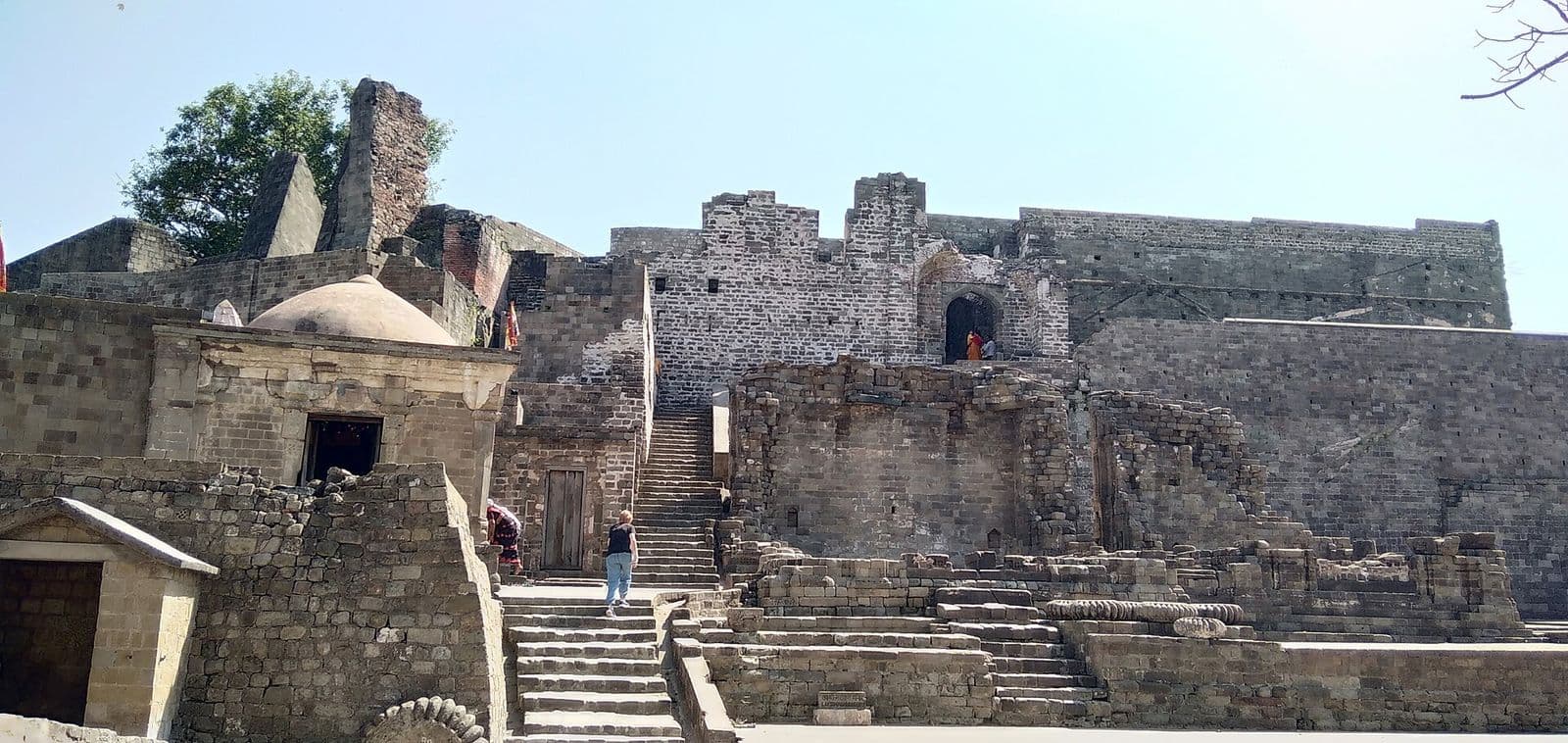
Places to Visit in Kangra (2026): Fort, Temples, Masroor and a 1-Day Loop
Kangra Fort, Brajeshwari Devi, the Masroor rock-cut temples, Chamunda, Jwalamukhi, Baijnath and Pong Dam, with distances from Dharamshala, timings, entry fees and a practical one-day Kangra loop.
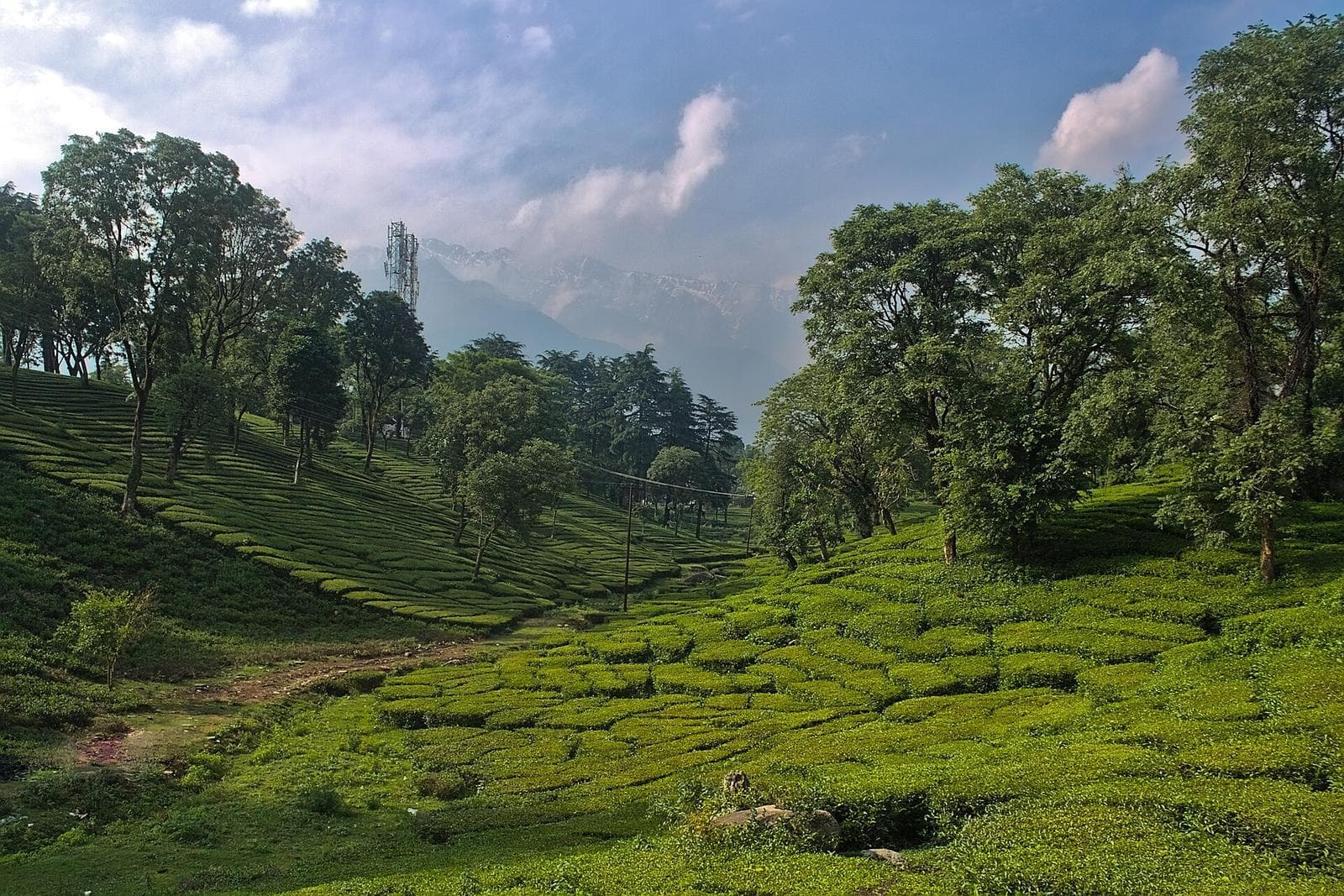
Palampur Travel Guide (2026): Tea Gardens, Day Trips and Where to Stay
Palampur is the quiet tea town of the Kangra Valley, about 35 to 40 km from Dharamshala. Here is how to see the tea gardens and factory, Neugal Khad, Bundla, Andretta and Baijnath, plus a Bir day trip.
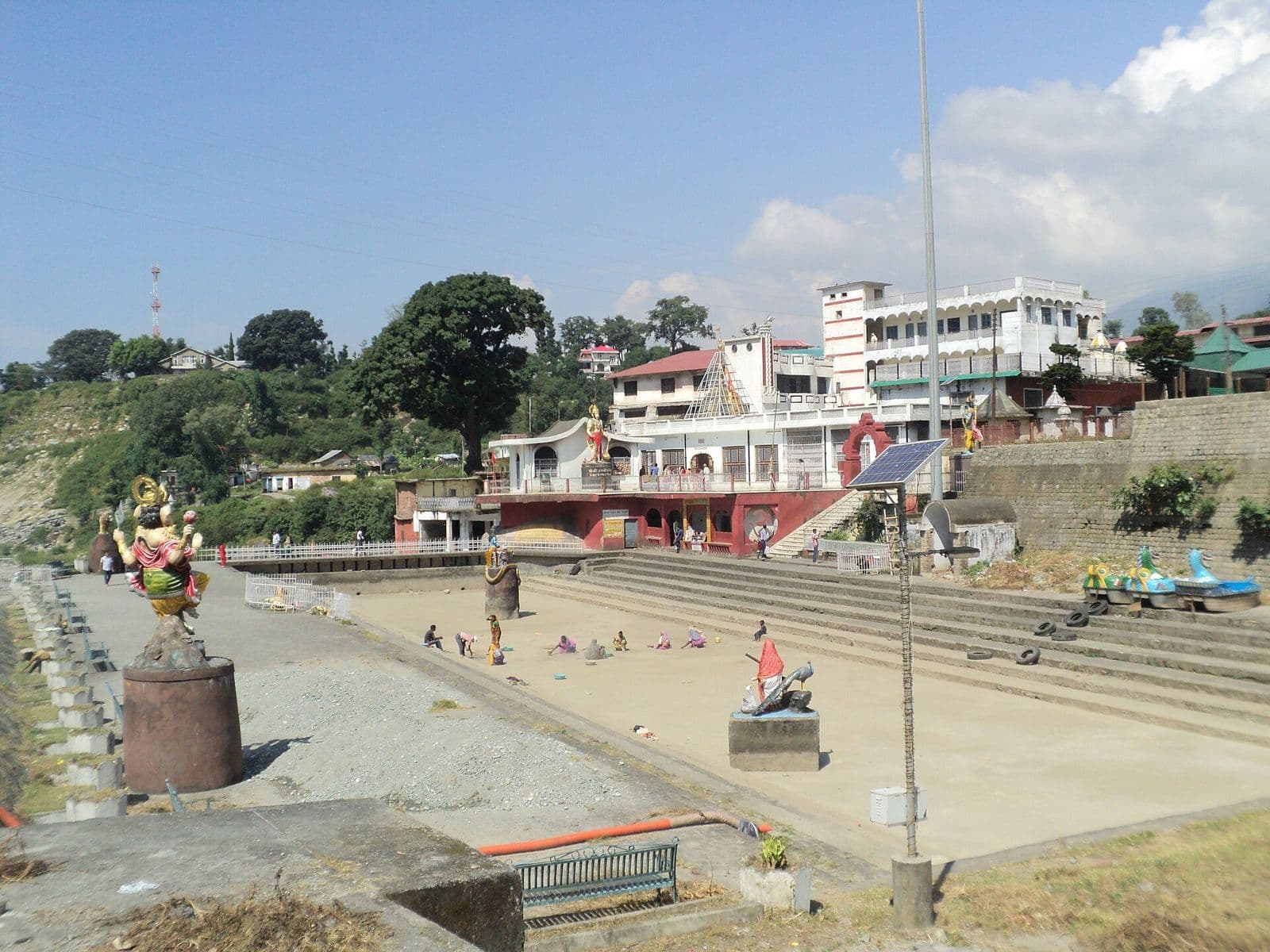
Kangra Devi Temples Guide: Chamunda, Brajeshwari, Jwalamukhi & Chintpurni Yatra (2026)
Plan a Shakti temple yatra from Dharamshala: Chamunda Devi, Brajeshwari (Kangra Devi), Jwalamukhi and Chintpurni, plus notes on Naina Devi, with timings, route, a 1-2 day plan, dress and Navratri crowd tips.
Dharamshala vs McLeod Ganj: Where Should You Stay? (2026)
Lower Dharamshala or McLeod Ganj? A local comparison for families, backpackers, spiritual seekers, cricket fans and nightlife lovers, plus Bhagsu, Dharamkot and Naddi alternatives.