Places to Visit in Kangra (2026): Fort, Temples, Masroor and a 1-Day Loop
Kangra Fort, Brajeshwari Devi, the Masroor rock-cut temples, Chamunda, Jwalamukhi, Baijnath and Pong Dam, with distances from Dharamshala, timings, entry fees and a practical one-day Kangra loop.
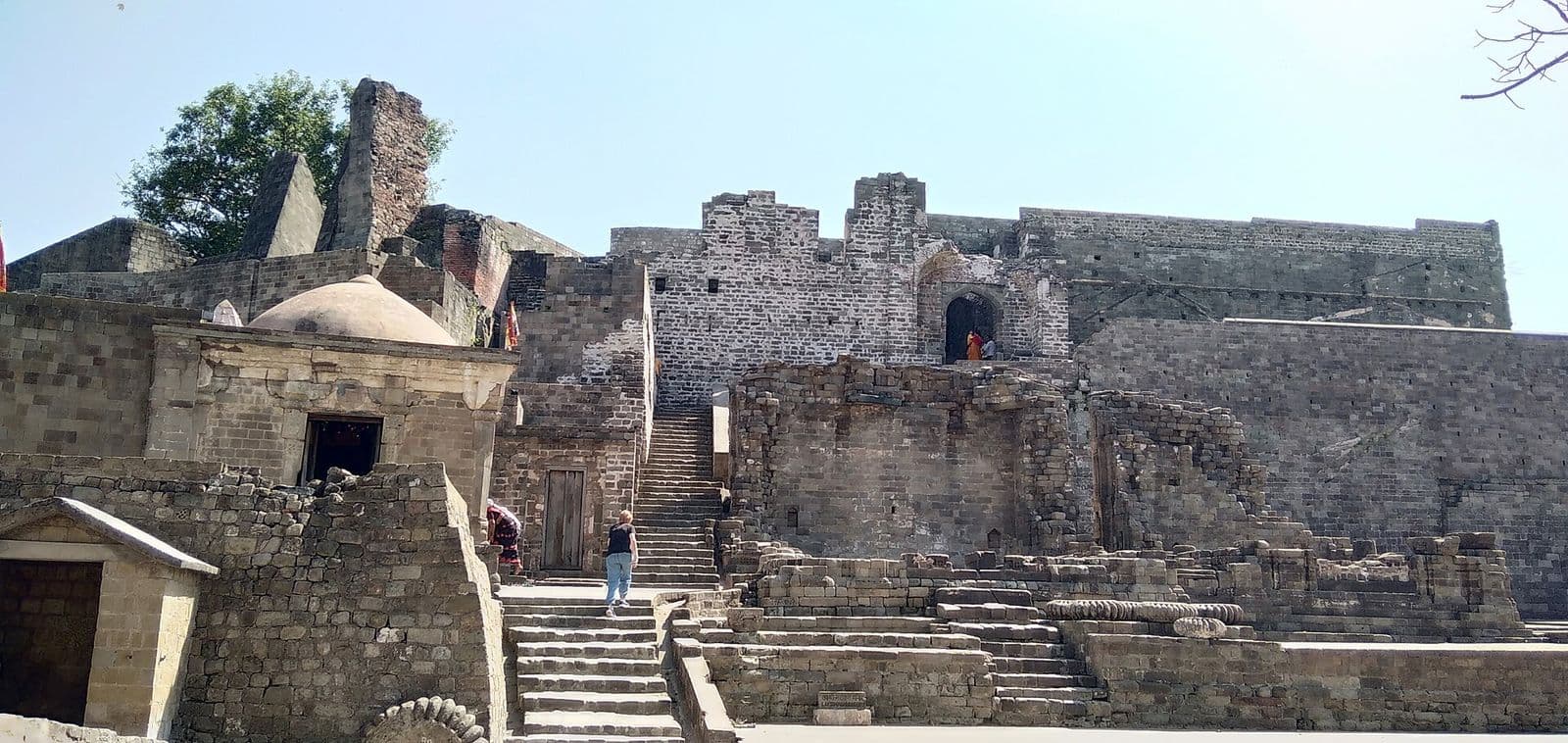
The best places to visit in Kangra are Kangra Fort, the Brajeshwari (Bajreshwari) Devi temple, the 8th century Masroor rock-cut temples, Chamunda Devi, Jwalamukhi, Baijnath temple, and, in winter, the birdlife of Pong Dam (Maharana Pratap Sagar). Kangra town is only about 18 to 20 km from Dharamshala, so the easiest plan is to stay in Dharamshala or McLeod Ganj and explore the valley on day trips by taxi.
Below you will find what each place is, why it matters, how long to give it, approximate entry fees as of 2026, and a tested one-day Kangra loop that covers the fort, Brajeshwari and Masroor without rushing.
Kangra at a glance
Kangra is both a town and the district that contains Dharamshala, McLeod Ganj and Palampur. When travellers say "Kangra", they usually mean the old town in the valley below Dharamshala, with its fort and temples, and the wider Kangra Valley beneath the Dhauladhar range. The valley was the seat of the Katoch dynasty, one of the oldest royal lines in India, and the birthplace of the famous Kangra school of miniature painting.
Distances from Dharamshala
| Place | Distance from Dharamshala (approx.) | Drive time (approx.) | Time on site |
|---|---|---|---|
| Kangra Fort | 20 km | 45 min | 1.5 to 2 hrs |
| Brajeshwari Devi, Kangra town | 18 to 20 km | 40 min | 45 min to 1 hr |
| Chamunda Devi | 15 km | 30 to 40 min | 1 hr |
| Masroor rock-cut temples | 40 to 45 km | 1.5 hrs | 1 hr |
| Jwalamukhi | 55 km | 1.5 to 2 hrs | 1 hr |
| Baijnath | 50 km | 1.5 hrs | 45 min |
| Pong Dam / Maharana Pratap Sagar | 55 to 65 km | 1.5 to 2 hrs | 2 to 3 hrs |
| Kangra Art Museum | In Dharamshala | - | 45 min |
Times vary with traffic, especially on festival days at the temples.
1. Kangra Fort
Perched on a ridge above the meeting of the Banganga and Manjhi rivers, Kangra Fort is one of the largest and oldest forts in the Himalayan foothills. It was the stronghold of the Katoch rulers, raided by Mahmud of Ghazni in the 11th century, held by the Mughals from the 17th century, and regained by the Katochs under Raja Sansar Chand in the late 18th century. The great Kangra earthquake of 1905 brought down much of it, but the gateways, ramparts, temple remains and views over the valley are superb.
- Time needed: 1.5 to 2 hours
- Entry: paid; approx. ₹150 for Indians with a higher rate for foreigners (as of 2026, check at the gate)
- Timings: roughly 9 am to 6 pm
- Tip: rent the audio guide near the ticket counter; the fort makes much more sense with it. The Maharaja Sansar Chand Museum near the entrance, run by the Kangra royal family, has miniature paintings, costumes and arms.
2. Brajeshwari (Bajreshwari) Devi Temple
In the heart of old Kangra town, about 3 km from the fort, Brajeshwari is one of the region's most important Shakti temples and one of the Shakti Peethas. The temple you see today was rebuilt after the 1905 earthquake. Pilgrims come year-round, with big crowds during Navratri and in January for the Makar Sankranti ghee festival.
- Time needed: 45 minutes to 1 hour
- Entry: free
- Tip: the approach is through a narrow, lively bazaar; park at the bottom and walk. Leave shoes at the shoe stand and carry small change for offerings.
3. Masroor Rock-Cut Temples
The most unusual monument in Himachal: a group of temples carved from a single sandstone ridge around the 8th century, in the Nagara style, facing a rectangular pond that mirrors them. They were damaged by the 1905 earthquake and were never fully completed, but the scale and carving are remarkable. The site is protected by the Archaeological Survey of India and is often compared to Ellora and Angkor.
- Time needed: 1 hour
- Entry: ASI ticket, approx. ₹25 for Indians and higher for foreigners (as of 2026); tickets are typically bought online or by scanning a QR code at the gate, so have mobile data
- Timings: sunrise to sunset
- Tip: late afternoon light is best, and the climb to the top of the ridge gives views of the Dhauladhar on clear days.
4. Chamunda Devi
About 15 km from Dharamshala on the road to Palampur, Chamunda Devi sits beside the Baner river with the mountains behind. It is one of the most visited temples in the district and the easiest of the big Devi temples to combine with Palampur.
- Time needed: 1 hour
- Entry: free
- Tip: weekday mornings are calm. Navratri brings big crowds and traffic.
5. Jwalamukhi (Jwala Ji)
Around 55 km from Dharamshala, Jwalamukhi is unique: there is no idol. Instead, natural blue flames issue from the rock and are worshipped as the goddess. It is among the most important Shakti Peethas in north India.
- Time needed: 1 hour (much longer during Navratri)
- Entry: free
- Tip: it pairs better with a route towards Hamirpur or Nadaun than with Masroor. For a temple-focused trip, read our Kangra devi temples guide.
6. Baijnath Temple
About 50 km east of Dharamshala, beyond Palampur, Baijnath is a superbly carved stone Shiva temple with inscriptions dated to the early 13th century, still in daily worship. Its walls are covered with fine sculpture. Combine it with Palampur and Bir; see our Palampur travel guide.
- Time needed: 45 minutes
- Entry: free
7. Pong Dam and Maharana Pratap Sagar
The Pong Dam on the Beas river, completed in the 1970s, created a vast reservoir called Maharana Pratap Sagar. The lake and its shores are a protected wildlife sanctuary and an internationally recognised wetland, and in winter tens of thousands of migratory birds, including bar-headed geese and many species of duck, arrive from Central Asia.
- Time needed: half a day
- Best time: roughly November to March for birds
- Tip: bring binoculars and go early in the morning. Facilities are basic, so carry water and snacks. Some boating and water sports have operated here in recent years, but check locally before you go.
8. Kangra Art Museum, Dharamshala
Not in Kangra town but essential to understanding it, this museum in Kotwali Bazaar, Dharamshala, holds Kangra miniature paintings, sculpture, textiles and folk artefacts.
- Time needed: 45 minutes
- Entry: approx. ₹10 to ₹50 depending on nationality (as of 2026)
- Timings: roughly 10 am to 5 pm, usually closed on Mondays
9. Other worthwhile stops
- Norbulingka Institute and Gyuto Monastery at Sidhbari, on the way between Dharamshala and the valley. See places to visit in Dharamshala.
- Kangra Valley Railway: the narrow-gauge line passes Kangra and Kangra Mandir stations. Services have been repeatedly disrupted by monsoon damage, so read our toy train guide and check status before planning a ride.
- Kangra tea gardens around Palampur.
Sample 1-day Kangra loop from Dharamshala
This loop covers the three headline sights without backtracking much. Total driving is roughly 100 to 110 km.
- 8:30 am: leave Dharamshala or McLeod Ganj by taxi.
- 9:15 am: Kangra Fort with the audio guide and the Sansar Chand Museum (about 2 hours).
- 11:30 am: Brajeshwari Devi temple and a walk through the old bazaar (about 1 hour).
- 12:45 pm: lunch in Kangra town.
- 1:45 pm: drive to Masroor (around 1 hour).
- 3 pm: explore the rock-cut temples and climb the ridge (about 1.5 hours).
- 4:30 pm: drive back to Dharamshala (around 1.5 hours), arriving around 6 pm.
Variations:
- Temple circuit: Chamunda, Brajeshwari and Jwalamukhi in a day; start early as Jwalamukhi is farther out.
- East loop: Chamunda, Palampur tea gardens and Baijnath, ending at Bir if you want a paragliding flight.
- Winter bird day: Pong Dam at dawn, then Masroor in the afternoon.
A full-day taxi is the simplest way to do these loops. You can book a car with a local driver on our taxi page; drivers know the parking spots and the less crowded hours at each temple.
When to visit Kangra
The valley is lower and warmer than McLeod Ganj. October to March is the most comfortable time for sightseeing in Kangra and the only season for birds at Pong. April to June is clear but hot in the middle of the day, so start early. July to mid-September is monsoon: green, but roads and the toy train can be disrupted. See our best time to visit Dharamshala guide for the full month-by-month picture.
Why base yourself in Dharamshala
Kangra town itself has limited good accommodation, while Dharamshala and McLeod Ganj have far more choice, cooler weather and better food. Most travellers stay up the hill and drive down for the day. Browse verified hotels and homestays, read about the Dharamshala area, or check our FAQ for practical questions about payments and transfers.
Tips for temple visits in Kangra
- Dress modestly, covering shoulders and knees, and remove shoes before entering.
- Leather items are discouraged in some temples; leave belts and wallets in the car if unsure.
- Photography is often restricted inside the sanctum; follow the signs.
- Festival days (Navratri in spring and autumn, and major fairs) mean long queues and traffic jams. Plan around them unless the festival is the reason you are going.
Frequently Asked Questions
How far is Kangra from Dharamshala?
What is the entry fee for Kangra Fort?
Can Kangra Fort, Brajeshwari and Masroor be done in one day?
When is the best time to see birds at Pong Dam?
More answers on our Dharamshala travel Q&A page.
Need Help Planning Your Dharamshala Trip?
Our local team can help with hotels, treks, taxis, and custom itineraries.
Related Guides
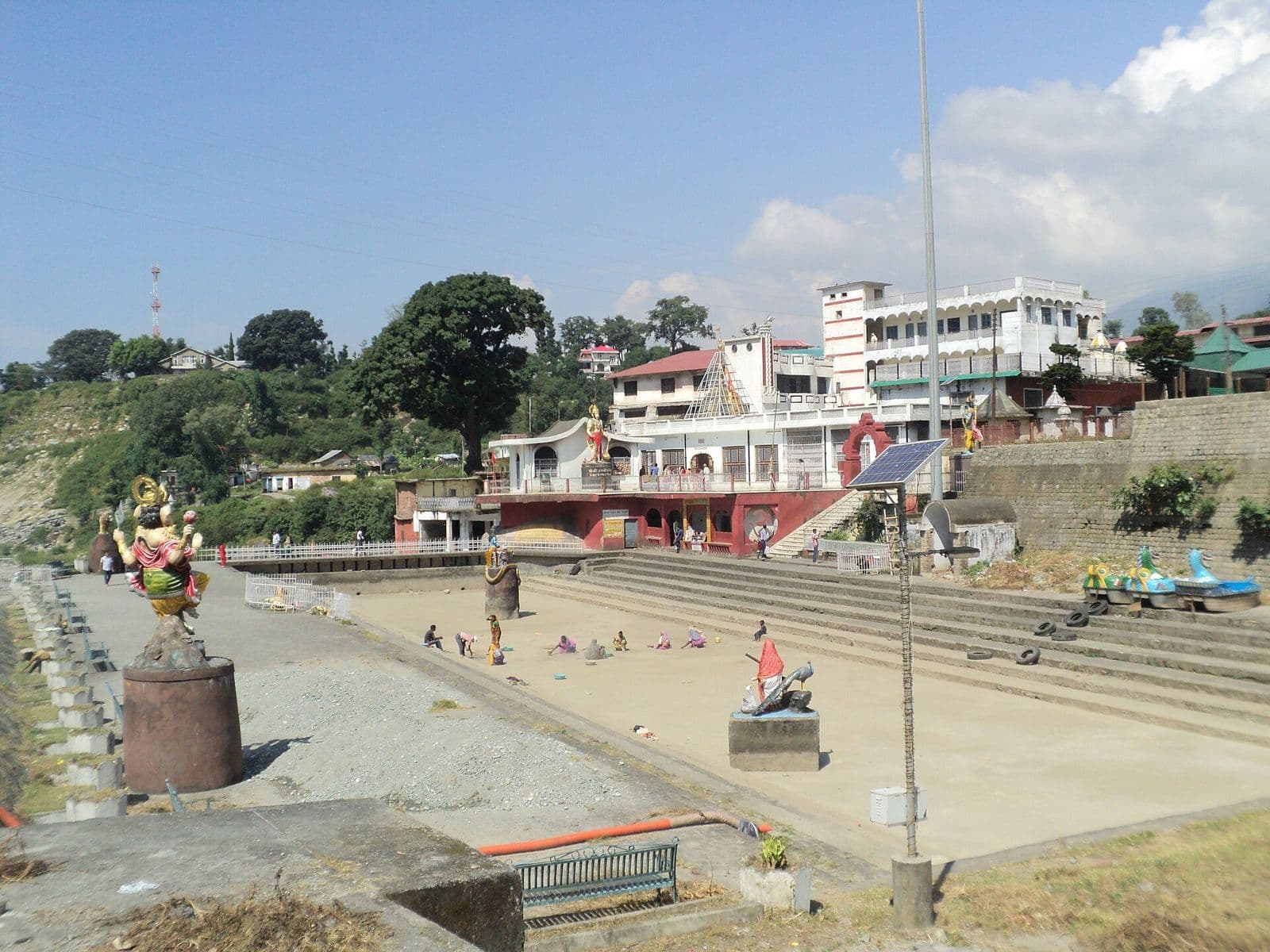
Kangra Devi Temples Guide: Chamunda, Brajeshwari, Jwalamukhi & Chintpurni Yatra (2026)
Plan a Shakti temple yatra from Dharamshala: Chamunda Devi, Brajeshwari (Kangra Devi), Jwalamukhi and Chintpurni, plus notes on Naina Devi, with timings, route, a 1-2 day plan, dress and Navratri crowd tips.
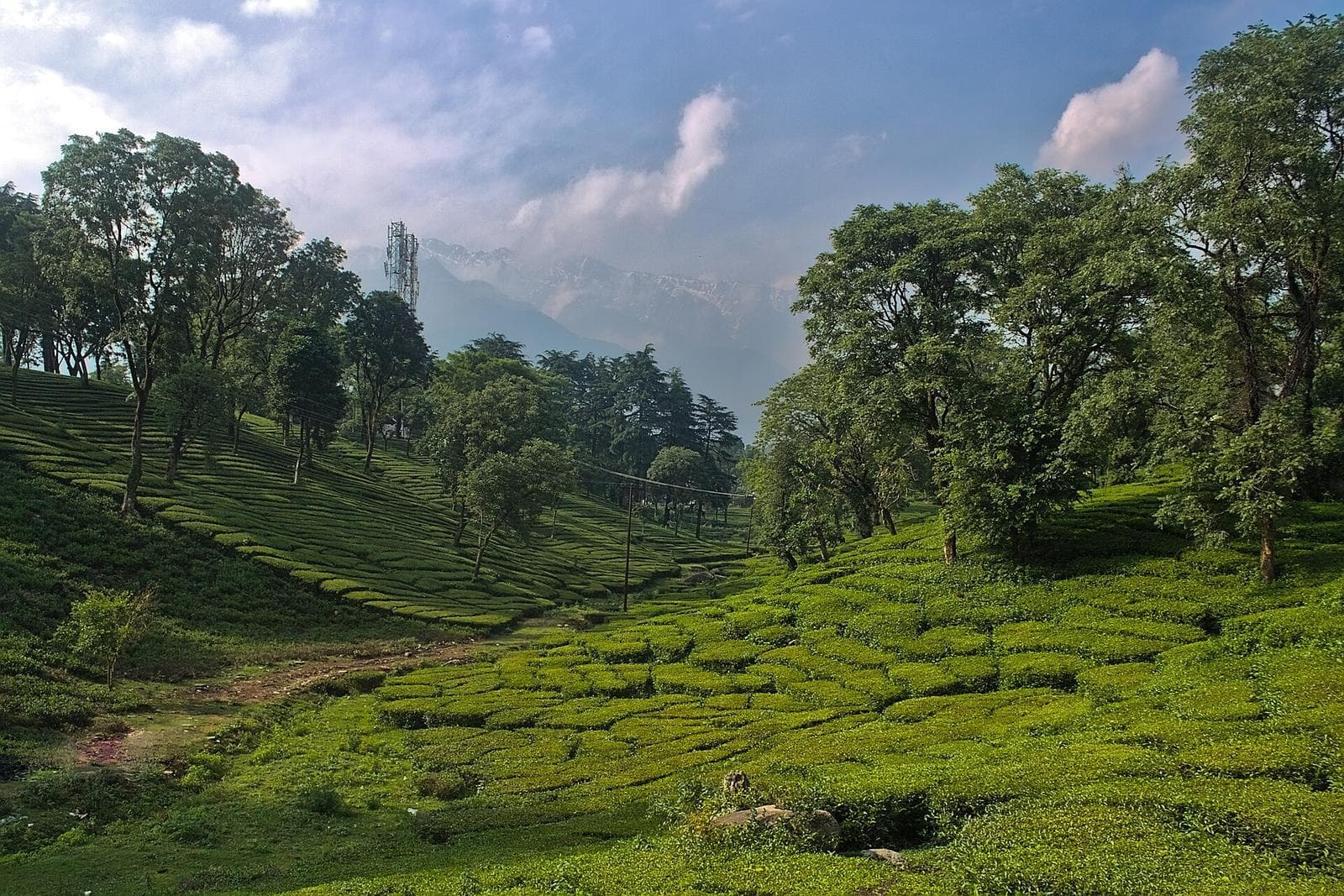
Palampur Travel Guide (2026): Tea Gardens, Day Trips and Where to Stay
Palampur is the quiet tea town of the Kangra Valley, about 35 to 40 km from Dharamshala. Here is how to see the tea gardens and factory, Neugal Khad, Bundla, Andretta and Baijnath, plus a Bir day trip.
24 Best Places to Visit in Dharamshala & McLeod Ganj (2026 Local Guide)
The places worth your time in Dharamshala and McLeod Ganj, from the Dalai Lama Temple and Bhagsu waterfall to Triund, Naddi and Kangra Fort, with timings, entry fees and how long each one really takes.
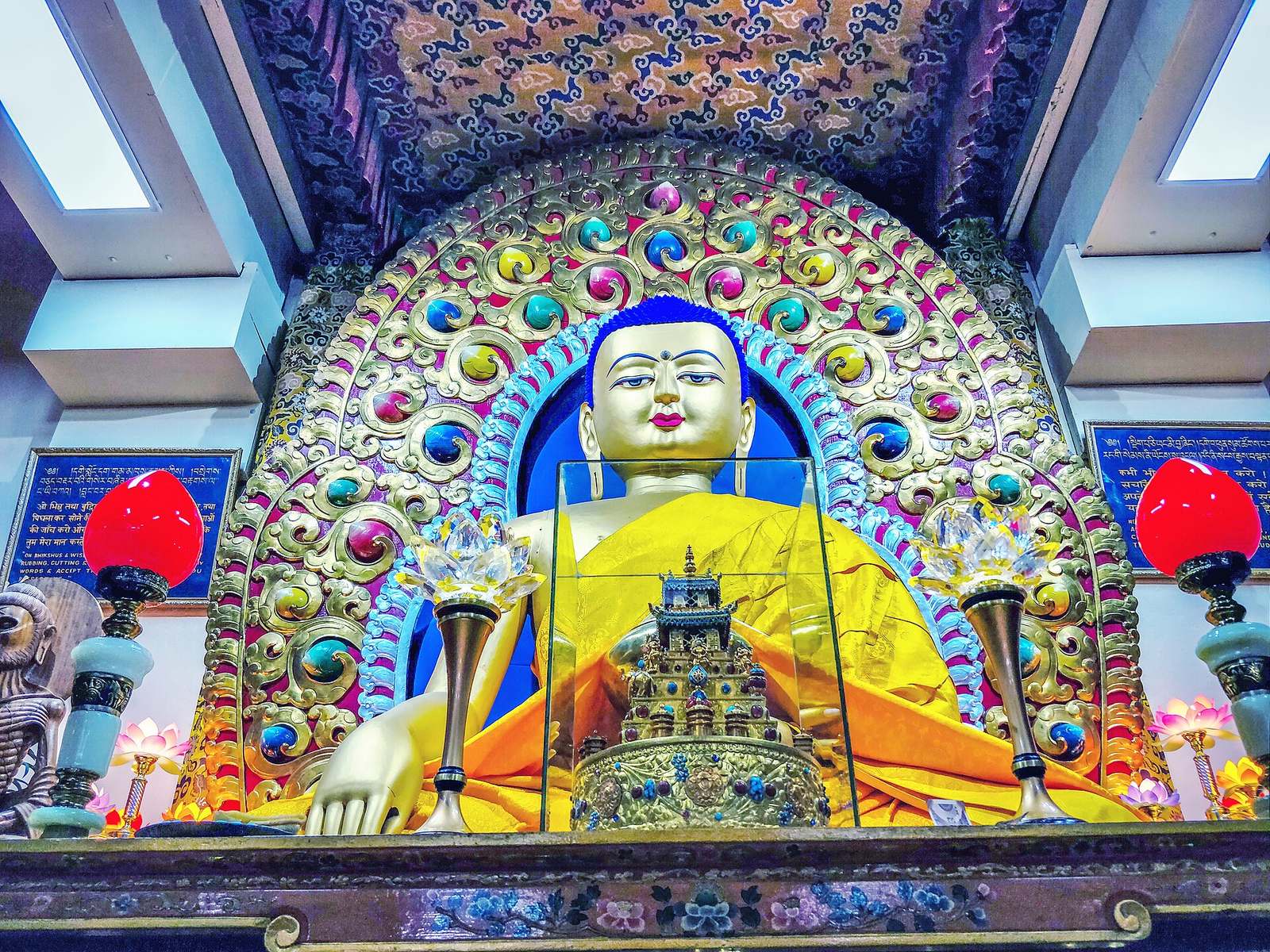
Dalai Lama Temple, McLeod Ganj (2026): Timings, Etiquette, Teachings and Kora
A complete visitor guide to the Tsuglagkhang complex in McLeod Ganj: what is inside, opening hours, dress code, photography rules, the Tibet Museum, the kora walk, and how to attend a public teaching.