Kangra Devi Temples Guide: Chamunda, Brajeshwari, Jwalamukhi & Chintpurni Yatra (2026)
Plan a Shakti temple yatra from Dharamshala: Chamunda Devi, Brajeshwari (Kangra Devi), Jwalamukhi and Chintpurni, plus notes on Naina Devi, with timings, route, a 1-2 day plan, dress and Navratri crowd tips.
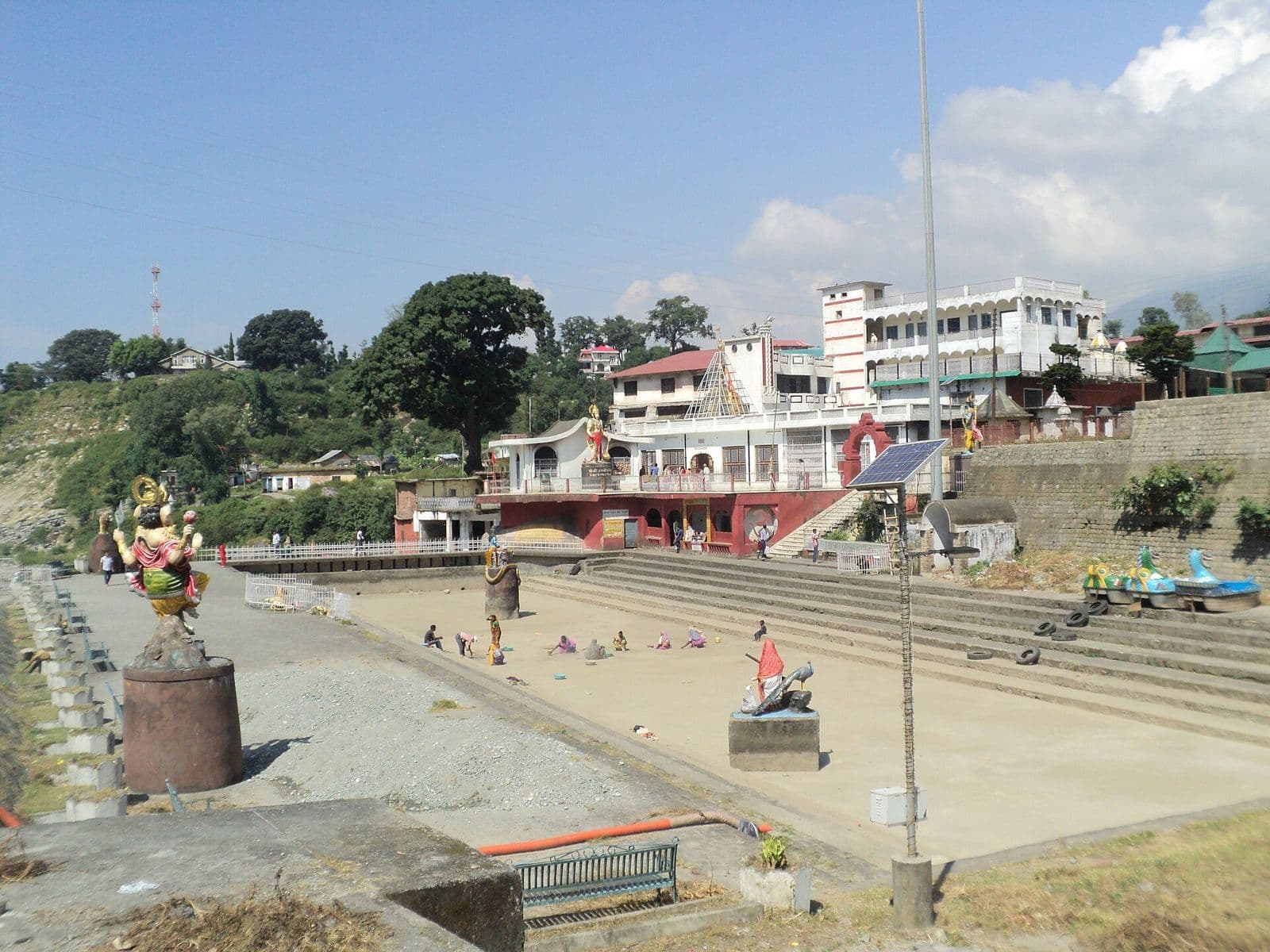
The Kangra region is one of the most important Shakti pilgrimage areas in North India. From Dharamshala you can visit Chamunda Devi, Brajeshwari Devi (Kangra Devi), Jwalamukhi and Chintpurni in one long day or a relaxed two days by taxi. Naina Devi in Bilaspur district is often added to the same yatra, but it is about 165 km from Dharamshala, so it needs an extra day.
Below is the best route, distances, approximate darshan timings, a ready-made 1 and 2 day plan, and practical advice on dress, offerings and festival crowds, including Sharad Navratri 2026 (11 to 19 October). Timings are approx. as of 2026 and change seasonally and on festival days, so confirm locally.
The Temples at a Glance
| Temple | Location | Distance from Dharamshala (approx.) | Why it is special |
|---|---|---|---|
| Chamunda Devi | Near Palampur road, on the Baner river | 15–18 km | Fierce form of Durga; Dhauladhar backdrop |
| Brajeshwari Devi (Kangra Devi) | Kangra town | 18–20 km | Revered Shakti Peetha; ghee festival at Makar Sankranti |
| Jwalamukhi (Jwala Ji) | Jwalamukhi town | 55–60 km | Natural eternal flames; no idol |
| Chintpurni (Chhinnamastika) | Una district | 90–100 km | Wish-fulfilling Devi; very popular with Punjab pilgrims |
| Naina Devi | Bilaspur district | Approx. 165 km | Hilltop Shakti Peetha with ropeway |
Chamunda Devi Temple
Chamunda Devi, also called Chamunda Nandikeshwar Dham, sits beside the Baner river with the Dhauladhar range rising behind it. It honours Chamunda, the form of Durga who slew the demons Chanda and Munda. There is also a Shiva shrine in a cave-like space below the main temple, and a ghat by the river.
- Timings (approx.): early morning to around 9 pm, with a short midday closure for bhog. Aarti in the morning and evening.
- Tip: It is the closest of the circuit and easy to combine with Norbulingka Institute or a drive to Palampur. Arrive before 9 am on weekends.
- Time needed: the complex is compact, so outside festival days darshan usually takes under an hour even with a queue.
Brajeshwari Devi Temple (Kangra Devi)
In the old town of Kangra, the Brajeshwari (Bajreshwari) Devi temple is counted among the Shakti Peethas and was once famous for its wealth, which drew invaders including Mahmud of Ghazni. The present structure was rebuilt after the devastating 1905 Kangra earthquake.
- Timings (approx.): around 5 am to 9 pm, with Mangal Aarti at dawn and main aartis morning and evening; exact times shift between summer and winter.
- Festival: At Makar Sankranti (mid-January), the pindi is covered in ghee and butter for several days, a tradition unique to this temple.
- Langar: The temple trust has run a free community meal; ask locally for current serving times.
- Tip: The approach lane is a busy bazaar with prasad and chunri shops. Park outside and walk the last few minutes. Pair it with Kangra Fort (about 3 km away); see our places to visit in Kangra.
Jwalamukhi Temple (Jwala Ji)
The Jwalamukhi temple has no idol. Instead, natural blue flames emerge from fissures in the rock inside the sanctum, worshipped as the goddess herself. It is one of the most visited temples in Himachal, and the story of Emperor Akbar's offering of a golden canopy (chhatra) is told to every visitor.
- Timings (approx.): around 5 am to 8 pm or later in summer, with several aartis a day beginning with the Mangal Aarti at opening.
- Distance: About 55 to 60 km from Dharamshala, roughly 1.5 to 2 hours via Kangra and Ranital.
- Tip: Queues can be very long on weekends and in Navratri. Go early or late on a weekday. Gorakh Dibbi, a small shrine with a pool of seemingly bubbling water nearby, is usually included in the visit.
Chintpurni Temple (Chhinnamastika Devi)
In Una district, Chintpurni is dedicated to Chhinnamastika Devi and is believed to fulfil wishes and remove worries (chinta). It is extremely popular with pilgrims from Punjab, so weekends and festivals are crowded.
- Timings (approx.): opens very early (around 4 to 5 am in summer, slightly later in winter) and closes late evening; morning and evening aarti.
- Distance: About 35 km from Jwalamukhi and 90 to 100 km from Dharamshala.
- Tip: Vehicles stop below the temple; the last stretch is a walk up a bazaar lane with steps. On peak days queue barriers stretch far down the hill.
Naina Devi Temple (Optional, Further Away)
Naina Devi stands on a hilltop above the Gobind Sagar area in Bilaspur district. It is a major Shakti Peetha and is often grouped with the Kangra temples, but it is approx. 165 km from Dharamshala and about 115 km from Chintpurni. A ropeway helps with the final climb when operating. Add a full day, or visit it on your way to or from Chandigarh or Delhi rather than as a day trip from Dharamshala.
Best Route from Dharamshala
The logical loop is:
Dharamshala → Chamunda Devi → Kangra (Brajeshwari) → Jwalamukhi → Chintpurni → back to Dharamshala (or onward to Una, Chandigarh or Delhi).
Total driving for the full loop back to Dharamshala is roughly 230 to 260 km. Doing Chamunda first in the early morning avoids its queues, and ending at Chintpurni works well if you are leaving Himachal, since Chintpurni is on the way to Una and the plains.
Yatra Plans
1-day yatra (long day)
- 6:00 am: Leave Dharamshala; darshan at Chamunda Devi.
- 8:30 am: Brajeshwari Devi in Kangra; breakfast in Kangra.
- 11:30 am: Jwalamukhi; lunch in town.
- 3:00 pm: Chintpurni.
- 7:00 to 8:00 pm: Back in Dharamshala, or continue to Una and onward.
This is tiring and depends on short queues. It works on weekdays outside festival seasons; do not try it during Navratri.
2-day yatra (recommended)
- Day 1: Chamunda Devi in the morning, Brajeshwari Devi and Kangra Fort in the afternoon. Night in Dharamshala or Kangra.
- Day 2: Jwalamukhi early, Chintpurni by early afternoon, then return to Dharamshala or travel onward.
Add Day 3 for Naina Devi if you are continuing towards Chandigarh or Delhi.
A private taxi is the easiest way to do this yatra. As of 2026, a full-day sedan for the four-temple loop from Dharamshala typically costs approx. ₹4,500–6,500 depending on the vehicle and season. Book through our taxi page or contact us for a fixed quote. HRTC buses connect all four towns but need multiple changes.
Dress Code, Offerings and Etiquette
- Dress modestly: shoulders and knees covered. Head covering is common for women and appreciated for men in some temples; carry a scarf or dupatta.
- Shoes off before entering; most temples have shoe counters (small fee or free).
- Leather items such as belts and wallets are discouraged inside the sanctum at some temples.
- Offerings: red chunri, coconut, sweets, flowers and dry fruit packs are sold outside every temple. Buy from shops near the entrance and keep the bill amount reasonable; avoid touts who insist on expensive packages.
- Photography: usually not allowed inside the sanctum. Follow signs and staff instructions.
- Donations: use official temple trust counters or donation boxes and ask for a receipt.
- Phones and bags: some temples restrict them in the inner area or provide lockers; keep valuables minimal.
Navratri and Festival Crowds
Navratri is the most auspicious and the most crowded time for these temples.
- Sharad Navratri 2026: approximately 11 to 19 October 2026, with Dussehra on 20 October. Chaitra Navratri falls in March/April each year.
- Temples open earlier and close later, and the administration often sets up queue systems, special darshan arrangements and traffic diversions.
- Expect waits of several hours at Jwalamukhi and Chintpurni, especially on Ashtami and Navami.
- Hotels in Kangra and Jwalamukhi fill up; stay in Dharamshala and start very early.
- Shravan Ashtami (July/August) and Makar Sankranti at Brajeshwari also draw large crowds.
Best Time to Do the Yatra
October to March is comfortable for long temple days, apart from Navratri crowds. April to June is hot in the lower towns of Jwalamukhi and Chintpurni, so start early. During the monsoon (July to mid-September), landslides can affect the Kangra roads; see our monsoon guide and our best time to visit Dharamshala.
Where to Stay
For the yatra, Dharamshala town is the most practical base, being closer to Kangra and Chamunda than McLeod Ganj. If you also want monasteries and cafes, stay in McLeod Ganj and add 20 to 30 minutes each way. Browse our verified hotels and our best hotels in Dharamshala. Want to add a heritage train ride? The Kangra Mandir station is near Brajeshwari; read the Kangra toy train guide. Check the FAQ for payments and cancellations.
Frequently Asked Questions
Can I visit Chamunda, Kangra Devi, Jwalamukhi and Chintpurni in one day?
How far is Jwalamukhi temple from Dharamshala?
How far is Naina Devi from Dharamshala?
When is Navratri in 2026?
What should I wear to the Kangra Devi temples?
More answers on our Dharamshala travel Q&A page.
Need Help Planning Your Dharamshala Trip?
Our local team can help with hotels, treks, taxis, and custom itineraries.
Related Guides
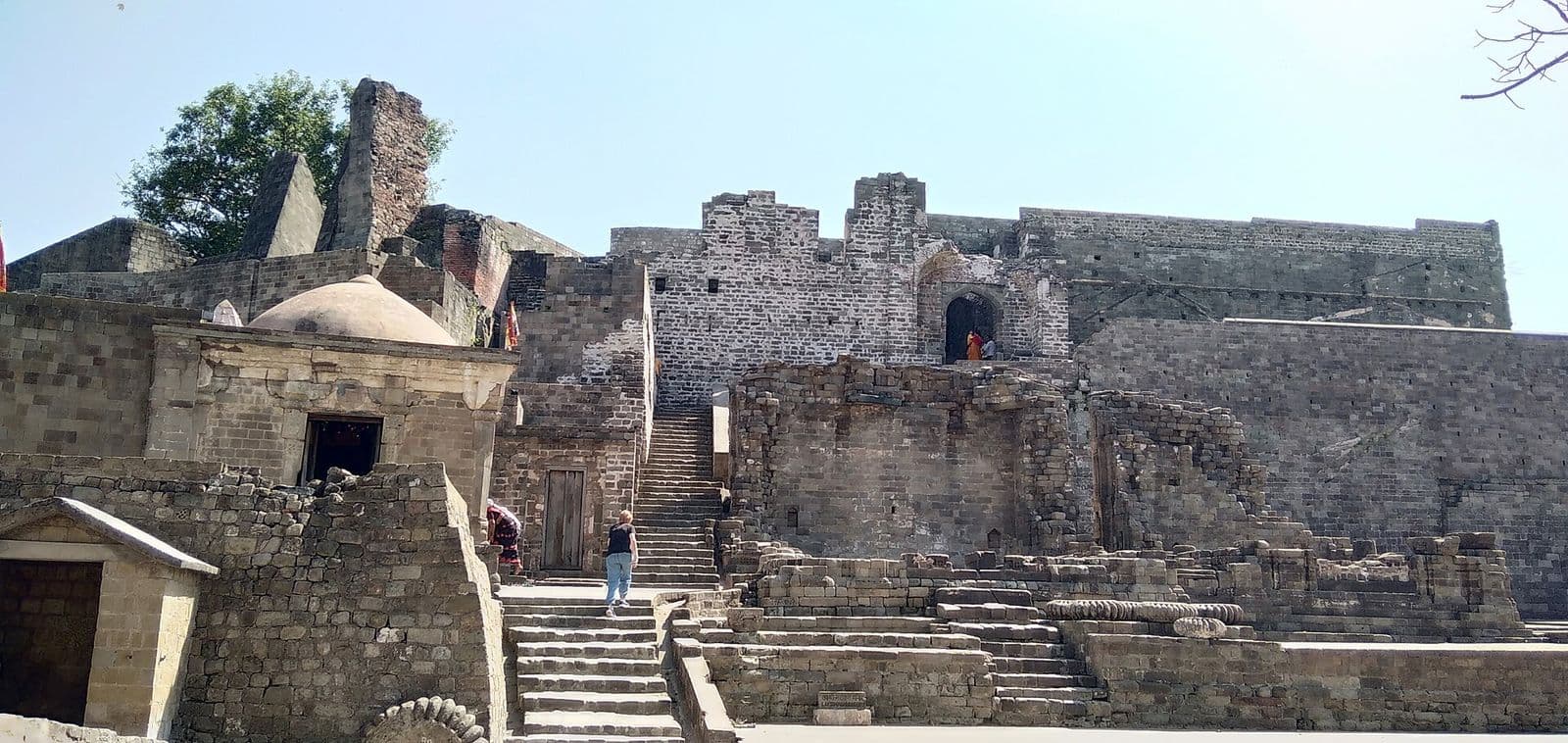
Places to Visit in Kangra (2026): Fort, Temples, Masroor and a 1-Day Loop
Kangra Fort, Brajeshwari Devi, the Masroor rock-cut temples, Chamunda, Jwalamukhi, Baijnath and Pong Dam, with distances from Dharamshala, timings, entry fees and a practical one-day Kangra loop.
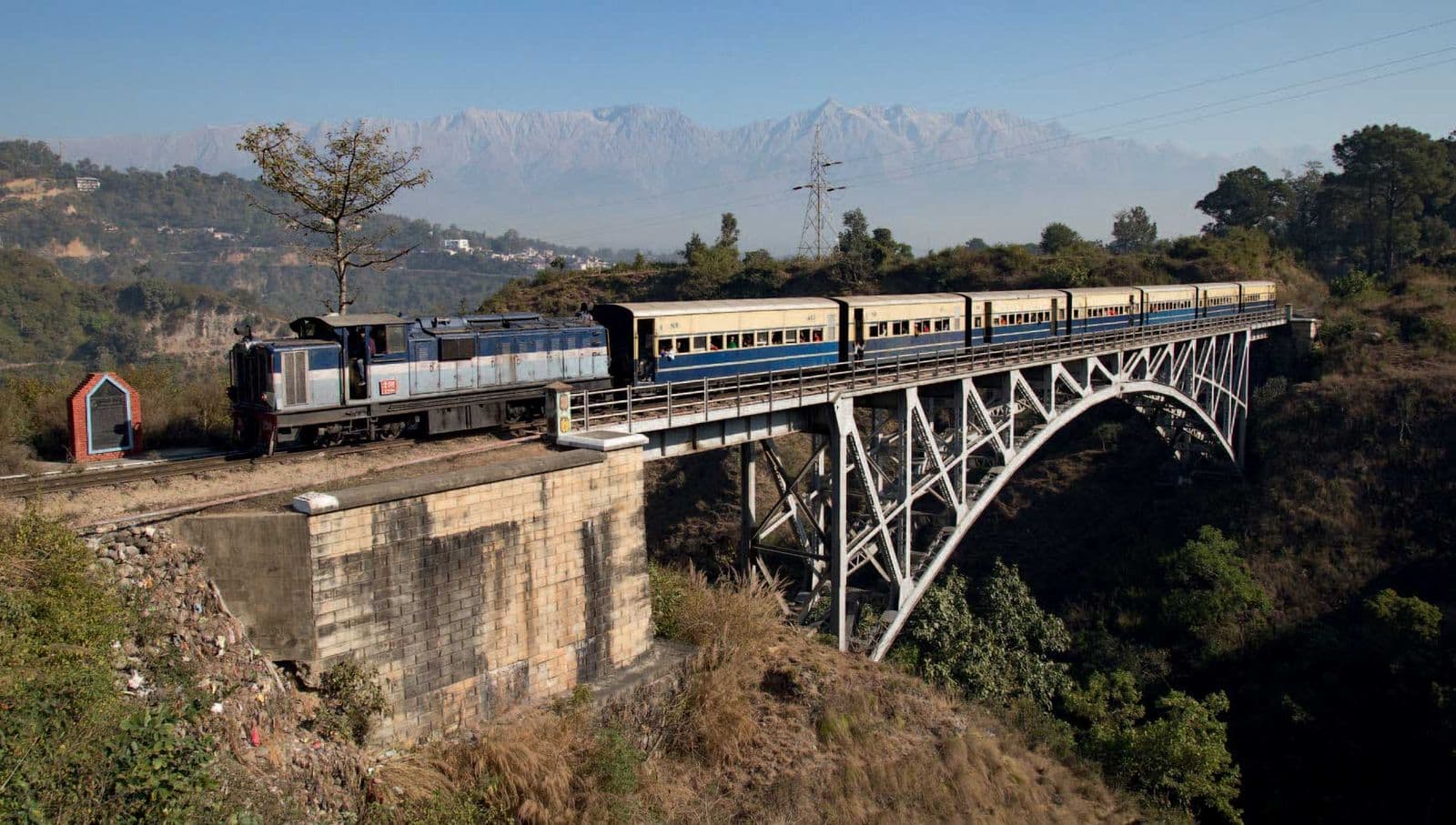
Kangra Toy Train Guide: Route, Current Status, Tickets & Tips (2026)
The Kangra Valley Railway from Pathankot to Joginder Nagar reopened in June 2026 after four years, then paused again for monsoon repairs. Here is the current status, the best sections to ride and how to plan.
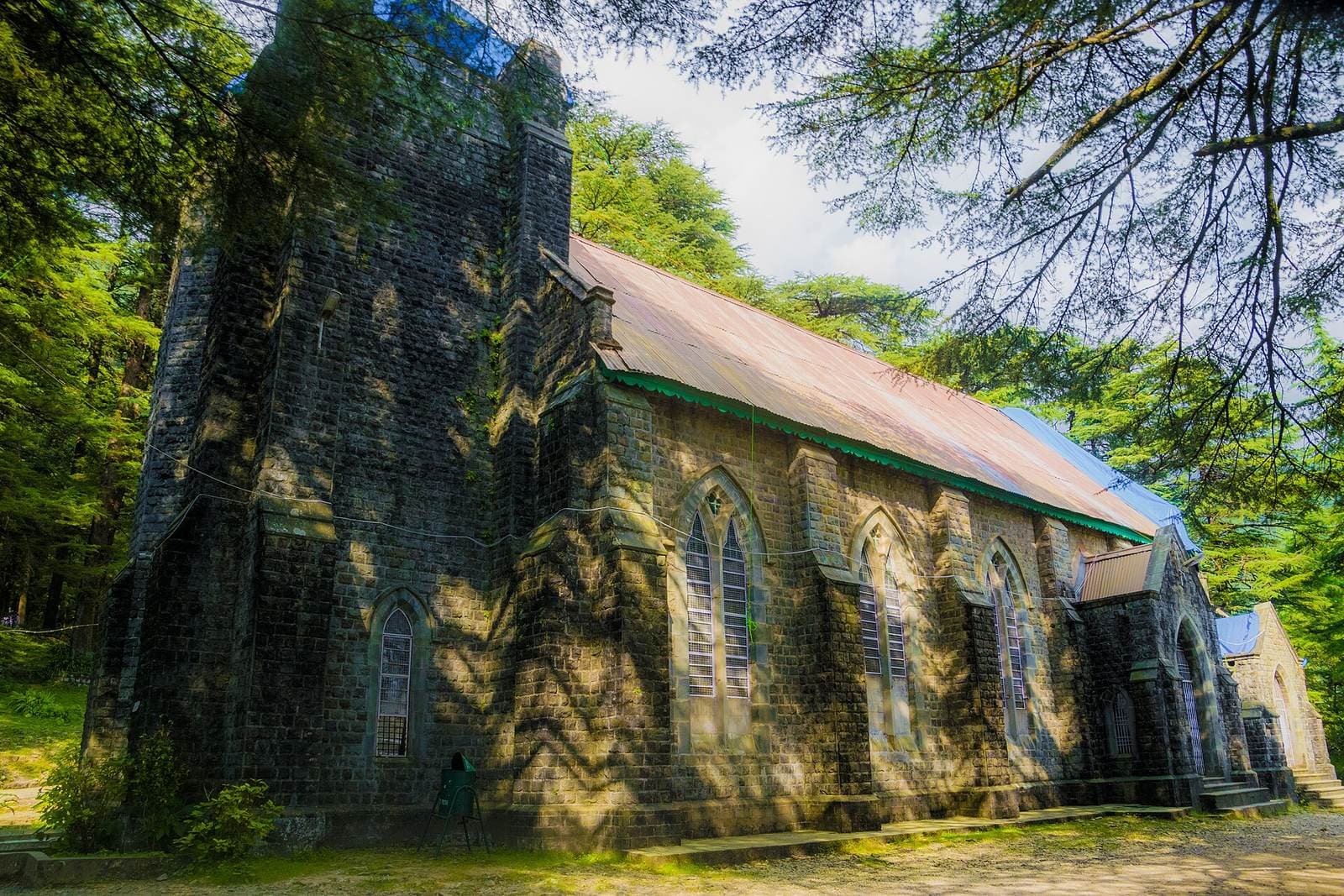
24 Best Places to Visit in Dharamshala & McLeod Ganj (2026 Local Guide)
The places worth your time in Dharamshala and McLeod Ganj, from the Dalai Lama Temple and Bhagsu waterfall to Triund, Naddi and Kangra Fort, with timings, entry fees and how long each one really takes.
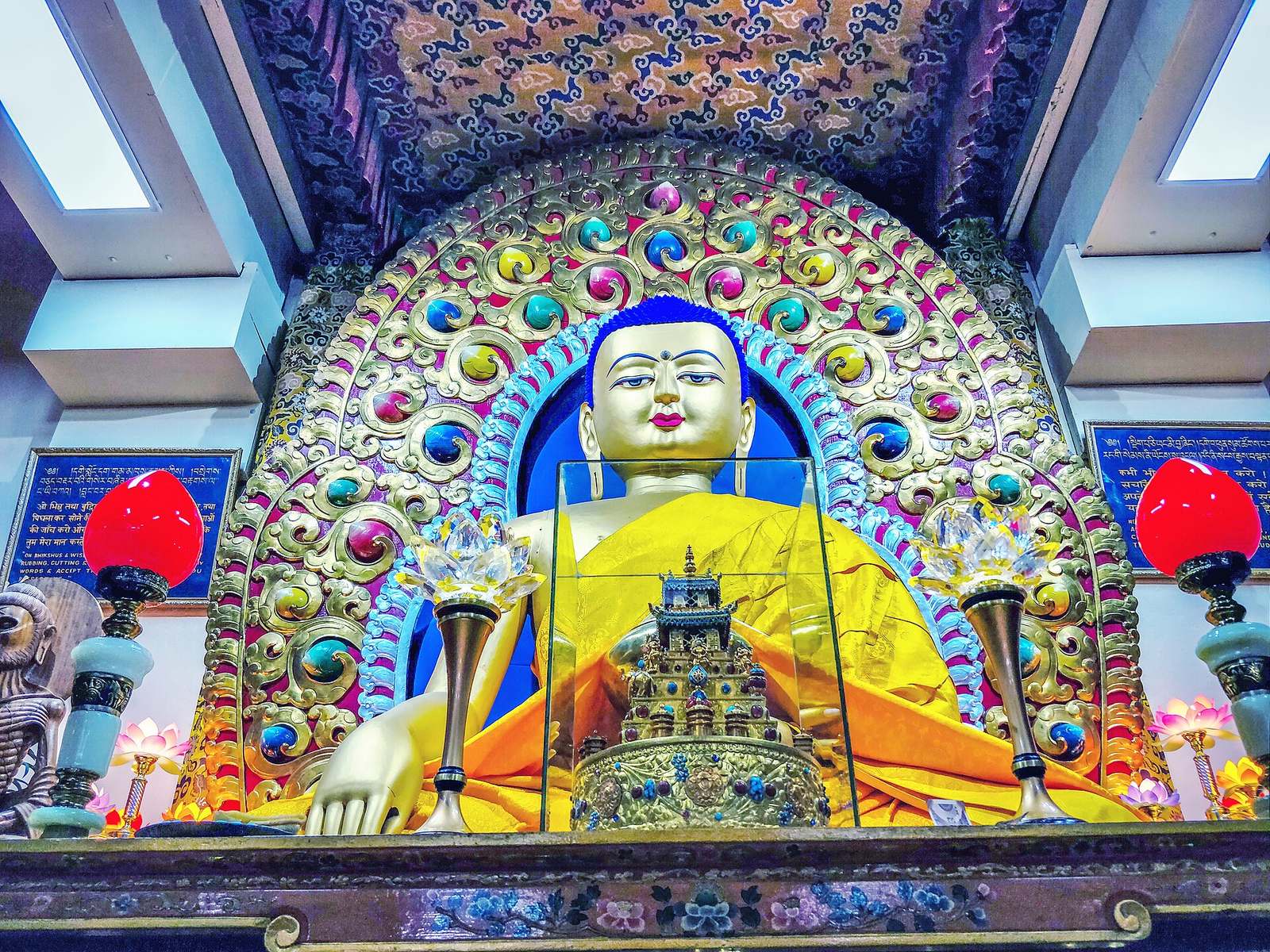
Dalai Lama Temple, McLeod Ganj (2026): Timings, Etiquette, Teachings and Kora
A complete visitor guide to the Tsuglagkhang complex in McLeod Ganj: what is inside, opening hours, dress code, photography rules, the Tibet Museum, the kora walk, and how to attend a public teaching.