Masroor Rock Cut Temple 2026: Timings, Entry Fee, How to Reach from Dharamshala
The Masroor (Masrur) rock-cut temples are 8th-century monolithic Hindu temples carved from one sandstone ridge, about 40 to 45 km from Dharamshala in Kangra district. Timings, the ASI ticket, the reflecting tank, best light, how to reach by taxi, and how to combine Masroor with Kangra Fort and Pong Dam.
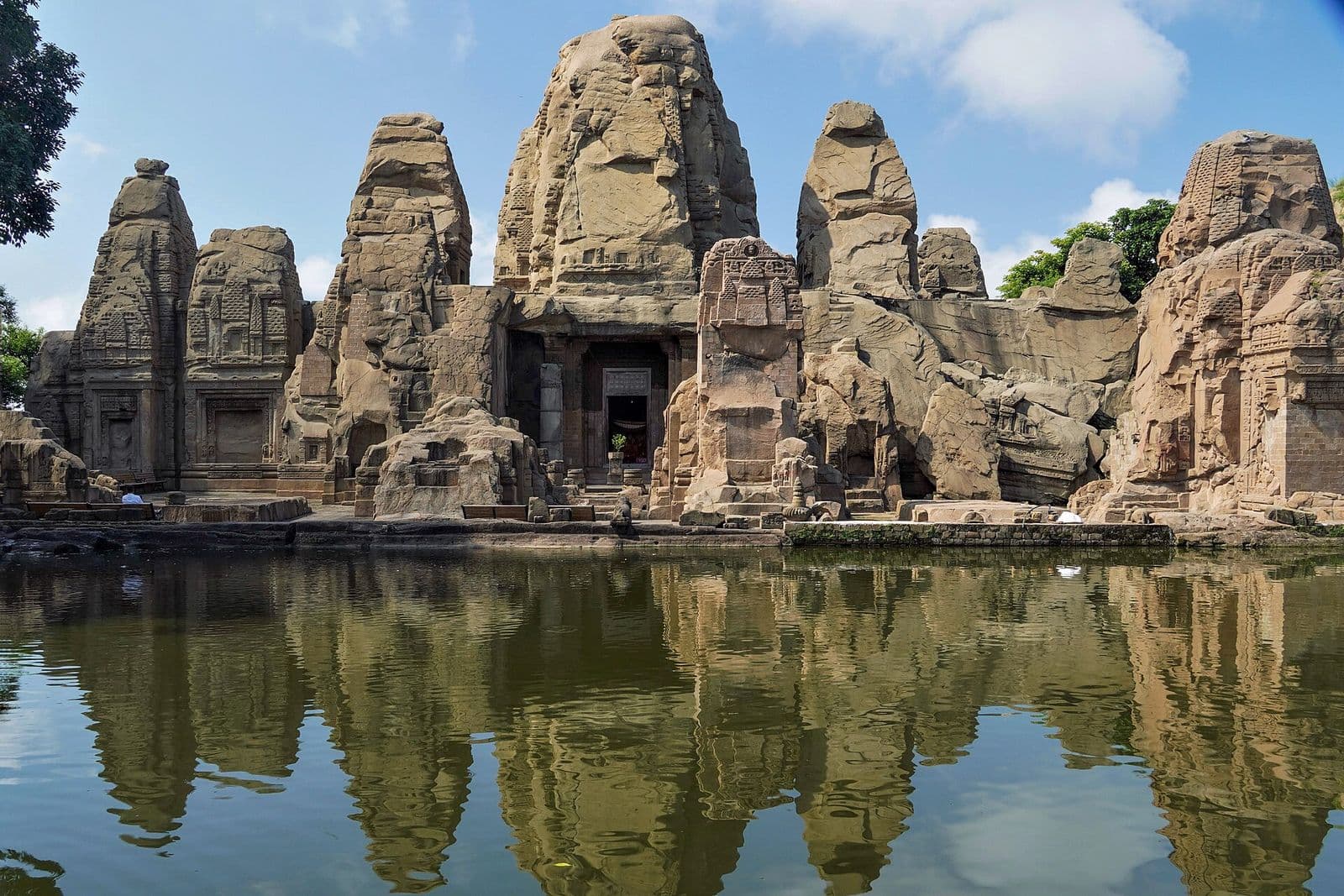
Short answer: The Masroor rock-cut temples are a group of 8th-century Hindu temples carved out of a single sandstone ridge at Masroor (Masrur) village in Kangra district, protected by the Archaeological Survey of India (ASI). They are about 40 to 45 km from Dharamshala, roughly 1.5 hours by taxi. Entry needs a small ASI ticket, sold online (listed from Rs 20); the ticket listing gives the hours as 6 am to 6 pm. Go early or late in the day, when the temples reflect in the tank in front.
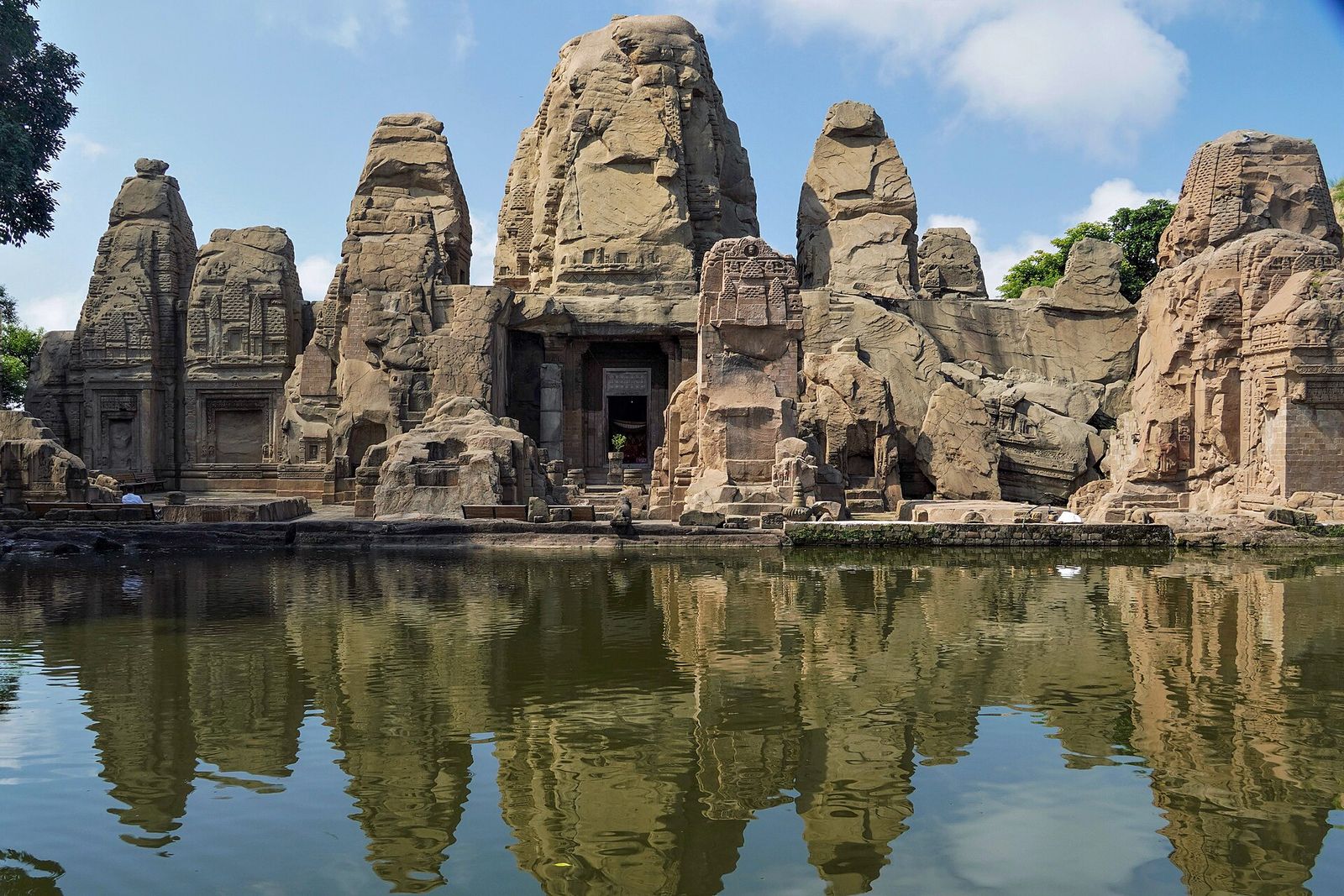
Masroor is one of the most unusual monuments in north India: not a temple built of stones, but a temple complex cut down into the living rock, with a big sacred pool at its feet. It is often called the "Himalayan pyramid" and compared with Ellora. This guide gives the facts we could check on 26 October 2026, and says clearly where the official information is missing.
Masroor rock cut temple: quick facts
| Question | Answer | Source / status |
|---|---|---|
| What | Monolithic rock-cut Hindu temples, Nagara style, main shrine to Shiva | Wikipedia (Masrur Temples) |
| Age | Early to mid 8th century CE | Michael Meister, cited by Wikipedia |
| Where | Masroor village, Kangra district, Himachal Pradesh. Coordinates 32°04′21″N 76°08′13″E | Wikipedia |
| From Dharamshala | About 40 to 45 km by road, about 1.5 hours | Our Kangra guides; Wikipedia gives about 45 km |
| From McLeod Ganj | Add about 9 km for the road down to Dharamshala | Our Dharamshala facts page |
| From Kangra town | About 32 to 40 km (sources differ) | Wikipedia; tourism listings |
| Protected by | Archaeological Survey of India; Masrur is on the ASI list of ticketed monuments | UNI, 9 September 2026 |
| Timings | 6 am to 6 pm on the online ticket listing | District ticket listing (organiser ASI); not on an ASI page we could read |
| Entry fee | Listed from Rs 20; higher for foreign visitors | District ticket listing; foreigner rate not confirmed officially |
| How to pay | Online ticket; keep mobile data on | Visitor reviews on the ticket listing |
| Time needed | About 1 hour | Our Kangra guide |
| Nearest railway station | Nagrota Surian (Kangra Valley narrow-gauge line) | Wikipedia |
| Nearest airport | Kangra Airport, Gaggal | Wikipedia |
What is the Masroor rock cut temple?
It is a temple complex carved from one sandstone outcrop, front to back and top to bottom. The builders cut away the rock around the shrines and hollowed out the sanctums, so the spires (shikharas) are part of the hill itself.
- Date: the art historian Michael Meister dates it to the first half of the 8th century, and the spire styles point to around the mid 8th century (Wikipedia).
- Style: north Indian Nagara architecture, in the latina form, laid out to a symmetrical plan with the main shrine ringed by smaller spires.
- Deities: the central sanctum holds a four-faced Shiva; carvings also show Vishnu, Devi and Surya.
- Never finished: large parts of the plan were never completed.
- Earthquake damage: the great Kangra earthquake of 1905 brought down the eastern mandapa, the portico and parts of the roof, but the monolith stayed standing (Wikipedia).
Exactly who commissioned the temples is not settled in the sources we read, so treat confident "built by" claims on other websites with care.
What are the Masroor temple timings and entry fee?
Hours: the online ticket listing (organiser ASI) gives 6 am to 6 pm, entry from 6 am. Other travel sites give slightly different hours. We could not find the timings on an official ASI page on 26 October 2026, so arrive by late afternoon to be safe.
Ticket: the same listing shows tickets from Rs 20, and says a ticket is needed for all ages. Visitors report paying a small fee as Indian citizens and a much higher one as foreigners; we have not seen the official foreigner rate.
How to buy: visitor reviews on the ticket listing say tickets can only be bought online, so buy before you arrive or keep mobile data on at the gate. If you cannot pay online (for example with a foreign card), ask the staff at the gate for help.
Fees may change. On 8 September 2026 the Ministry of Culture published draft rules revising the list of ticketed ASI monuments; Masrur and Kangra Fort are both in "Category B" of the draft (UNI, 9 September 2026). The rules take effect only when finally notified, and the news report did not give fee amounts.
How do I reach Masroor from Dharamshala and McLeod Ganj?
By taxi is easiest. Masroor is in the low hills west of Kangra town. CPREEC describes it as 32 km from Kangra on the Nagrota Surian link road.
| From | Distance (approx.) | Time | How |
|---|---|---|---|
| Dharamshala (Kotwali Bazaar) | 40 to 45 km | About 1.5 hours | Taxi |
| McLeod Ganj | About 50 to 55 km (adds the 9 km road down to Dharamshala) | Allow about 2 hours | Taxi |
| Kangra Fort | 30 to 35 km | 1 to 1.25 hours | Taxi |
| Nagrota Surian railway station | Nearest station (Wikipedia) | Check locally | Kangra Valley toy train, which has had landslide closures |
By bus: local buses run to the area from Kangra, but we have not checked a reliable timetable, and a taxi lets you add Kangra Fort the same day.
For a fixed price, book the Dharamshala full-day sightseeing taxi or ask us for a custom Kangra day on the taxi page. Flying in? A Gaggal airport taxi gets you to your hotel first.
When is the best time to visit Masroor?
October to March, early morning or late afternoon. The site is low (Wikipedia gives about 760 m), so summer middays are hot on the bare rock.
- Light: the temples face east over the tank, so the morning sun falls on the carved front. Late afternoon gives softer light and long shadows.
- Reflections: the classic photo is the temples mirrored in the tank. It works best on a calm, windless day.
- Views: on clear winter days you can see the snowy Dhauladhar from the upper level of the rock.
- Monsoon (July to September): green and moody, but slippery steps and hazy views.
What is the tank at Masroor?
In front of the temples, on the east side, is a rectangular sacred pool about 25 by 50 metres, thought to be as old as the temples (Wikipedia). It is the reason for the famous mirror photos. It is a sacred tank, not a swimming pool: do not wade, wash or throw anything in.
Can I take photos at Masroor?
Yes, photography for personal use is normal here, and the site is popular with photographers. Things to respect:
- Drones: do not fly one without written permission; ask the ASI staff on site first.
- Sanctum etiquette: the central shrine is still revered. Take off your shoes where asked and ask before photographing anyone at prayer.
- Do not climb on carved surfaces or broken sculpture, even where the rock looks solid.
- Commercial shoots: ask the ASI for permission before you bring a crew or film for a client.
Is there food and toilets at Masroor?
Keep expectations low. Masroor is a village, not a tourist town. We have not checked what is open at the site, so carry water and snacks, and plan lunch in Kangra town or on your way back. Use the toilets at your lunch stop.
How do I combine Masroor with Kangra Fort and Pong Dam?
Masroor fits best into a Kangra Valley day:
| Plan | Route | Good for |
|---|---|---|
| Classic Kangra day | Kangra Fort and Brajeshwari Devi in the morning, lunch in Kangra, Masroor in the afternoon | First-time visitors |
| Winter birds and temples | Pong Dam at dawn for migratory birds, then Masroor | Bird lovers, November to March |
| Slow day | Masroor in the morning light, back via Kangra Fort | Photographers |
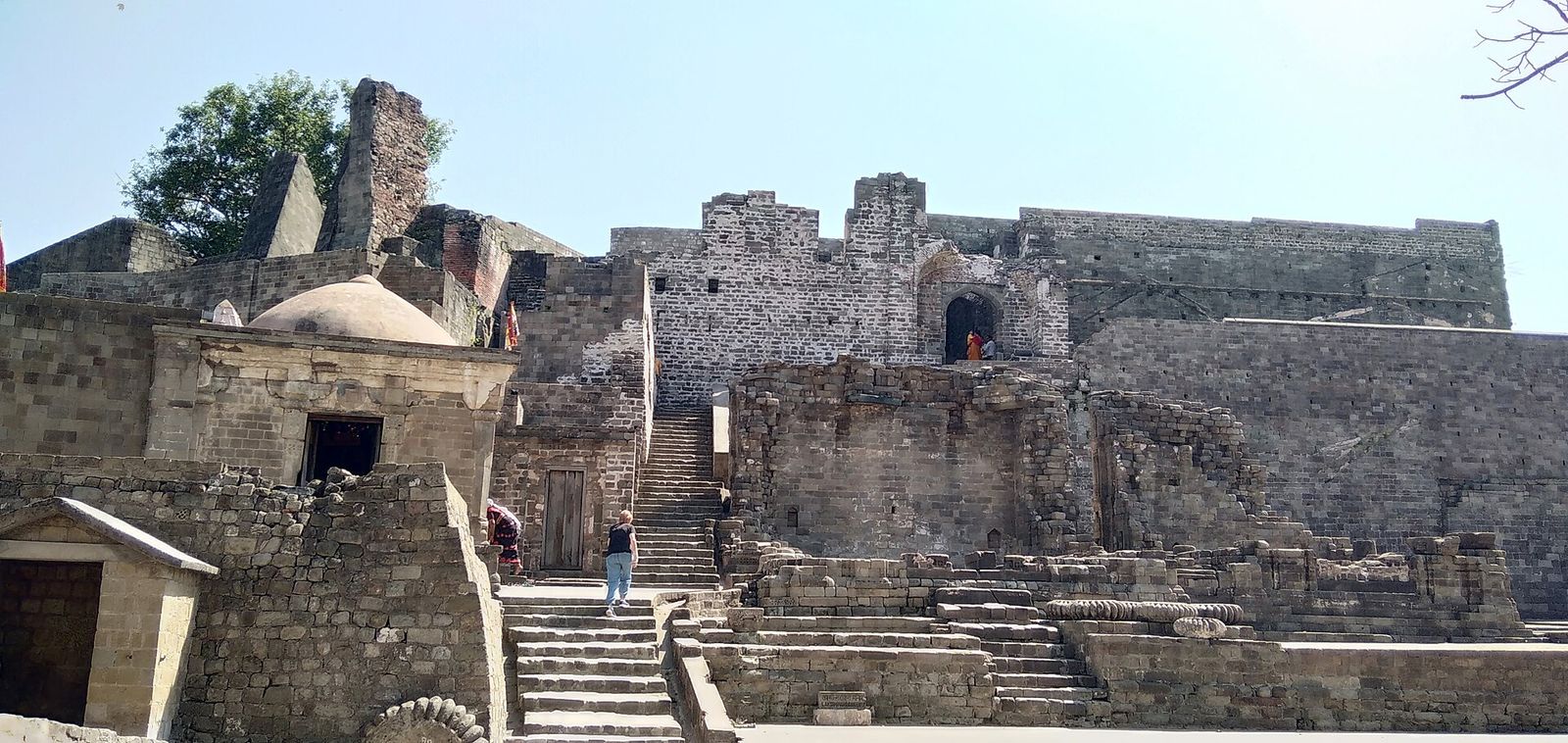
Read our places to visit in Kangra guide for Kangra Fort, Brajeshwari and the one-day loop, the Pong Dam bird sanctuary guide for the winter birds, and the Kangra devi temples guide if you also want Jwalamukhi or Chamunda. For a longer trip, our five-day Kangra Valley itinerary builds Masroor in.
Where should I stay to visit Masroor?
Most visitors do Masroor as a day trip from Dharamshala or McLeod Ganj, where you have the most hotels and taxis. Lower Dharamshala saves the 9 km drive down from McLeod Ganj each way. Browse hotels in Dharamshala and McLeod Ganj or read where to stay in Dharamshala.
What is confirmed and what is not (26 October 2026)
| Detail | Status |
|---|---|
| 8th-century monolithic temples, damaged in the 1905 earthquake | Confirmed by published scholarship (via Wikipedia) |
| ASI ticketed monument | Confirmed (draft ASI list, UNI, 9 September 2026) |
| Hours 6 am to 6 pm and ticket from Rs 20 | Online ticket listing; not found on an ASI page |
| Foreigner ticket price | Not confirmed |
| Fees after the 2026 draft rules | Not announced |
| Food and toilets at the site | Not checked |
Frequently Asked Questions
What are the Masroor rock cut temple timings?
What is the entry fee for Masroor temple?
How far is Masroor temple from Dharamshala?
How old are the Masroor rock cut temples?
What is the best time to visit Masroor?
Can I combine Masroor with Kangra Fort and Pong Dam?
More answers on our Dharamshala travel Q&A page.
Where to stay: see our picks of the best hotels in Dharamshala and the best hotels in McLeod Ganj, or compare all hotels and homestays with direct rates.
Need Help Planning Your Dharamshala Trip?
Our local team can help with hotels, treks, taxis, and custom itineraries.
Sources
Checked 2026-10-26. Facts change; confirm on the official pages before you travel.
- Masrur Temples: date, architecture, 1905 earthquake, tank, location (Wikipedia; checked 26 October 2026)
- Centre proposes revised list of ticketed ASI monuments: 30 in Category A, 136 in Category B (UNI, 9 September 2026)
- Rock-cut Temples and Sculptures, Masrar: tickets and hours, organiser Archaeological Survey of India (District; checked 26 October 2026)
- Masrur Rock Cut Temples: 32 km from Kangra on the Nagrota Surian link road (CPREEC Eco-Heritage; checked 26 October 2026)
Related Guides
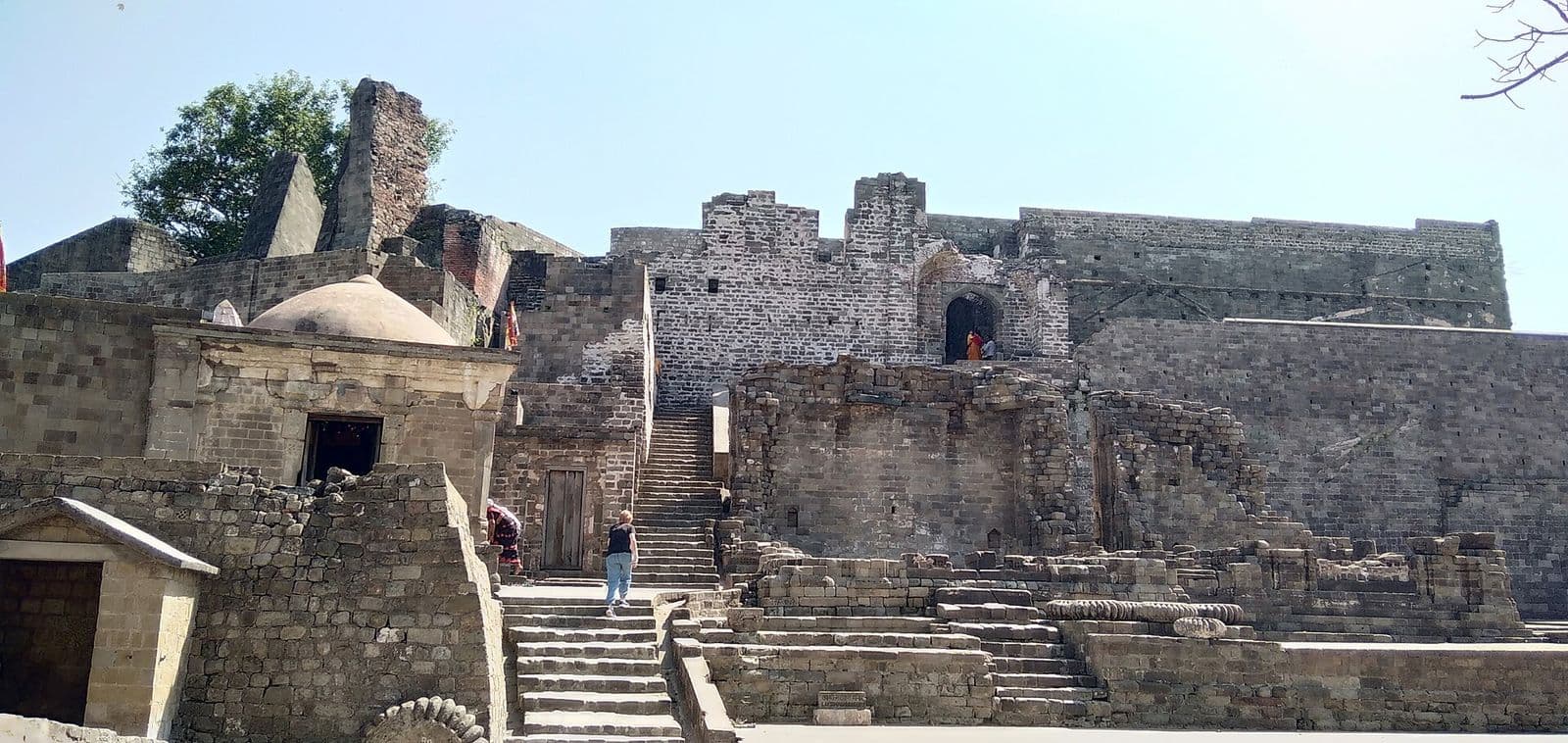
Places to Visit in Kangra (2026): Fort, Temples, Masroor and a 1-Day Loop
Kangra Fort, Brajeshwari Devi, the Masroor rock-cut temples, Chamunda, Jwalamukhi, Baijnath and Pong Dam, with distances from Dharamshala, timings, entry fees and a practical one-day Kangra loop.
Pong Dam Bird Sanctuary Guide 2026: Migratory Birds, Best Spots & Day Trip
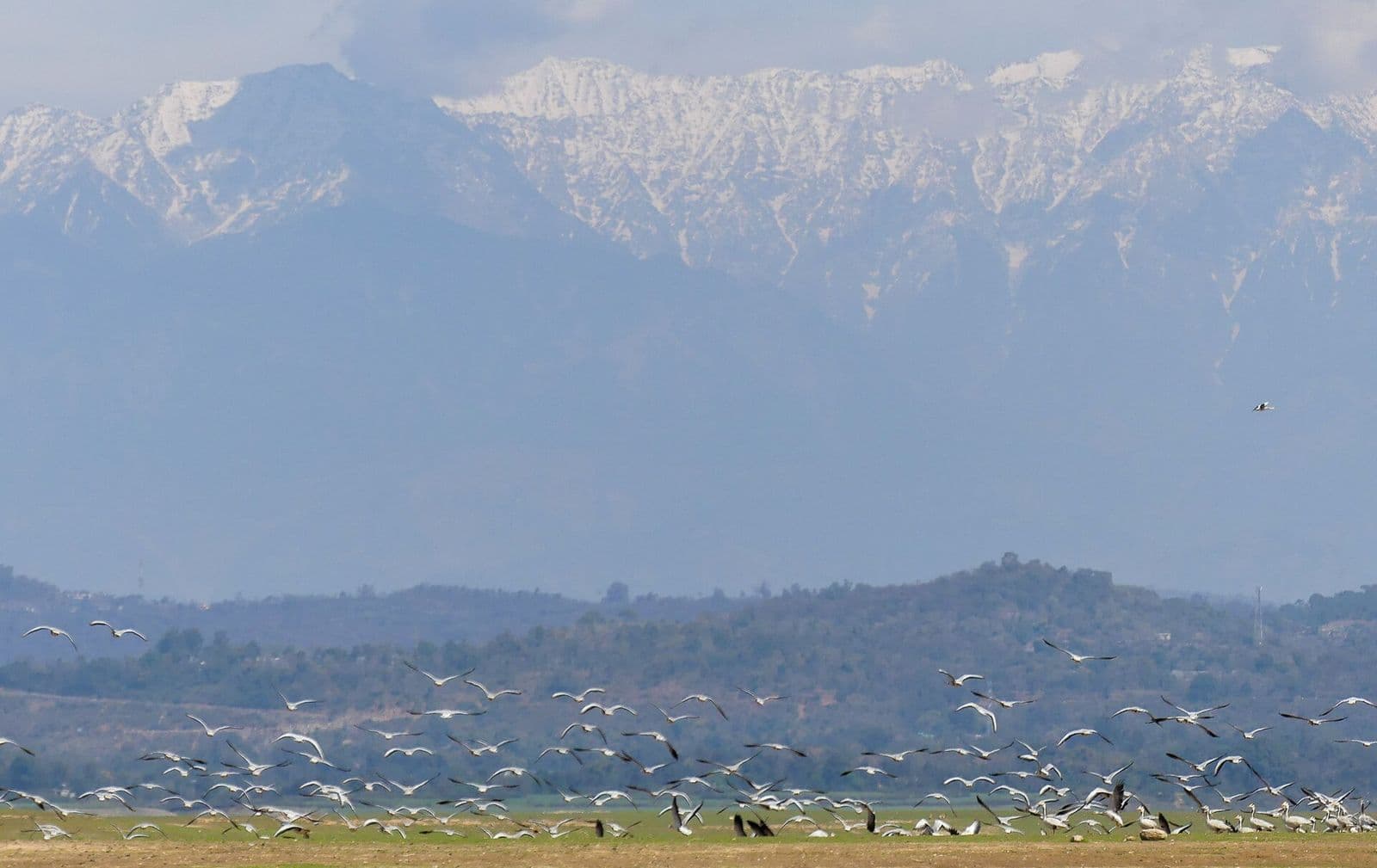
Everything you need to visit Pong Dam (Maharana Pratap Sagar) from Dharamshala: when the migratory birds arrive, species to look for, the best viewing spots, Ransar island, permits and a day-trip plan.
Kangra Devi Temples & Shaktipeeth Yatra from Dharamshala (2026-27): Chamunda, Brajeshwari, Jwalamukhi, Chintpurni & Naina Devi
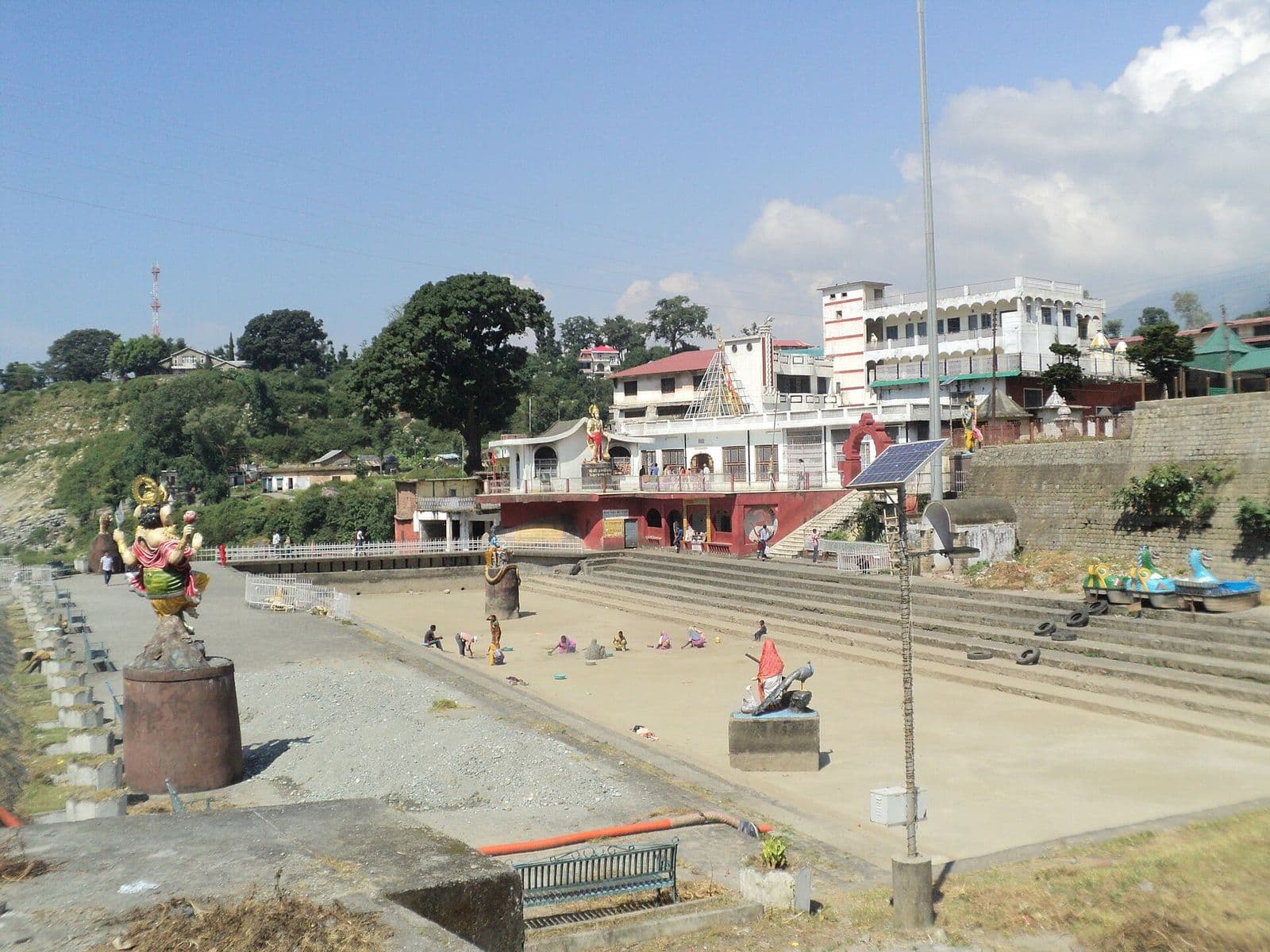
The definitive Shaktipeeth yatra from Dharamshala: Chamunda Devi, Brajeshwari (Kangra Devi), Kangra Fort and Jwalamukhi in one day, Chintpurni and Naina Devi on a second day. Temple-by-temple distances, darshan and aarti timings from official sources, dress and darshan-slip rules, crowd days, Navratri 2027 dates and our fixed ₹6,000 temple taxi.
5-Day Kangra Valley Itinerary: McLeod Ganj, Triund, Kangra, Palampur and Bir (2026)
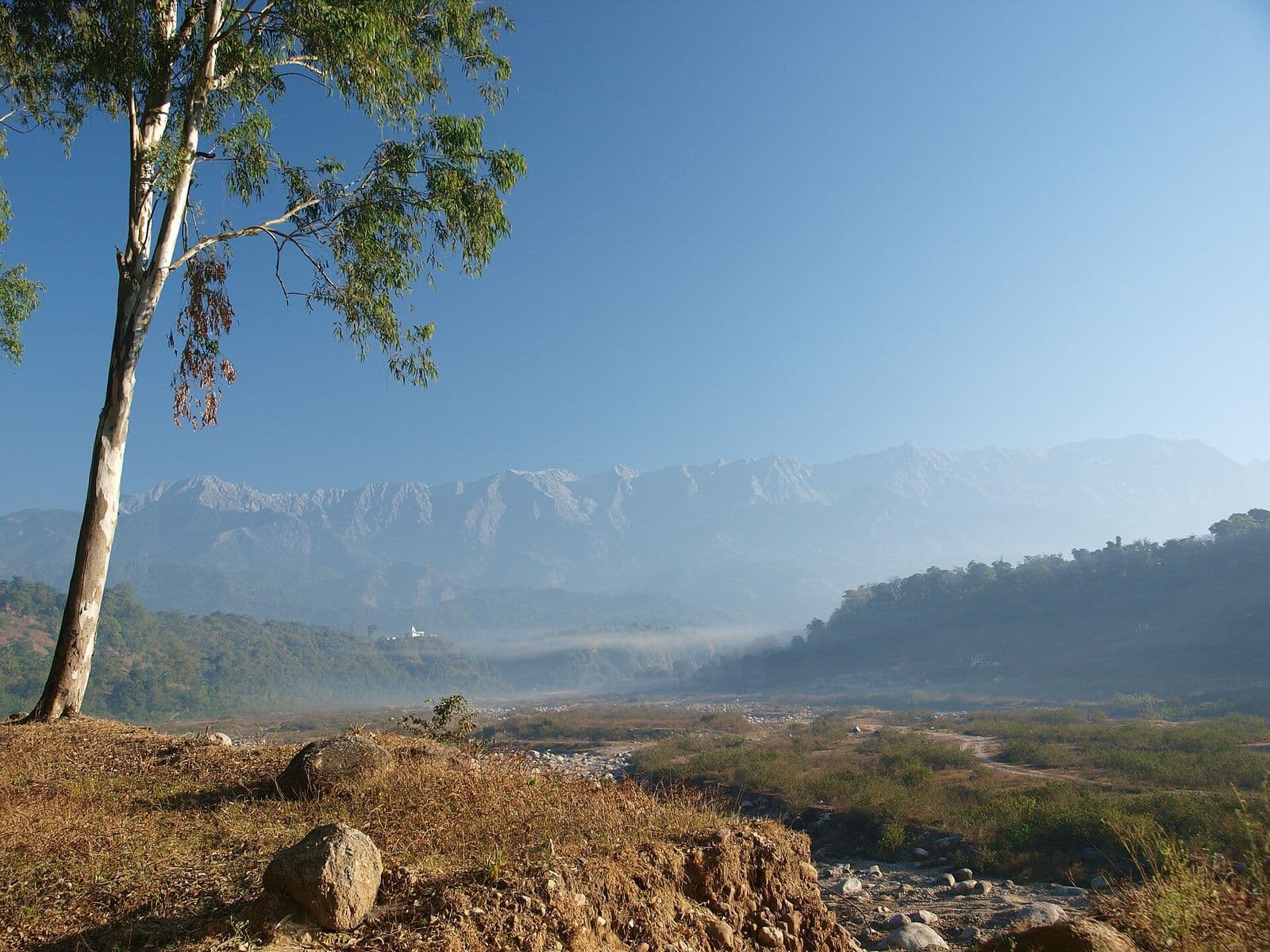
A practical five-day Kangra Valley itinerary covering McLeod Ganj, the Triund trek, Norbulingka, Kangra Fort and Masroor, Palampur and Baijnath, and Bir Billing, with driving times, where to base yourself and winter and monsoon variants.