Pong Dam Bird Sanctuary Guide 2026: Migratory Birds, Best Spots & Day Trip
Everything you need to visit Pong Dam (Maharana Pratap Sagar) from Dharamshala: when the migratory birds arrive, species to look for, the best viewing spots, Ransar island, permits and a day-trip plan.
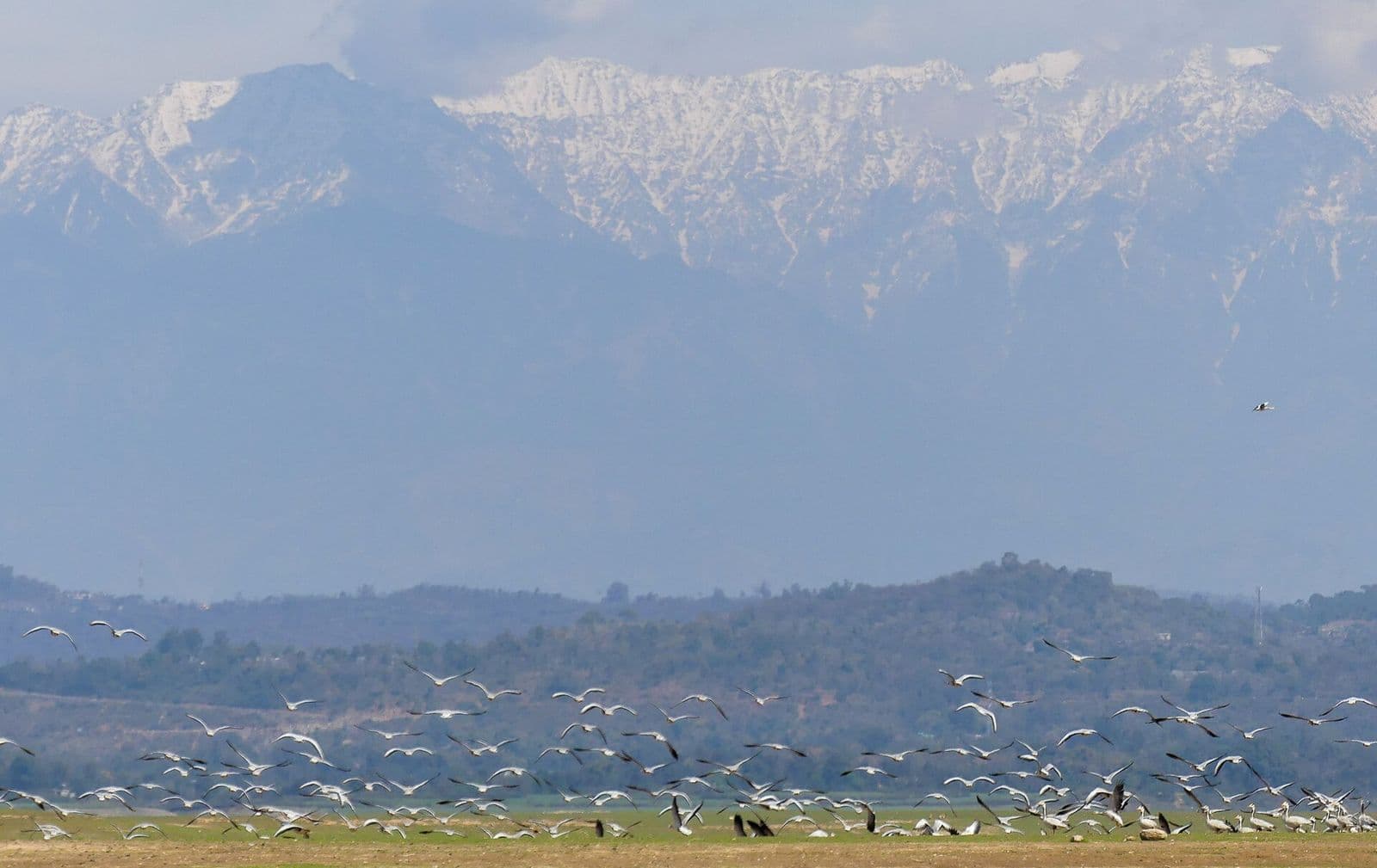
Pong Dam Lake, officially Maharana Pratap Sagar, is a huge reservoir on the Beas river in Kangra district and one of North India's most important wetlands for wintering birds. It is a Ramsar site (since 2002) and a wildlife sanctuary, and in a good winter it hosts well over a lakh (100,000+) waterbirds, led by thousands of bar-headed geese that fly over the Himalaya from Central Asia and Tibet.
From Dharamshala the nearest good birding shores are about 55–65 km (1.5–2 hours) away, so it is an easy day trip. The season that matters is November to March, with the peak in December–February. Outside that window you will see a beautiful lake but far fewer birds. This guide covers when to go, where to stand, what you will see, permits, boats, Ransar island and a realistic day plan. Prices and times are approx. as of 2026.
Quick Facts
| Official name | Maharana Pratap Sagar (Pong Reservoir) |
| River | Beas |
| Dam built | 1975 (one of India's highest earth-fill dams) |
| Lake area | approx. 240 sq km at normal level; larger when full |
| Status | Wildlife Sanctuary; Ramsar wetland since 2002 |
| Bird species recorded | 220+ |
| Peak bird season | December–February (season roughly November–March) |
| From Dharamshala | approx. 55–65 km to Nagrota Surian / Dhameta shores; 1.5–2 hrs |
| Managed by | Himachal Pradesh Forest Department (Wildlife Wing) |
| Entry | Open shorelines; permission needed for boats, rest houses and restricted zones |
When to Go
| Month | What you will see |
|---|---|
| October | First arrivals; ducks start trickling in, resident birds on the water |
| November | Numbers build fast; bar-headed geese arrive |
| December–February | Peak numbers and variety; best time for photography |
| March | Birds begin leaving; still good early in the month |
| April–June | Few migrants; low water exposes the submerged Bathu ki Ladi temples |
| July–September | Monsoon; lake fills, roads muddy, birding poor |
Best time of day: the first two hours after sunrise and the last two before sunset. Winter mornings often have fog over the water until 9 or 10 am, which is atmospheric but hard for photography. Plan to stay through late morning.
The Forest Department usually conducts an annual waterbird census in late January or early February, and recent counts have regularly crossed one lakh birds. In the winter of 2020–21 an avian influenza outbreak killed several thousand birds, mostly bar-headed geese, and the area was temporarily closed. If there is any such health advisory when you plan your trip, follow the closures.
Birds You Can See
Winter migrants
- Bar-headed goose: the star. Large flocks graze on the exposed shores and fly in formations at dawn and dusk.
- Northern pintail, common teal, Eurasian wigeon, gadwall, northern shoveler, common pochard, tufted duck
- Ruddy shelduck (Brahminy duck), often in pairs along the edges
- Great cormorant, in large numbers
- Great crested grebe, black-necked grebe on open water
- Northern lapwing, sandpipers, redshanks and other waders on mudflats
- Gulls and terns, including brown-headed and black-headed gulls
Residents and specials
- Red-wattled lapwing, river lapwing, black-winged stilt
- Painted stork, woolly-necked stork in some years
- Osprey, marsh harrier, Pallas's fish eagle (rare) and other raptors over the water
- Kingfishers (pied, white-throated, common)
- Sarus crane has been reported occasionally; treat it as a bonus
A good pair of binoculars matters more than a big lens. If you have a spotting scope, bring it; many flocks sit far out.
Best Viewing Spots
The lake is long and irregular, so where you go shapes your day. These are the spots most birders use; check current access with local forest staff.
| Spot | Distance from Dharamshala (approx.) | Why go |
|---|---|---|
| Nagrota Surian | 55–60 km | Good shoreline access, Forest Department presence, often big goose flocks |
| Dhameta | 60–65 km | Wide views and waterfowl; near Fatehpur side |
| Guglara and nearby shores | 60–65 km | Mudflats with waders and ducks in mid-winter |
| Sansarpur Terrace | 85–90 km | Higher ground near the dam end; wide panoramas |
| Pong Dam wall (Talwara side) | 95–110 km | The dam itself and lake views; less about birds |
| Ransar island | Boat access | Forest island with rest house; quiet and scenic |
Tip: water levels decide where the birds are. In a high-water year birds crowd into fewer shallow bays; in a low-water year they spread across big mudflats. Ask a local or forest guard on the morning you arrive where the flocks were the previous day.
Ransar Island
Ransar (often spelled Ransar or Rancer; named after the Ramsar Convention) is a forested island developed by the Forest Department for nature education, with a forest rest house. Getting there needs a boat, and boat use inside the sanctuary is regulated.
- Access, boat availability and rest-house booking are through the Forest Department (Wildlife Wing), typically via its Pong Dam / Dhameta range offices. Arrangements and charges change, so contact them in advance and check locally.
- Do not hire private boats to approach bird flocks. Disturbance makes the birds flush and wastes their energy reserves in winter.
Permits and Rules
- Shoreline birding: you can generally watch from public shores and roads without a special permit.
- Boats, island visits, rest houses and restricted zones: need permission from the Forest Department.
- Commercial photography or filming may require separate permission; check before you go.
- No feeding birds, no drones without authorisation, no loud music, no littering.
- Keep a distance from flocks; if birds start lifting heads or walking away, you are too close.
- Fishing in the reservoir is licensed and regulated by the Fisheries Department; it is not for casual visitors.
Water Sports: Current Status
Pong has a long history of water sports interest, and the state has at various times run training and events such as rowing, canoeing and sailing on the reservoir. However, as of 2026 there is no reliable, regular tourist water-sports operation we can confirm, and activities in the sanctuary are restricted, especially in the winter bird season. Some proposals for tourism development have been announced over the years. If water sports are important to you, check locally with Himachal Tourism or the district administration before planning around them. For adventure in this region, paragliding at Bir Billing is the reliable option.
Bathu ki Ladi: The Submerged Temples
When the water level drops (roughly March to June), a cluster of old stone temples known as Bathu ki Ladi emerges from the lake near the Jawali side. For the rest of the year they are partly or fully submerged. They make a good add-on in spring; in the peak bird season they are usually underwater. Reach them with a local driver; the last stretch can involve a short walk or a boat depending on water level.
Day-Trip Plan from Dharamshala
- 6:00 am: leave Dharamshala or McLeod Ganj. Carry breakfast; there is little open early on the shores.
- 7:45 am: reach Nagrota Surian. Walk the shore, scan for geese and ducks, wait for the fog to lift.
- 10:30 am: drive to Dhameta or Guglara for a second shoreline.
- 1:00 pm: lunch at a dhaba in Nagrota Surian, Jawali or Dehra.
- 2:30 pm: optional drive towards Sansarpur Terrace for the wider view, or return to the morning spot for afternoon light.
- 5:00 pm: sunset flights of geese; leave by dusk. Back in Dharamshala around 7 pm.
A sedan taxi for this day costs approx. ₹3,500–5,000 as of 2026 depending on how many shores you cover. You can book a taxi with us. Combine the trip with the Masroor rock-cut temples (on the way via the Nagrota Surian side) or with Kangra Fort if you have a spare afternoon; our Kangra devi temples guide covers Jwalamukhi, which is also nearby.
What to Carry
- Binoculars (8x42 or 10x42 are ideal) and a field guide or bird app
- Warm layers: winter mornings by the water are cold and damp
- Neutral-coloured clothes, a hat, sunscreen
- Water and snacks; facilities are limited on the shores
- Cash; card acceptance is limited in villages
- Power bank; mobile network is generally available but variable on remote shores
Where to Stay
Most visitors stay in Dharamshala or McLeod Ganj and do Pong as a day trip. For dawn birding, staying nearer helps: there are Forest Department rest houses (on approval), HPTDC-type government options in the wider area, and simple guesthouses in Dehra, Jawali and around Nagrota Surian. Check current availability locally. For comfortable bases, see our hotels page and the Dharamshala destination guide.
Photography Tips
- Lens: a 300–600 mm equivalent lens is ideal for ducks and geese, which often sit far from shore. A 100–400 mm zoom is the practical minimum.
- Light: low winter sun gives warm side light for an hour after sunrise and before sunset. Midday light on the water is harsh.
- Fog: do not leave if the morning starts foggy. When it lifts around 9–10 am, flocks that were invisible appear suddenly.
- Flight shots: bar-headed geese lift off in formations when disturbed by raptors or boats; keep a fast shutter speed (1/2000 s or quicker) ready.
- Ethics: never flush birds for a flight shot, never use playback calls, and keep to the shoreline rather than walking out across mudflats.
Pong Dam vs Other Birding Near Dharamshala
| Place | Habitat | Best season | What you see |
|---|---|---|---|
| Pong Dam | Large reservoir and mudflats | November–March | Huge numbers of ducks, geese, waders and raptors |
| McLeod Ganj and Dharamkot forests | Oak and rhododendron forest | March–May, October–November | Himalayan forest birds: barbets, laughingthrushes, minivets, woodpeckers |
| Triund and above | High forest and alpine meadow | April–June | Lammergeier, Himalayan griffon, monals in some areas |
| Bir and Billing | Forest and open slopes | March–May | Raptors on thermals, forest birds |
Many serious birders combine one Pong Dam day with a morning forest walk above McLeod Ganj or on the easy hikes near McLeod Ganj, giving two very different species lists in one trip.
Getting There
- Taxi: the simplest option for a full birding day with multiple stops.
- Self-drive: roads to Nagrota Surian and Dhameta are mostly good two-lane district roads; the final approach to shores can be rough village tracks.
- Bus: HRTC buses connect Dharamshala and Kangra with Nagrota Surian, Jawali and Dehra, but you will still need to walk or hire locally to reach shorelines. Fine for a relaxed visit, not for dawn birding.
Who Should Go
- Birders and photographers: an essential winter trip.
- Families: good if children enjoy wildlife; keep the day short and bring snacks.
- Casual sightseers: in summer or monsoon, expect a large lake with modest bird life.
If you are planning a wider winter trip, read Dharamshala in winter and our 5-day Kangra Valley itinerary. More general answers are in our FAQ.
Frequently Asked Questions
When is the best time to see birds at Pong Dam?
How far is Pong Dam from Dharamshala?
Do I need a permit to visit Pong Dam bird sanctuary?
Are water sports available at Pong Dam?
Which birds are found at Pong Dam?
More answers on our Dharamshala travel Q&A page.
Need Help Planning Your Dharamshala Trip?
Our local team can help with hotels, treks, taxis, and custom itineraries.
Related Guides
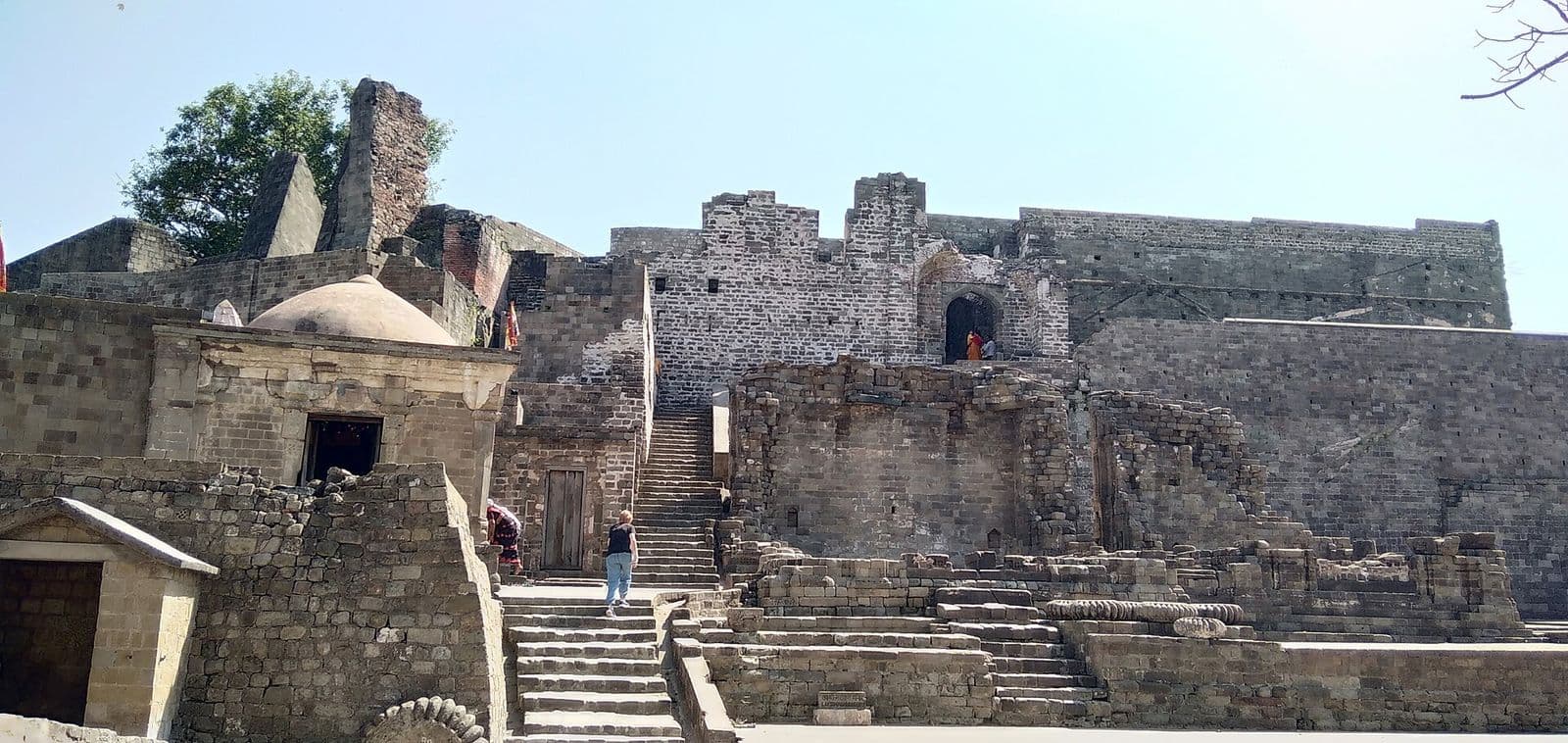
Places to Visit in Kangra (2026): Fort, Temples, Masroor and a 1-Day Loop
Kangra Fort, Brajeshwari Devi, the Masroor rock-cut temples, Chamunda, Jwalamukhi, Baijnath and Pong Dam, with distances from Dharamshala, timings, entry fees and a practical one-day Kangra loop.
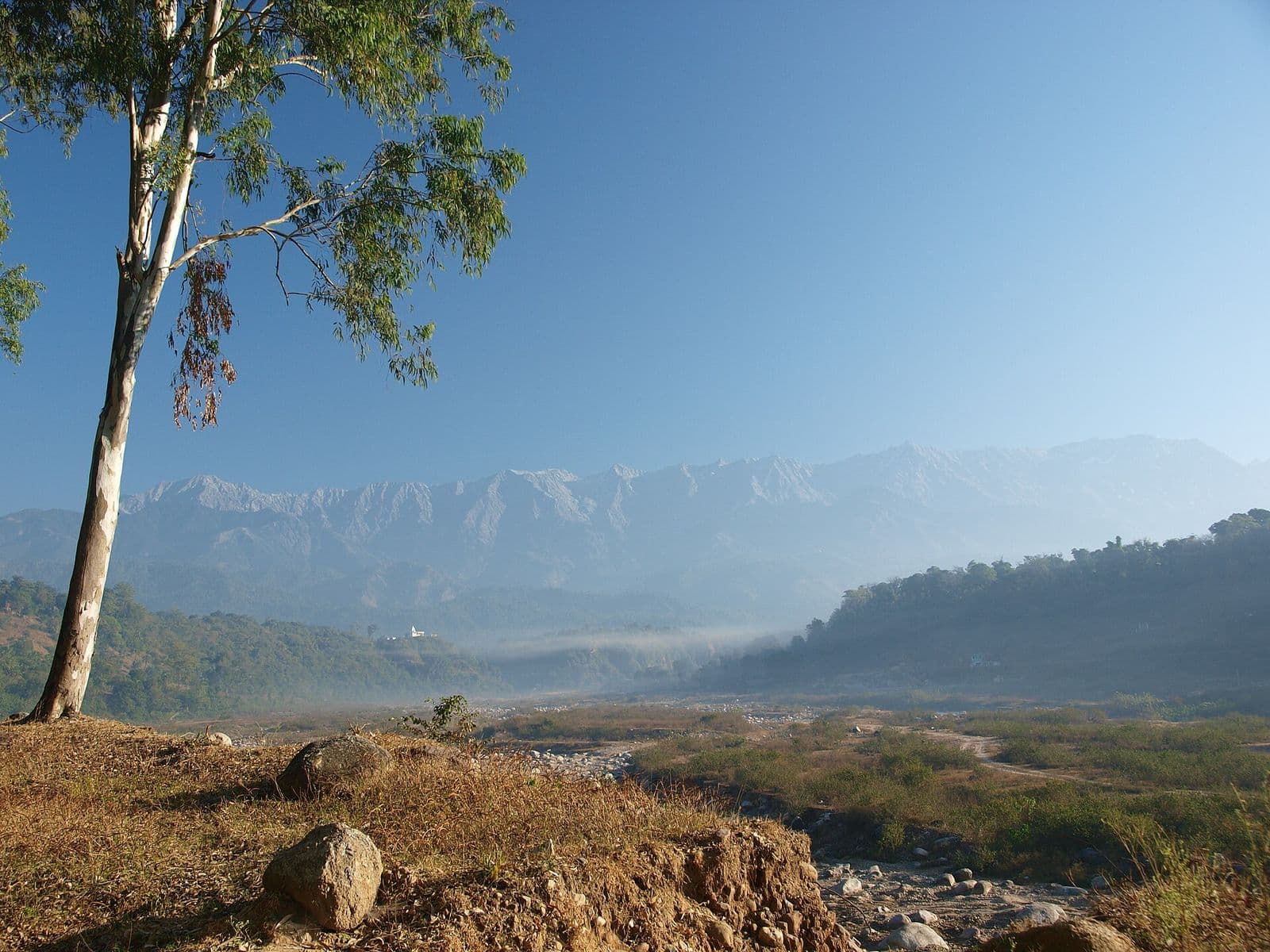
5-Day Kangra Valley Itinerary: McLeod Ganj, Triund, Kangra, Palampur and Bir (2026)
A practical five-day Kangra Valley itinerary covering McLeod Ganj, the Triund trek, Norbulingka, Kangra Fort and Masroor, Palampur and Baijnath, and Bir Billing, with driving times, where to base yourself and winter and monsoon variants.
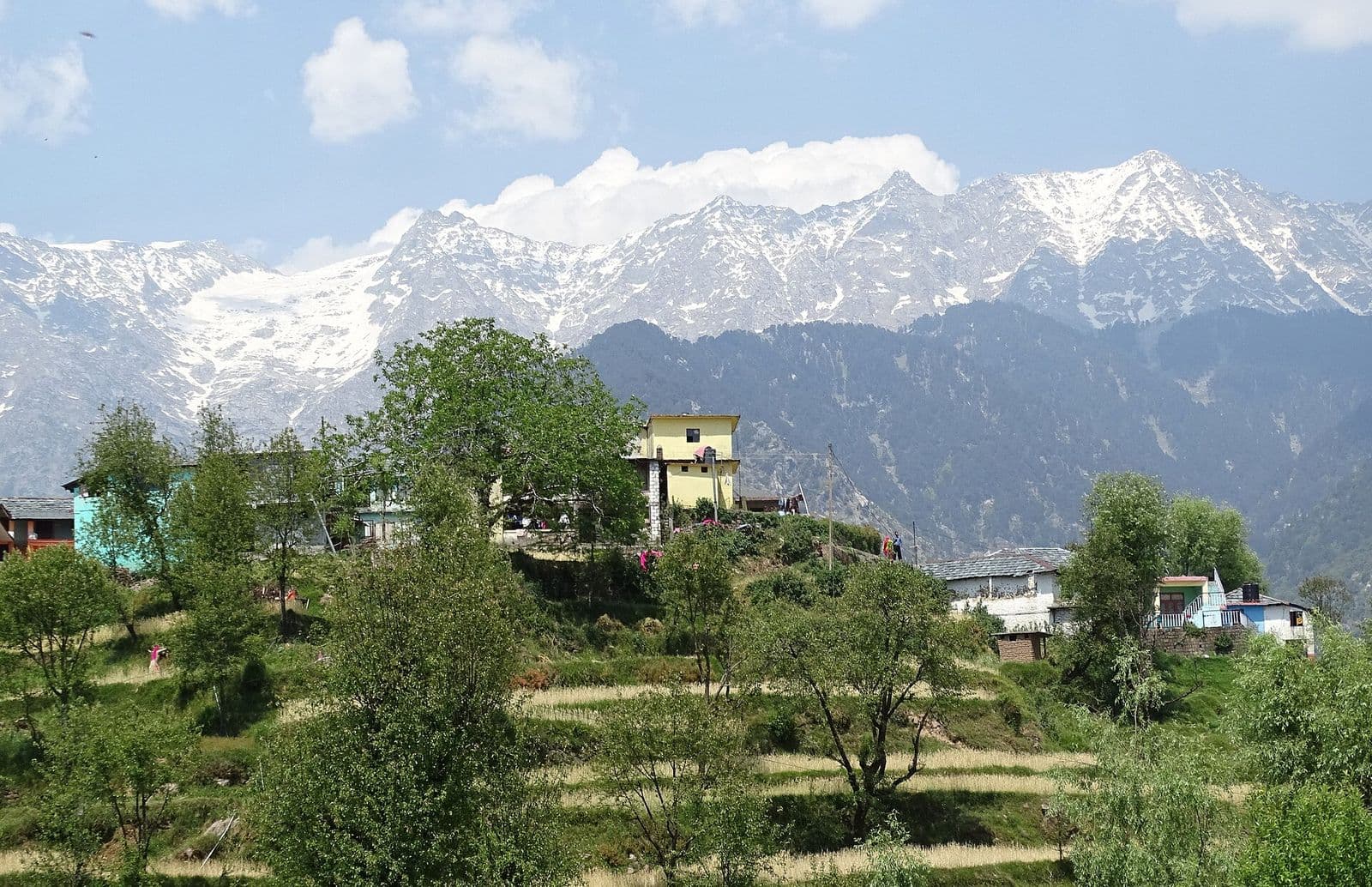
Dharamshala in Winter: When and Where It Snows, Month by Month (2026)
Does it snow in Dharamshala? Here is an honest local guide to snowfall in McLeod Ganj, Naddi, Triund and lower Dharamshala, plus road conditions, what stays open and how to pack.
Christmas & New Year in Dharamshala and McLeod Ganj: 2026 Guide
Planning Christmas or New Year in Dharamshala? Crowds, snow chances, prices and when to book, St John in the Wilderness, what is open for parties, traffic, weather and quieter alternatives.