Baijnath Temple 2026: Timings, History, How to Reach from Dharamshala
Baijnath temple is a Shiva temple built in 1204 CE, protected by the Archaeological Survey of India, about 50 km from Dharamshala and 16 km beyond Palampur. Timings, history and inscriptions, the Ravana legend and why Baijnath does not celebrate Dussehra, Mahashivratri, how to reach and a one-day plan with Chamunda, Palampur and Bir.
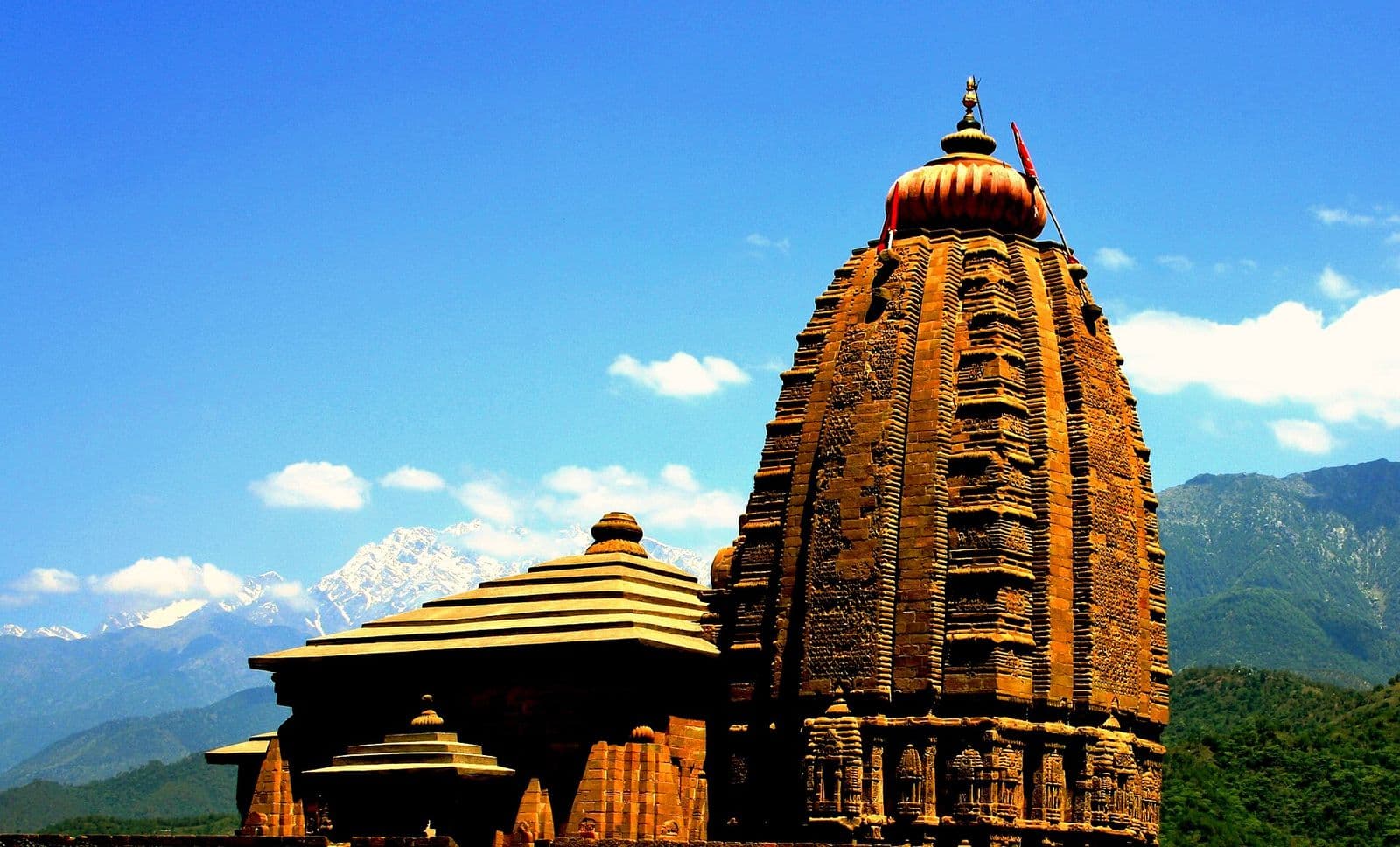
Short answer: Baijnath temple is a Shiva temple built in 1204 CE in Baijnath town, Kangra district, on the bank of the Binwa river. It is protected by the Archaeological Survey of India and still in daily worship. India's official tourism site lists it as open every day, 6 am to 9 pm. It is about 50 km from Dharamshala, 16 km beyond Palampur and 12 to 15 km before Bir, so it fits easily into a day with Chamunda, Palampur and Bir by taxi.
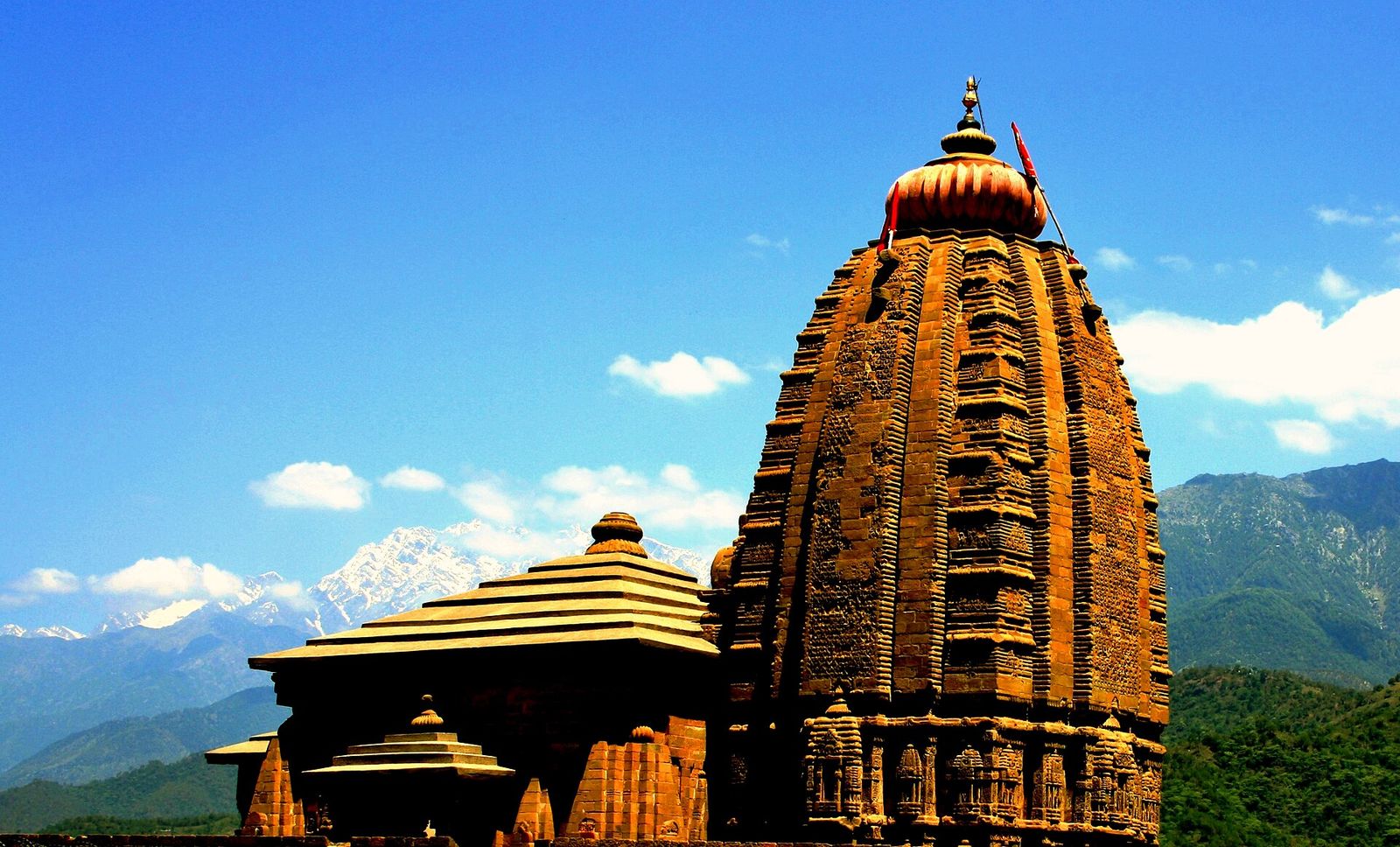
Here Shiva is worshipped as Vaidyanath, the "Lord of Physicians". The temple is one of the finest stone temples in Himachal Pradesh, and the town has an unusual custom: it does not celebrate Dussehra. Checked on 26 October 2026.
Baijnath Temple: Quick Facts
| Question | Answer | Source / status |
|---|---|---|
| Deity | Shiva as Vaidyanath, "Lord of Physicians" | Kangra district website |
| Built | 1204 CE, by two local merchants, Ahuka and Manyuka | Inscriptions; Kangra district website; Incredible India |
| Style | Nagara style, with a tall curved shikhara and a pillared mandapa | Kangra district website |
| Protection | Archaeological Survey of India (ASI) | Kangra district website; The Tribune |
| Timings | Open all days, 6 am to 9 pm | Incredible India (official tourism site) |
| Entry fee | None listed on the official tourism pages | Incredible India |
| Location | Baijnath town, Kangra district, on the Binwa river | Kangra district website |
| From Dharamshala | About 50 km, about 1.5 hours by road | Our Kangra guide; Wikipedia |
| From Palampur / Bir | 16 km from Palampur; 12 to 15 km to Bir | Our Palampur and Kangra Valley guides |
| Nearest station | Baijnath Paprola on the Kangra toy train | Kangra district website |
| Main festival | Mahashivratri (next expected 6 March 2027) | Panchang listing; confirm locally |
| Dussehra | Traditionally not celebrated in Baijnath | Kangra district website; ETV Bharat |
What are the Baijnath temple timings?
6 am to 9 pm, every day, according to Incredible India, the Government of India's tourism site. Other websites give slightly different hours, such as 6 am to 8 pm, and neither the Kangra district page nor the temple trust publishes a timetable we could find. If you are arriving late in the evening, ask locally first. Mornings are the calmest time; festival days, above all Mahashivratri, are the busiest.
Allow 45 minutes to 1 hour to see the temple and walk around the carved exterior walls. Dress modestly, leave your shoes at the entrance and ask before taking photos inside.
What is the history of Baijnath temple?
According to its inscriptions, the temple was built in 1204 CE by two local merchants, Ahuka and Manyuka, to house a Shiva lingam that was already worshipped on the site. Before the temple, the town was called Kiragrama.
- Inscriptions: two long inscriptions on the walls of the mandapa (hall) record the building of the temple. Wikipedia notes they are written in Sanskrit in the Sharada script, with local text in Takri, and refer to Kangra by its old name, Nagarkot.
- Architecture: a medieval North Indian Nagara temple, with a tall curved shikhara (spire), a pillared mandapa, smaller shrines and a Nandi facing the entrance porch. The outer walls carry fine carvings, including Ganesha and Harihara.
- Repairs: the Katoch ruler Sansar Chand had the temple restored in the late 18th century (Incredible India; Wikipedia). The great Kangra earthquake of 1905 caused damage that needed restoration.
- Today: the ASI looks after the structure. After heavy rain in 2025, The Tribune reported cracks in the retaining walls by the Binwa river and leaks in the roof (2 September 2025); the Baijnath SDM, who heads the temple trust, said there was no immediate threat and that the ASI would carry out repairs. We found no report of visitor restrictions.
You may see "9th century" on some websites and older guides. The dated inscriptions say 1204 CE; an earlier shrine may have stood on the site, but the temple you see is 13th century.
Why does Baijnath not celebrate Dussehra?
Because of Ravana. Local legend says Ravana worshipped Shiva and was carrying a lingam to Lanka on the condition that it never touch the ground. Near Baijnath he handed it to a shepherd, who set it down, and the lingam stayed fixed here. Out of respect for Ravana as a devotee of Shiva, Dussehra is traditionally not observed in Baijnath (Kangra district website).
What this means on the ground, as reported by ETV Bharat (28 September 2025):
- No effigies of Ravana, Kumbhkaran or Meghnad are burnt, and there is no Dussehra fair or fireworks in Baijnath.
- Residents tell stories of misfortune after young men burnt an effigy in the 1970s; this is local belief, and the accounts differ.
- The town also has no goldsmith shops, by another local belief; jewellers are in neighbouring Paprola.
If you want a Dussehra fair, go elsewhere in the valley; see our Dharamshala Dussehra guide and the melas and fairs of Kangra.
When is the Mahashivratri fair at Baijnath?
Mahashivratri is the big day at Baijnath, and the town has hosted a state-level Shivratri festival lasting several days, with cultural programmes from across Himachal (for example, a five-day festival from 17 to 21 February 2015, The Tribune). Monthly Shivratri, Makar Sankranti and Vaisakha Sankranti are also celebrated.
| Festival | When | Status |
|---|---|---|
| Mahashivratri | Next expected on Saturday 6 March 2027 | Panchang listing; temple and district dates not yet announced |
| State-level Shivratri festival | Around Mahashivratri, several days | 2027 dates not announced (26 Oct 2026) |
| Monthly Shivratri | Every lunar month | Regular worship |
| Makar Sankranti | Mid-January | Listed by Wikipedia |
Expect long queues and traffic on Mahashivratri. Book rooms in Palampur or Bir early if you plan to stay. Our festivals and events calendar will carry the 2027 dates once they are announced.
How do I reach Baijnath temple from Dharamshala?
Baijnath is about 50 km east of Dharamshala, on the main road to Mandi, roughly 1.5 hours by car. The temple is on the highway in town, so it is easy to stop at.
| Option | How | Time | Cost |
|---|---|---|---|
| Taxi | As a stop on the way to Bir, or a day trip with Palampur | About 1.5 hours one way | Dharamshala to Bir Billing ₹2,800 one way; Dharamshala to Palampur ₹2,600 (our fares, 26 Oct 2026) |
| Bus | Buses from Dharamshala bus stand towards Palampur, Baijnath and Mandi | Slower than a taxi; check at the bus stand | Check at the bus stand |
| Toy train | Kangra station to Baijnath Paprola, trains 52465 and 52467 | 2.5 to 3 hours from Kangra, plus a road transfer | Under ₹65 (Pathankot to Baijnath Paprola is ₹65) |
| From Gaggal airport | Taxi | A little less than the 2 to 2.5 hours to Bir | Ask when booking |
We do not have a fixed Baijnath-only fare. The simplest plan is a one-way taxi to Bir with a Baijnath stop, or a day booking from Dharamshala that covers your stops; a temple visit counts as a longer stop, so mention it when you book a taxi. On the toy train, check the running status first in our Kangra toy train guide; as of 26 October 2026, 4 of 7 train pairs are running.
Can I combine Baijnath with Chamunda, Palampur and Bir in one day?
Yes, they are all on the same road. A comfortable day by taxi from Dharamshala:
| Time | Stop | Distance |
|---|---|---|
| 8 am | Leave Dharamshala or McLeod Ganj | |
| 8.30 am | Chamunda Devi temple | About 15 km from Dharamshala |
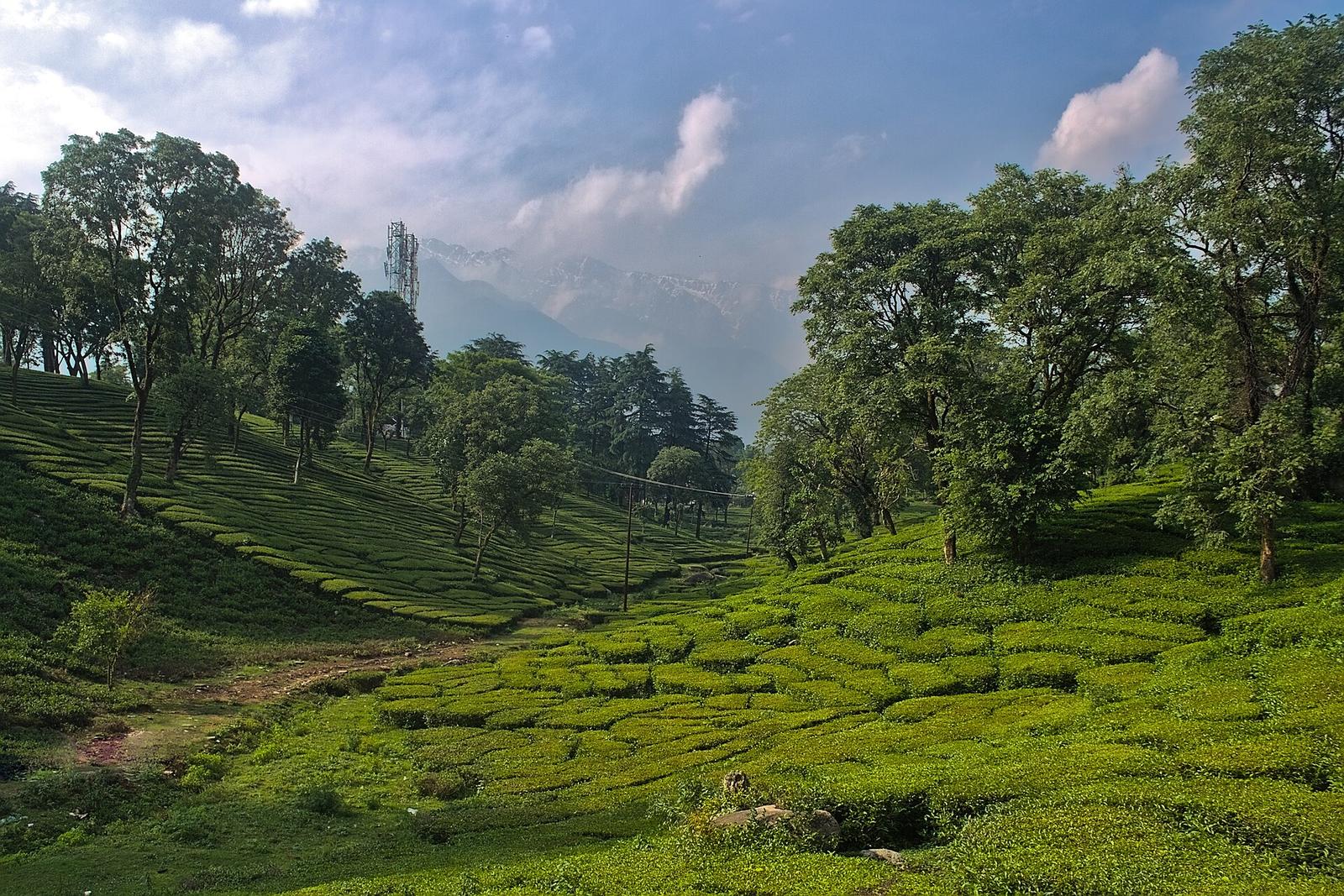
| 10.30 am | Palampur tea gardens and lunch (Palampur guide) | About 38 km from Dharamshala |
| 1.30 pm | Baijnath temple | 16 km beyond Palampur |
| 3 pm | Bir: Tibetan colony and watch the paragliders land (Bir travel guide) | 12 to 15 km from Baijnath |
| 5 pm | Drive back, or stay the night in Bir | About 70 km, 2 to 2.5 hours to Dharamshala |
If you want to fly, sleep in Bir and do your tandem flight the next morning: see Dharamshala to Bir Billing for the route and the paragliding page to book. For more temples on the Kangra side, read places to visit in Kangra.
Tips for visiting Baijnath temple
- Go in the morning for quiet and for the light on the carvings.
- Walk around the outside before you go in; the best sculpture is on the exterior walls.
- Remove shoes at the entrance and keep shoulders and knees covered.
- Carry small cash for offerings and parking.
- Do not plan a Dussehra visit expecting celebrations; the town keeps the day quiet.
- On Mahashivratri, arrive early or stay nearby; traffic builds through the day.
Where to stay near Baijnath
Most visitors base themselves in Palampur or Bir rather than Baijnath town. Browse hotels and homestays, or stay in Dharamshala or McLeod Ganj and make Baijnath a day trip. Our five-day Kangra Valley itinerary puts Palampur, Baijnath and Bir together on Day 4.
What is confirmed and what is not (26 October 2026)
| Detail | Status |
|---|---|
| Built 1204 CE by Ahuka and Manyuka; ASI protected | Confirmed: Kangra district website, Incredible India |
| Open all days 6 am to 9 pm | Incredible India; other sites differ, no temple trust timetable found |
| No Dussehra celebration | Kangra district website; ETV Bharat, 28 Sep 2025 |
| Mahashivratri 2027 on 6 March | Panchang listing; temple dates not announced |
| State-level Shivratri festival dates for 2027 | Not announced |
| Entry fee | None listed |
Frequently Asked Questions
What are the Baijnath temple timings?
How old is Baijnath temple and who built it?
Why is Dussehra not celebrated in Baijnath?
How far is Baijnath temple from Dharamshala?
Is there an entry fee for Baijnath temple?
When is the Mahashivratri fair at Baijnath?
More answers on our Dharamshala travel Q&A page.
Where to stay: see our picks of the best hotels in Dharamshala and the best hotels in McLeod Ganj, or compare all hotels and homestays with direct rates.
Need Help Planning Your Dharamshala Trip?
Our local team can help with hotels, treks, taxis, and custom itineraries.
Sources
Checked 2026-10-26. Facts change; confirm on the official pages before you travel.
- Baijnath Temple: timings, history and how to reach (Incredible India, Ministry of Tourism; checked 26 October 2026)
- Shiv Temple Baijnath (Kangra district administration, page updated 18 December 2025; checked 26 October 2026)
- Baijnath Temple: inscriptions, architecture, restorations, festivals (Wikipedia)
- Baijnath’s 800-year-old Shiva temple battles rain fury, faces structural strain (The Tribune, 2 September 2025)
- Why Baijnath in Himachal Pradesh does not celebrate Dussehra (ETV Bharat, 28 September 2025)
- Shivratri fest at Baijnath temple from Feb 17, five-day state-level festival (The Tribune, 9 February 2015)
- Maha Shivaratri 2027 date (muhuratam.in panchang; checked 26 October 2026)
- Our taxi routes and fixed fares (Dharamshala Stay, checked 26 October 2026)
Related Guides
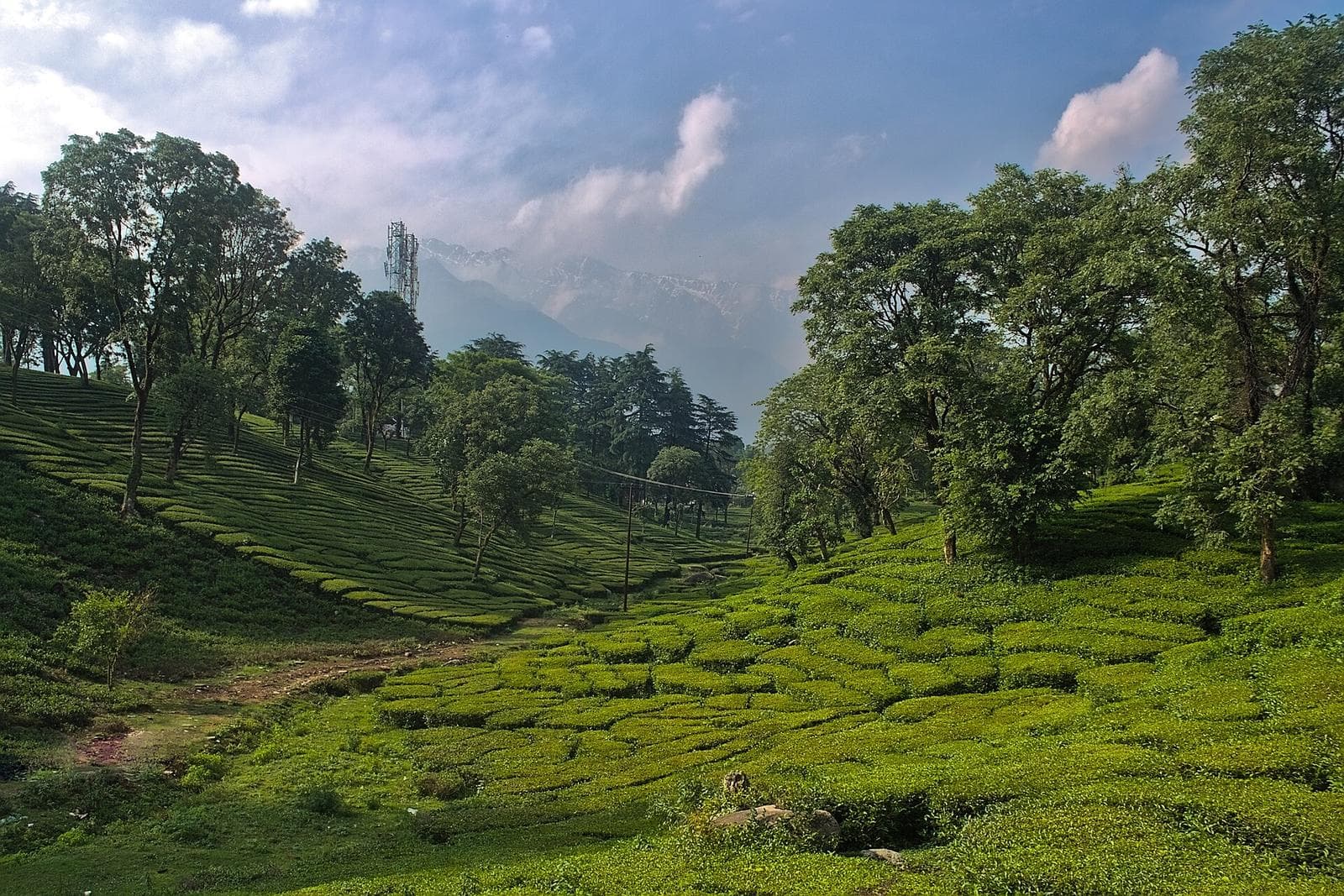
Palampur Travel Guide (2026): Tea Gardens, Day Trips and Where to Stay
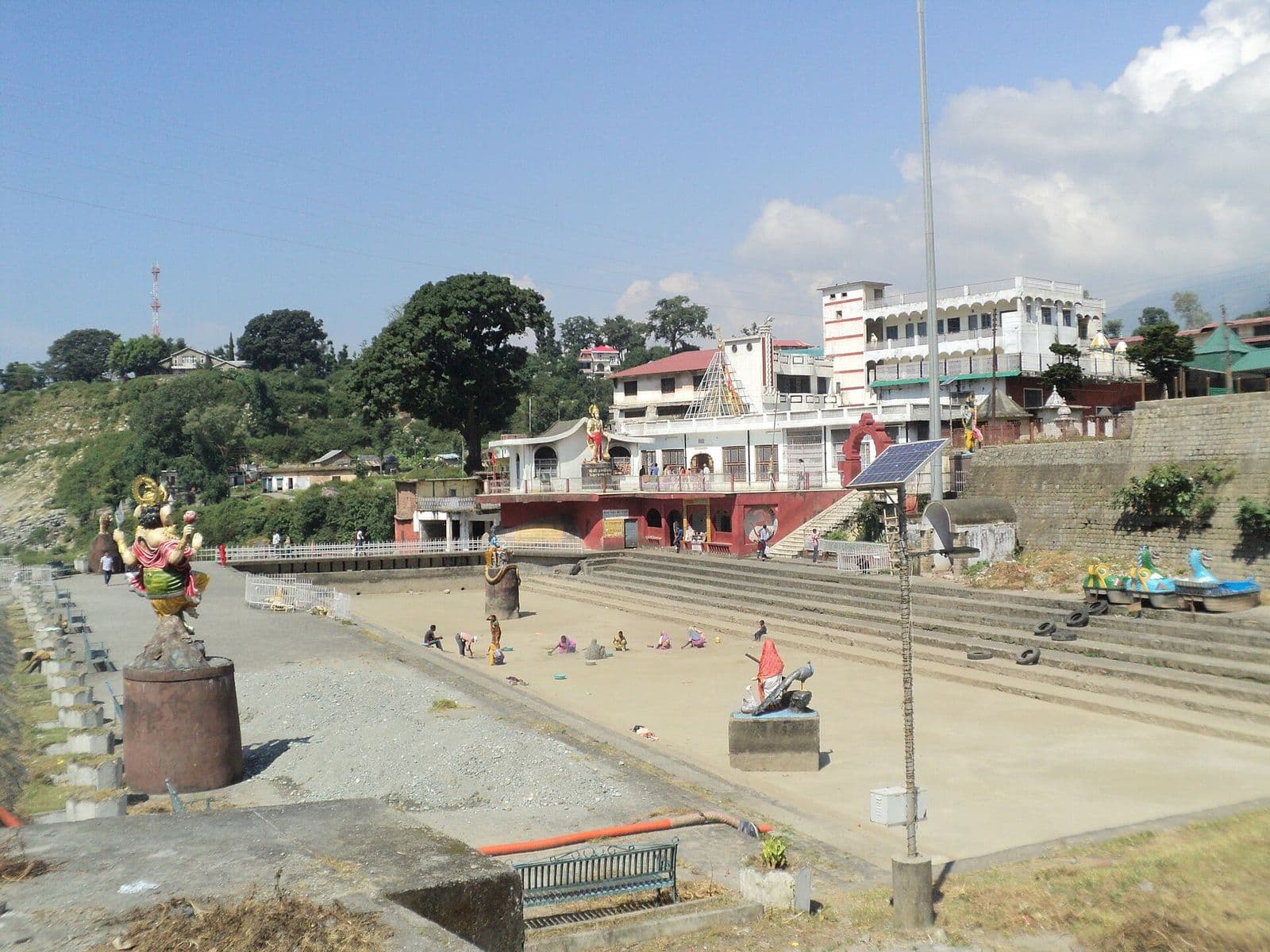
Palampur is the quiet tea town of the Kangra Valley, about 35 to 40 km from Dharamshala. Here is how to see the tea gardens and factory, Neugal Khad, Bundla, Andretta and Baijnath, plus a Bir day trip.
Kangra Devi Temples & Shaktipeeth Yatra from Dharamshala (2026-27): Chamunda, Brajeshwari, Jwalamukhi, Chintpurni & Naina Devi
The definitive Shaktipeeth yatra from Dharamshala: Chamunda Devi, Brajeshwari (Kangra Devi), Kangra Fort and Jwalamukhi in one day, Chintpurni and Naina Devi on a second day. Temple-by-temple distances, darshan and aarti timings from official sources, dress and darshan-slip rules, crowd days, Navratri 2027 dates and our fixed ₹6,000 temple taxi.
Bir Travel Guide 2026: Beyond Paragliding, Monasteries, Billing & Where to Stay
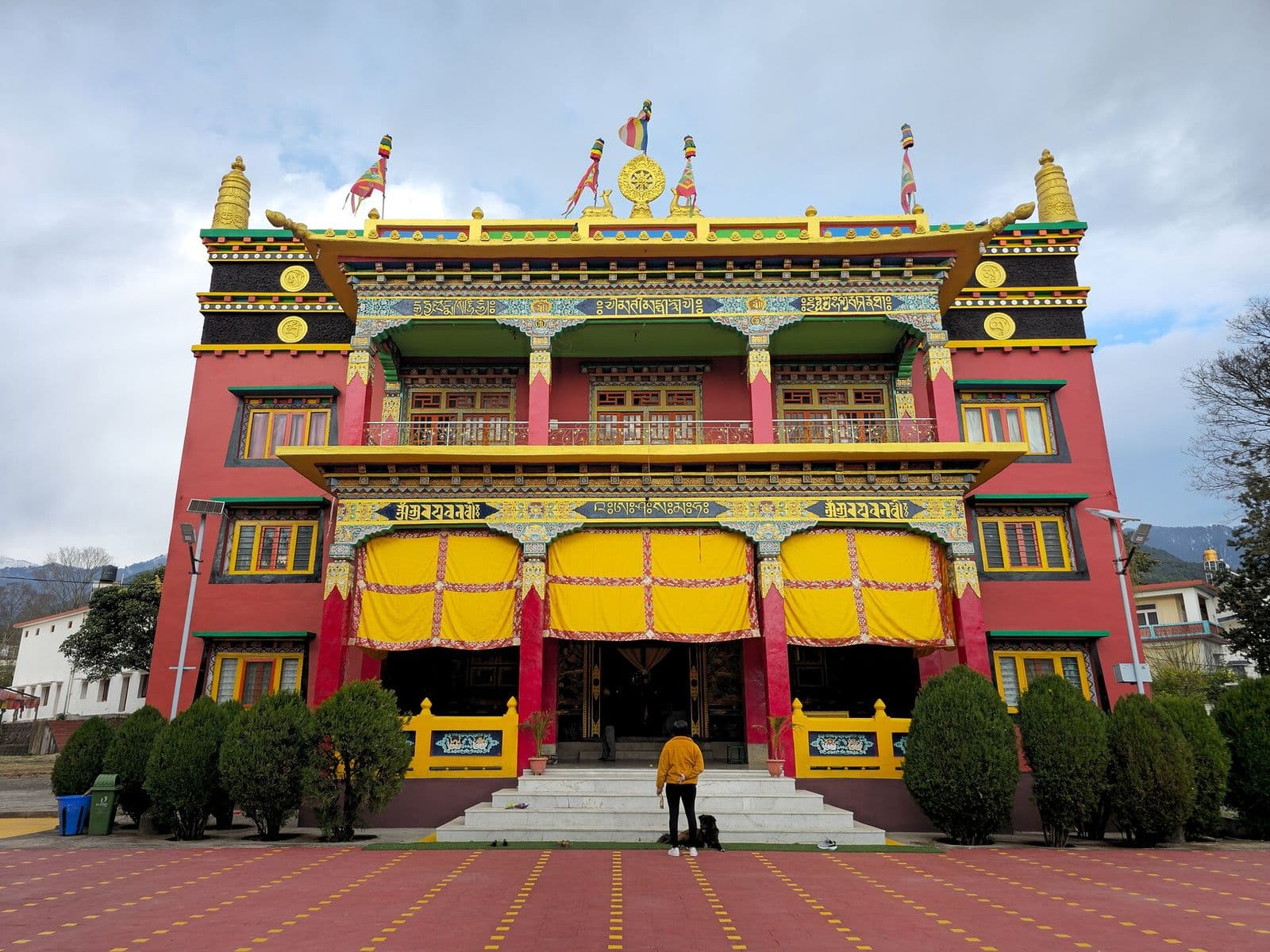
Bir is more than a paragliding launch. Our guide covers the Tibetan colony, Chokling and Sherab Ling monasteries, Deer Park Institute, cafes, Billing, the Rajgundha trek, tea gardens, how to reach from Dharamshala and where to stay.
Places to Visit in Kangra (2026): Fort, Temples, Masroor and a 1-Day Loop
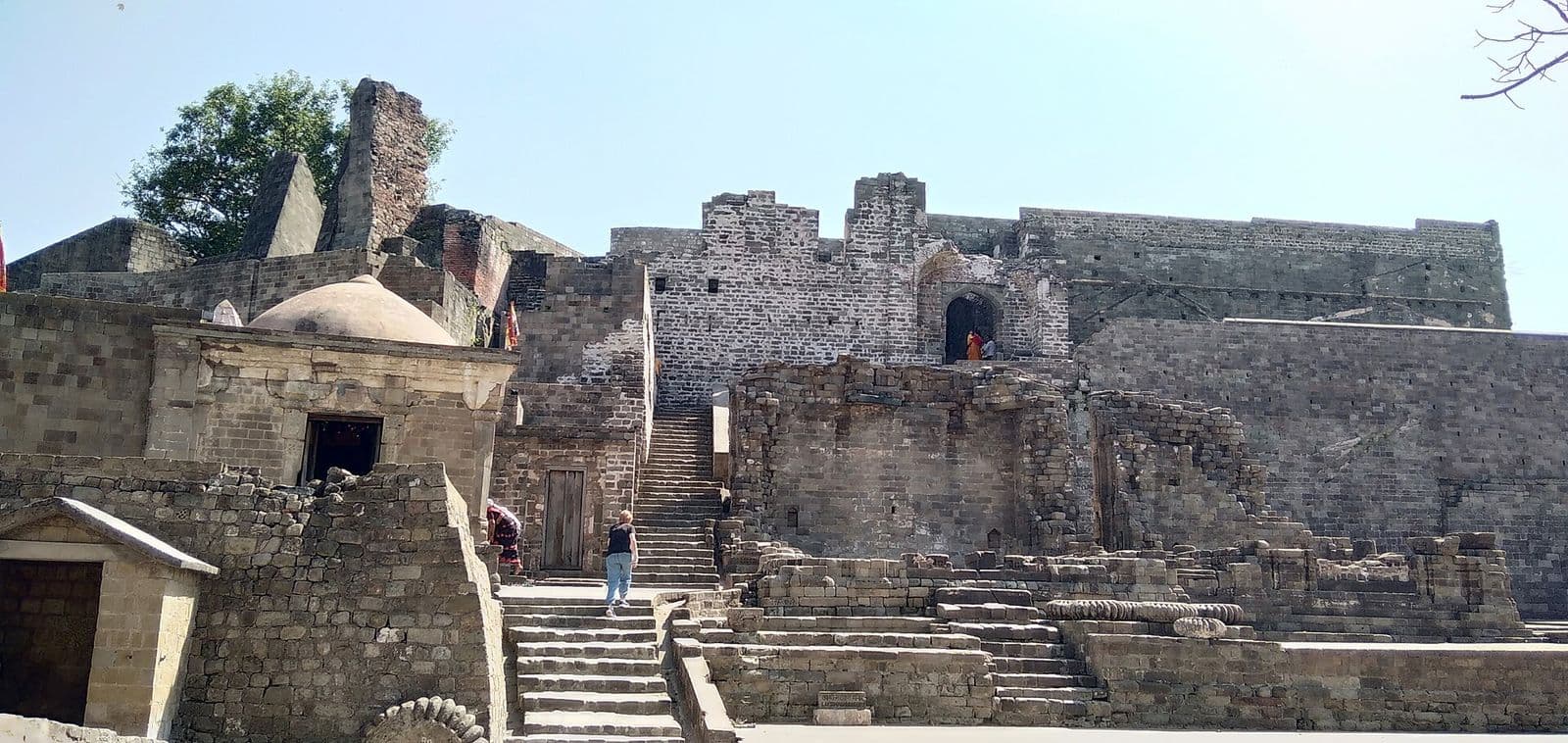
Kangra Fort, Brajeshwari Devi, the Masroor rock-cut temples, Chamunda, Jwalamukhi, Baijnath and Pong Dam, with distances from Dharamshala, timings, entry fees and a practical one-day Kangra loop.