Dharamshala in Monsoon (July-September 2026): Honest Guide to Rain, Roads and Deals
Is Dharamshala worth visiting in the monsoon? What July, August and September are really like: rainfall, landslides and road safety, which treks and activities are open, Bir paragliding closure, packing and hotel deals.
The Short Answer
Dharamshala in the monsoon is worth it for a slow, cheap, green trip, not for trekking or big views. July and August are the wettest months, with roughly 1,800 mm of rain between them, landslide delays on the roads, Bir paragliding closed from 15 July to 15 September and treks like Triund best avoided. In return, hotels are typically approx. 20-40% cheaper, the waterfalls are at full force and McLeod Ganj is calm. If you can choose, the second half of September gives you most of the upside with far less rain.
This is our local team's honest take on what is good, what is bad and how to travel safely between July and September.
Monsoon at a Glance
| July | August | September | |
|---|---|---|---|
| Rainfall (approx.) | 860 mm | 940 mm | 380 mm |
| Dharamshala day / night | 27-28 / 20°C | 26-27 / 19°C | 27 / 18°C |
| McLeod Ganj (approx.) | 22-24 / 15-17°C | 21-23 / 15-16°C | 22-23 / 13-15°C |
| Mountain views | Rare | Rare | Improving, clear spells late month |
| Landslide risk | High | Highest | Moderate, falling |
| Triund | Avoid in heavy spells | Avoid in heavy spells | Possible late month in dry weather |
| Bir paragliding | Closed from 15 July | Closed | Closed until 15 September |
| Crowds | Low | Low (busier on long weekends) | Low |
| Hotel prices | Lowest | Lowest | Low to moderate |
Temperatures are rounded IMD normals for Dharamshala town; McLeod Ganj figures are our approximations.
Why It Rains So Much Here
Dharamshala is widely considered the wettest place in Himachal Pradesh, with around 3,000 mm of rain a year. The Dhauladhar range rises like a wall right behind the town and traps the monsoon clouds, so they drop their rain on the slopes. The monsoon usually arrives in late June or early July, peaks in July and August, and fades through September. Rain can be continuous for days, then break into a few hours of brilliant sunshine.
The Good Side
- Prices fall. Mid-range rooms often drop approx. 20-40%, and the best rooms with Dhauladhar-facing balconies become affordable. Our trip cost guide has the full budget picture.
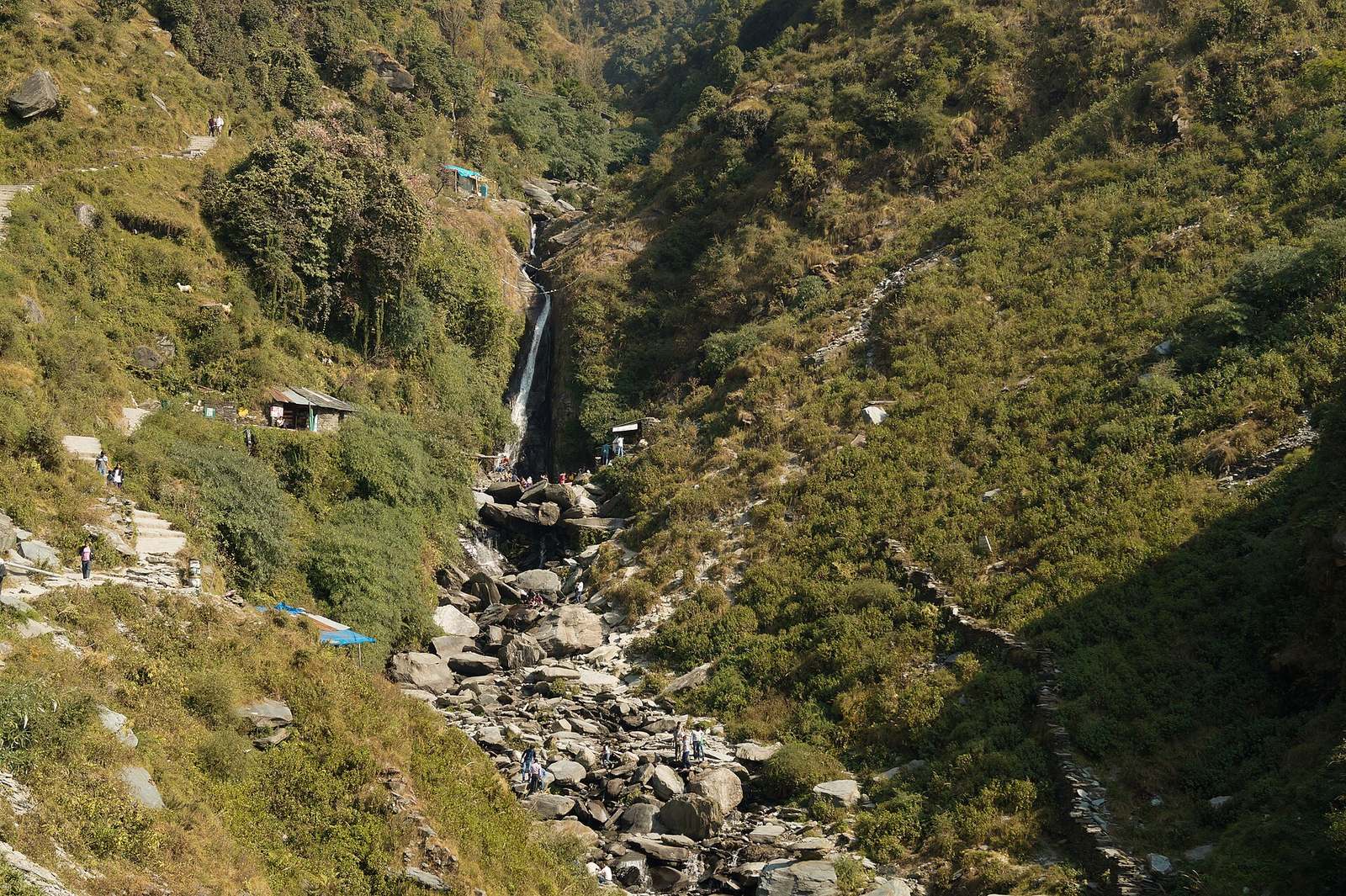
- Waterfalls at their best. Bhagsu waterfall is at full flow (admire it from a safe distance), and small streams pour off every slope.
- Emerald landscapes. The deodar and oak forests, tea gardens near Palampur and terraced fields in the Kangra Valley turn intensely green.
- Quiet streets. Outside long weekends, McLeod Ganj and Dharamkot are calm, cafes have free tables and monasteries are peaceful.
- Comfortable temperatures. 15-24°C in McLeod Ganj while the plains are humid and hot.
- The Dalai Lama's birthday on 6 July is marked at Tsuglagkhang with prayers and cultural performances open to the public, subject to security checks.
The Hard Side
- Landslides and road blocks. Slips can close the McLeod Ganj road, the Dharamshala-Pathankot highway or routes beyond Kangra for hours.
- No views for days. Cloud often hides the Dhauladhar completely.
- Slippery trails and leeches. Forest paths turn to mud and rock; leeches appear on some trails, so wear long socks.
- Flight disruption. Flights into Kangra are more likely to be delayed or diverted by cloud, especially in the afternoon.
- Damp rooms. Older buildings can smell musty; clothes take days to dry.
- Transport suspensions. The Kangra Valley toy train has been repeatedly suspended by monsoon damage in recent years, and the Dharamshala Skyway ropeway has had safety closures since a landslide in August 2025. Check status locally before relying on either.
Landslides and Road Safety
This matters more than anything else in this guide. Our rules of thumb:
- Drive in daylight only. Plan to finish hill driving by late afternoon. Visibility in rain and fog drops fast after dark.
- Check before you leave. Ask your hotel or taxi driver about road conditions every morning; locals know which stretches are slipping.
- Keep a buffer day. Do not book a flight home the same day you leave Dharamshala by road. If you are coming from Delhi, leave a day spare at the end.
- Avoid the day after a cloudburst. Heavy overnight rain is when slips are most likely; wait for things to settle.
- Do not stop under steep cuttings or near streams in spate, and never cross a flooded nallah on foot or by car.
- Hire a local driver rather than self-driving if you have no hill experience. Book a taxi with drivers who know which roads to avoid.
- Keep your phone charged and carry a power bank; power cuts follow storms.
For routes and alternatives, see how to reach Dharamshala. In the monsoon we prefer road over the earliest or latest flights, and overnight buses can be delayed by slips, so build in slack.
Treks: What Is Open and What to Avoid
| Trek or walk | Monsoon verdict |
|---|---|
| Triund | Slippery and cloudy; avoid in heavy spells. The district sometimes closes Triund and higher treks in bad weather, so check orders first. Possible on dry days in late September. |
| Kareri Lake | Avoid July-August; river crossings swell. Late September-October is good. |
| Snowline, Indrahar Pass | Not advisable in the monsoon. |
| Bhagsu waterfall walk | Short and rewarding, but slippery; Bhagsu is dangerous after heavy rain. Stay back from the water. |
| Dharamkot and Gallu Devi forest paths | Fine in breaks between showers with good shoes; watch for leeches. |
| Kora around Tsuglagkhang | Paved and sheltered by trees; the best rainy-day walk in town. |
| Naddi and Dal Lake | Good for a drive or short walk when the cloud lifts. |
Triund also has a forest entry fee (Rs.100 per person) and, since 11 August 2026, a refundable Rs.500 waste deposit at the checkpost. Rules have been changing through 2026, so confirm at the Gallu checkpost. Our Triund trek guide and easy hikes near McLeod Ganj have more detail.
Paragliding at Bir Billing: Closed
Paragliding at Bir Billing is suspended every year from 15 July to 15 September by government order. Do not book a monsoon trip around flying. Late June can also be unsettled. The flying season restarts after mid-September and peaks in October and November, which is the time to plan it. See our Bir Billing paragliding guide and book a flight for the autumn.
Best Things to Do in the Rain
- Tsuglagkhang (Dalai Lama Temple) and the Tibet Museum. Sheltered, moving and free to enter (the museum is closed on Saturdays). Read our Dalai Lama Temple guide.
- Norbulingka Institute and Gyuto Monastery in Sidhbari, lower and often drier than McLeod Ganj. See Sidhbari, Norbulingka and Gyuto.
- St John in the Wilderness, the 1852 stone church in the deodars, at its most atmospheric in mist.
- Cafe hopping. McLeod Ganj and Dharamkot cafes are at their cosiest on a rainy afternoon; see our top cafes in McLeod Ganj.
- Tibetan food. A hot bowl of thukpa or thenthuk in the rain; see our Tibetan food guide.
- Meditation, yoga and courses. The monsoon is a good time for a retreat; see meditation and yoga in Dharamshala.
- Palampur tea gardens on a dry morning. See our Palampur travel guide.
- Kangra temples and fort on a clear spell; see places to visit in Kangra.
Month by Month
July
The monsoon is fully established. Expect heavy rain on most days and cloud over the mountains. Dharamshala in July suits budget travellers, writers, meditators and couples happy to watch the rain from a balcony. The Dalai Lama's birthday on 6 July is the month's big event. Bir flying closes on 15 July.
August
The wettest month, averaging about 940 mm. Landslide risk is at its peak, and long weekends such as Independence Day can still bring a crowd from Punjab and Delhi. If you come, base yourself centrally and keep plans flexible.
September
The smart month. Rain falls to about 380 mm and clear spells grow longer as the month goes on, the hills are still lush, and prices stay low until October demand kicks in. Tibetan Democracy Day on 2 September is marked in McLeod Ganj. Bir reopens from 15 September, and by late September Triund is often possible again on dry days. For comparison with other months, see our best time to visit Dharamshala guide.
Monsoon Packing List
- A proper waterproof rain jacket, not just an umbrella (carry both if you can)
- Quick-dry clothes; cotton never dries in the humidity
- Waterproof shoes or sandals with grip, plus spare socks for every day
- Long socks for forest trails, and salt or repellent for leeches
- Dry bags or zip-lock pouches for your phone, documents and electronics
- A light fleece for cool, damp evenings in McLeod Ganj
- A small towel, insect repellent and a basic first-aid kit with anti-fungal powder
- A power bank and a small torch
Our weather and packing guide covers every season.
Monsoon Hotel Deals and Where to Stay
| Category | Off-season, incl. monsoon (approx. per night) | Summer peak (approx. per night) |
|---|---|---|
| Budget guesthouse | ₹700-1,200 | ₹1,200-2,000 |
| Mid-range hotel | ₹1,800-3,000 | ₹3,000-5,500 |
| Upscale hotel or resort | ₹5,000-9,000 | ₹8,000-18,000 |
Approx. 2026 ranges for a double room; long weekends cost more.
Where to stay: central McLeod Ganj is the easiest base in the rain, because temples, cafes and the bus stand are all walkable. Avoid guesthouses reached only by steep footpaths in Dharamkot and upper Bhagsu, which get slippery. Lower Dharamshala works for travellers with a car who want easy road access. Wherever you book:
- Choose free cancellation or a flexible rate.
- Ask for a damp-free room with good ventilation, and check for a geyser and power backup.
- Ask about parking and whether a car can reach the door.
- Midweek stays are cheaper still.
Browse hotels with monsoon rates, or ask our local team which properties stay driest. For a short trip, our weekend itinerary works in the monsoon with rain swaps, and Dharamshala vs McLeod Ganj helps you pick a base.
Who Should and Should Not Come
Come in the monsoon if you want low prices, quiet, cafes, monasteries, writing or meditation time, and you are flexible with plans.
Skip it if your trip is about Triund, Kareri Lake, paragliding, clear mountain views, or you have a fixed flight with no buffer day. In that case, aim for October-November instead.
Travel insurance that covers trip delays is a sensible add-on for July-August. For health questions on the road, see our health and medical help guide.
Frequently Asked Questions
Is it safe to visit Dharamshala in the monsoon?
How much does it rain in Dharamshala in July and August?
Can I do the Triund trek in the monsoon?
Is paragliding open in Bir Billing during the monsoon?
Are hotels cheaper in Dharamshala during the monsoon?
Is September a good time to visit Dharamshala?
What should I pack for Dharamshala in the rainy season?
More answers on our Dharamshala travel Q&A page.
Where to stay: see our picks of the best hotels in Dharamshala and the best hotels in McLeod Ganj, or compare all hotels and homestays with direct rates.
Need Help Planning Your Dharamshala Trip?
Our local team can help with hotels, treks, taxis, and custom itineraries.
Related Guides
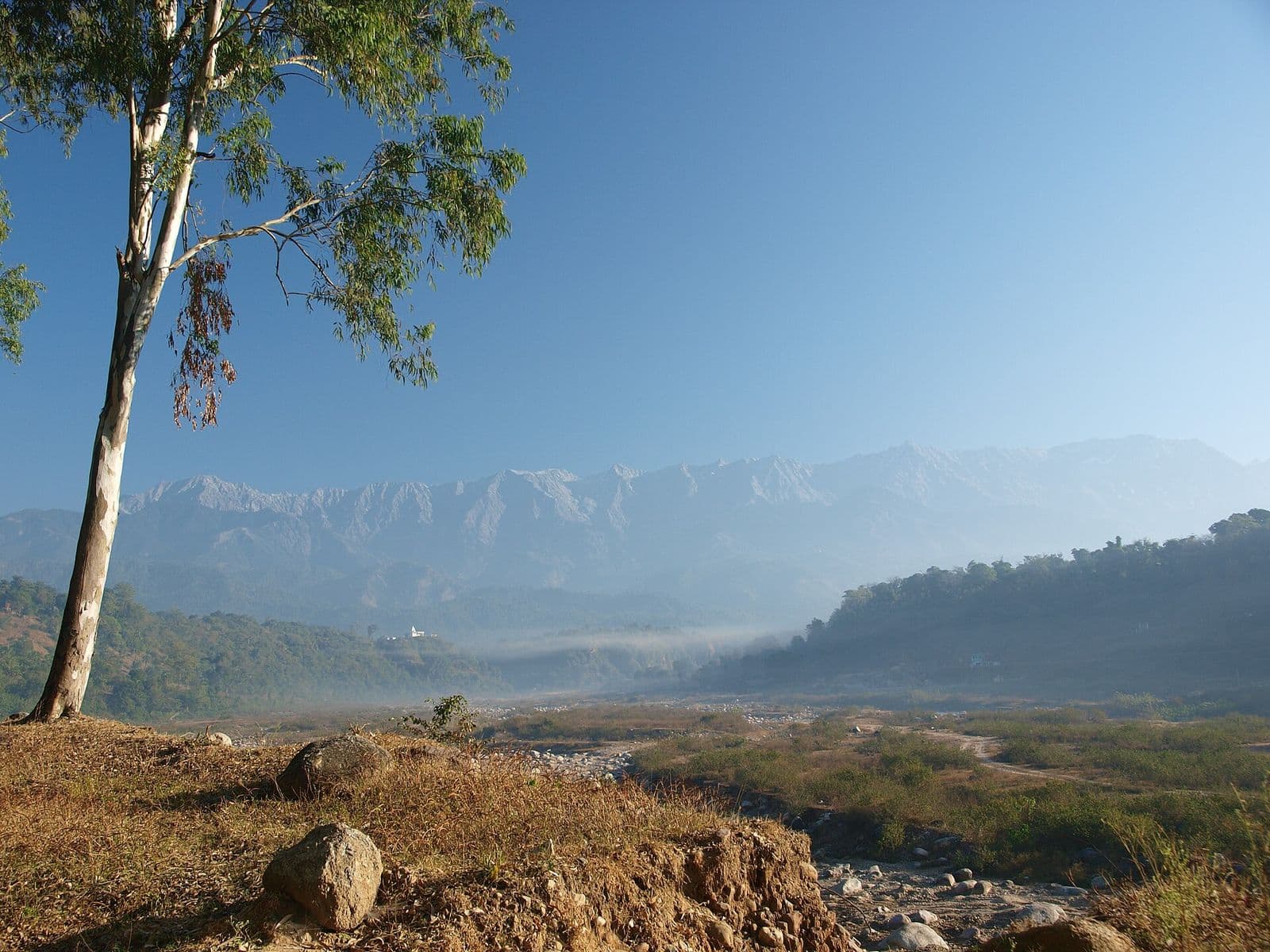
Best Time to Visit Dharamshala in 2026: Month-by-Month Guide (Snow, Treks, Prices)
When to visit Dharamshala and McLeod Ganj, month by month: weather, crowds, hotel prices and what each season is best for, with honest advice on snowfall, Christmas crowds, the monsoon and the Triund trek.
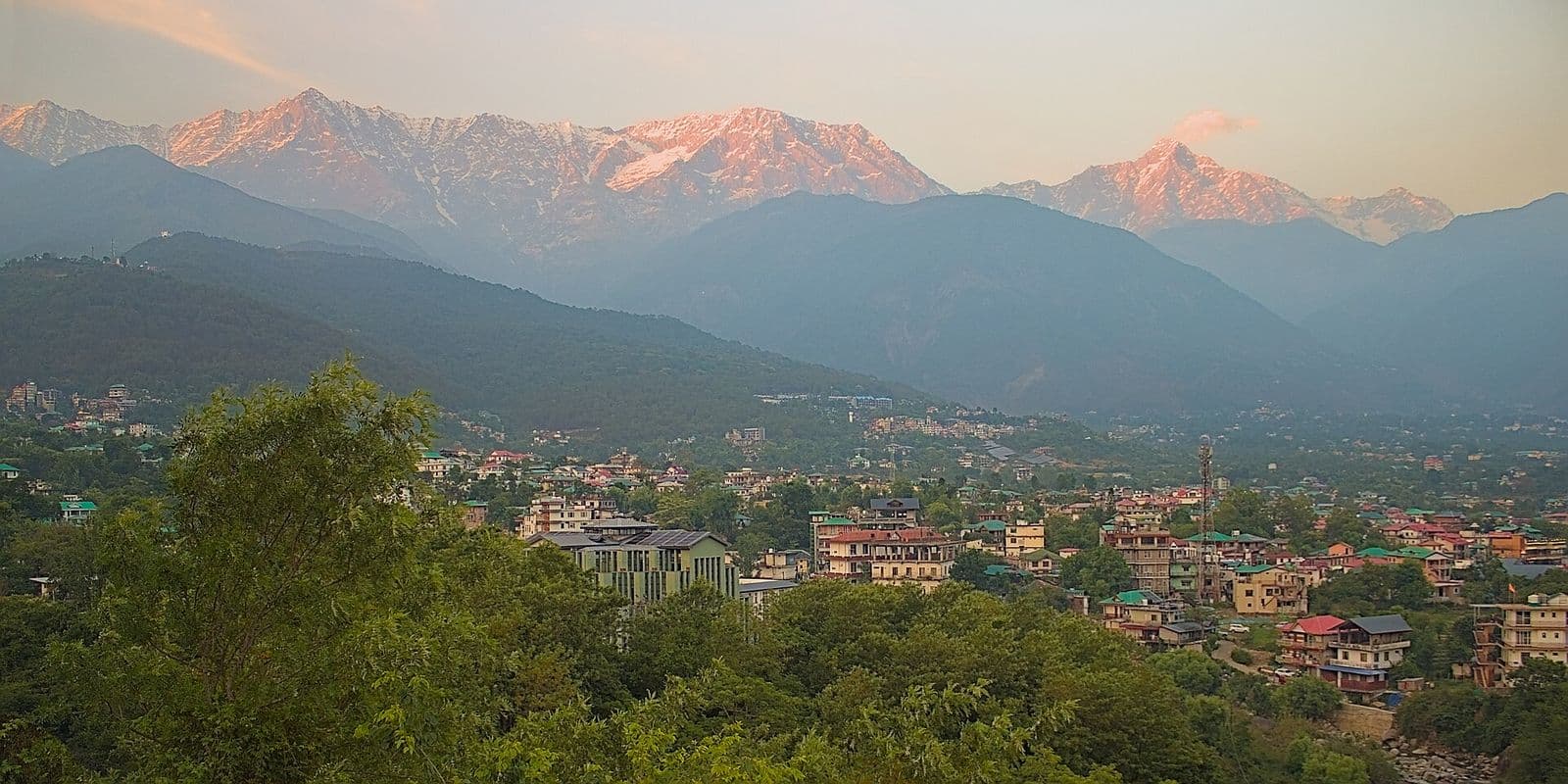
Best Hotels in Dharamshala 2026: Where to Stay by Area, Budget and Trip Type
Our local team's picks for the best hotels in Dharamshala in 2026, from budget rooms near the bus stand to pool resorts on Khaniyara Road, with prices by season, the right area for your trip and what to check before you book.
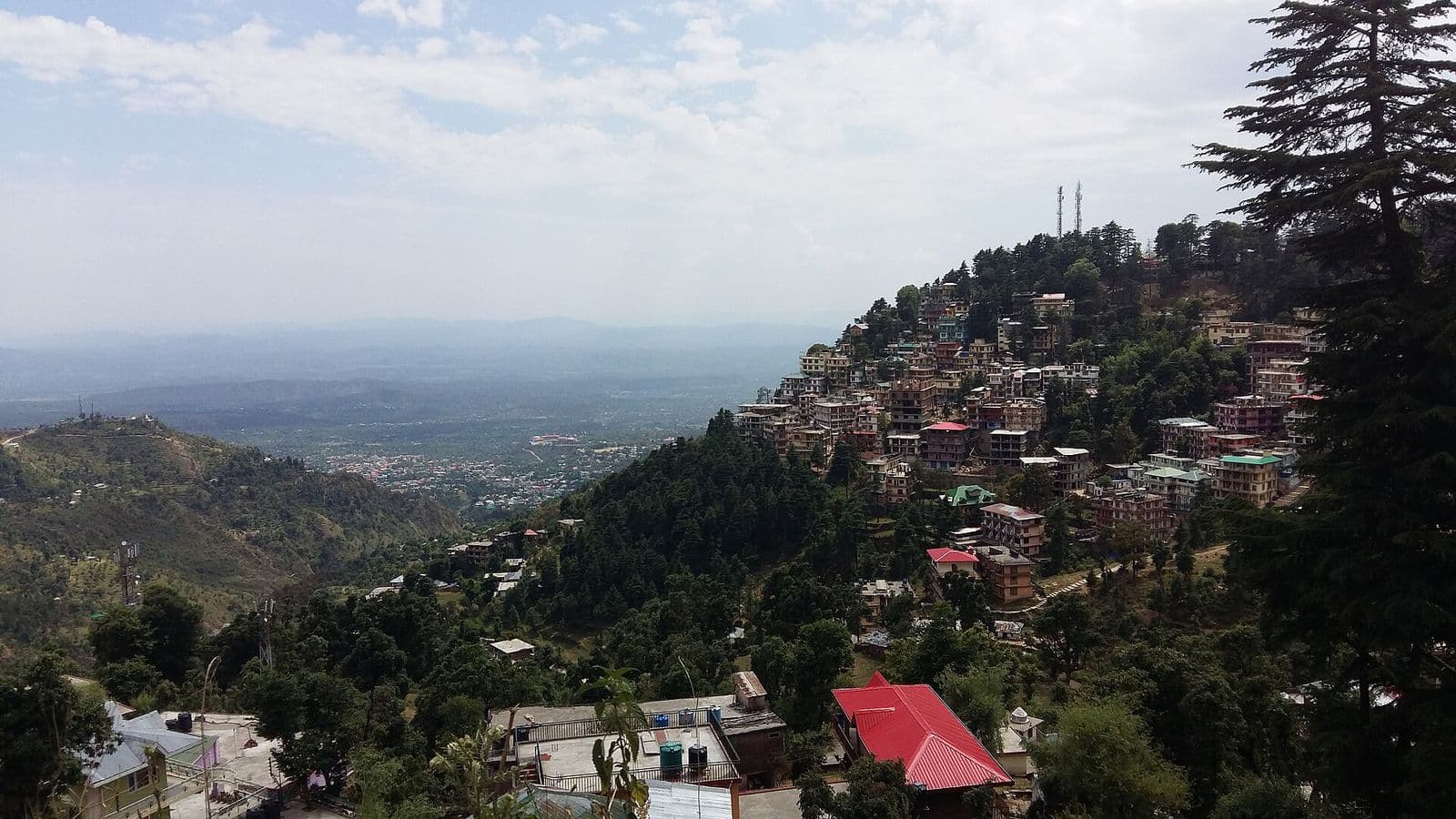
Backpacking Dharamshala on ₹1,000/Day: Budget Guide (2026)
Dharamshala and McLeod Ganj are among the cheapest mountain destinations in India if you know where to look. Here is how to eat, sleep, trek and explore for ₹1,000 a day or less, with a sample 5-day itinerary.
Dharamshala in October & November 2026: Weather, Crowds & What to Do
October and November are the best months to visit Dharamshala. Post-monsoon clarity, comfortable temperatures, the clearest Dhauladhar views all year, Diwali in the hills, and thinner crowds than summer. Here is what to expect week by week.