Dalai Lama Temple, McLeod Ganj (2026): Timings, Etiquette, Teachings and Kora
A complete visitor guide to the Tsuglagkhang complex in McLeod Ganj: what is inside, opening hours, dress code, photography rules, the Tibet Museum, the kora walk, and how to attend a public teaching.
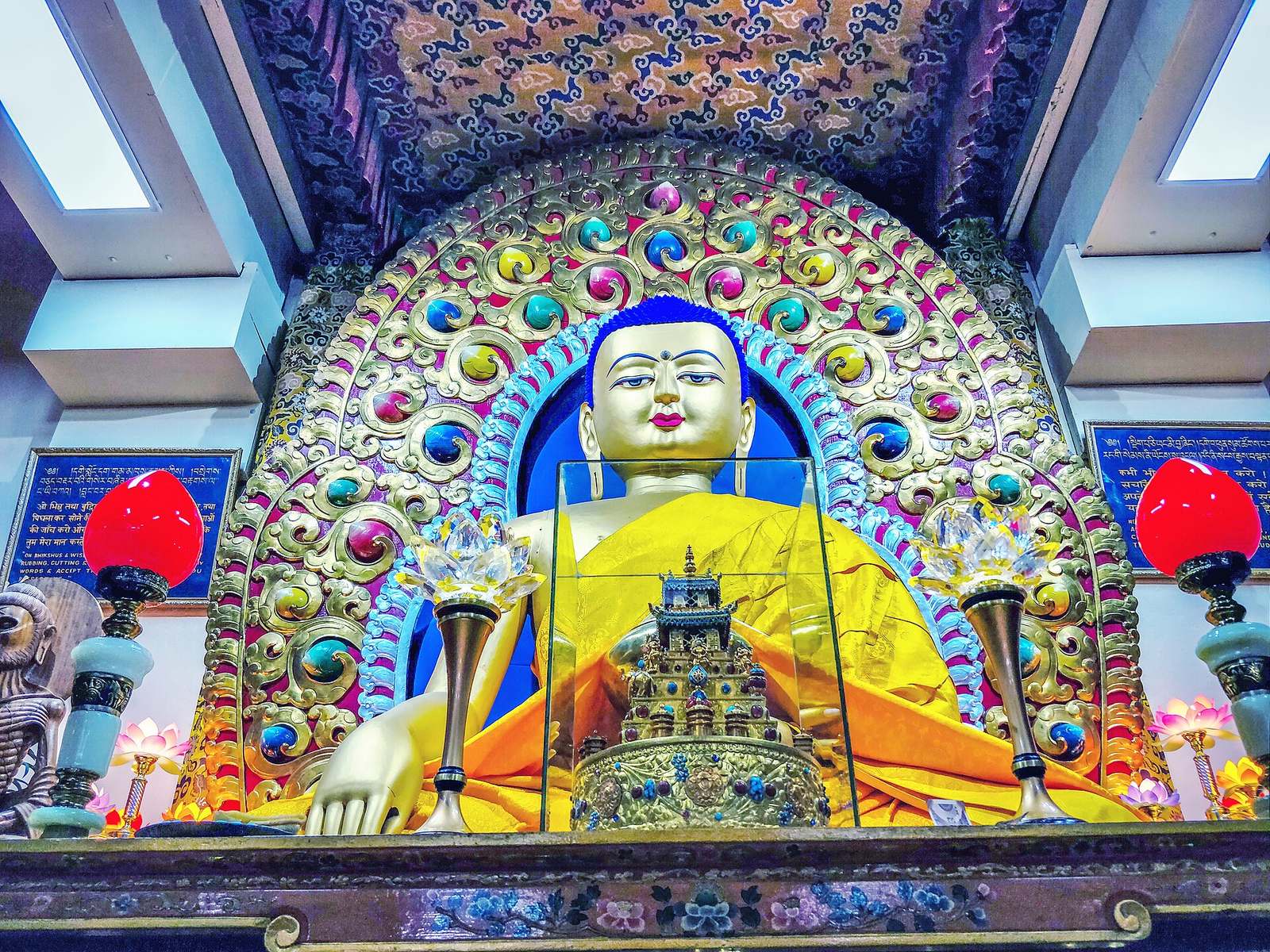
The Dalai Lama Temple in McLeod Ganj, properly called the Tsuglagkhang complex, is open to everyone, free of charge, roughly from early morning until early evening every day. It contains the main temple with a large gilded Buddha, the Kalachakra temple, Namgyal Monastery, the Tibet Museum and the official residence of the Dalai Lama. Plan on 1 to 2 hours, dress modestly, leave your camera in your bag inside the shrine halls, and walk the kora path around the complex while you are there.
If you hope to see the Dalai Lama, the only realistic way is to attend a public teaching or event when one is scheduled. These are announced on the official website, dalailama.com, and require registration in McLeod Ganj a few days before. Details are below.
What is the Tsuglagkhang complex?
After the Dalai Lama fled Tibet in 1959, the Tibetan government in exile settled in Dharamshala, and McLeod Ganj became the centre of Tibetan life in India, often called Little Lhasa. The Tsuglagkhang, built in the 1960s, serves as the community's main temple, the equivalent of the Jokhang in Lhasa. The complex sits at the bottom of Temple Road, about a 10 minute walk downhill from the McLeod Ganj main square.
What is inside
- The main temple (Tsuglagkhang): an upstairs hall with a large gilded statue of Shakyamuni Buddha, along with images of Avalokiteshvara (Chenrezig), the bodhisattva of compassion of whom the Dalai Lama is considered an emanation, and Padmasambhava (Guru Rinpoche). Rows of butter lamps and offerings line the hall.
- The Kalachakra Temple: beside the main temple, with vivid murals associated with the Kalachakra tradition. Photography is not permitted inside.
- Namgyal Monastery: the Dalai Lama's personal monastery. Its monks perform rituals for the temple and, on many afternoons, debate Buddhist philosophy in the courtyard with dramatic claps and stamps.
- The Tibet Museum: at the entrance level of the complex. Photographs, documents and personal testimonies tell the story of Tibet, the 1959 uprising and the escape into exile. It is small but powerful.
- The Dalai Lama's residence: within the complex but not open to visitors.
- A bookshop and a cafe, useful for a quiet tea after your visit.
Timings and entry fee
| What | Timings (approx., as of 2026) | Entry |
|---|---|---|
| Tsuglagkhang complex | Early morning (around 5 to 6 am) to evening (around 7 to 8 pm), seasonal | Free |
| Morning prayers | Early morning, roughly 5 to 7 am | Free |
| Monk debates | Many afternoons, not daily | Free |
| Tibet Museum | Roughly 9 am to 5 pm with a lunch break; closed one day a week | Free or token amount |
| Lingkhor kora | Always open; best at dawn | Free |
Timings change seasonally and on special occasions, and the complex may close to the public during high-security events. Check at the gate or with your hotel on your first day.
Dress code and etiquette
The temple is an active place of worship, not a museum. A few simple habits go a long way.
- Dress modestly: cover shoulders and knees. No short shorts or sleeveless tops inside the halls.
- Shoes: remove them where signs ask you to, usually before entering prayer halls.
- Walk clockwise around the temple, stupas, prayer wheels and the kora.
- Do not point your feet at statues or monks when sitting, and never sit with your back to a shrine.
- Keep quiet during prayers and do not walk between someone praying and the altar.
- Do not touch monks' heads, ritual objects or statues.
- Hats and sunglasses off inside the halls.
- Donations are welcome in the boxes provided but never expected.
- If you are offered a khata (white scarf) or blessing, receive it with both hands.
Photography rules
- Inside the main shrine halls and the Kalachakra temple: no photography. There are signs, and monks may ask you to put your phone away.
- In the courtyards: photography is generally fine, including the monk debates, but be respectful. Do not push a lens into someone's face, and ask before close portraits.
- During public teachings: cameras and phones are usually not allowed through security, and only official photographers work inside. Plan to carry as little as possible.
- Drones: not permitted.
Walking the kora (Lingkhor)
The kora is a circular path around the entire Tsuglagkhang complex and the Dalai Lama's residence, about 30 to 45 minutes at a gentle pace. It winds through pine forest strung with thousands of prayer flags, past prayer wheels, chortens and stones carved with the mantra Om Mani Padme Hum. How to walk it: from Temple Road, look for the path on the left just before the temple gate (as you face it) and follow the stream of walkers downhill. Always go clockwise. Early mornings, when elderly Tibetans walk it with prayer beads, are the most moving. Read more about the area in our McLeod Ganj destination guide.
How public teachings work
His Holiness the Dalai Lama, now in his nineties, gives fewer public teachings than he once did, and his schedule depends on his health and travel. When a teaching or event is held at the Tsuglagkhang, the process usually works like this:
- Check the schedule: the only reliable source is the official schedule at dalailama.com. Dates are subject to change, sometimes at short notice. The Central Tibetan Administration website, tibet.net, also announces events.
- Register in person: registration is required for all teachings in Dharamsala. It typically opens a few days before the first session and closes the day before, at an office announced with the event (recently the main temple courtyard; in some years the Branch Security Office on Bhagsunag Road). Hours are usually around 9 am to 1 pm and 2 pm to 5 pm.
- Bring documents: foreigners need copies of their passport, Indian visa and C-form (your hotel files the C-form; ask them for a copy). Indian residents need a copy of their Aadhaar card. A nominal fee, around ₹10, is charged for the registration card. The Dalai Lama does not accept fees for his teachings.
- Arrive early: security checks are thorough and queues start early. Seating is on the floor, first come first served.
- Bring: a cushion, a cup (butter tea or bread may be served), a sun hat, and a small FM radio with earphones, because translations into English and other languages are often broadcast on FM frequencies announced at the venue.
- Leave behind: cameras, phones, bags and anything bulky, which are generally not allowed past security.
Private audiences are rarely granted to individual tourists these days, so do not plan a trip around one.
Best time to visit
- Early morning (6 to 8 am): prayers, kora walkers, cool air, few tourists. The best time.
- Afternoon (2 to 4 pm): chance of monk debates in the courtyard.
- Avoid: midday on weekends and Indian holidays, when the complex and Temple Road are busiest.
- Special days: Losar (Tibetan New Year, usually February or March), Saga Dawa (around May or June) and the Dalai Lama's birthday on 6 July bring ceremonies and crowds. The 10 March Tibetan Uprising Day commemoration usually starts from here with a march.
Weather wise, March to June and October to November give the clearest skies; see our best time to visit Dharamshala guide.
How to get to the Dalai Lama Temple
- From McLeod Ganj main square: walk down Temple Road, about 800 m and 10 minutes. The return is uphill.
- From Dharamshala (lower town): about 9 to 10 km by road. Take a local taxi or bus to McLeod Ganj, or use the Dharamshala to McLeod Ganj ropeway when it is running, then walk.
- From Kangra (Gaggal) Airport: around 20 km to Dharamshala and another 9 km up to McLeod Ganj; allow about an hour. Pre-book a taxi.
- From Pathankot railway station: roughly 85 to 90 km, about 3 hours by taxi.
- Parking: very limited near the temple. Get dropped at the main square or at the top of Temple Road and walk.
Combine your visit
The temple is the anchor of any McLeod Ganj day. After your visit you can:
- Walk to Bhagsunag temple and waterfall, around 2 km away; see our Bhagsu guide.
- Visit the Library of Tibetan Works and Archives and the Central Tibetan Administration at Gangchen Kyishong, 2 to 3 km downhill.
- Try momos and thenthuk at a family-run Tibetan kitchen; see our Tibetan food guide.
- Explore more ideas in things to do in McLeod Ganj and places to visit in Dharamshala.
Where to stay near the temple
Temple Road and the streets just above it have guesthouses and hotels within a few minutes' walk of the complex, which is ideal for dawn kora walks and early registration queues. Rooms fill up quickly when a teaching is announced, so book as soon as dates are confirmed. Browse verified stays on our hotels page or read best hotels in McLeod Ganj. For other practical questions, see our FAQ.
Frequently Asked Questions
What are the Dalai Lama Temple timings?
Is there an entry fee for the Dalai Lama Temple in McLeod Ganj?
Can I meet the Dalai Lama in McLeod Ganj?
Is photography allowed inside the Dalai Lama Temple?
What should I wear to the Dalai Lama Temple?
More answers on our Dharamshala travel Q&A page.
Need Help Planning Your Dharamshala Trip?
Our local team can help with hotels, treks, taxis, and custom itineraries.
Related Guides
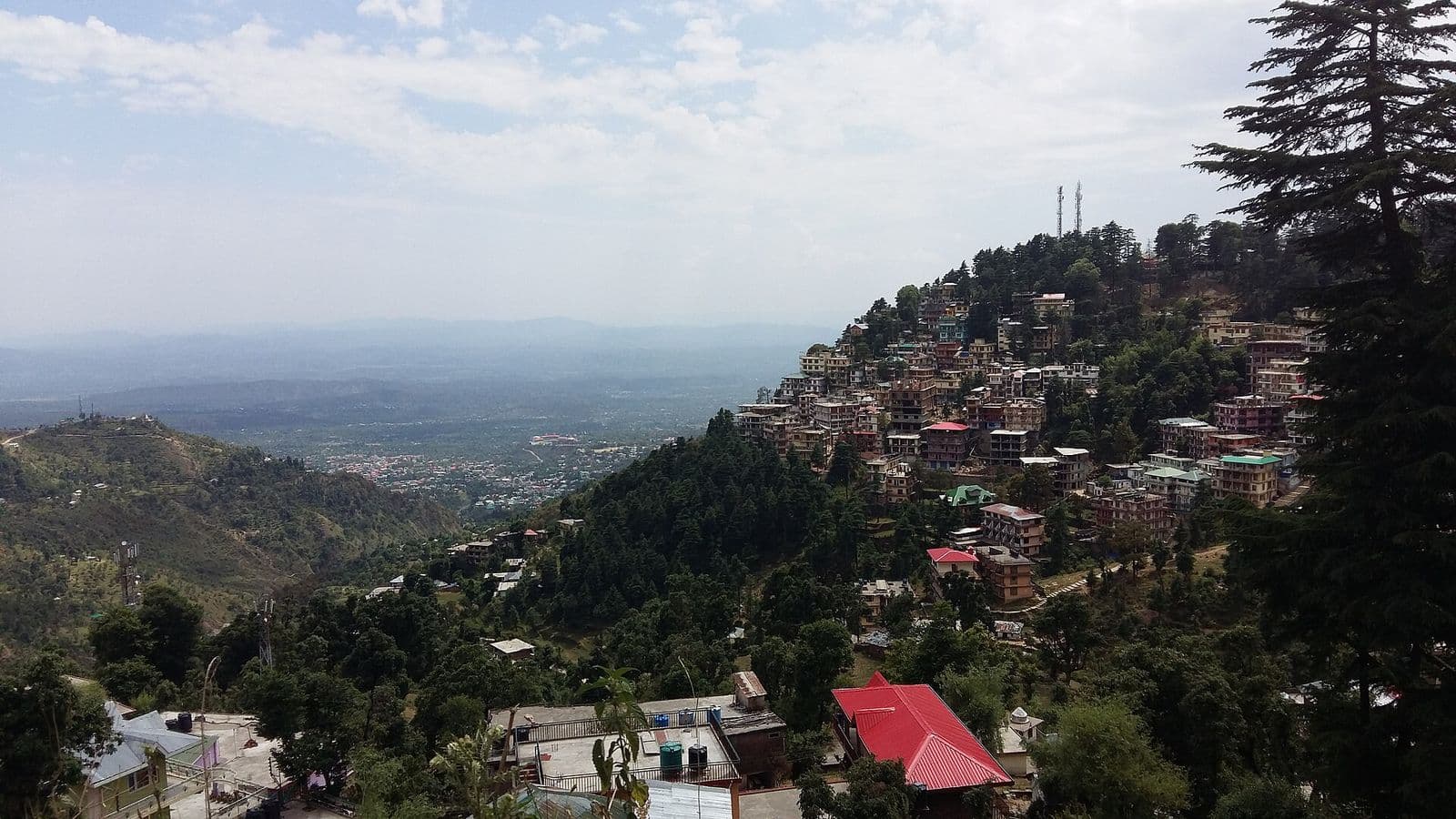
20 Best Things to Do in McLeod Ganj (2026): Experiences Locals Recommend
Walk the kora with Tibetan grandmothers, learn to fold momos, sit a meditation course, hike to Triund and spend an hour helping Tibetans practise English. The best things to do in McLeod Ganj, beyond the checklist.
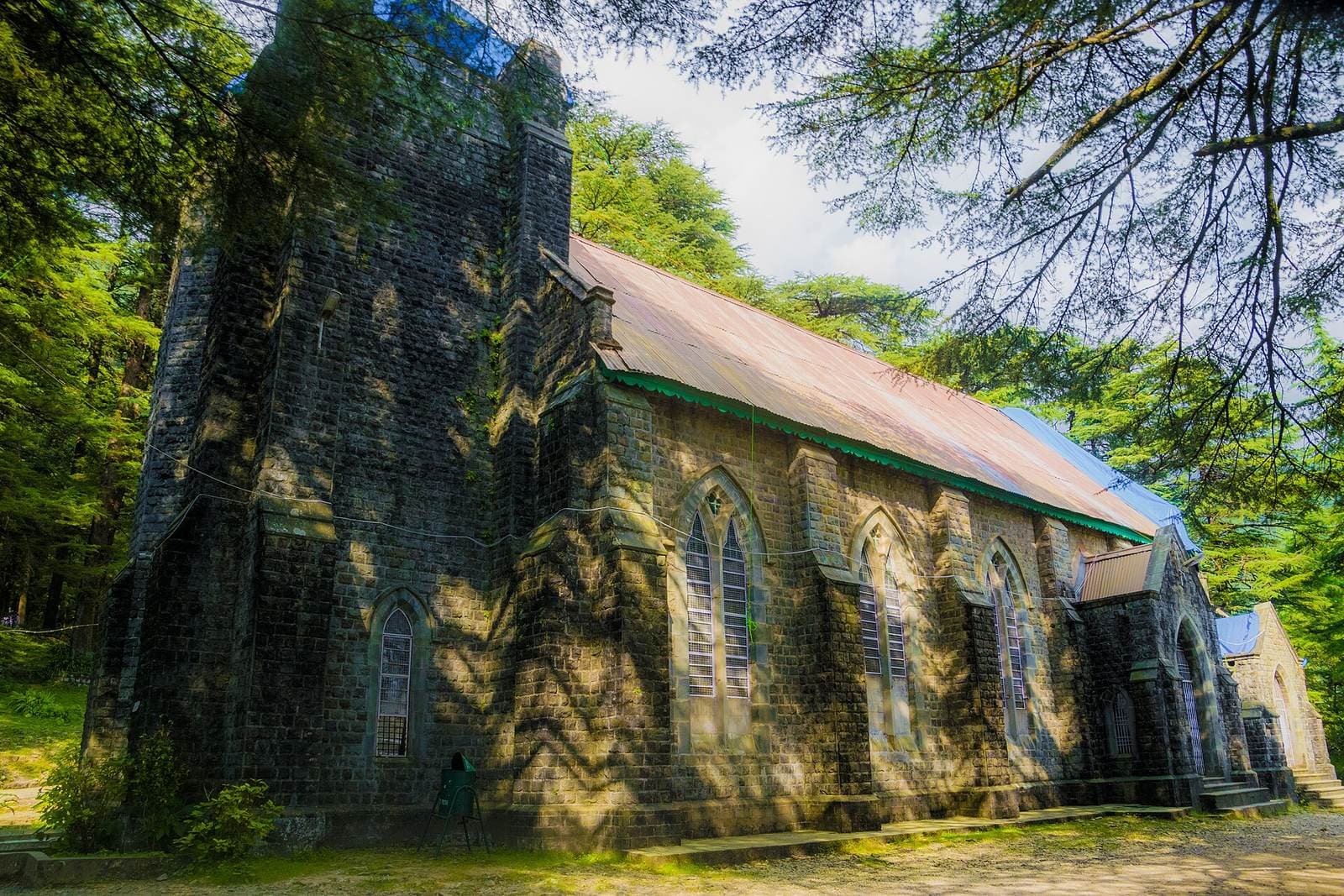
24 Best Places to Visit in Dharamshala & McLeod Ganj (2026 Local Guide)
The places worth your time in Dharamshala and McLeod Ganj, from the Dalai Lama Temple and Bhagsu waterfall to Triund, Naddi and Kangra Fort, with timings, entry fees and how long each one really takes.
Best Hotels in McLeod Ganj - Where to Stay (2026)
McLeod Ganj offers everything from backpacker hostels to boutique retreats. Here are our top picks by area and budget.
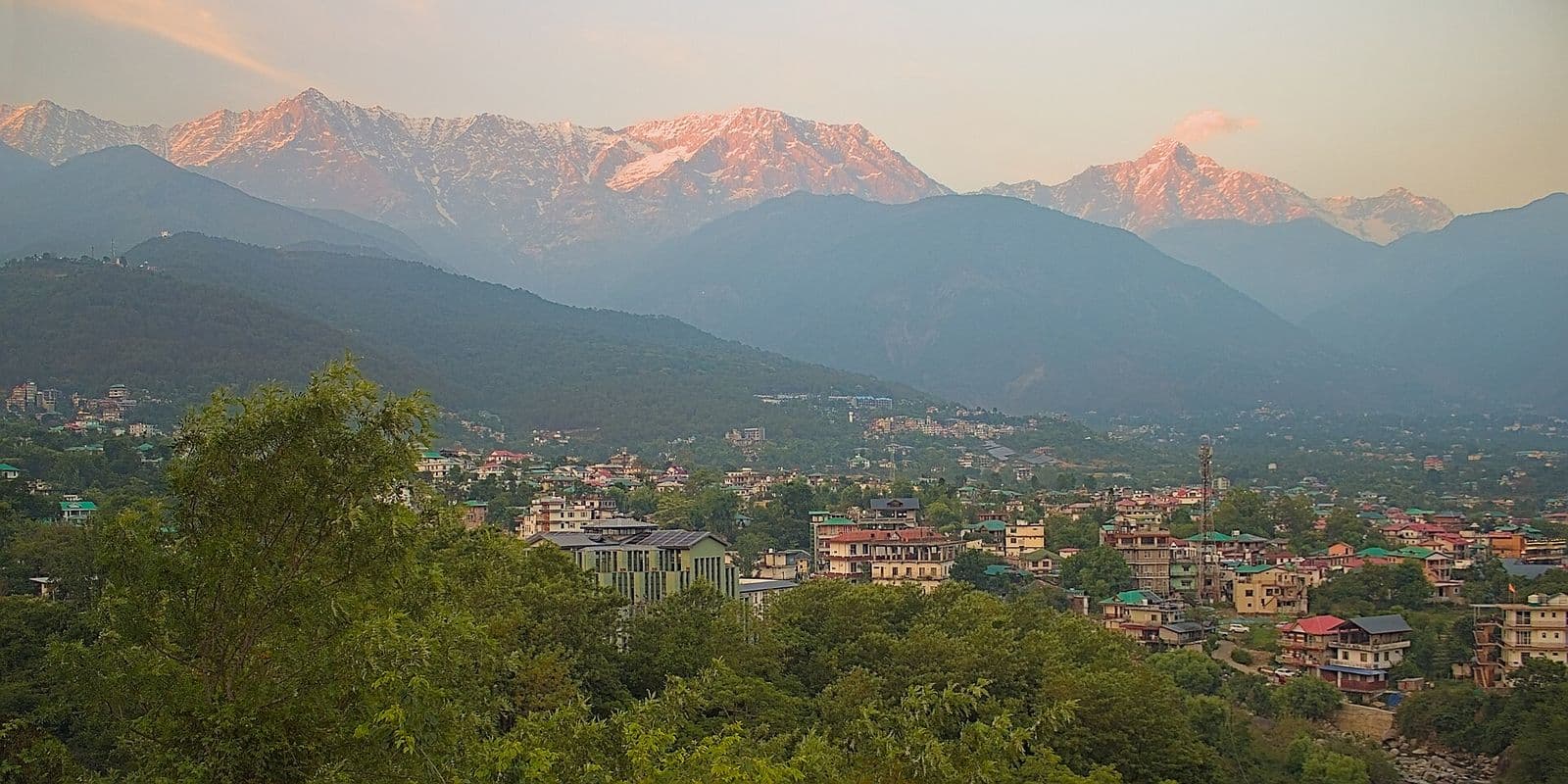
Dharamshala vs McLeod Ganj: Where Should You Stay? (2026)
Lower Dharamshala or McLeod Ganj? A local comparison for families, backpackers, spiritual seekers, cricket fans and nightlife lovers, plus Bhagsu, Dharamkot and Naddi alternatives.