Tibetan Culture & Etiquette in McLeod Ganj: A Respectful Visitor Guide (2026)
How Tibetans came to McLeod Ganj, and the etiquette that matters at monasteries, around monks, at prayer wheels and in conversation, plus the institutions worth visiting to understand Tibetan life in exile.
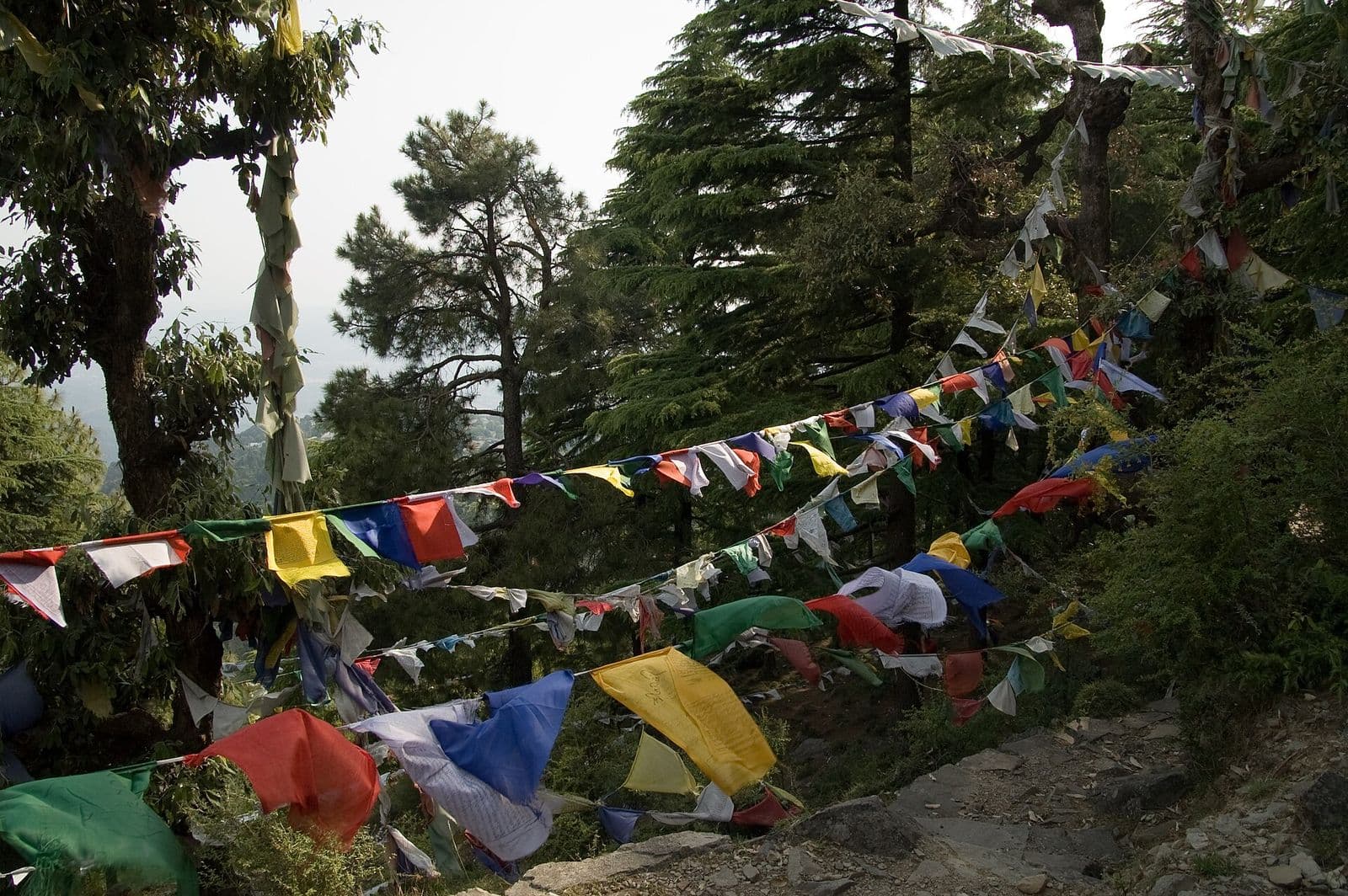
Short answer: McLeod Ganj is the Dalai Lama's home in exile, so treat it as a living community. Walk clockwise around temples, stupas and prayer wheels, dress modestly (shoulders and knees covered), take your shoes off where others do, and ask before photographing monks, nuns or people praying. Never photograph inside shrine halls. Greet people with "Tashi delek" and refer to the Dalai Lama as His Holiness when talking with Tibetans.
McLeod Ganj is the home in exile of the Dalai Lama and the seat of the Central Tibetan Administration (CTA), so you are visiting a living community, not a theme park. The etiquette is simple: walk clockwise around temples, stupas and prayer wheels, dress modestly, take your shoes off where you see a shoe rack or others doing so, ask before photographing monks, nuns or people praying, and never photograph inside shrine halls. Greet people with "Tashi delek" and refer to the Dalai Lama as His Holiness in conversation with Tibetans.
This guide explains why Tibetans are here, the do's and don'ts that locals actually notice, how to talk about Tibet without causing hurt or putting anyone at risk, and which institutions to visit if you want to understand the culture rather than just photograph it.
Quick facts
| Topic | What to know |
|---|---|
| Why Tibetans are here | The Dalai Lama fled Tibet in March 1959 and moved to Dharamshala in 1960 |
| Seat of exile government | Central Tibetan Administration, Gangchen Kyishong (between McLeod Ganj and Lower Dharamshala) |
| Main temple | Tsuglagkhang complex, bottom of Temple Road, McLeod Ganj |
| Direction to walk | Always clockwise (keep the temple, stupa or mani stones on your right) |
| Greeting | Tashi delek (hello / good wishes); thank you is "thuk-je-che" |
| Photography | Not inside shrine halls; ask before photographing people |
| Dress | Shoulders and knees covered at religious sites |
| Language | Tibetan, Hindi and English are all widely spoken in McLeod Ganj |
A short history: how McLeod Ganj became "Little Lhasa"
In March 1959, after the uprising in Lhasa against Chinese rule, the 14th Dalai Lama escaped across the Himalaya and was given asylum in India at the end of that month. He first stayed in Mussoorie, where the Tibetan government in exile was re-established in April 1959. In 1960 the Indian government offered a new base at Dharamshala, and the Dalai Lama and his administration moved to McLeod Ganj, then a half-empty former British hill station that had never fully recovered from the 1905 Kangra earthquake.
Tens of thousands of refugees followed over the decades. Many early arrivals worked on road-building crews in the hills; the first schools, craft centres and medical institutions were set up in the 1960s and 1970s. Today McLeod Ganj and the surrounding settlements (Gangchen Kyishong, Upper Dharamshala, Sidhbari) host monasteries, nunneries, schools, an archive, a medical institute and the parliament and ministries of the CTA. Many Tibetans you meet were born in India; some arrived as children after crossing the mountains, especially in the 1990s and 2000s.
Three points help you read the place:
- The Dalai Lama devolved his political role in 2011. The CTA has an elected leader (the Sikyong) and parliament. The Dalai Lama remains the spiritual leader and is deeply revered.
- His Holiness turned 90 on 6 July 2025. Shortly before, he affirmed that the institution of the Dalai Lama will continue and that recognition of his successor rests with his own Gaden Phodrang office. You will see this reflected in posters, prayers and conversations.
- It is a refugee community, not a monastery town. There are teenagers on phones, cafe owners, taxi drivers, students and office workers as well as monks. Treat people as neighbours, not as exhibits.
Etiquette at monasteries and temples
Walk clockwise, always
Circle temples, stupas (chortens), prayer wheels and mani stone walls in a clockwise direction, keeping the sacred object on your right. This includes the Lingkhor kora, the forested circuit around the Tsuglagkhang complex, which you join from the road below the temple. Walking anti-clockwise is not a crime, but it immediately marks you as someone who has not bothered to learn.
Prayer wheels
- Turn them clockwise with your right hand as you walk past.
- Spin gently; there is no need to slam them. Each turn is understood to send out the mantra written inside.
- Do not stop a wheel someone else is turning, and let elderly people go first in narrow passages.
Shoes, dress and behaviour
- Shoes: remove them where there is a shoe rack, a mat at the door or others have taken theirs off. Always remove them in smaller shrine rooms and in anyone's home.
- Dress: cover shoulders and knees. Shorts and strappy tops are common on Jogiwara Road but feel out of place in a prayer hall.
- Hats and sunglasses: take them off inside.
- Feet: do not point the soles of your feet at an altar, a statue or a teacher when sitting. Sit cross-legged or with legs tucked to one side.
- Do not step over prayer books, cushions, or people sitting on the floor.
- Voice and phones: keep your voice low and your phone silent. Many people are praying, not sightseeing.
- Touching: do not touch statues, thangkas, altars or ritual objects. Never touch anyone on the head.
- Offerings: small cash offerings left on the altar or in a donation box are welcome but never expected. You may see people offering butter lamps; follow the volunteer's lead if you want to do the same.
Photography
Photography is not allowed inside the main shrine halls of the Tsuglagkhang complex, including the Kalachakra temple, and is often restricted in other monasteries too. Courtyards are generally fine, including the afternoon monk debates in the Namgyal courtyard when they take place, but:
- Do not push a lens into a monk's face or stand in the middle of a debate.
- Ask before photographing anyone praying, prostrating or making offerings. A smile and a gesture at your camera is enough; accept "no" gracefully.
- During public teachings, phones and cameras are usually not allowed through security at all.
Our Dalai Lama Temple guide covers the complex in detail, including timings and what is inside.
Around monks and nuns
- Monks and nuns are friendly and often happy to chat, especially young monks practising English. Let them start physical contact, if any; a handshake is fine if offered, but do not hug or put an arm around a monk for a selfie.
- Women should not hand objects directly to some senior monks; placing the item on a table near them is the polite route. Most young monks will not mind, but it is good to know.
- Do not enter monks' or nuns' living quarters unless invited. At nunneries such as Dolma Ling in Sidhbari, stay in the areas open to visitors.
- If a monk is on a phone or eating at a cafe, that is normal. Do not comment on it.
- Never offer alcohol or cigarettes, and do not drink or smoke near monasteries.
Khatas: the white scarf
A khata is a white (sometimes yellow-white) silk or synthetic scarf offered as a sign of respect and good wishes. You can buy one for a few rupees to ₹100 or so at stalls near the temple.
- Offering to a lama or a teacher: fold it, hold it across both palms, bow slightly and offer it. The lama may place it back around your neck as a blessing.
- Offering to a friend or host: you can place it around their neck when they leave or arrive, or hand it to them with both hands.
- At a shrine: people drape khatas on statues or railings. Follow what others are doing; do not climb to reach.
- If someone gives you one, accept it with both hands and keep it rather than leaving it behind on a cafe table.
How to talk about Tibet respectfully
This is the part visitors most often get wrong, usually out of curiosity rather than malice.
- Do not assume everyone wants to discuss politics. Some Tibetans are activists; many simply want to sell you a momo or talk about cricket. Let them lead.
- Do not ask people about family members still in Tibet, how they escaped, or whether they have been imprisoned, unless they bring it up. These are painful memories and, in some cases, safety matters.
- Be careful with photos online. Posting identifiable photos of Tibetans at protests or vigils can cause problems for relatives inside Tibet. Keep faces out of frame or ask first.
- Use the words people use. Say "His Holiness" or "His Holiness the Dalai Lama", not just "Dalai". Say "Tibetans in exile" or "the Tibetan community". Avoid arguing that Tibet is "part of China" as a provocation; you will learn far more by listening.
- Do not appropriate. Wearing a chuba (Tibetan dress) is fine if a friend invites you to on Losar; wearing monk's robes as a costume is not. Prayer beads (malas) are bought and used by many non-Buddhists; just do not swing them around or put them on the floor.
- Indian visitors are generally welcomed warmly; many Tibetans express real gratitude to India. Simple courtesy and not treating Tibetan friends as "foreigners" goes a long way.
Useful phrases
| Tibetan (approx.) | Meaning |
|---|---|
| Tashi delek | Hello / good luck |
| Thuk-je-che | Thank you |
| Kayrang kusu debo yin pey? | How are you? |
| Shimbu duk | Delicious |
| Gong-da | Sorry / excuse me |
| La | Polite suffix, e.g. "Tashi delek la" |
Key institutions to visit
You will understand McLeod Ganj far better after visiting a few of these. Opening times change with Tibetan holidays and teachings, so check locally before you go.
| Institution | Where | What it is | Why go |
|---|---|---|---|
| Central Tibetan Administration (CTA) | Gangchen Kyishong | The exile government's ministries and parliament | See the seat of exile democracy; the LTWA is on the same campus |
| Tsuglagkhang complex | Temple Road, McLeod Ganj | Main temple and Namgyal Monastery | The spiritual heart of the exile community |
| Tibet Museum | Gangchen Kyishong, on the CTA campus | Museum of Tibetan history and exile | The museum tells the story of 1959 and exile through photos and testimony; Rs 20 for adults, under-18s free |
| Library of Tibetan Works and Archives (LTWA) | Gangchen Kyishong | Archive, library, museum and Buddhist philosophy classes | Rare texts, artefacts and affordable classes for visitors |
| Men-Tsee-Khang | Gangchen Kyishong / near McLeod Ganj | Tibetan Medical and Astro-Science Institute | Museum on Tibetan medicine and astrology; consultations at its clinics |
| Tibetan Children's Village (TCV) | Upper Dharamshala, near Dal Lake | School founded in 1960 for refugee children | Learn how exile education works; respect school rules on visits |
| Norbulingka Institute | Sidhbari | Centre for traditional Tibetan arts | Watch thangka painters and wood carvers at work |
| Tibetan Institute of Performing Arts (TIPA) | Above McLeod Ganj | Music, dance and opera school | Watch for occasional performances and the opera festival |
Tip: Gangchen Kyishong is about 3 km downhill from McLeod Ganj and makes a calm half-day: LTWA museum and library, the CTA buildings and the Men-Tsee-Khang. A shared taxi or a walk down the old road works; for Norbulingka and Sidhbari, book a local taxi. Our Sidhbari, Norbulingka and Gyuto guide has the details.
Food, homes and everyday courtesy
- If invited into a Tibetan home, bring a small gift (fruit, sweets) and expect to be offered butter tea. It is polite to take a sip; your cup will be refilled unless you leave it full.
- Eat at Tibetan-run restaurants and buy from Tibetan-run shops if you want your money to stay in the community. Our Tibetan food guide tells you what to order.
- Many Tibetans keep Wednesday as Lhakar ("white Wednesday"), a day for speaking Tibetan, eating vegetarian and wearing traditional clothes. You may notice more chubas on Wednesdays.
- Dogs are everywhere and are fed by monks and residents; do not shoo them away from the temple steps.
Festivals and teachings
The best time to see living culture is during Losar (Tibetan New Year, usually February), Saga Dawa (May or June), the Dalai Lama's birthday on 6 July, and on 10 March, Tibetan Uprising Day. Public teachings and long-life prayers at the Tsuglagkhang are free and open to all, but require registration with your passport and a photo at the temple. See our Losar and Tibetan festivals guide for dates and etiquette.
Where to stay
To soak up the culture, stay in or near McLeod Ganj: Temple Road and Jogiwara Road put you a few minutes from the temple and the kora. Quieter options sit in Dharamkot and Bhagsu, a 20 to 30 minute walk away. Browse rooms on our hotels page or read our McLeod Ganj destination guide and the best hotels in McLeod Ganj. For more practical questions, our FAQ page is a good next stop, and things to do in McLeod Ganj lists what to see.
A one-minute checklist
- Walk clockwise around everything sacred.
- Cover shoulders and knees at religious sites.
- Shoes off where others take them off.
- No photos inside shrine halls; ask before photographing people.
- Do not touch statues, altars or anyone's head.
- Say "His Holiness", and let Tibetans lead conversations about politics.
- Keep faces of protesters out of your social media.
- Spend your money in Tibetan-run businesses.
Frequently Asked Questions
Why do Tibetans live in McLeod Ganj?
Which direction should I walk around a Tibetan temple or stupa?
Can I take photos inside the Dalai Lama Temple?
How do I offer a khata?
Is it OK to talk to Tibetans about politics?
More answers on our Dharamshala travel Q&A page.
Where to stay: see our picks of the best hotels in Dharamshala and the best hotels in McLeod Ganj, or compare all hotels and homestays with direct rates.
Need Help Planning Your Dharamshala Trip?
Our local team can help with hotels, treks, taxis, and custom itineraries.
Related Guides
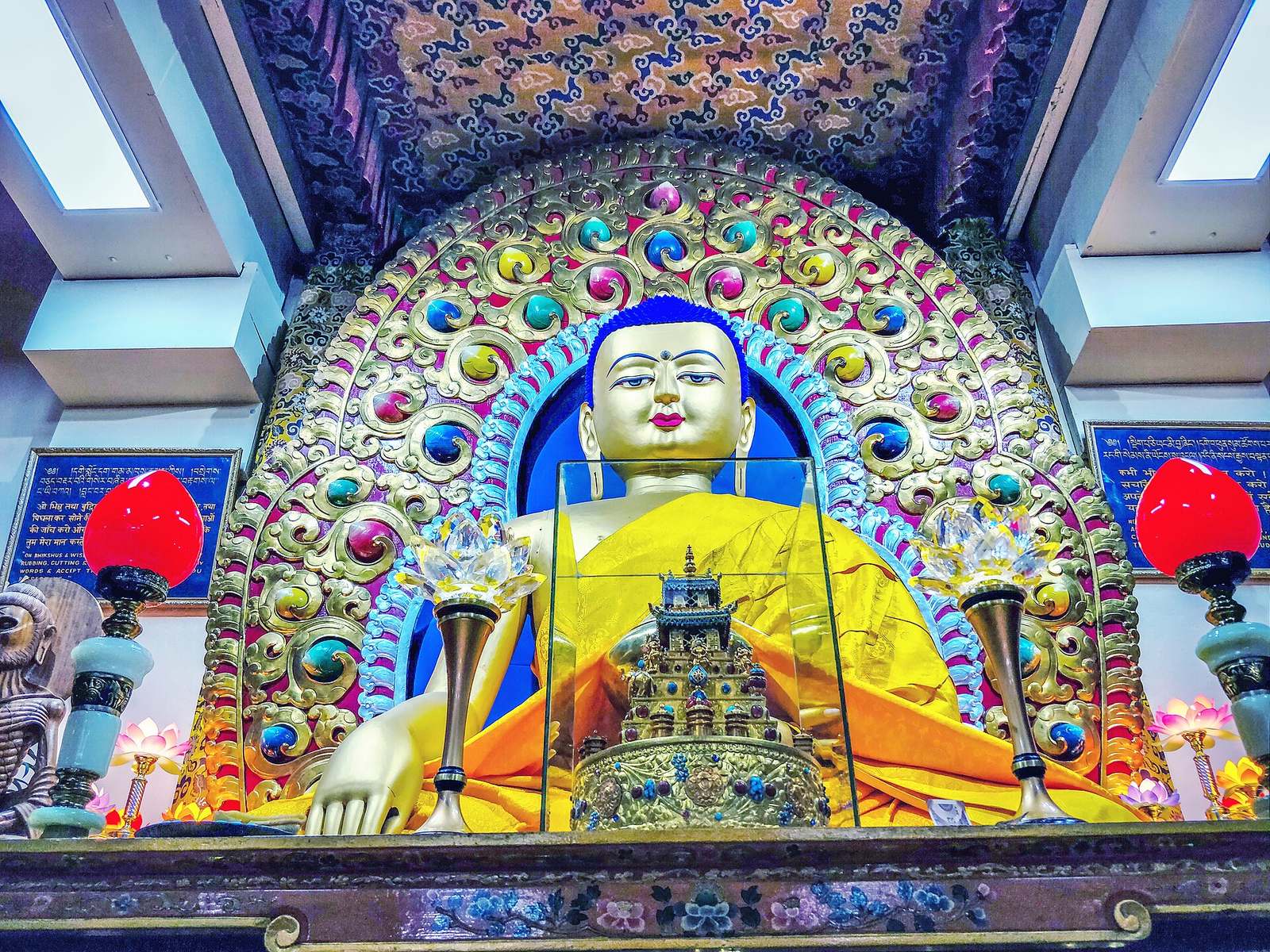
Dalai Lama Temple Timings 2026: Hours, Entry, Prayers & Rules (McLeod Ganj)
Dalai Lama Temple (Tsuglagkhang) timings: commonly listed as about 5 am to 8 pm daily, but no official hours are published. Entry is free and there are no tickets. Closing time, prayer and debate times, Tibet Museum hours, dress code, photo rules and the kora.
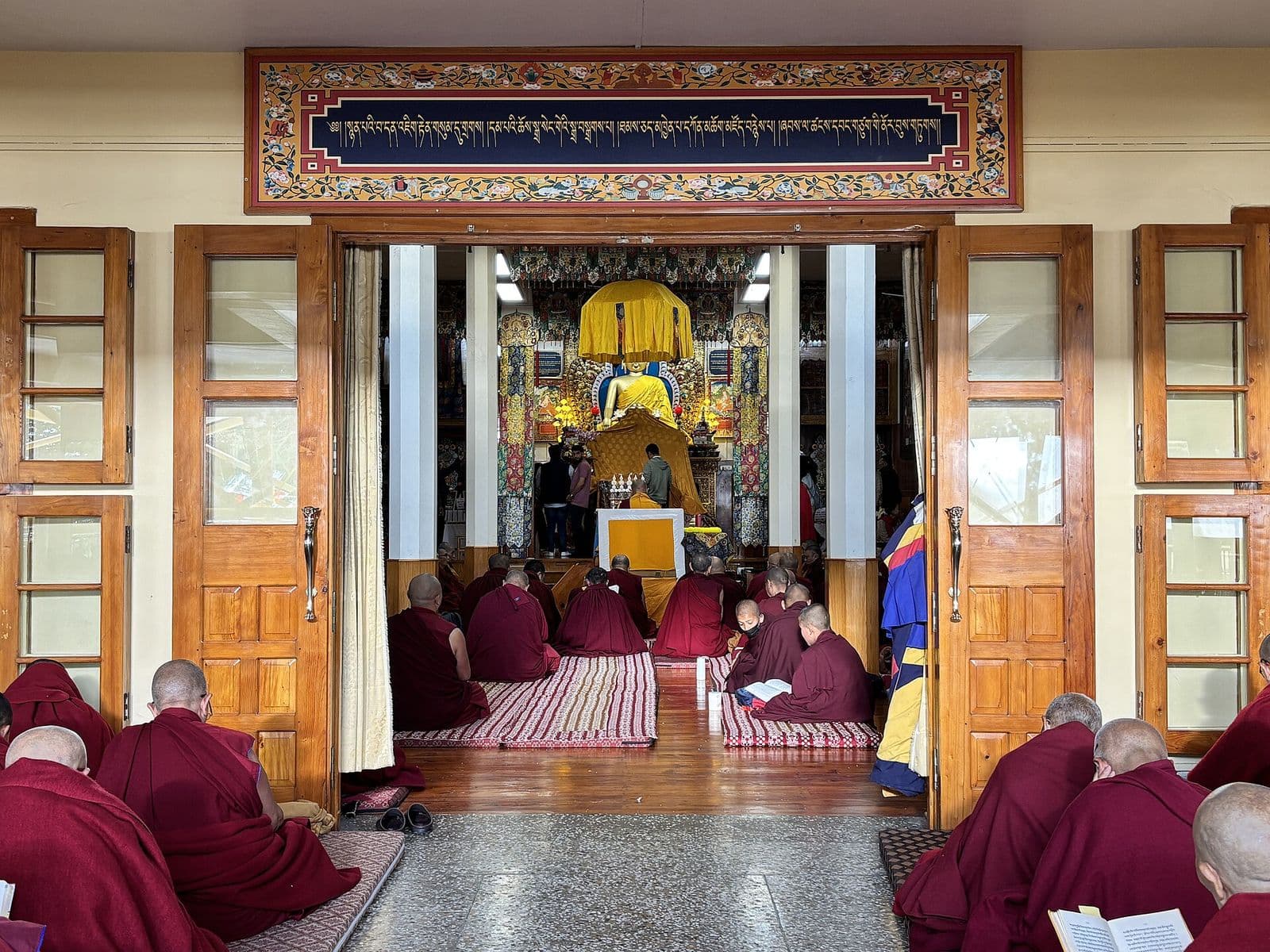
Losar & Tibetan Festivals in McLeod Ganj: Dates, What to See & Etiquette (2026-27)
A visitor's calendar of Tibetan festivals and events in McLeod Ganj: Losar, Monlam, Saga Dawa, the Dalai Lama's birthday, Tibetan Uprising Day, cham dances and the Dharamshala International Film Festival, with what you can attend and how to behave.
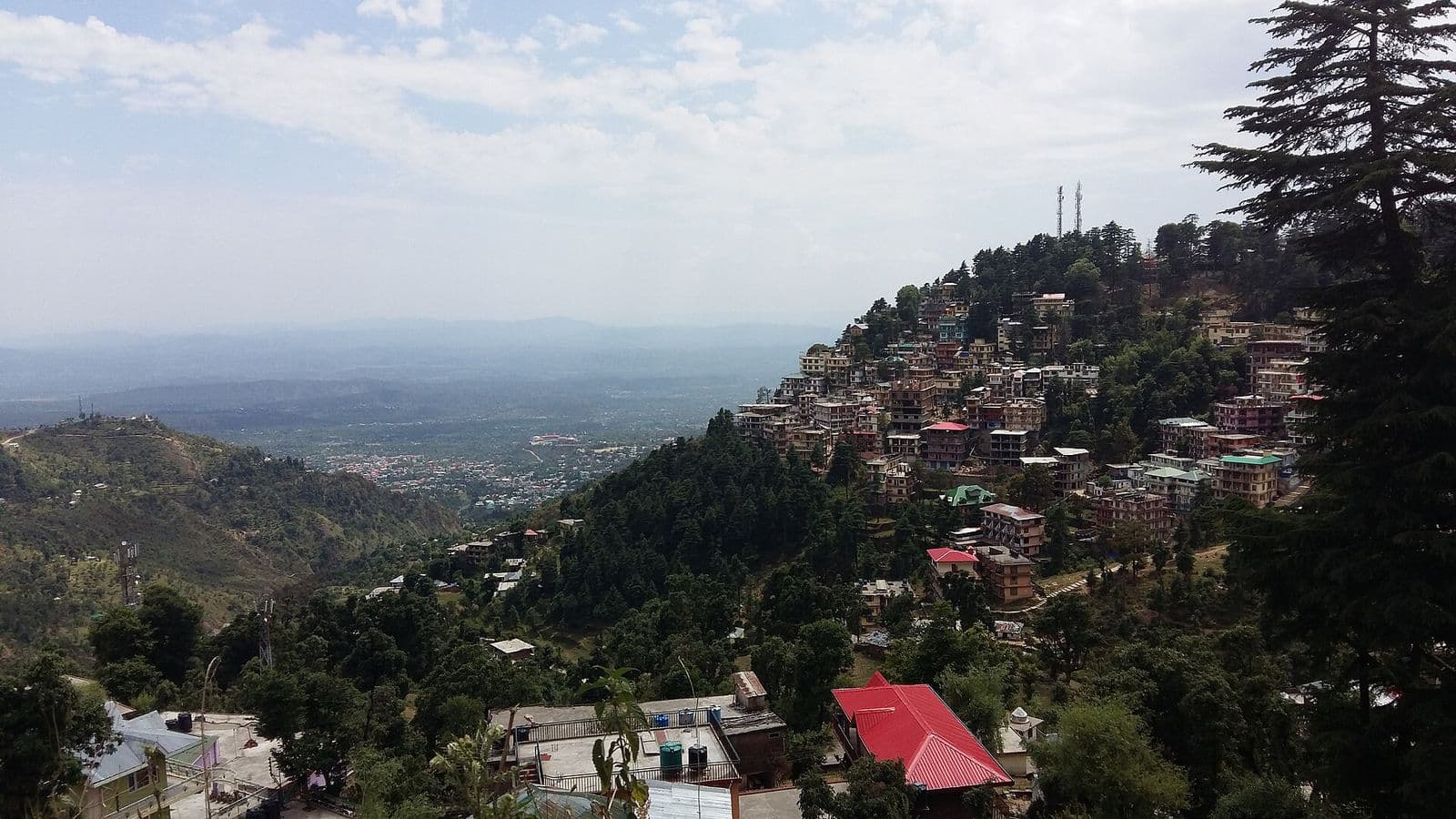
20 Best Things to Do in McLeod Ganj (2026): Experiences Locals Recommend
Walk the kora with Tibetan grandmothers, learn to fold momos, sit a meditation course, hike to Triund and spend an hour helping Tibetans practise English. The best things to do in McLeod Ganj, beyond the checklist.
Tibet Museum, Dharamshala: Timings, Ticket & New Location
The Tibet Museum is no longer in the Dalai Lama Temple complex. Since February 2022 it has been at the Central Tibetan Administration in Gangchen Kyishong. Timings, ticket price, closed days, what you will see and how to get there.