Tibet Museum, Dharamshala: Timings, Ticket & New Location
The Tibet Museum is no longer in the Dalai Lama Temple complex. Since February 2022 it has been at the Central Tibetan Administration in Gangchen Kyishong. Timings, ticket price, closed days, what you will see and how to get there.
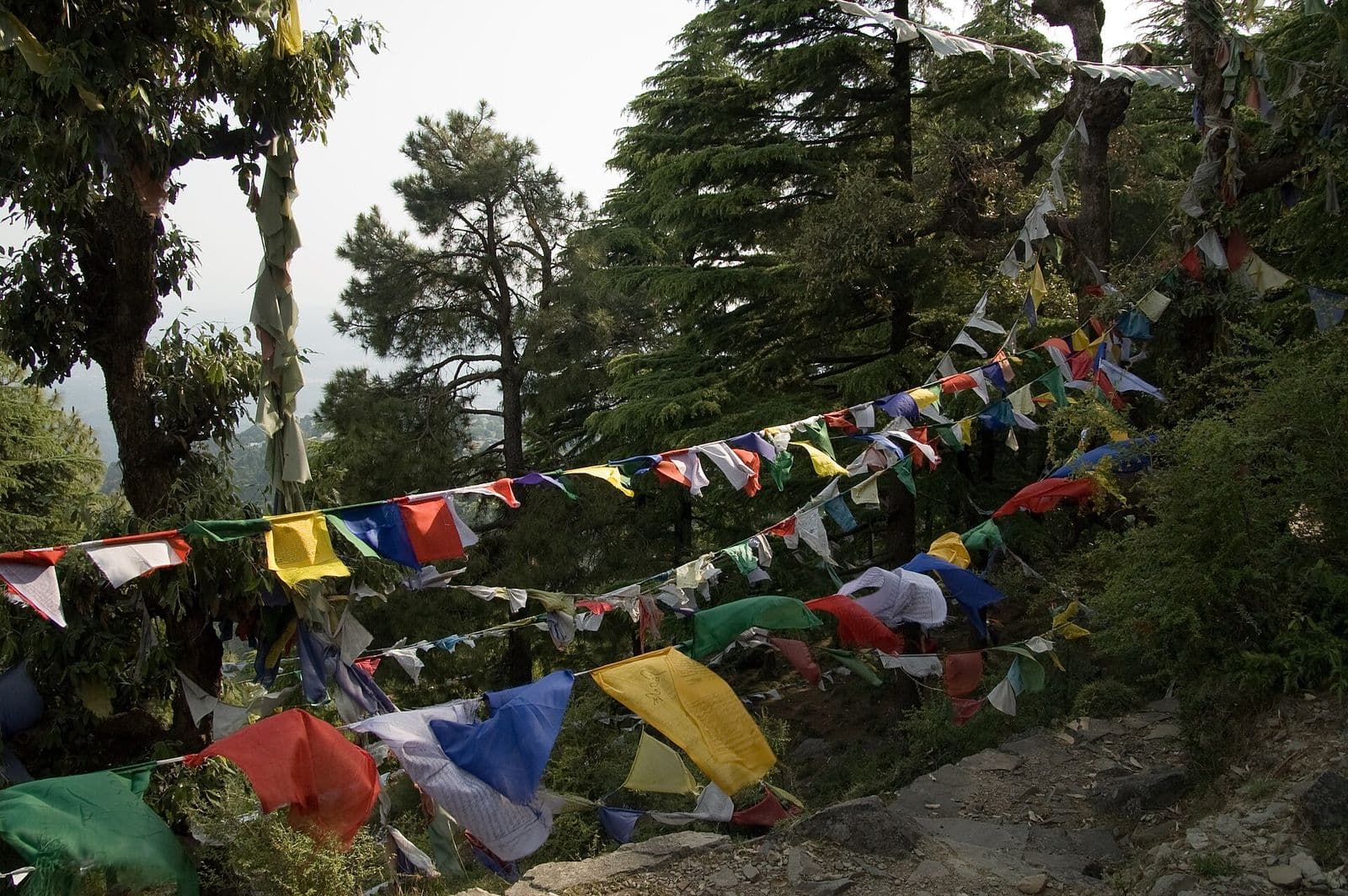
Short answer: The Tibet Museum is at Gangchen Kyishong (the CTA campus, between lower Dharamshala and McLeod Ganj), not in the Tsuglagkhang complex where it used to be; the new museum opened on 9 February 2022. It is open 9 am to 5 pm, closed 1 pm to 2 pm and on Saturdays, and a ticket is Rs 20 for adults (checked October 2026). Allow 1 to 1.5 hours.
The Tibet Museum is the museum of the Central Tibetan Administration (CTA), and it is the best single place in Dharamshala to understand why there is a Tibetan town on this hillside at all. One thing has changed that many maps, blogs and even some hotel desks have not caught up with: the museum is no longer in the Tsuglagkhang (Dalai Lama Temple) complex in McLeod Ganj. It moved down the hill to the CTA campus at Gangchen Kyishong, where the new museum was inaugurated on 9 February 2022.
If someone tells you it is "next to the temple", they are describing the old museum. Go to Gangchen Kyishong instead.
Quick facts
| Location | 2nd floor, T-Building, Central Tibetan Administration, Gangchen Kyishong, Dharamshala 176215 (between lower Dharamshala and McLeod Ganj) |
| Timings | 9 am to 5 pm |
| Lunch break | 1 pm to 2 pm (the museum is closed during this hour) |
| Closed | Saturdays, plus Tibetan festivals and gazetted holidays (the museum publishes a dated list each year) |
| Ticket | Rs 20 for adults; free for under-18s |
| Documentary screening | Rs 20 |
| Time needed | 1 to 1.5 hours; 2 hours if you watch the documentary |
| Group visits | Request in advance through the museum |
| Checked | October 2026, against the museum's official website |
Fees and holidays can change, so look at the official visit page before you go, especially around Losar (Tibetan New Year) and other Tibetan festivals.
A short history
The Tibet Museum was set up in 1998 by the CTA's Department of Information and International Relations, in McLeod Ganj. For more than twenty years it occupied a building in the Tsuglagkhang complex, below the main temple, which is why so many guides still place it there. A project to redesign it began in 2017, and the new museum at Gangchen Kyishong was formally opened by Sikyong Penpa Tsering, the head of the CTA, in February 2022.
The museum describes itself as made by Tibetans, for Tibetans. Its stated aim is to let Tibetans tell their own story: their history, culture and hopes for the future, through photographs, archives, film, objects and personal testimony.
What you will see
The permanent exhibition is called "I am Tibetan and This is my story". It is laid out in ten sections, which you walk through roughly in order:
- Tibet: Our Culture. An introduction that presents culture itself as a form of resistance.
- Who Writes Tibet's History? A timeline and objects setting out Tibet's history as an independent nation.
- Who is the Dalai Lama? The lineage and the life of the 14th Dalai Lama, with an interactive of 108 questions and answers about his life, messages and influence.
- Occupation. The Chinese occupation of Tibet and what followed.
- Resistance. Tibetan resistance from 1959 onwards.
- Escape. The journeys Tibetans made across the Himalaya into exile, told through testimonies, film, donated objects and photographs. This section also holds an Archive of Escape, where Tibetan visitors can record their own or their family's memories of leaving.
- Exile. How a refugee community rebuilt schools, monasteries and a democratic administration outside Tibet.
- Tibet Today. Policies inside Tibet now.
- The Environment. Deforestation, mining, dams and melting glaciers on the Tibetan plateau.
- Being Tibetan. Tibetans in the arts, academia and other fields today.
It is not a museum of statues and treasures. The Library of Tibetan Works and Archives next door is the place for thangkas and old manuscripts. The Tibet Museum is about people and recent history. Some of the testimonies, particularly in the Occupation and Escape sections, are hard to read. Older children usually take a lot from it, but parents of younger ones may want to look through those sections first.
The museum also screens documentaries; recently it has been showing Man of Peace. Ask at the desk what is on and when the next screening starts.
How to visit respectfully
- Many of the stories are about people who are still alive, and their families live in Dharamshala. Read them quietly and keep phone calls outside.
- The Archive of Escape is a real collection of memories, not a photo opportunity.
- The museum's website does not publish a photography policy. Ask at the ticket desk before you take any pictures, and never photograph testimony panels of identifiable people without permission.
- The museum is inside a working government campus with offices around it. Dress as you would for any office visit and keep your voice down in the corridors.
For wider context on gestures, dress and conversation, read our Tibetan culture and etiquette guide.
Where is the Tibet Museum?
Gangchen Kyishong is the CTA campus on the road between lower Dharamshala (Kotwali Bazaar) and McLeod Ganj. The museum is on the 2nd floor of the T-Building. Several Tibetan institutions share the campus and the area just around it, which is why it makes such a good half-day:
- Central Tibetan Administration offices
- Library of Tibetan Works and Archives (LTWA), with its own museum floor of statues, thangkas and manuscripts
- Nechung Monastery (Nechung Drayangling), seat of the State Oracle of Tibet, right next to the Library
Ask for "Gangchen Kyishong", "CTA" or "the Library" and any taxi driver will know it. The name "Tibet Museum" alone may still send someone up to the temple.
How to get there
From McLeod Ganj
- Taxi: the quickest way, about 10 to 15 minutes down the main road, depending on traffic in the town. Taxis wait at the McLeod Ganj main square, or you can book a local taxi in advance if you want the driver to wait while you visit the museum, the Library and Nechung.
- On foot: a steep downhill walk of about 30 to 45 minutes, partly on footpaths and stairways. Ask locally for the shortcut; most people walk down and take a taxi back up. It is not a comfortable walk in heavy monsoon rain.
From Kotwali Bazaar (lower Dharamshala)
- Taxi: about 10 to 15 minutes up the main road towards McLeod Ganj.
- Local bus: some buses between the Dharamshala bus stand and McLeod Ganj run past Gangchen Kyishong. Check the route and tell the conductor where you want to get off.
If you are staying in lower Dharamshala, it is easy to visit the museum on the way up to McLeod Ganj and the temple.
Combine it with the Library and Nechung
A good half-day at Gangchen Kyishong looks like this:
| Time | Stop | Notes |
|---|---|---|
| 9:30 am | Tibet Museum | Arrive soon after opening; allow 1 to 1.5 hours |
| 11:00 am | Library of Tibetan Works and Archives | Look at the museum floor and the bookshop; check the day's opening times at reception |
| 12:00 pm | Nechung Monastery | A short walk away; a painted temple hall with drums and long horns |
| 1:00 pm | Lunch | Everything pauses from 1 to 2 pm, so plan to eat now |
Two timing traps:
- The museum is closed every Saturday, and the Library, according to its contact page, is closed on Sundays, on the second to fifth Saturdays of the month and on gazetted holidays. Monday to Friday is the safe choice if you want both.
- Nechung is a working monastery and the seat of the State Oracle. The CTA holds formal invocation ceremonies there in summer and winter; these are official ceremonies, not tourist events. On an ordinary day you can visit quietly in daylight.
For more Tibetan Buddhist sites around town, see our monasteries and meditation guide. The Dalai Lama Temple guide covers the Tsuglagkhang, the kora walk and public teachings.
Fitting it into your trip
- One day in McLeod Ganj: temple and kora in the early morning, then a taxi down to Gangchen Kyishong for the museum before lunch.
- A longer stay: our 3-day Dharamshala itinerary places the museum, the Library and Nechung on the day you head down the hill. Our list of places to visit in Dharamshala has the rest.
- Where to stay: McLeod Ganj is the usual base. Hotels near the Dalai Lama Temple put you a short taxi ride from Gangchen Kyishong.
Practical tips
- Go on a weekday morning. You get the full morning before the lunch break, and time for the Library and Nechung afterwards.
- Carry small notes. At Rs 20 a ticket, the desk will be glad not to have to change a Rs 500 note.
- Watch the lunch hour. If you arrive at 12:45 pm you will have fifteen minutes before the doors close until 2 pm.
- Check the holiday list. The museum closes for Tibetan festivals and gazetted holidays, and Tibetan dates follow the lunar calendar, so they move every year.
- Read before or after. The Library next door has a good bookshop if you want to go deeper into what you have seen.
Frequently Asked Questions
Where is the Tibet Museum in Dharamshala?
Is the Tibet Museum still in the Dalai Lama Temple complex?
What are the Tibet Museum timings?
What is the Tibet Museum entry fee?
How long do you need at the Tibet Museum?
Can I take photos inside the Tibet Museum?
How do I get to the Tibet Museum from McLeod Ganj?
More answers on our Dharamshala travel Q&A page.
Where to stay: see our picks of the best hotels in Dharamshala and the best hotels in McLeod Ganj, or compare all hotels and homestays with direct rates.
Need Help Planning Your Dharamshala Trip?
Our local team can help with hotels, treks, taxis, and custom itineraries.
Sources
Checked 2026-10-16. Facts change; confirm on the official pages before you travel.
Related Guides
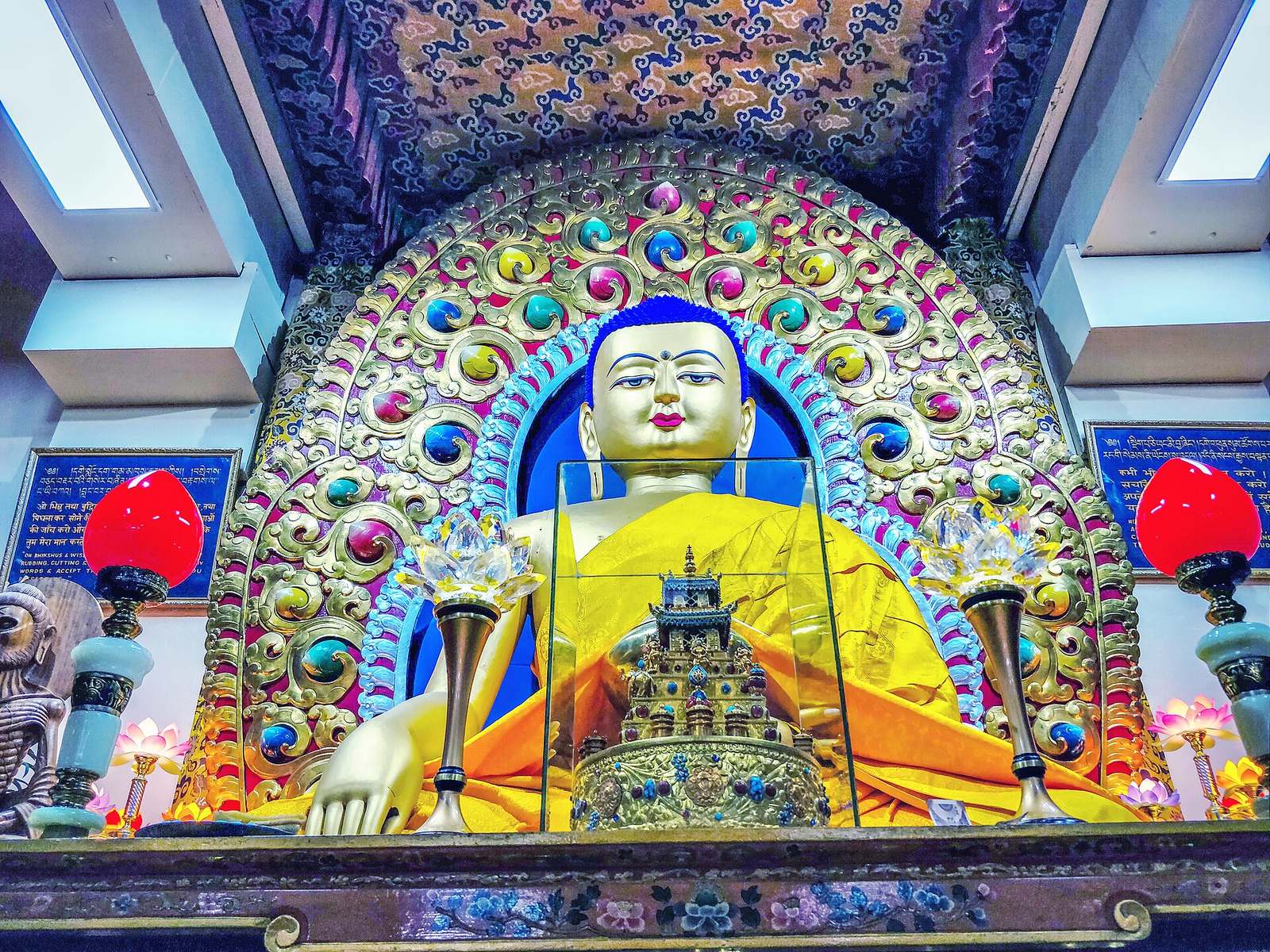
Dalai Lama Temple Timings 2026: Hours, Entry, Prayers & Rules (McLeod Ganj)
Dalai Lama Temple (Tsuglagkhang) timings: commonly listed as about 5 am to 8 pm daily, but no official hours are published. Entry is free and there are no tickets. Closing time, prayer and debate times, Tibet Museum hours, dress code, photo rules and the kora.
Tibetan Culture & Etiquette in McLeod Ganj: A Respectful Visitor Guide (2026)
How Tibetans came to McLeod Ganj, and the etiquette that matters at monasteries, around monks, at prayer wheels and in conversation, plus the institutions worth visiting to understand Tibetan life in exile.
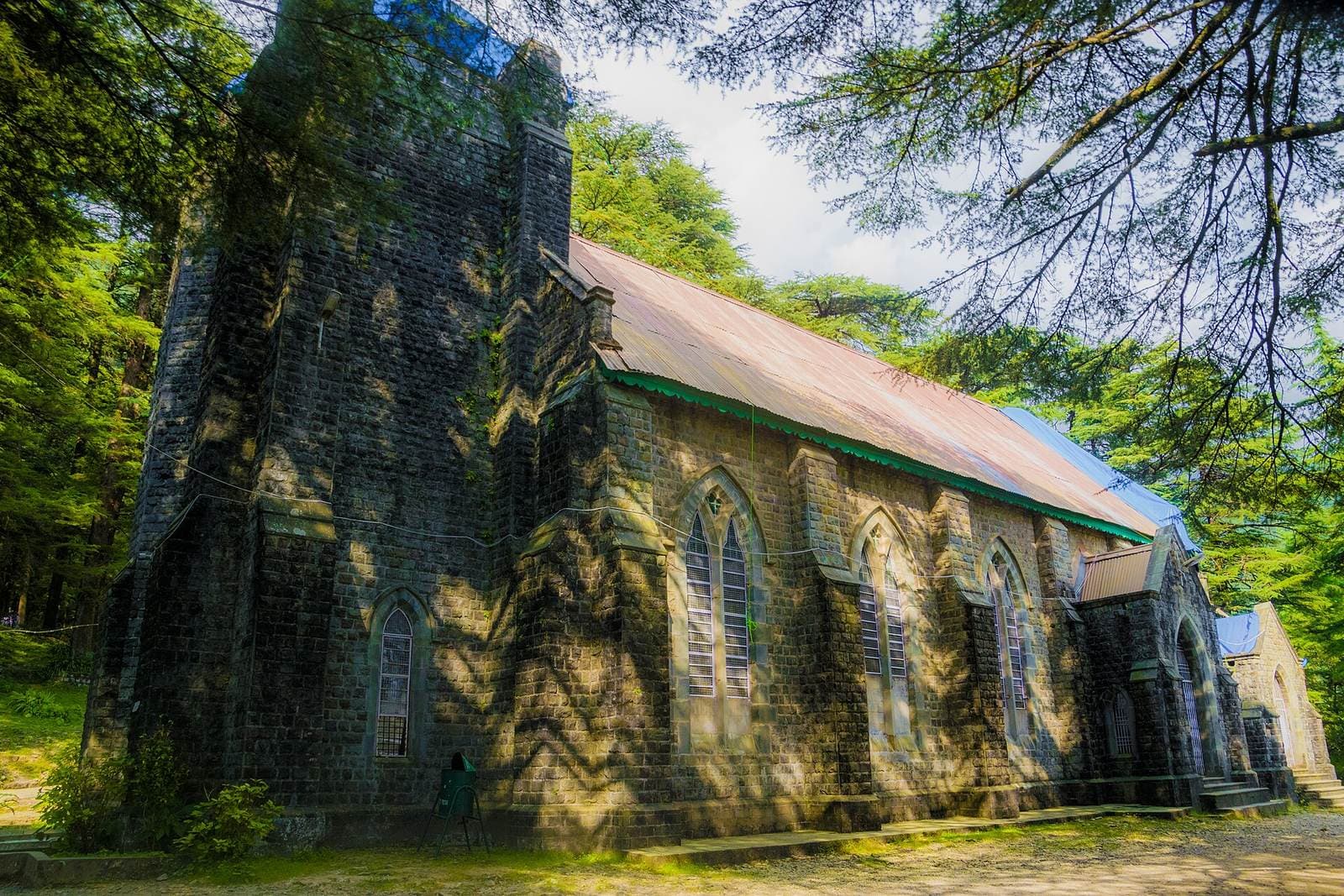
24 Best Places to Visit in Dharamshala & McLeod Ganj (2026 Local Guide)
The places worth your time in Dharamshala and McLeod Ganj, from the Dalai Lama Temple and Bhagsu waterfall to Triund, Naddi and Kangra Fort, with timings, entry fees and how long each one really takes.
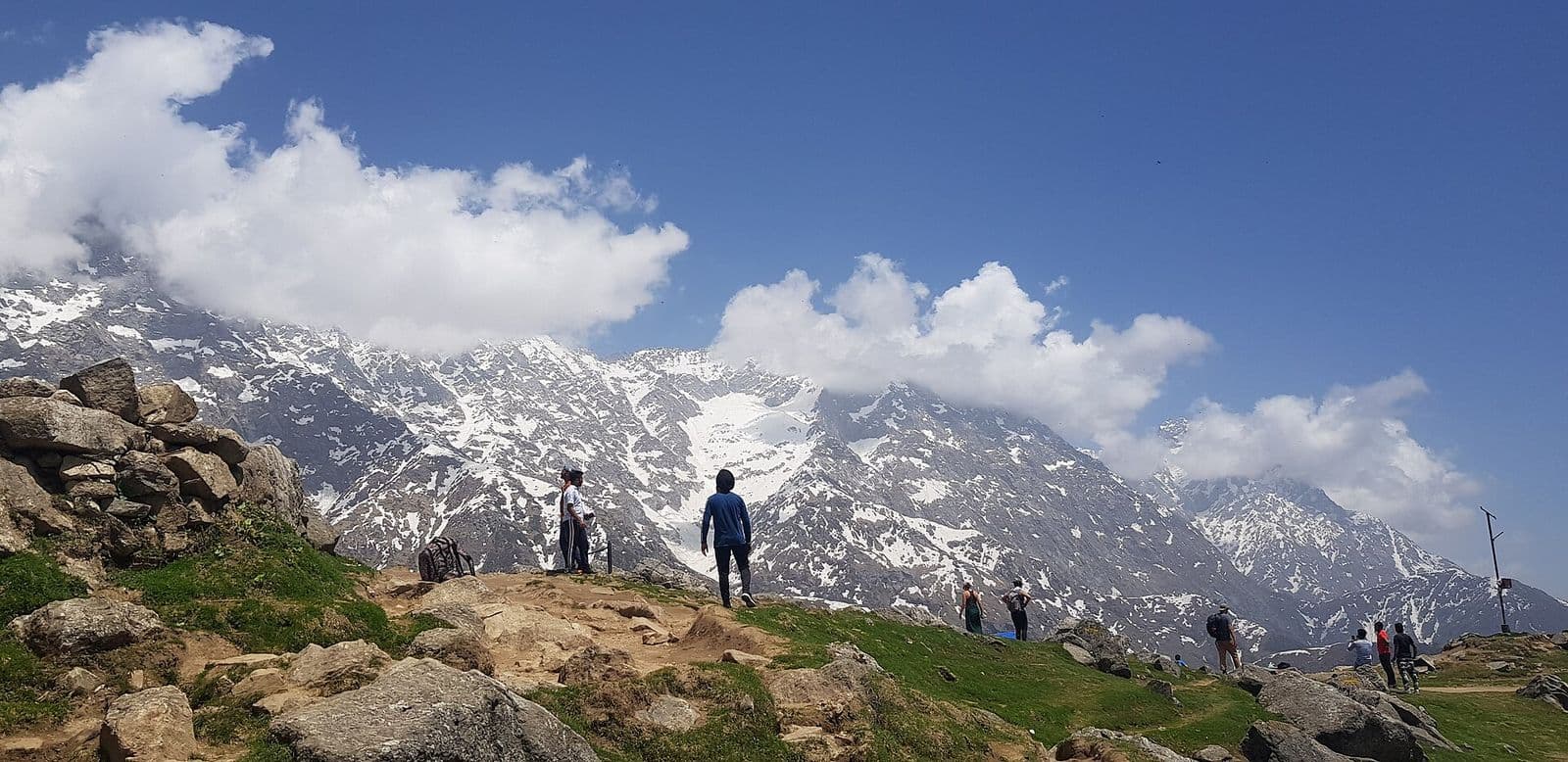
Dharamshala 3-Day Itinerary: McLeod Ganj, Triund & Naddi
Two tested 3-day plans for Dharamshala and McLeod Ganj: one for temples, the Tibet Museum, Bhagsu, Dharamkot and Naddi, and one with a night camping on Triund. Timings, transport, where to sleep and costs for a couple.