Tibetan Food in McLeod Ganj: Dishes to Try & Where to Eat (2026)
A local guide to Tibetan food in McLeod Ganj: momos, thukpa, thenthuk, tingmo, shapaley, laphing and butter tea, with well-known places to eat, vegetarian tips and table etiquette.
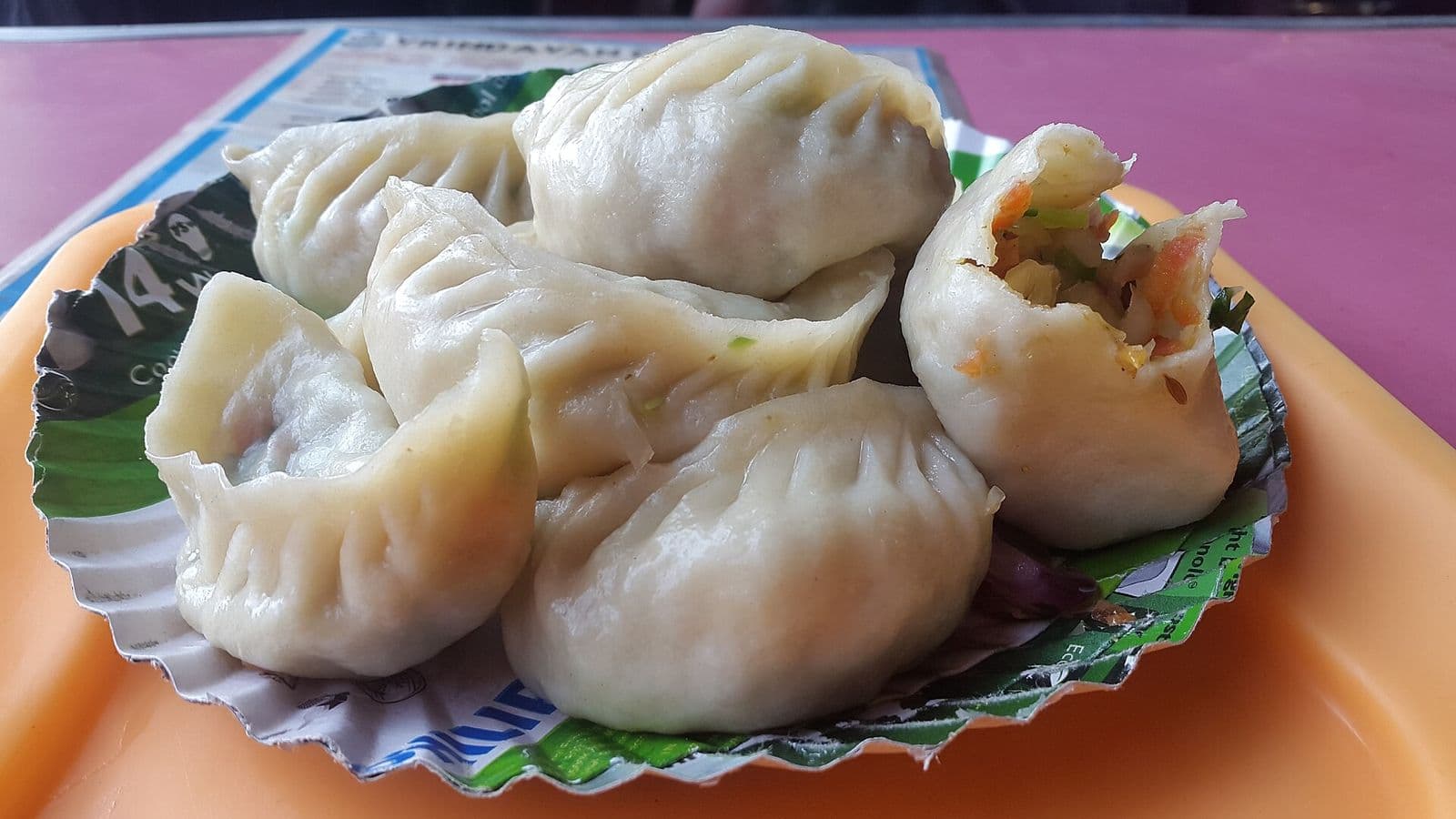
McLeod Ganj is the best place in India to eat Tibetan food, because it is home to one of the largest Tibetan communities outside Tibet. The dishes to try are momos, thukpa, thenthuk, tingmo, shapaley (sha phaley), laphing and butter tea, and you will find them everywhere from family-run kitchens on Jogiwara Road to street carts near the main square.
This guide explains what each dish actually is, how to order it, which long-running places locals and regular visitors point to, and what vegetarians should know. Prices are approx. as of 2026.
Why Tibetan Food Is Different Here
Tibetan cooking evolved for high altitude and cold: barley, wheat, yak and mutton, dairy and few vegetables. In exile, the menu adapted to Indian ingredients, so in McLeod Ganj you will find more vegetable and paneer versions, chicken alongside mutton, and plenty of chilli sauce (sepen) on the table. What has not changed is the comfort factor: on a cold Dhauladhar evening, nothing beats a bowl of hand-pulled noodle soup.
Tibetan Dishes You Must Try
Momos
Steamed or fried dumplings, the dish everyone knows. Fillings are usually vegetable, cheese, chicken or mutton (buff is uncommon here). Order them steamed first to judge the quality of the dough: it should be thin but not tear. A plate of 8 to 10 momos costs approx. ₹80–200 depending on filling and where you eat. Always try them with the house chilli sauce.
Thukpa
A noodle soup with thin, long noodles in broth, with vegetables or meat. It is gentle, filling and the standard order for anyone feeling the cold or recovering from a trek. Approx. ₹120–250 a bowl.
Thenthuk
Thukpa's more rustic cousin. Instead of long noodles, the dough is pulled by hand into flat, irregular pieces (then means pull, thuk means noodle). The broth is usually richer, with spinach, radish and tomato. Many locals prefer it to thukpa; try both and decide.
Tingmo
A soft, steamed, twisted bread, often served with a meat or vegetable curry or a stew such as shapta. It is the Tibetan answer to a dinner roll, light and slightly sweet, perfect for mopping up sauce.
Shapaley (sha phaley)
These are the same dish written two ways: sha means meat and phaley (or balep) means bread. Shapaley are fried bread pockets stuffed with spiced minced meat, a little like a Tibetan empanada. Vegetarian and cheese versions exist too. Order them hot from the pan; they go soggy quickly.
Laphing
A cold, spicy noodle made from mung bean or wheat starch, cut into strips or rolled around a slab of gluten, and dressed with chilli oil, garlic, soy and vinegar. It is a street snack, not a restaurant dish: look for small carts and stalls around the main square and along Temple Road, especially in the afternoon. Expect approx. ₹50–100 a portion. It is very spicy by default; ask for less chilli if needed.
Butter tea (po cha)
Black tea churned with butter and salt. It is savoury, not sweet, and closer to a thin soup than to Indian chai. Many first-timers dislike it; try a small cup before committing. Locals drink it with tsampa, roasted barley flour mixed into a dough with the tea.
Also worth trying
- Shapta: stir-fried slices of meat with onion, chilli and peppers.
- Gyathuk or chowmein: Tibetan-style stir-fried noodles.
- Tibetan bread: a thick, slightly fried flatbread eaten at breakfast with honey, jam or eggs.
- Phing sha: a stew of glass noodles with meat and vegetables.
Where to Eat Tibetan Food in McLeod Ganj
We only list places that have been around for years and are widely known. Menus and prices change, and small kitchens close on some days or in the off season, so check before you walk over.
| Place | Area | Known for |
|---|---|---|
| Tibet Kitchen | Main square / Jogiwara Road | A long-running sit-down restaurant with a broad Tibetan menu: thenthuk, shapta, momos, plus some Bhutanese dishes |
| Peace Cafe | Jogiwara Road area | A tiny, simple cafe popular for thukpa, thenthuk and momos; expect to share a table |
| Namgyal Cafe | Temple Road, near the Tsuglagkhang Complex | Run by the Namgyal Monastery community; Tibetan bread, thenthuk and shapaley, plus pizzas |
| Lhamo's Croissant | Bhagsunag Road | Bakery-cafe with tsampa, butter tea and Tibetan breakfasts |
| Street carts | Main square, Temple Road, Jogiwara Road | Laphing, steamed vegetable momos, Tibetan bread |
Beyond McLeod Ganj, the cafe at Norbulingka Institute in Sidhbari serves Tibetan dishes in a peaceful garden setting and pairs well with a visit to the institute. For coffee and work-friendly spots rather than Tibetan food, see our top cafes in McLeod Ganj.
Vegetarian and Vegan Notes
Traditional Tibetan food is meat-heavy, but McLeod Ganj is very vegetarian-friendly in practice:
- Almost every menu offers vegetable, cheese or paneer momos, veg thukpa and veg thenthuk.
- Many Tibetans eat less meat on auspicious days, especially during Saga Dawa (a holy month in the Tibetan calendar, usually around May or June), and some kitchens serve only vegetarian food then.
- Broths can be meat-based even in veg dishes at some places. If you are strictly vegetarian, ask whether the soup stock is vegetable.
- Vegans should ask about butter and cheese; butter tea and many breads contain dairy.
- Jain-friendly food (no onion or garlic) is hard to find in Tibetan kitchens; Indian vegetarian restaurants in Dharamshala are easier.
Etiquette and Ordering Tips
- Say tashi delek (hello, good luck) when you enter a family-run place; it is always appreciated.
- Expect slow service at small kitchens. Many momos and noodles are made to order by one or two people. Order soup and momos together and be patient.
- Share plates. Tibetan meals are communal; order a mix and pass it around.
- Use both hands or your right hand when offering or receiving something, especially from elders and monks.
- Do not waste food. Order a smaller portion if you are unsure.
- Respect monks' time. If you share a table with monks or nuns, it is fine to smile and say hello, but do not photograph them without asking.
- Tipping is not compulsory, but rounding up or leaving 5 to 10 percent at sit-down restaurants is appreciated.
A Simple Tibetan Food Day in McLeod Ganj
- Breakfast: Tibetan bread with honey and a cup of butter tea (or sweet tea if butter tea is not for you).
- Late morning: Visit the Dalai Lama temple and walk the kora.
- Lunch: Steamed momos and a bowl of thenthuk on Jogiwara Road.
- Afternoon: Laphing from a street cart near the main square.
- Dinner: Tingmo with shapta, and shapaley straight from the pan.
Festival Food: Losar and Beyond
If you visit around Losar, the Tibetan New Year (usually February or early March), you will see families frying khapse, crisp twisted biscuits made in many shapes and stacked as offerings and snacks for guests. Two days before Losar, households eat guthuk, a noodle soup with nine ingredients in which dough balls hide small objects that are said to reveal something about the eater's character, to much laughter around the table. Some restaurants serve guthuk around that night; ask on the day.
Losar is also when the community is busiest with prayers and family visits, so some small kitchens close for a few days. Plan a backup meal or two.
How to Spot Good Momos and Noodles
- Busy with locals is the best sign. If monks, students and Tibetan families are eating there, order what they are eating.
- Made-to-order momos take 15 to 20 minutes. A plate that arrives in two minutes was probably steamed earlier and reheated.
- Thin, pleated skin with juicy filling is the goal; thick, dry dough means a rushed kitchen.
- Fresh chilli sauce on the table, ideally house-made, says a lot about the cook.
- Hand-pulled thenthuk should be uneven in shape. Perfectly uniform squares usually mean machine-cut dough.
Can You Learn Tibetan Cooking?
Yes. McLeod Ganj and nearby Bhagsu have had small Tibetan cooking classes for many years, typically teaching momos, thukpa and Tibetan bread in a 2 to 3 hour session. Classes come and go, so ask your hotel or look for current notices around Jogiwara Road and Bhagsu Road when you arrive.
Where to Stay for Food Lovers
Stay in central McLeod Ganj so you can walk to the main square, Jogiwara Road and Temple Road in minutes. If you prefer quiet nights, Dharamkot is 15 to 20 minutes uphill on foot. Browse our hotels, read best hotels in McLeod Ganj, and see things to do in McLeod Ganj to fill the rest of your day. Questions about bookings are answered in our FAQ.
Frequently Asked Questions
What is the most famous food in McLeod Ganj?
What is the difference between thukpa and thenthuk?
Is shapaley the same as sha phaley?
Is Tibetan food in McLeod Ganj good for vegetarians?
More answers on our Dharamshala travel Q&A page.
Need Help Planning Your Dharamshala Trip?
Our local team can help with hotels, treks, taxis, and custom itineraries.
Related Guides
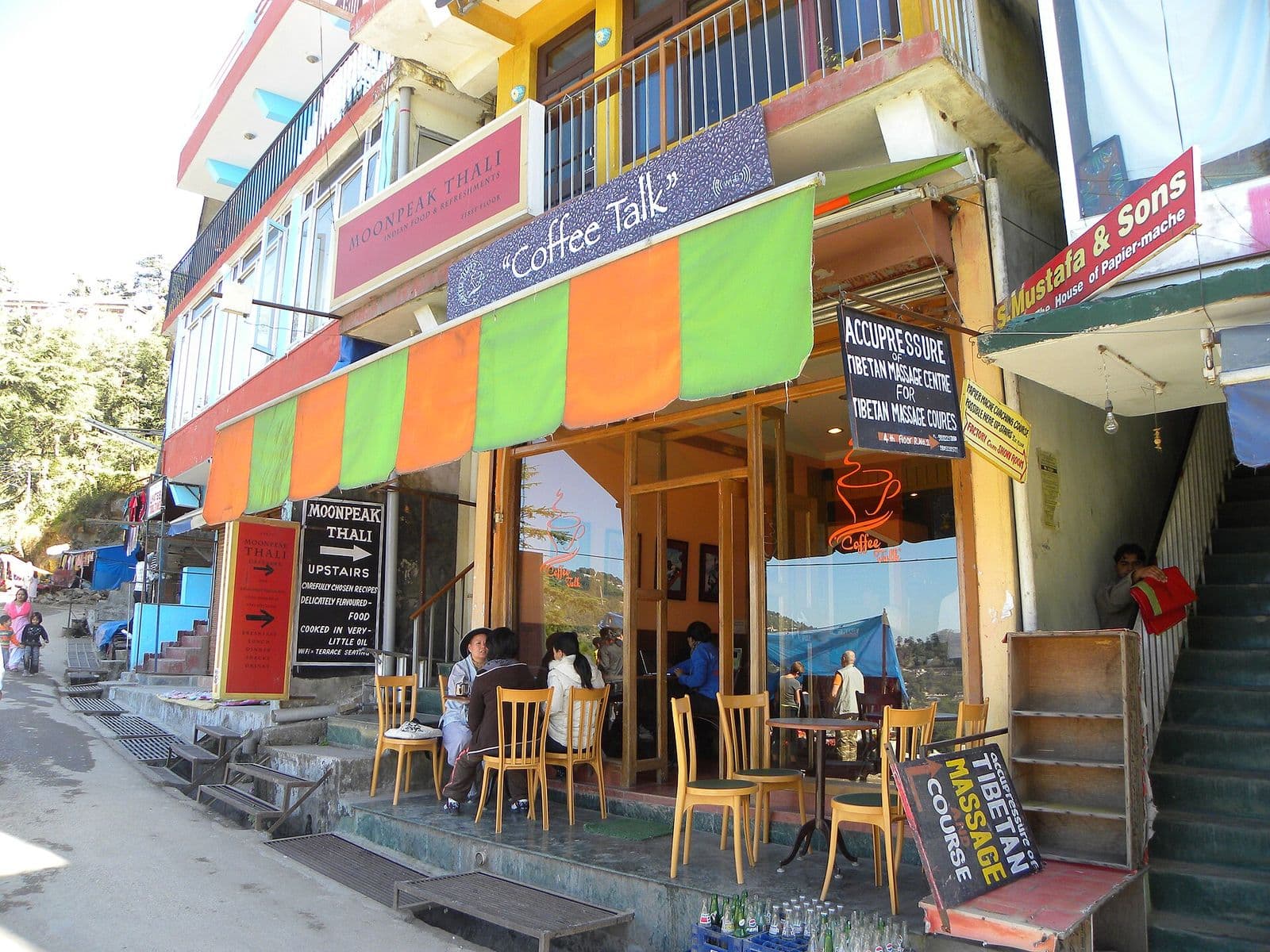
Top 12 Cafes in McLeod Ganj You Must Visit (2026)
From Tibetan butter tea to artisan espresso -- the cafes our team visits every week, with honest reviews.
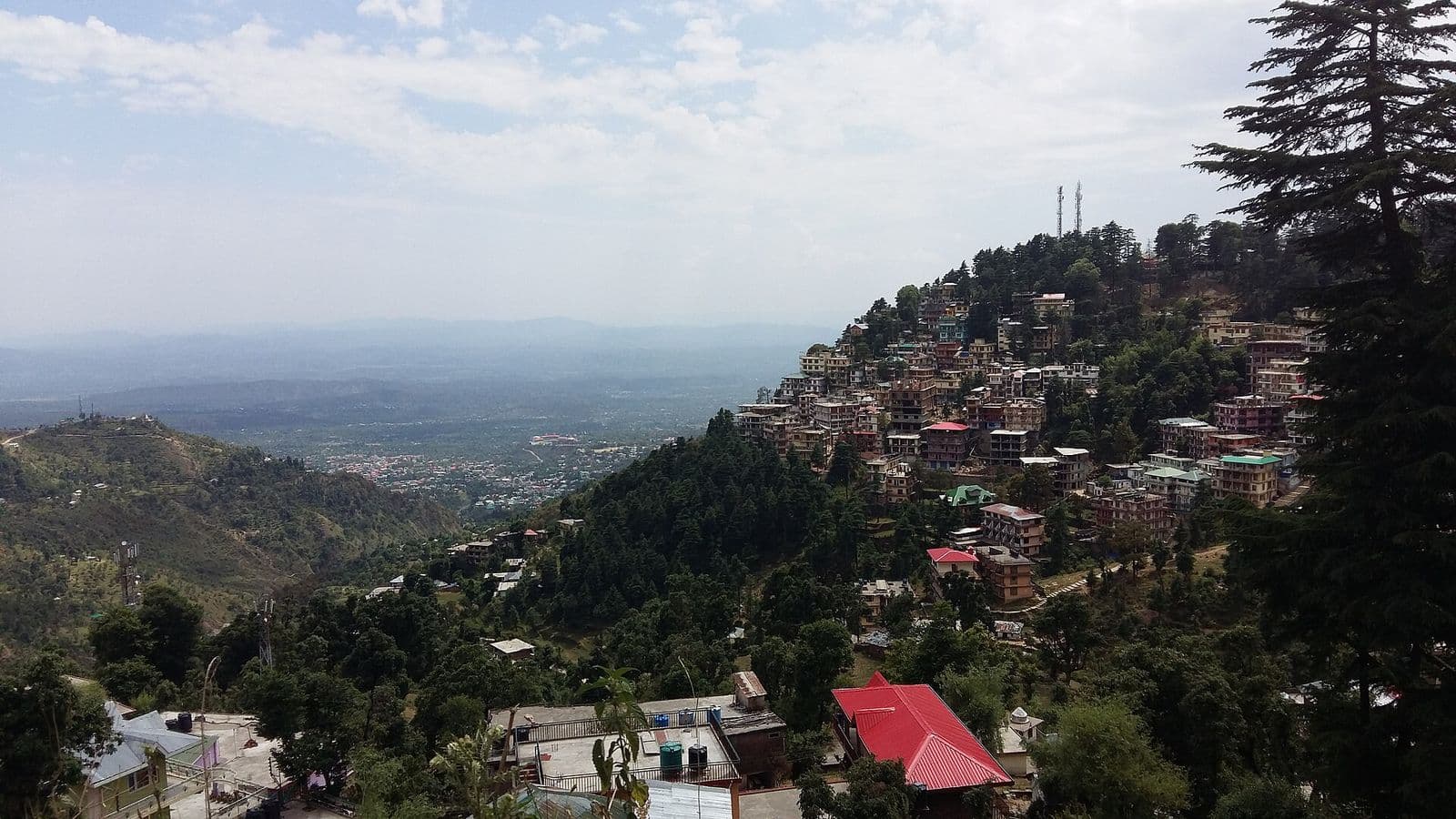
20 Best Things to Do in McLeod Ganj (2026): Experiences Locals Recommend
Walk the kora with Tibetan grandmothers, learn to fold momos, sit a meditation course, hike to Triund and spend an hour helping Tibetans practise English. The best things to do in McLeod Ganj, beyond the checklist.
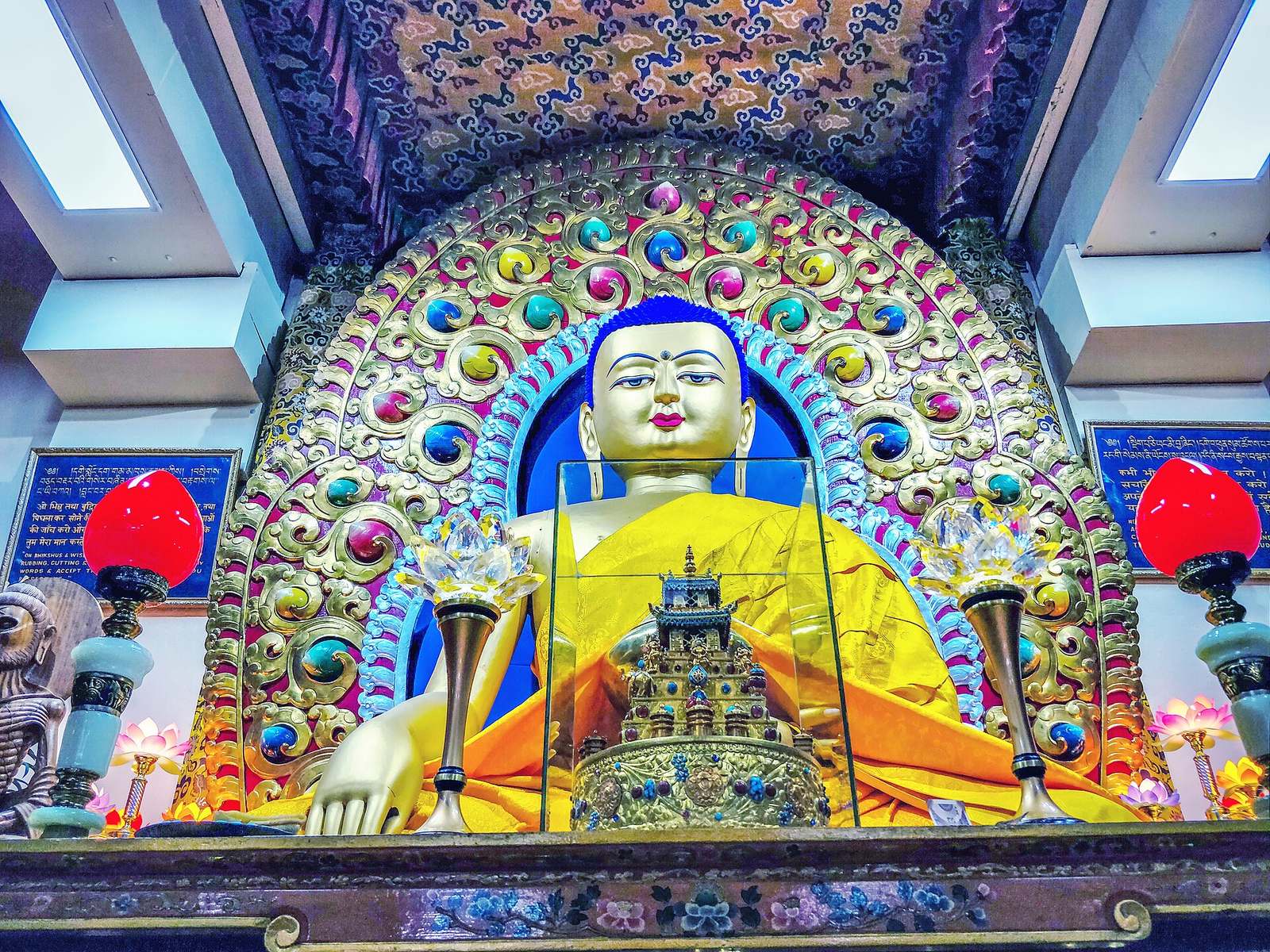
Dalai Lama Temple, McLeod Ganj (2026): Timings, Etiquette, Teachings and Kora
A complete visitor guide to the Tsuglagkhang complex in McLeod Ganj: what is inside, opening hours, dress code, photography rules, the Tibet Museum, the kora walk, and how to attend a public teaching.
Dharamshala vs McLeod Ganj: Where Should You Stay? (2026)
Lower Dharamshala or McLeod Ganj? A local comparison for families, backpackers, spiritual seekers, cricket fans and nightlife lovers, plus Bhagsu, Dharamkot and Naddi alternatives.