Sidhbari Guide 2026: Norbulingka Institute, Gyuto Monastery & Chamunda
How to spend a half or full day in Sidhbari near Dharamshala: Norbulingka Institute and its arts workshops and doll museum, Gyuto Monastery and its Karmapa connection, Chinmaya Tapovan, and how to combine it all with Chamunda Devi.
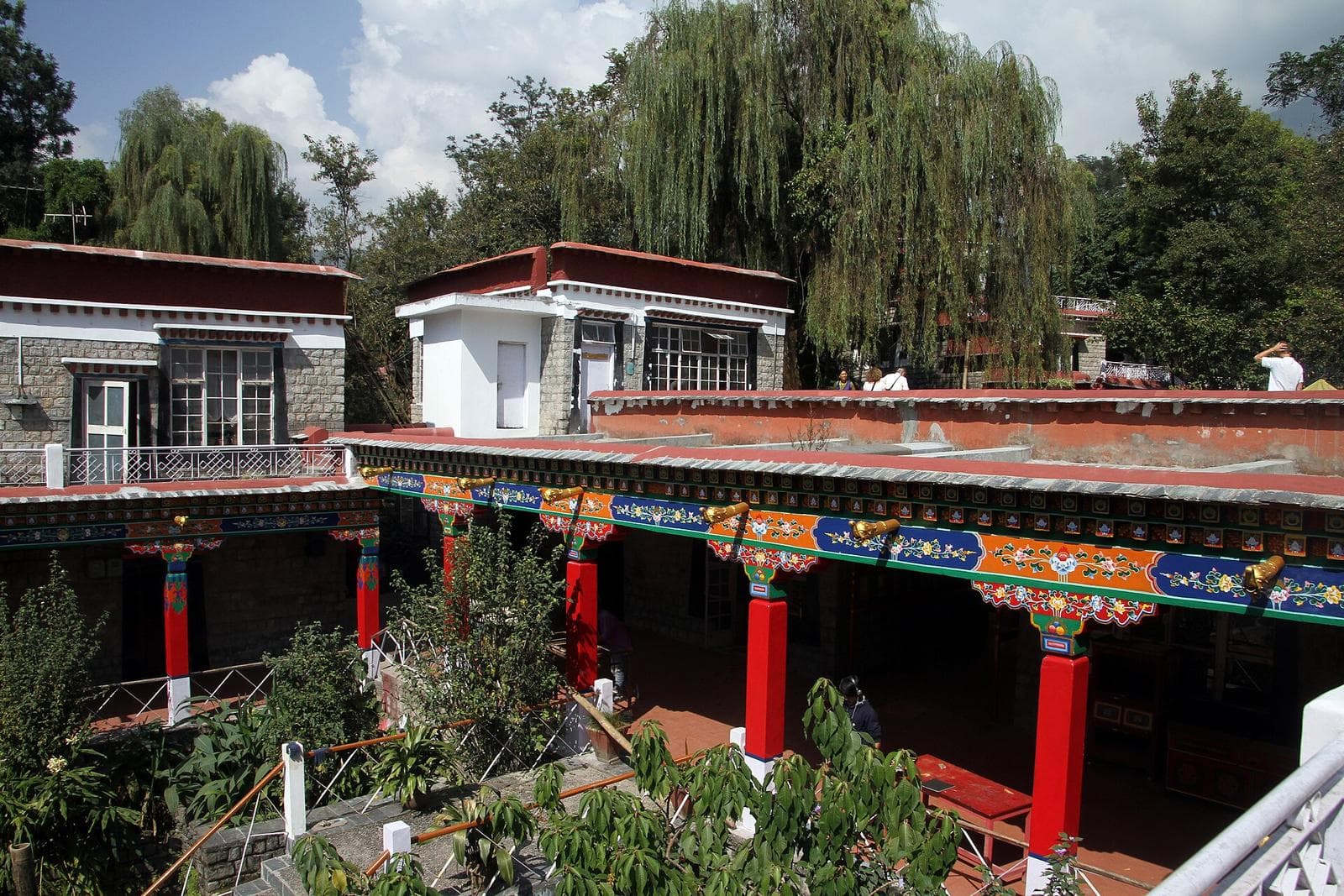
Sidhbari is a quiet area about 7 to 10 km south-east of Dharamshala, on the way to Palampur, home to three very different places worth a half or full day: Norbulingka Institute, a centre preserving Tibetan arts with beautiful gardens and workshops; Gyuto Monastery, the seat of one of the great Tibetan tantric colleges and the former residence of the 17th Karmapa; and Chinmaya Tapovan, a Hindu ashram with a large Hanuman statue. With Chamunda Devi temple about 15 km from Dharamshala on the same side of the valley, this corner makes an ideal taxi day out.
This guide explains what each place is, how long to spend, how to combine them in a sensible route, where to eat and stay, and what to skip. Prices are approx. as of 2026.
Quick facts
| Location | Sidhbari, about 7 to 10 km from Dharamshala; 15 to 17 km from McLeod Ganj |
| Main sights | Norbulingka Institute, Gyuto Monastery, Chinmaya Tapovan, Chamunda Devi nearby |
| Time needed | Half day for Norbulingka and Gyuto; full day with Chamunda |
| Entry fees | Norbulingka charges a modest entry fee; Gyuto and Chinmaya Tapovan generally free (check locally) |
| Getting there | Taxi from McLeod Ganj (half-day hire approx. ₹1,800 to ₹2,800 as of 2026) |
| Best time | All year; October to March for clear mountain views |
Norbulingka Institute
Norbulingka Institute was founded in 1988 to preserve Tibetan culture in exile, especially its traditional arts. It is named after the Dalai Lama's summer palace in Lhasa and is built in a mix of Tibetan and Japanese garden styles, with streams, bridges, moss-covered stones and bamboo groves. Even if you are not into art, the gardens alone make it one of the most peaceful places around Dharamshala.
What to see
- The artists' workshops: watch Tibetan artists at work on thangka painting, woodcarving, metal statue making and appliqué and embroidery. Work happens on weekdays; workshops may be closed on Sundays and some holidays.
- Seat of Happiness temple (Deden Tsuglagkhang): a temple with a large gilded Buddha statue and murals depicting Buddhist teachings and the lives of the Dalai Lamas.
- Losel Doll Museum: small but charming, with handmade dolls in traditional dress from different regions of Tibet, illustrating clothing, occupations and ceremonies. A good stop for children.
- The shop: sells high-quality thangkas, furniture, clothing and crafts made on site. Prices are higher than street stalls, but authenticity and quality are reliable.
- The cafe: a peaceful garden cafe serving Tibetan and continental dishes, good for lunch.
Practical details
- Time needed: 1.5 to 2.5 hours.
- Entry: a modest fee is charged at the gate (check the current amount on arrival).
- Opening hours: generally daytime hours every day, but workshop viewing depends on working days. Check the official website or call ahead if seeing the artists at work is important to you.
- Photography: usually allowed in the gardens; ask before photographing artists at work.
- Stays: Norbulingka has its own guesthouse in a traditional Tibetan style, which is a calm alternative to staying in McLeod Ganj.
Why Norbulingka matters
After 1959, many skilled Tibetan artists were scattered or ageing, and traditional techniques passed down through apprenticeships risked being lost. Norbulingka trains young Tibetans in these crafts over many years, pays artists a living wage, and sells their work so the arts can sustain themselves. When you buy from the shop, you directly support that work. Thangka painting in particular follows strict iconographic rules, with proportions laid out on a grid, so a single large painting can take months.
Norbulingka with children and older travellers
The paths are mostly level and paved, with a few steps, so most visitors manage easily. Children usually love the doll museum and the fish-filled streams; keep an eye on small ones near the water. There are benches throughout the gardens and the cafe is a good place to rest.
For art lovers, our Kangra painting art guide covers the region's other great painting tradition.
Gyuto Monastery
Gyuto Monastery in Sidhbari is the seat of the Gyuto Tantric College, one of the two great tantric colleges of the Gelug tradition, originally founded in Lhasa in the 15th century. The large, bright yellow-and-red building with its grand staircase and the Dhauladhar range rising behind it is one of the most photographed monasteries in the region.
The Karmapa connection
Gyuto became internationally known because the 17th Karmapa, Ogyen Trinley Dorje, lived here as a guest after his dramatic escape from Tibet in 2000. For many years, his public audiences at Gyuto drew visitors from around the world. He left India in 2017 and has lived abroad since, so public audiences with the Karmapa are not held at Gyuto now. Older guides and blogs that still mention them are out of date.
Visiting
- The monastery is generally open to respectful visitors during the day; the main prayer hall may be closed outside puja times.
- If you hear chanting, you may be able to watch from the doorway. The deep, multi-tone chanting style of the Gyuto monks is famous; be silent and do not use flash.
- Dress modestly, walk clockwise, and do not point your feet towards altars or monks.
- Time needed: 30 to 60 minutes.
Our Tibetan culture and etiquette guide explains monastery customs in detail.
Chinmaya Tapovan
Chinmaya Tapovan is an ashram of the Chinmaya Mission, founded by Swami Chinmayananda, set in gardens with views of the Dhauladhar. It is known for its large Hanuman statue and a peaceful Ram temple, and runs Vedanta courses and retreats.
- Visitors can usually walk the grounds and visit the temple during the day.
- Courses and accommodation are for registered participants; check the Mission's official channels for schedules.
- Time needed: 30 to 45 minutes.
Combining Sidhbari with Chamunda Devi
Chamunda Devi is one of the most important Devi temples in the Kangra valley, about 15 km from Dharamshala on the Palampur road, on the banks of the Baner river. It is a natural add-on to a Sidhbari day.
Suggested half-day route (4 to 5 hours from McLeod Ganj)
| Stop | Time to spend | Notes |
|---|---|---|
| McLeod Ganj to Norbulingka | 40 to 50 min drive | Leave by 9 am |
| Norbulingka Institute | 1.5 to 2 hrs | Workshops, temple, doll museum, gardens |
| Gyuto Monastery | 30 to 45 min | Short drive away |
| Return to McLeod Ganj | 45 min to 1 hr | Or continue below |
Suggested full-day route (7 to 8 hours)
- Norbulingka Institute in the morning, with lunch at the garden cafe.
- Gyuto Monastery in the early afternoon.
- Chinmaya Tapovan for a short visit.
- Chamunda Devi in the late afternoon for the evening aarti atmosphere.
- Return to Dharamshala or McLeod Ganj by early evening.
You can also continue east to Palampur, Baijnath and Bir; see our Palampur travel guide, Bir travel guide and Kangra Devi temples guide.
Getting there
- Taxi: the easiest option. A half-day hire from McLeod Ganj costs approx. ₹1,800 to ₹2,800 and a full day approx. ₹2,800 to ₹4,000 as of 2026, depending on stops. Book through our taxi service.
- Local bus: buses from Dharamshala towards Palampur pass near Sidhbari; you will walk the last stretch or take an auto. Fine if you have time and patience.
- From Kangra Airport: Sidhbari is roughly 20 to 30 minutes from Gaggal, so Norbulingka is a good first or last stop on an airport transfer. See the Gaggal airport to Dharamshala taxi page.
Where to stay
Most visitors stay in McLeod Ganj or Dharamshala town and visit Sidhbari as a day trip. Staying near Sidhbari makes sense if:
- You want quiet and greenery, away from the McLeod Ganj crowds.
- You are on an early or late flight from Gaggal.
- You are on a cultural or meditation-focused trip.
Browse stays across the area on our hotels page and our best hotels in Dharamshala guide.
Best time to visit
- October to March: clearest mountain views behind Gyuto, cool and pleasant days.
- April to June: warm in the valley, gardens at their greenest; go early to avoid the heat.
- July to September: lush and misty, workshops still run, roads slippery after heavy rain.
- Festivals: Tibetan festivals such as Losar (usually February or March) bring special ceremonies and prayers to Gyuto and Norbulingka, and Chamunda Devi is very busy during the Navratri festivals; plan around crowds or join them.
Insider tips
- Go on a weekday if you want to see the Norbulingka artists at work.
- Have lunch at Norbulingka. It is one of the calmest lunch spots in the district.
- Buy art at Norbulingka, not from random stalls, if you want genuine quality.
- Respect prayer times at Gyuto; watch, do not film, unless clearly permitted.
- Combine with the airport run to save a separate taxi day.
What to skip
- Expecting to see the Karmapa at Gyuto. He has not lived there since 2017.
- Rushing Norbulingka in 30 minutes. The gardens reward slowness.
- Visiting the workshops on a Sunday if that is your main interest.
Plan the rest of your trip
Sidhbari pairs well with a Dalai Lama Temple visit, our list of places to visit in Kangra and a one-day Dharamshala itinerary. Questions about booking a taxi day? See our FAQ.
Frequently Asked Questions
How far is Norbulingka from McLeod Ganj?
Can I see the Karmapa at Gyuto Monastery?
Is there an entry fee at Norbulingka Institute?
When can I see artists working at Norbulingka?
Can I combine Norbulingka, Gyuto and Chamunda Devi in one day?
More answers on our Dharamshala travel Q&A page.
Need Help Planning Your Dharamshala Trip?
Our local team can help with hotels, treks, taxis, and custom itineraries.
Related Guides
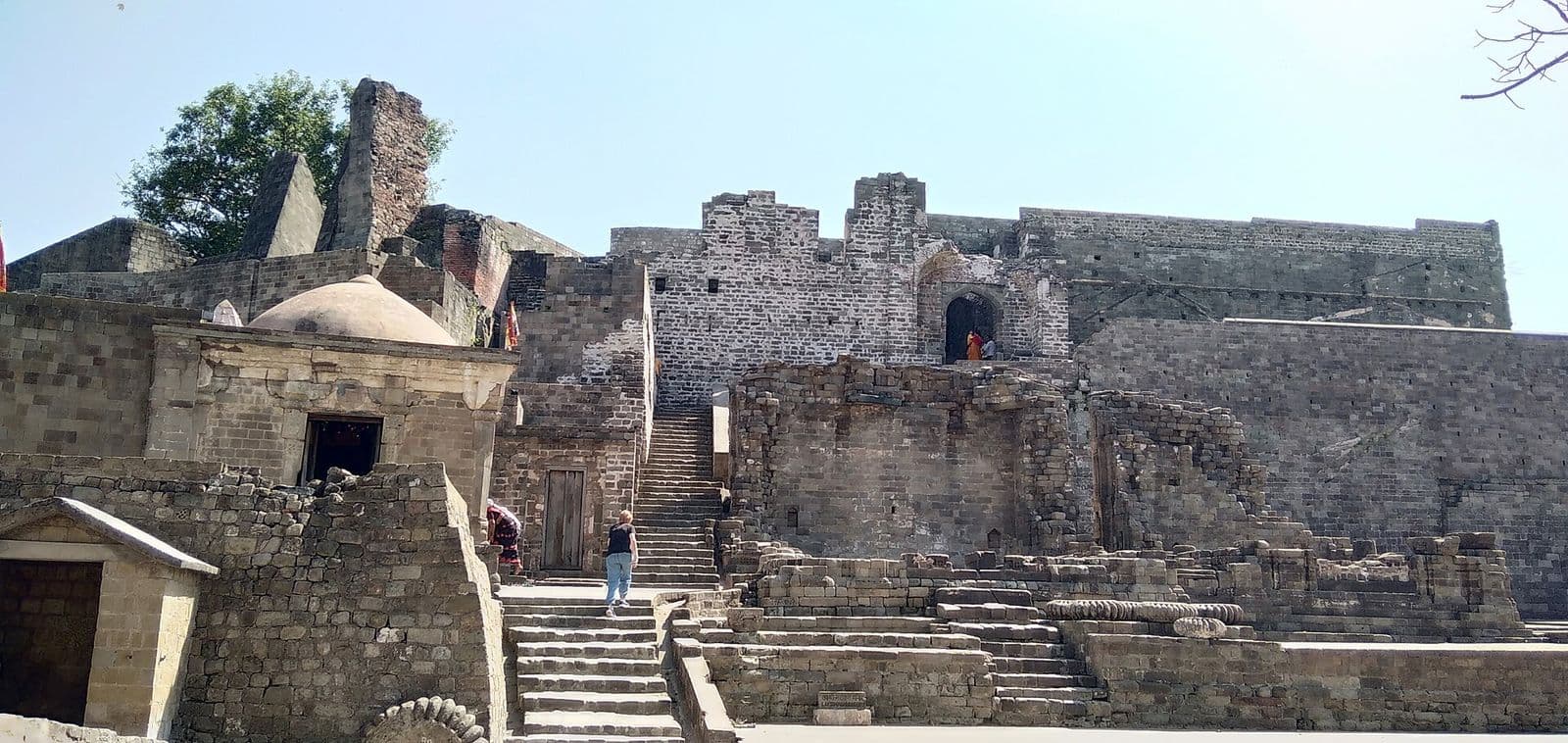
Places to Visit in Kangra (2026): Fort, Temples, Masroor and a 1-Day Loop
Kangra Fort, Brajeshwari Devi, the Masroor rock-cut temples, Chamunda, Jwalamukhi, Baijnath and Pong Dam, with distances from Dharamshala, timings, entry fees and a practical one-day Kangra loop.
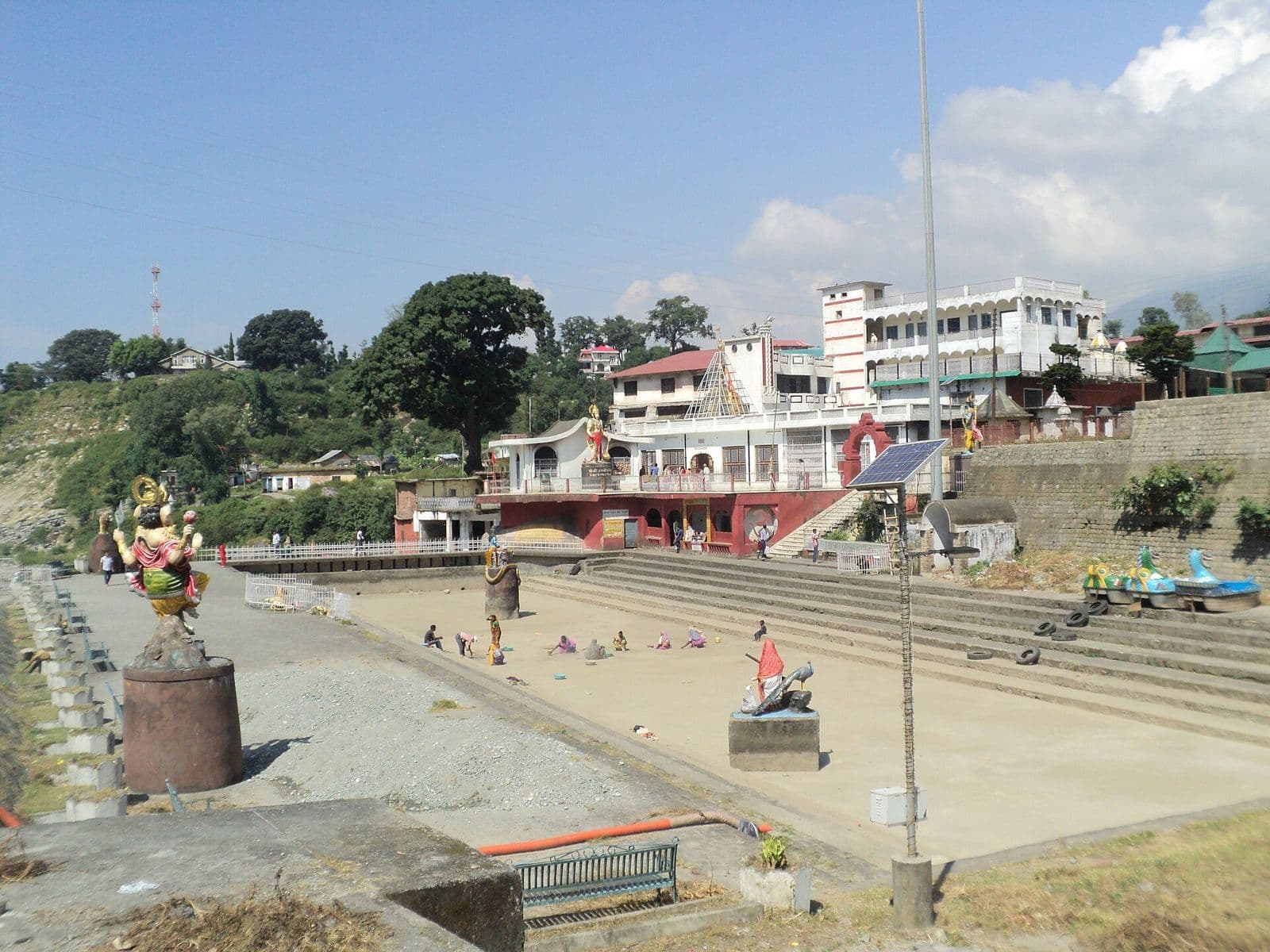
Kangra Devi Temples Guide: Chamunda, Brajeshwari, Jwalamukhi & Chintpurni Yatra (2026)
Plan a Shakti temple yatra from Dharamshala: Chamunda Devi, Brajeshwari (Kangra Devi), Jwalamukhi and Chintpurni, plus notes on Naina Devi, with timings, route, a 1-2 day plan, dress and Navratri crowd tips.
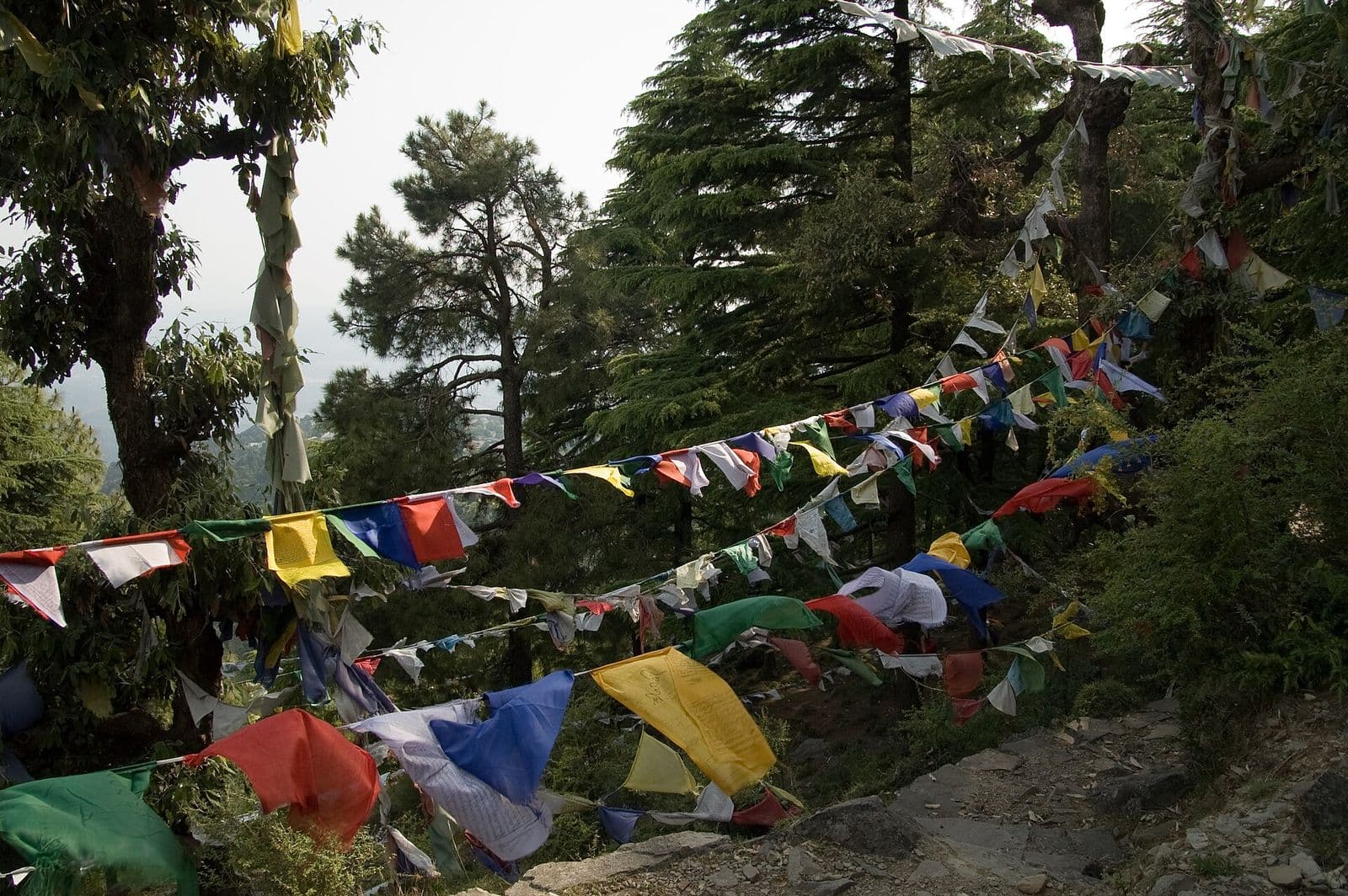
Tibetan Culture & Etiquette in McLeod Ganj: A Respectful Visitor Guide (2026)
How Tibetans came to McLeod Ganj, and the etiquette that matters at monasteries, around monks, at prayer wheels and in conversation, plus the institutions worth visiting to understand Tibetan life in exile.
Shopping in McLeod Ganj: What to Buy, Fair Prices & Fakes to Avoid (2026)
What to buy in McLeod Ganj and Dharamshala, from thangkas, singing bowls and Tibetan carpets to Kangra tea and woollens, with approx. fair prices, bargaining tips, the fakes to watch for and the best places to shop.