Kangra Painting & Art Guide: Miniatures, Museums, Andretta & Norbulingka (2026)
The story of Kangra miniature painting under Raja Sansar Chand, where to see it around Dharamshala, how to buy a genuine piece, and the art trail from Norbulingka thangkas to Andretta pottery.
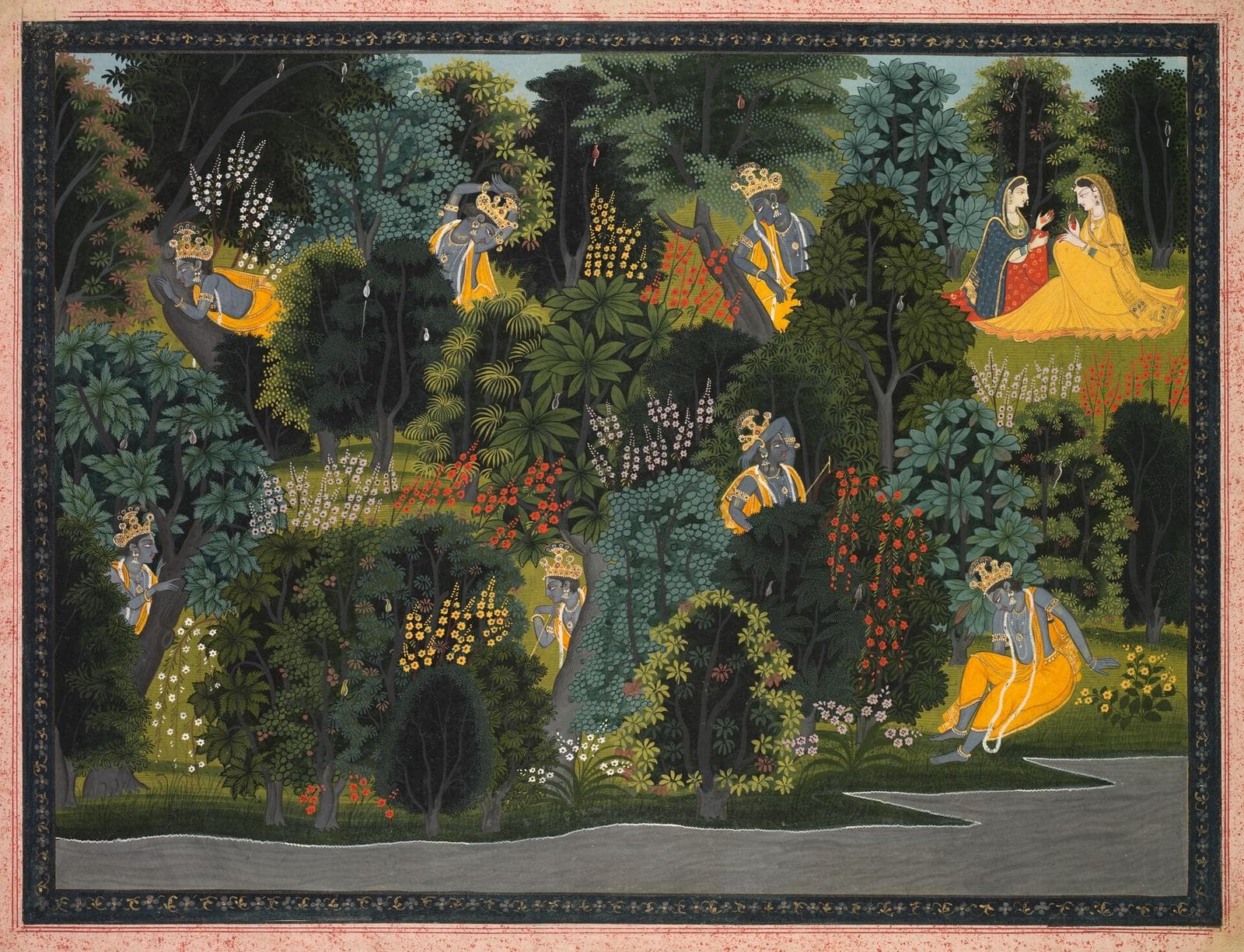
Kangra painting is one of the great schools of Indian miniature art: tiny, luminous paintings of Krishna and Radha, lovers waiting in moonlit pavilions and lush green Himalayan landscapes, painted in mineral and vegetable colours with brushes so fine some had a single hair. It reached its peak in the late 18th and early 19th century under Raja Sansar Chand Katoch of Kangra, and its finest works now hang in museums from Delhi to Boston.
If you are staying in Dharamshala, you are in the heart of this tradition. This guide explains the history in plain language, where to see Kangra miniatures and other art around the valley (the Kangra Art Museum, Norbulingka for Tibetan art, and the Andretta artists' village with its pottery and the Sobha Singh gallery), how to tell a genuine hand-painted piece from a print, and where to look for workshops.
Quick Facts
| Item | Detail |
|---|---|
| Art form | Pahari miniature painting, Kangra school |
| Origins | Guler (near Kangra), early to mid 18th century |
| Golden age | Reign of Raja Sansar Chand (ruled c. 1775–1823) |
| Main themes | Krishna and Radha, Gita Govinda, Bhagavata Purana, Nala-Damayanti, Ragamala, portraits |
| Materials | Handmade paper, natural mineral and vegetable pigments, gold, fine squirrel-hair brushes |
| See it near Dharamshala | Kangra Art Museum (Dharamshala town), Bhuri Singh Museum (Chamba), Government Museum Chandigarh |
| Related art trail | Norbulingka (Tibetan thangka), Andretta (pottery, Sobha Singh gallery) |
| Genuine miniature price | From a few thousand rupees for small works by trained artists; much more for master pieces (approx., as of 2026) |
A Short History of Kangra Painting
From Guler to Kangra
Pahari (hill) painting grew up in the small Rajput kingdoms of the western Himalayan foothills from the 17th century. In the early 18th century, a family of painters trained in the refined Mughal style found patronage at the court of Guler, a small hill state close to modern Kangra. The family of Pandit Seu and his sons Manaku and Nainsukh (c. 1710–1778) transformed the style, bringing naturalism, soft colour and close observation of real people and landscapes. Their descendants carried the style across the hills.
Sansar Chand's golden age
The tradition flowered under Raja Sansar Chand Katoch, who ruled Kangra from around 1775 to 1823. A devoted follower of Krishna and an ambitious ruler, he gathered painters at his courts at Tira Sujanpur, Nadaun and Alampur and commissioned large series illustrating the Bhagavata Purana, the Gita Govinda, the Bihari Satsai and the story of Nala and Damayanti. The paintings of this period are what most people mean by Kangra style:
- Lyrical lines and graceful, idealised women with fine features
- Cool, fresh colours: greens, blues, pinks and white
- Layered landscapes of rolling hills, flowering trees, rivers and the monsoon sky, clearly inspired by the Kangra Valley itself
- Love as the central theme, especially the longing of Radha and Krishna, read as a metaphor for the soul's devotion to God
Decline and survival
Sansar Chand's power collapsed after the Gurkha invasion of the early 1800s and the loss of Kangra Fort to Maharaja Ranjit Singh in 1809. Painters dispersed to other courts, and the 1905 Kangra earthquake destroyed much of the region. Today the art survives through a small number of trained artists, government and society-run training programmes and digitisation projects, but it is fragile: proper miniature work is slow, the materials are costly and the market is flooded with cheap prints. Buying from real artists helps keep it alive.
How a Kangra miniature is made
- Paper. Several sheets of handmade paper are pasted together into a stiff card called wasli and burnished smooth with a stone.
- Drawing. The composition is sketched lightly, then refined in red or black outline.
- Priming and colour. A white ground is laid, then colours, made by grinding minerals, earths and plant materials with gum, are built up in thin layers.
- Burnishing. The painting is placed face down and burnished between layers to give its enamel-like finish.
- Fine detail. Faces, jewellery and hair are added last with the finest brushes, sometimes with real gold.
A small painting can take a skilled artist weeks.
Where to See Kangra Painting and Art Near Dharamshala
Kangra Art Museum, Dharamshala
The Kangra Art Museum in Kotwali Bazaar, lower Dharamshala, near the main bus stand, is the most convenient place to see the art in context. Its collection includes Kangra miniatures, woodcarvings, textiles, embroidery, tribal jewellery, coins and local crafts, and it gives a good introduction to the history of the valley. It is a modest state museum rather than a world-class gallery, but it is worth an hour, especially on a rainy day.
State museums in Himachal are typically open roughly 10 am to 5 pm and closed on Mondays and gazetted holidays, with a small entry fee. We could not confirm the current 2026 timings and fee, so check locally before going. It is about 9 to 10 km below McLeod Ganj; combine it with the War Memorial and lunch in Kotwali Bazaar.
Bhuri Singh Museum, Chamba
If you go on to Chamba (see our Dalhousie and Khajjiar guide), the Bhuri Singh Museum holds a notable collection of Pahari paintings, including Chamba and Kangra work, plus the famous Chamba rumal embroideries.
Government Museum and Art Gallery, Chandigarh
If you pass through Chandigarh (see our Chandigarh to Dharamshala guide), its Government Museum has one of India's significant collections of Pahari miniatures. The National Museum in Delhi is another excellent place to see the best of the tradition.
Norbulingka Institute, Sidhbari: Tibetan art
A different tradition, but the essential stop for art lovers in Dharamshala. Norbulingka Institute, founded in 1995, preserves Tibetan arts in beautiful Japanese-influenced gardens near Sidhbari, about 10 km from Dharamshala. You can walk through workshops where artists train in thangka painting, statue making, woodcarving, wood painting, appliqué and tailoring, and visit the temple and the Losel Doll Museum. Workshops typically close on Sundays and holidays, so visit on a weekday to see artists at work, and check current hours locally. Read our Sidhbari, Norbulingka and Gyuto guide.
Andretta: Norah Richards, Sobha Singh and pottery
Andretta, about 13 km from Palampur, is the Kangra Valley's artists' village. It was founded in the 1920s by Irish theatre pioneer Norah Richards, who drew painters, writers and craftspeople here. Highlights:
- Sobha Singh Art Gallery. The home and studio of painter Sobha Singh, best known for his portraits of the Sikh Gurus and for paintings of Heer-Ranjha and Sohni-Mahiwal. He lived here until his death in 1986, and his family maintains the gallery.
- Andretta Pottery and Craft Society. Set up in 1983 by Mansimran Singh, son of the master potter Gurcharan Singh (founder of Delhi Blue Pottery), and his wife Mary. The studio produces distinctive glazed and terracotta pottery, and has historically offered pottery courses for visitors; contact them to check what runs in 2026.
- Norah Richards' mud house, a simple Kangra-style home that reflects the village's ethos.
Andretta pairs naturally with Palampur's tea gardens and Baijnath. See our Palampur travel guide and places to visit in Kangra.
Tibetan art in McLeod Ganj
Thangka studios and shops along Jogiwara Road and Temple Road sell painted thangkas, and some artists will let you watch them work. The same buying rules below apply: hand-painted thangkas are slow and expensive; cheap ones are usually printed. Our shopping in McLeod Ganj guide covers where to look.
Art Trail at a Glance
| Stop | What you see | Distance from McLeod Ganj (approx.) | Time needed |
|---|---|---|---|
| Kangra Art Museum, Dharamshala | Kangra miniatures, crafts, textiles | 9–10 km | 1 hr |
| Norbulingka, Sidhbari | Thangka painting, statue making, gardens | 13–15 km | 2 hrs |
| Kangra Fort and museum | History of the Katoch rulers | 20–25 km | 2 hrs |
| Andretta | Sobha Singh gallery, pottery | 50–55 km | 2–3 hrs |
| Tira Sujanpur | Sansar Chand's old capital | Approx. 80–90 km | Half day |
A full day with a taxi can link Norbulingka, Kangra Fort and the museum, or Palampur and Andretta.
How to Buy a Genuine Kangra Painting
Most cheap miniatures sold in tourist markets are printed or partially printed. Here is how to buy well.
- Look closely with a magnifier or your phone camera. Printed works show a regular dot pattern. Hand-painted works have visible brush strokes, slight variation in lines and layered colour.
- Check the edges and back. Genuine paintings are usually on handmade paper or wasli; the edges show thickness and texture.
- Ask about pigments. Artists using natural pigments are usually happy to explain them; vague answers are a warning sign.
- Ask who painted it. A real artist or studio will name the painter, and often sign the work or provide a certificate.
- Be realistic about price. A small but genuine Kangra miniature from a trained painter typically starts in the thousands of rupees; finely detailed works with gold can run to tens of thousands or more (approx., as of 2026). If a dealer offers an "antique" for very little, it is not antique.
- Antiques need care. Objects over 100 years old are antiquities under Indian law and cannot be exported. Buy contemporary work unless you know exactly what you are doing.
- Buy from artists and institutions where possible: museum shops, state handicraft emporiums, recognised art societies and artists' studios.
Workshops and Learning
- Kangra miniature painting. Short introductions are occasionally offered by local artists and art societies in the Kangra region. Offerings change year to year, so ask at the Kangra Art Museum or your hotel.
- Thangka painting. Some studios in McLeod Ganj and Dharamkot teach thangka basics, from short sessions to multi-week courses. Norbulingka's own training is for Tibetan apprentices, but it is the best place to understand the craft.
- Pottery. Andretta Pottery has historically offered courses; contact them in advance.
If you want a slower, creative trip, base yourself in Dharamshala or Palampur, browse places on our hotels page, and see our FAQ for general planning questions.
Frequently Asked Questions
What is Kangra painting?
Where can I see Kangra paintings in Dharamshala?
How can I tell if a miniature painting is hand-painted?
Is Andretta worth visiting?
Can I watch thangka painting at Norbulingka?
More answers on our Dharamshala travel Q&A page.
Need Help Planning Your Dharamshala Trip?
Our local team can help with hotels, treks, taxis, and custom itineraries.
Related Guides
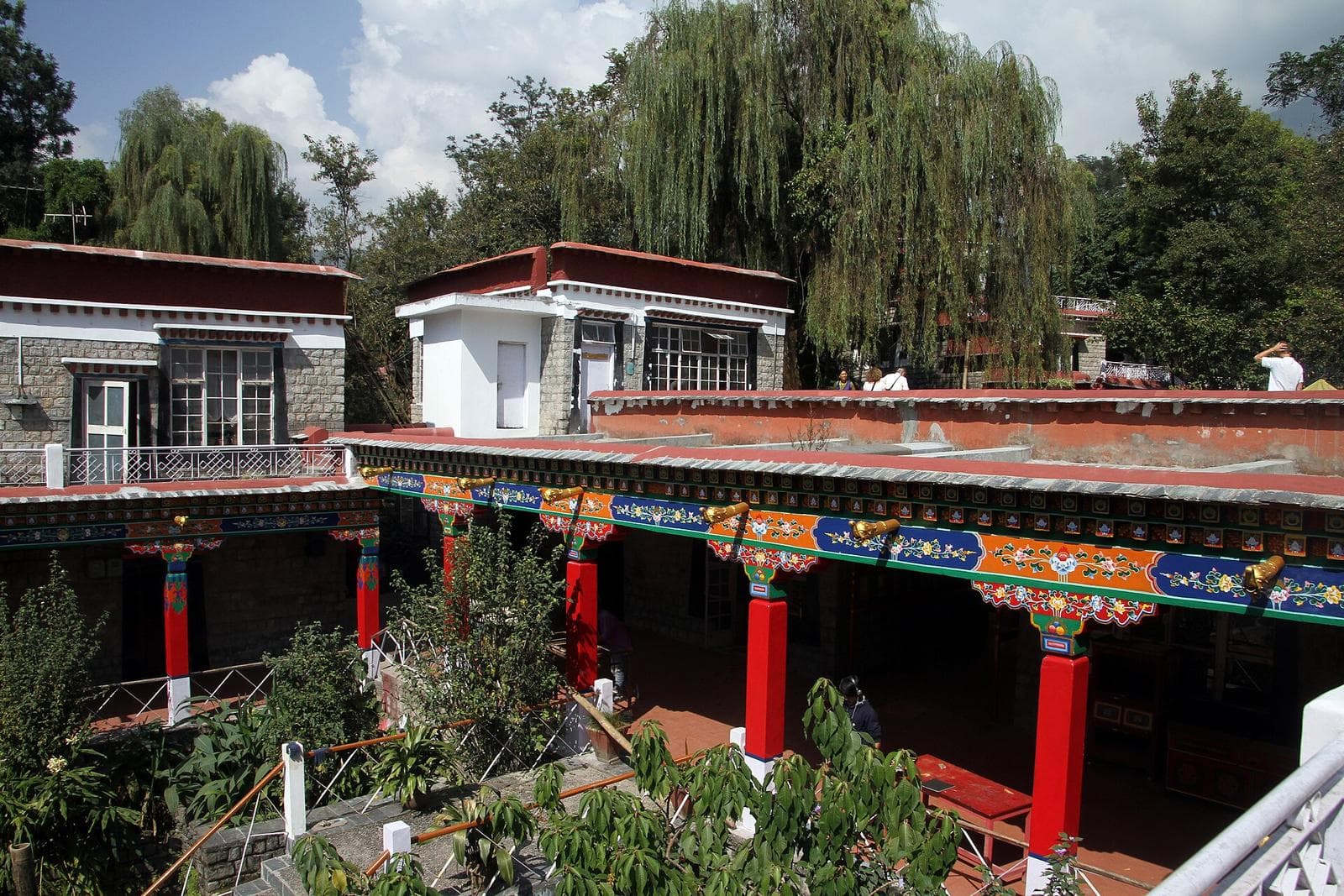
Sidhbari Guide 2026: Norbulingka Institute, Gyuto Monastery & Chamunda
How to spend a half or full day in Sidhbari near Dharamshala: Norbulingka Institute and its arts workshops and doll museum, Gyuto Monastery and its Karmapa connection, Chinmaya Tapovan, and how to combine it all with Chamunda Devi.
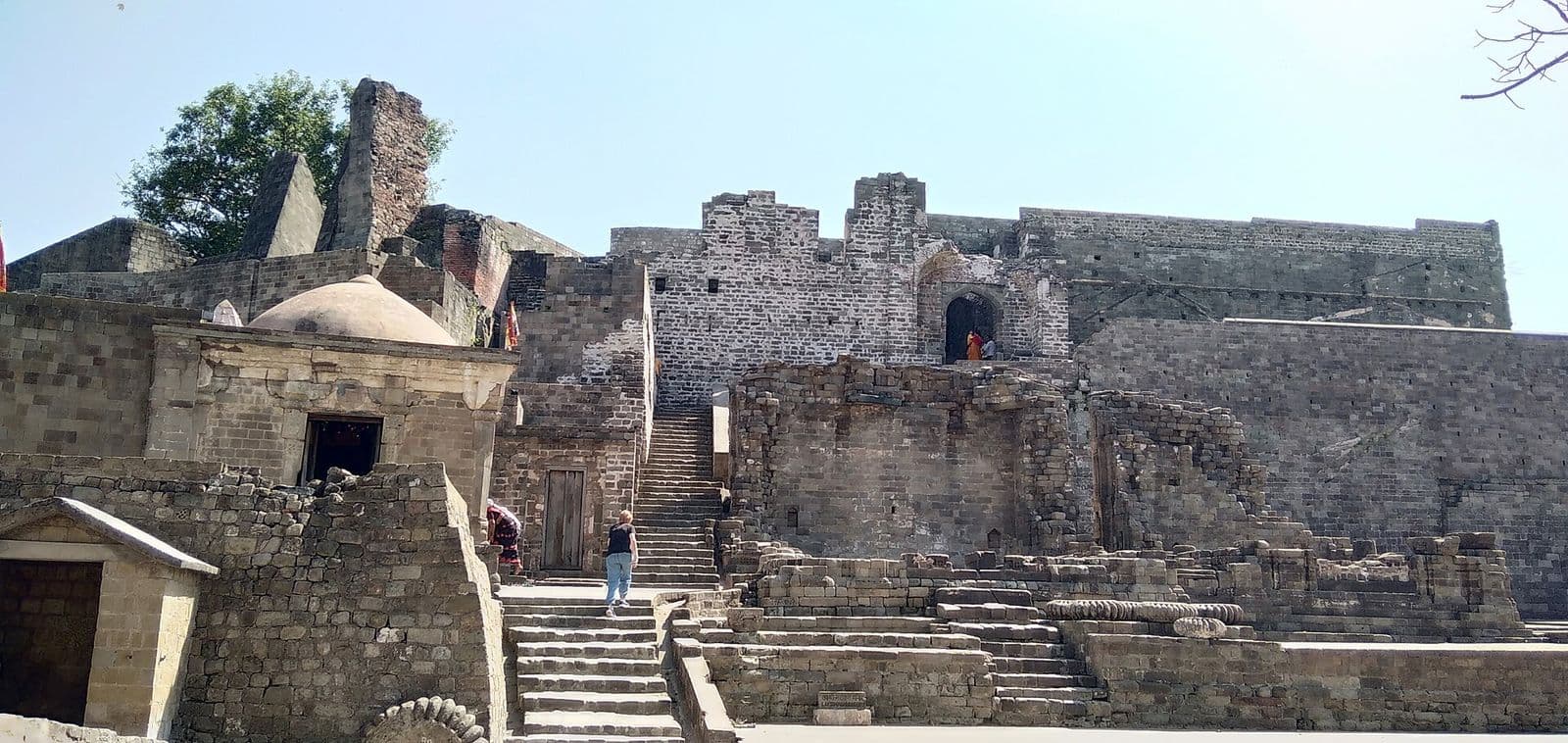
Places to Visit in Kangra (2026): Fort, Temples, Masroor and a 1-Day Loop
Kangra Fort, Brajeshwari Devi, the Masroor rock-cut temples, Chamunda, Jwalamukhi, Baijnath and Pong Dam, with distances from Dharamshala, timings, entry fees and a practical one-day Kangra loop.
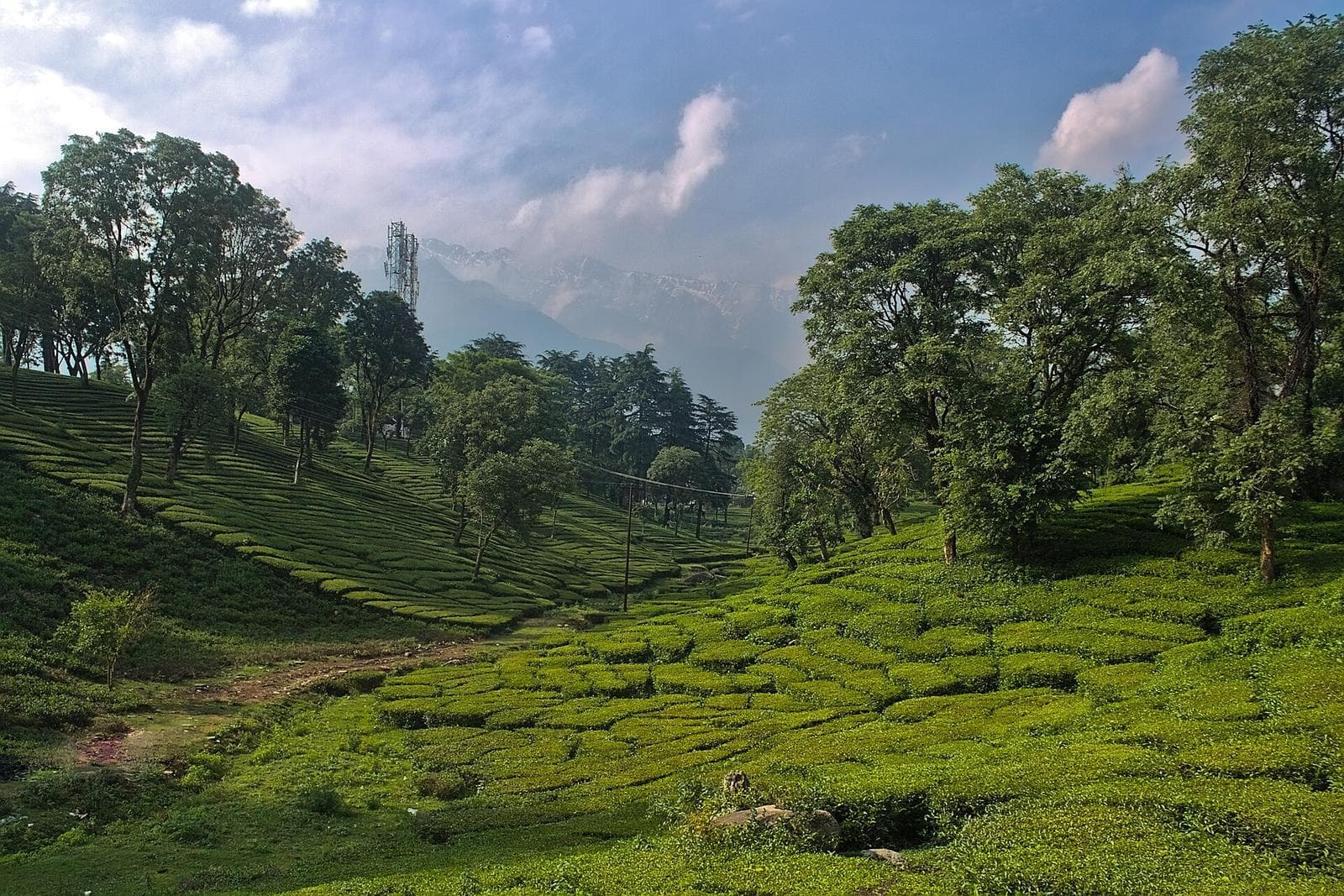
Palampur Travel Guide (2026): Tea Gardens, Day Trips and Where to Stay
Palampur is the quiet tea town of the Kangra Valley, about 35 to 40 km from Dharamshala. Here is how to see the tea gardens and factory, Neugal Khad, Bundla, Andretta and Baijnath, plus a Bir day trip.
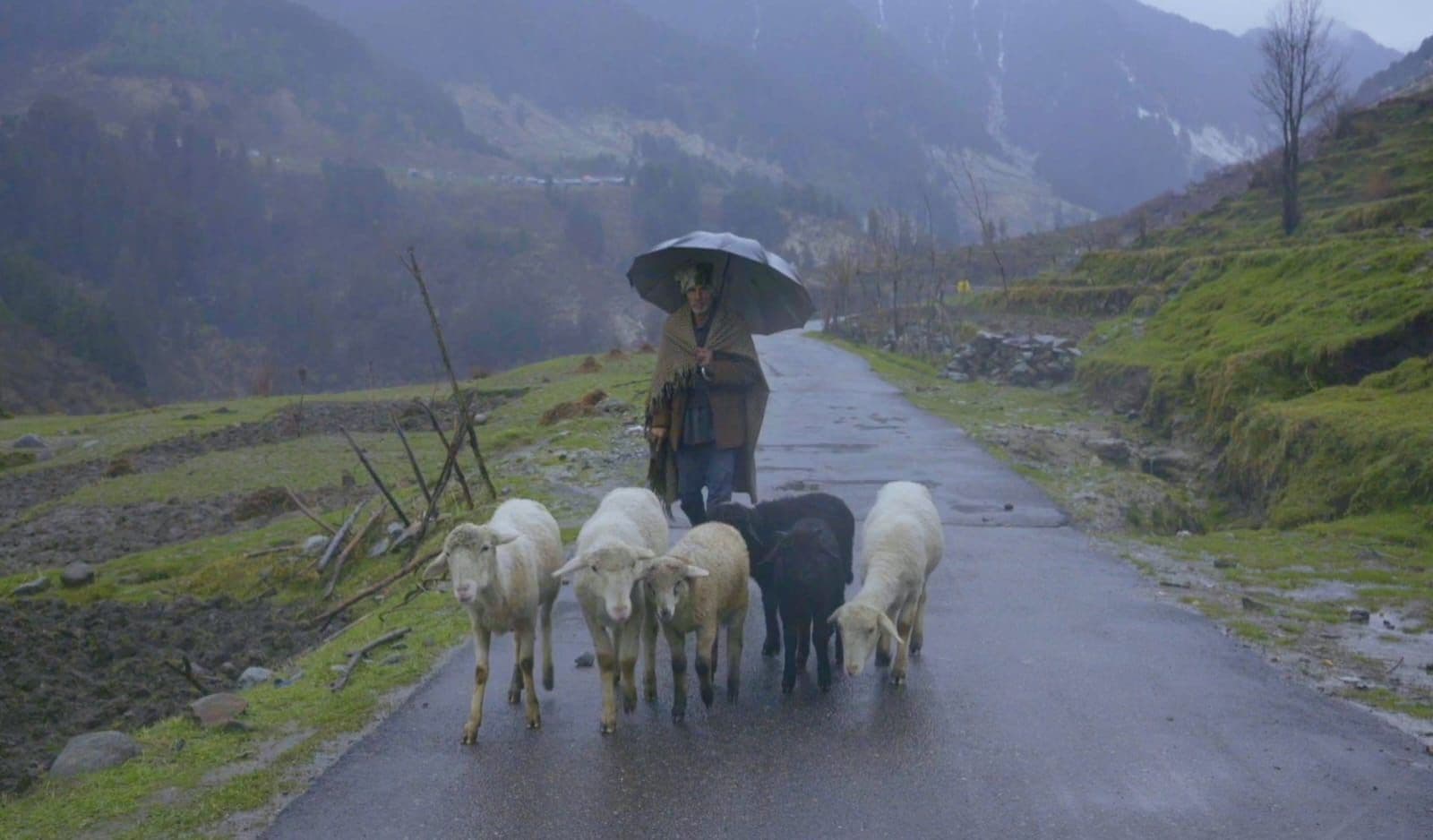
The Gaddi Shepherds of the Dhauladhar: Culture, Migration & Etiquette (2026)
Who the Gaddi people are, how their flocks cross the Dhauladhar passes each year, what their dress and Shiva devotion mean, and how to meet shepherds respectfully on the trails around Dharamshala.