Shopping in McLeod Ganj: What to Buy, Fair Prices & Fakes to Avoid (2026)
What to buy in McLeod Ganj and Dharamshala, from thangkas, singing bowls and Tibetan carpets to Kangra tea and woollens, with approx. fair prices, bargaining tips, the fakes to watch for and the best places to shop.
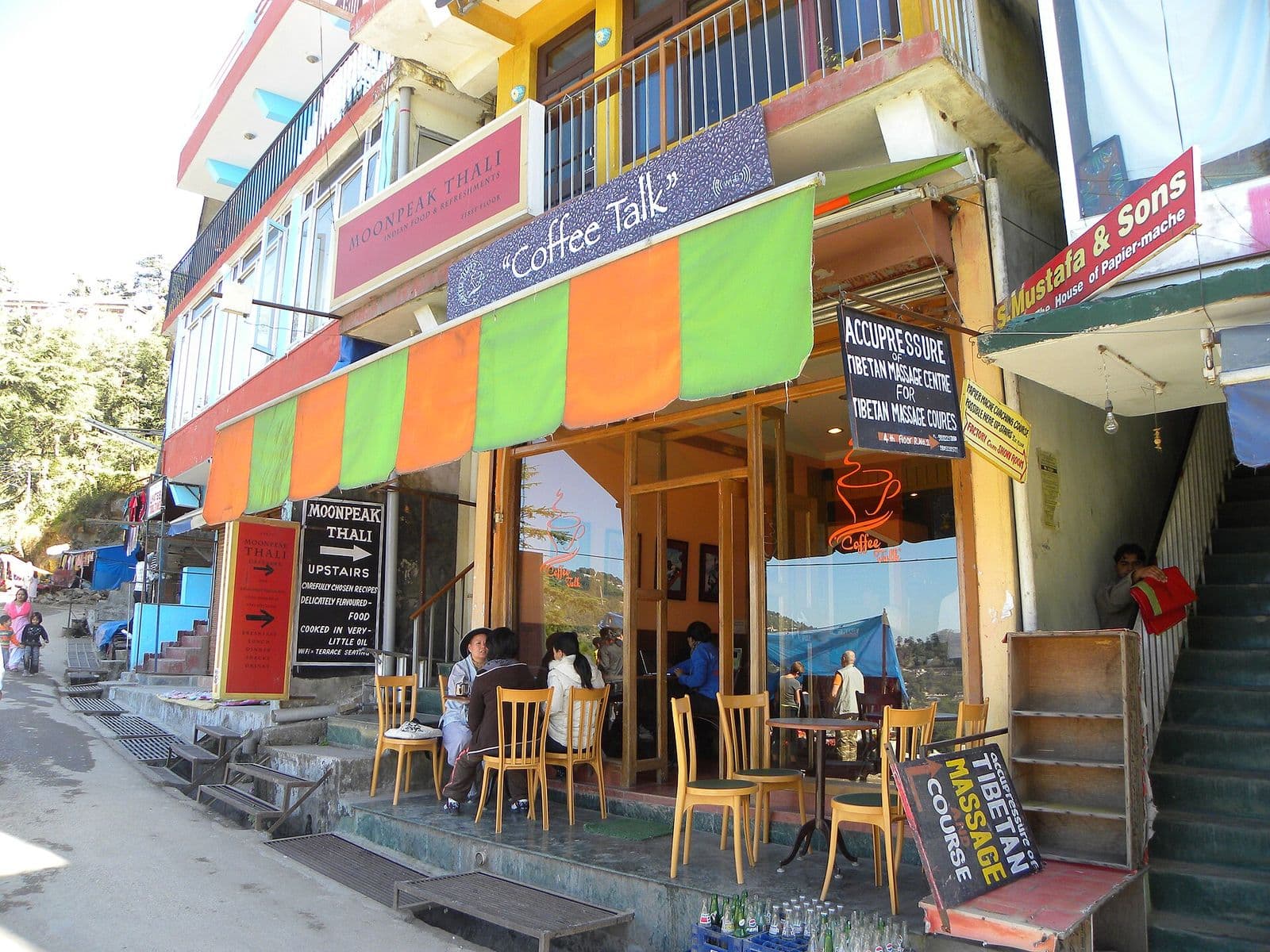
The best things to buy in McLeod Ganj are thangka paintings, singing bowls, Tibetan carpets, silver and turquoise jewellery, prayer flags and malas, woollens and shawls, Tibetan incense and Kangra tea. For guaranteed-genuine craftsmanship at fixed prices, buy at the Norbulingka Institute shop in Sidhbari or at Tibetan handicraft cooperatives; for variety and bargaining, browse the stalls on Temple Road, around the main square and along Jogiwara Road. Lower Dharamshala's Kotwali Bazaar is where locals buy everyday woollens, tea and spices for less.
Most "antique" items are new, many "hand-hammered" singing bowls are machine-made, and much "pashmina" is not. This guide gives you approx. fair prices (as of 2026), how to spot fakes, and where to shop.
Quick price guide
| Item | Budget / mass-made (approx.) | Good quality (approx.) | Premium / master work (approx.) |
|---|---|---|---|
| Prayer flags (one string) | ₹50-150 | ₹200-500 (cotton, block-printed) | n/a |
| Mala (prayer beads) | ₹100-400 | ₹500-2,000 (bodhi seed, rosewood) | ₹3,000+ (old or semi-precious) |
| Incense (bundle) | ₹50-150 | ₹150-400 (handmade herbal, monastery brands) | n/a |
| Singing bowl (palm size) | ₹600-1,500 (machine-made) | ₹2,500-6,000 (hand-hammered) | ₹10,000+ (large, fine tone) |
| Thangka | ₹500-2,500 (printed or mass-painted) | ₹6,000-25,000 (hand-painted, small) | ₹50,000 to several lakh (master painter) |
| Silver ring / earrings | ₹300-800 (alloy or plated) | ₹1,000-4,000 (sterling with real stones) | ₹5,000+ |
| Tibetan carpet (approx. 3 x 6 ft) | ₹4,000-8,000 (machine or blended) | ₹15,000-40,000 (hand-knotted wool) | ₹50,000+ (high knot count, silk) |
| Woollen socks, caps, mittens | ₹100-400 | ₹400-1,000 (hand-knitted) | n/a |
| Shawl / stole | ₹300-800 (acrylic or blends) | ₹1,500-6,000 (fine wool, Kullu-style) | ₹8,000+ (genuine pashmina) |
| Kangra tea (100-250 g) | ₹100-250 | ₹250-600 (orthodox, first flush) | ₹800+ (speciality) |
These ranges are indicative; size, detail and the shop's location all change the price.
What to buy
Thangkas
Thangkas are Tibetan Buddhist scroll paintings, traditionally on cotton with mineral and organic pigments, framed in silk brocade. They are made for meditation and ritual, so treat them with respect: hang them high and do not roll them face out.
How to tell quality:
- Printed vs painted: look at the surface under light. Prints are perfectly flat and pixel-even; hand painting shows brushstrokes, slight relief in gold lines and tiny variations.
- Detail: check faces, hands and the fine gold outlines. Master work has crisp, even lines and serene, symmetrical faces.
- Ask who painted it. Serious shops can tell you the painter or school and how long it took (weeks to months).
- Brocade: hand-sewn silk brocade mounting adds cost; you can buy unmounted to save money and to pack flat.
Watch painters at work and buy with confidence at Norbulingka Institute, where thangka painting is taught under master artists.
Singing bowls
Most bowls sold today are new, made in Nepal or India. That is fine, as long as you are not paying "antique" prices.
- Hand-hammered bowls show small hammer marks and slight irregularities; machine-made or cast bowls are perfectly smooth and uniform.
- Ask to play it yourself with the wooden striker and by running it around the rim. A good bowl sings easily and sustains a long, even tone.
- "Seven metals" and "antique" claims are rarely verifiable. Judge by sound and craftsmanship.
- Heavy bowls cost more because of the metal; do not pay premium for weight alone.
Tibetan carpets
Tibetan carpets are hand-knotted in wool using the distinctive Tibetan loop technique, in traditional designs (dragons, lotus, snow lions) or modern patterns.
- Ask the knot count (often stated as knots per square inch, e.g. 60, 80 or 100 knot): higher means finer, longer to make and more expensive.
- Turn it over: on a hand-knotted rug the pattern on the back mirrors the front clearly. Machine rugs often have a mesh backing or glued latex.
- Real wool feels slightly oily and springs back; acrylic feels squeaky and synthetic.
- Ask about shipping; reputable sellers will pack and post with a receipt and tracking.
Jewellery
Silver jewellery with turquoise, coral and lapis is everywhere.
- Turquoise: much of it is dyed howlite or "stabilised" or reconstituted turquoise. Genuine natural turquoise is pricier and varies in colour. Ask directly and pay accordingly.
- Coral: genuine red coral is expensive; cheap "coral" is often glass, resin or dyed bone.
- Silver: look for a "925" stamp for sterling silver; "Tibetan silver" is often a nickel alloy that can cause skin reactions.
- Dzi beads: the patterned agate beads are almost all modern; real old dzi cost a fortune and are not sold on street stalls.
Woollens and shawls
- Hand-knitted socks, caps, gloves and sweaters are sold by Tibetan women along Temple Road and Bhagsu Road; prices are fair and the money goes straight to the knitter.
- Kullu and Kinnauri-style shawls with geometric borders are a good Himachali buy; look for a handloom label or GI tag, and buy from government emporiums or cooperatives if you want certainty.
- Pashmina: genuine pashmina is soft, warm, light and expensive. A ₹500 "pashmina" is acrylic or viscose. The "ring test" (pulling through a ring) proves only that a shawl is thin. Buy from a shop that gives a written description and receipt.
- Shahtoosh is illegal to sell or buy in India; anyone offering it is breaking the law.
Kangra tea
Kangra tea from the Palampur area has a Geographical Indication tag in India and has been registered as a protected GI in the European Union. Buy orthodox green or black tea loose; it is lighter than Assam tea and makes a good gift. Kotwali Bazaar shops and Palampur are cheaper than McLeod Ganj, and the tea gardens near Palampur sell direct. See our Palampur travel guide.
Smaller gifts
- Prayer flags: cotton, block-printed flags are better than shiny polyester. Hang them high and outdoors, never on the floor.
- Incense: handmade Tibetan herbal incense, including from Men-Tsee-Khang and monastery workshops.
- Butter lamps, prayer wheels, dorje and bell sets.
- Books: Buddhist philosophy, Tibetan history and Himalayan trekking titles at bookshops on Jogiwara Road and at the Tsuglagkhang and LTWA bookshops.
- Tibetan medicine from Men-Tsee-Khang outlets, best taken after a consultation rather than as a souvenir.
Where to shop
| Place | Best for | Prices | Bargaining? |
|---|---|---|---|
| Temple Road (from the square down to the Tsuglagkhang) | Malas, prayer flags, singing bowls, jewellery stalls, books | Mid | Yes, at stalls |
| McLeod Ganj main square and Bhagsu Road | Woollens, souvenirs, jewellery, travel gear | Mid | Yes |
| Jogiwara Road | Bookshops, boutiques, Tibetan-run shops, cafes | Mid to high | Some |
| Norbulingka Institute shop, Sidhbari | Thangkas, statues, woodwork, textiles, dolls, home decor | Fixed, higher but genuine | No |
| Tibetan handicraft cooperatives and centres | Carpets, textiles, crafts made by refugees | Fixed | No |
| Kotwali Bazaar, Lower Dharamshala | Everyday woollens, Kangra tea, spices, local goods | Low | Light haggling |
| Palampur and tea estates | Kangra tea direct | Low to mid | No |
Norbulingka Institute
Norbulingka in Sidhbari, about 30 to 40 minutes by road from McLeod Ganj, trains and employs Tibetan artisans in thangka painting, appliqué, statue making, woodcarving, wood painting and tailoring. Watching artists in the workshops is half the reason to go. The shop sells their work with fixed prices; it also sells online and can ship. Combine it with Gyuto Monastery next door: see our Sidhbari, Norbulingka and Gyuto guide. Book a half-day local taxi to make the trip easy.
Tibetan handicraft centres and cooperatives
McLeod Ganj has handicraft centres and cooperatives set up to give refugee families an income through carpet weaving, tailoring and crafts. Ask locally for the Tibetan Handicraft Centre and current opening times; in the workshops you can sometimes watch weavers at the looms. Fixed prices, decent quality and the money supports the community directly.
Kotwali Bazaar
Dharamshala's main bazaar near the lower bus stand is for everyday shopping, not souvenirs. It is the place for warm socks and jackets at local prices, Kangra tea, dried fruit and spices, and a taste of Himachali town life. Our Dharamshala destination page explains the lower town.
How to bargain politely
- Fixed-price shops (Norbulingka, cooperatives, bookshops, many Tibetan-run boutiques) do not bargain. Do not try.
- At stalls, it is normal to negotiate. Start around 20 to 30 percent below the asking price, and settle somewhere in between.
- Ask a couple of stalls for the price of the same item before buying.
- Buying several items from one seller is the easiest route to a discount.
- Stay friendly. If you name a price and it is accepted, buy it.
- Keep it in proportion: haggling an elderly woman down ₹30 on hand-knitted socks is not a win.
Fakes and scams to watch for
- "Antique" anything: genuine antiques are rare, and items over 100 years old cannot legally be exported from India without permission. Assume "old" items are new or artificially aged.
- Printed thangkas sold as hand-painted. Look closely or buy from Norbulingka.
- Dyed howlite as turquoise and resin as coral.
- Synthetic "pashmina" and "yak wool" that is acrylic.
- Monk-donation scams: genuine monks do not stop tourists in the street to sell "blessed" items or demand donations for big sums. Give at the monastery instead.
- Wildlife products: avoid anything made from protected animals, such as fur, ivory or shahtoosh. It is illegal and supports poaching.
Shipping and carrying home
- Thangkas travel well rolled in a tube, unmounted. Never fold them.
- Singing bowls are heavy; pack them in clothes in hold luggage.
- Ask for an invoice for higher-value items; it helps with customs at home.
- Larger items like carpets can be shipped by reputable shops or by India Post or courier from Dharamshala.
When to shop
Shops along Temple Road and Jogiwara Road open from roughly 9 or 10 am until 8 or 9 pm. Some Tibetan-run shops close on Losar and major Tibetan holidays (see our festivals guide), and some government-run outlets close on Sundays and public holidays. Evening shopping in winter ends earlier because it gets cold fast.
Plan your shopping trip
Stay central in McLeod Ganj to browse on foot; our hotels page and best hotels in McLeod Ganj list options. Mix shopping with cafe breaks from our top cafes guide, and see things to do in McLeod Ganj for the rest of your day. If you have questions about payments, ATMs and cards, our FAQ and ATM and network guide help. Read our Tibetan culture and etiquette guide so you know how to treat sacred objects once you get them home.
Frequently Asked Questions
What is the best thing to buy in McLeod Ganj?
How do I know if a thangka is hand-painted?
Can I bargain in McLeod Ganj?
Are singing bowls in McLeod Ganj genuine antiques?
Where can I buy Kangra tea near Dharamshala?
More answers on our Dharamshala travel Q&A page.
Need Help Planning Your Dharamshala Trip?
Our local team can help with hotels, treks, taxis, and custom itineraries.
Related Guides
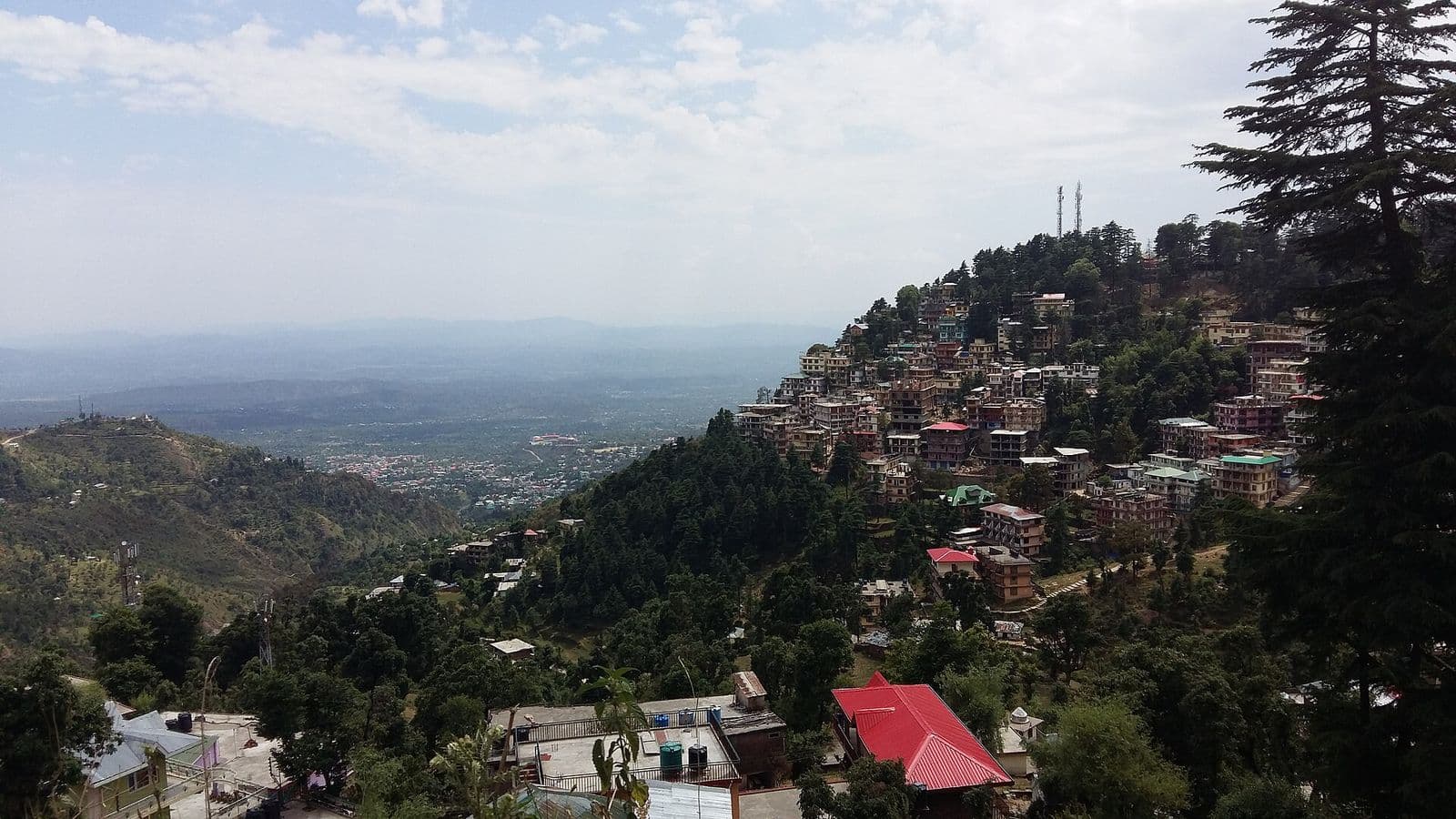
20 Best Things to Do in McLeod Ganj (2026): Experiences Locals Recommend
Walk the kora with Tibetan grandmothers, learn to fold momos, sit a meditation course, hike to Triund and spend an hour helping Tibetans practise English. The best things to do in McLeod Ganj, beyond the checklist.
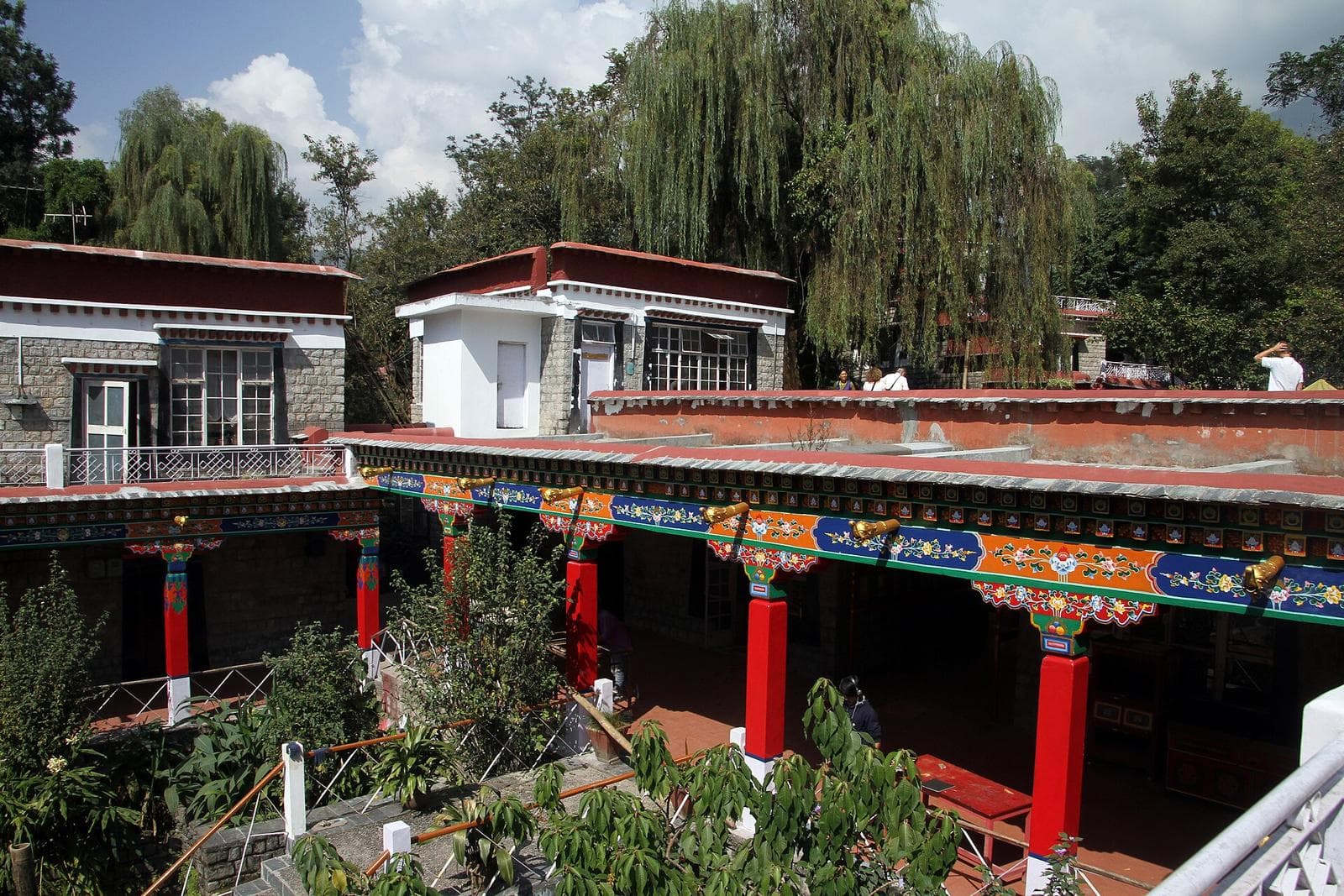
Sidhbari Guide 2026: Norbulingka Institute, Gyuto Monastery & Chamunda
How to spend a half or full day in Sidhbari near Dharamshala: Norbulingka Institute and its arts workshops and doll museum, Gyuto Monastery and its Karmapa connection, Chinmaya Tapovan, and how to combine it all with Chamunda Devi.
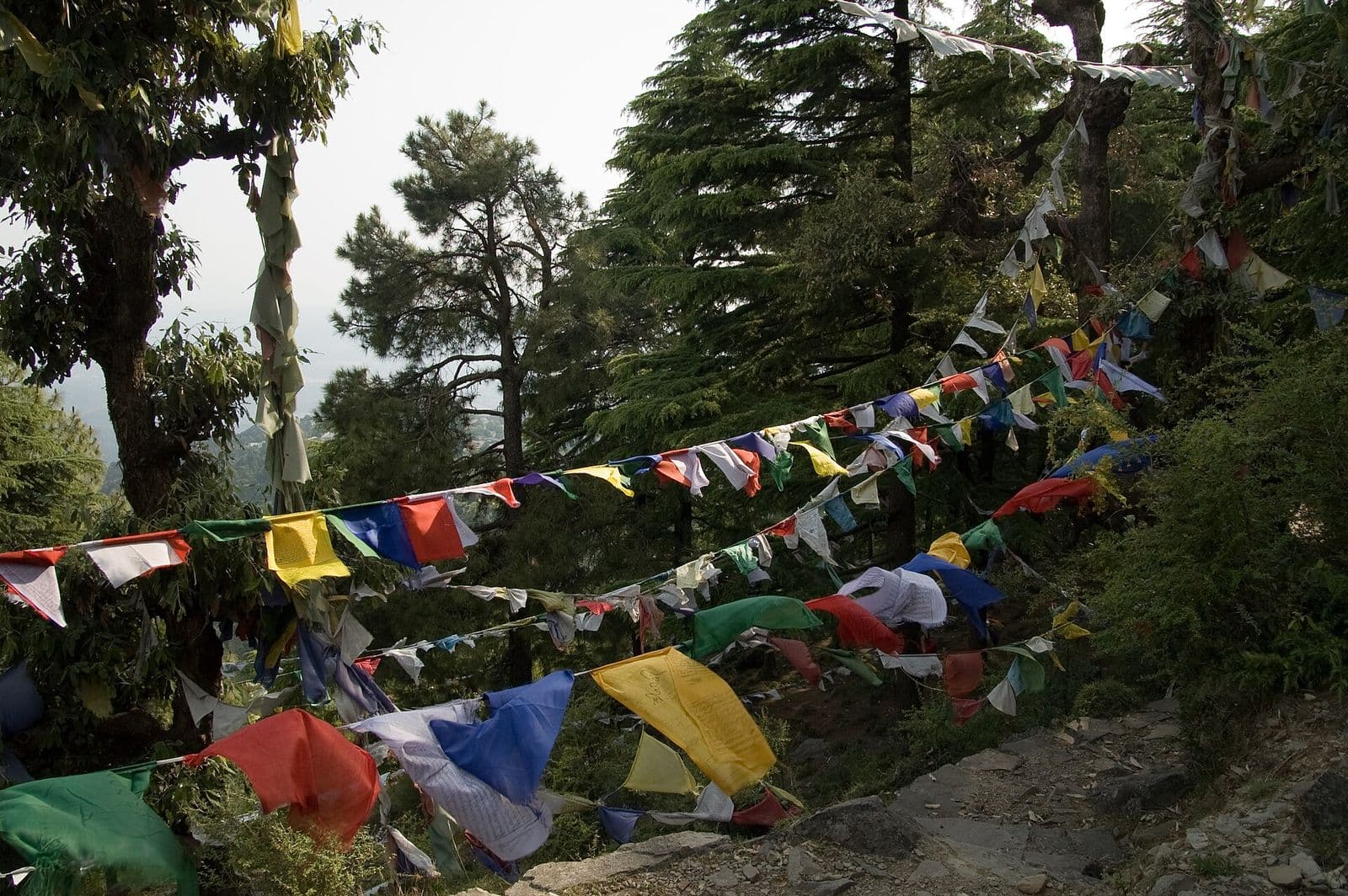
Tibetan Culture & Etiquette in McLeod Ganj: A Respectful Visitor Guide (2026)
How Tibetans came to McLeod Ganj, and the etiquette that matters at monasteries, around monks, at prayer wheels and in conversation, plus the institutions worth visiting to understand Tibetan life in exile.
Local Transport in Dharamshala & McLeod Ganj: Buses, Taxis, Ropeway & Scooters (2026)
How to get around Dharamshala, McLeod Ganj, Bhagsu, Dharamkot and Naddi: HRTC local buses, shared and union taxis with approx. fares, ropeway status, walking shortcuts, parking, scooter rentals and getting to trailheads.