Health & Medical Help in Dharamshala: Hospitals, Pharmacies & Emergencies (2026)
Where to get medical help in Dharamshala and McLeod Ganj: Zonal Hospital, Delek Hospital, Tanda Medical College, pharmacies, stomach bugs and safe water, altitude, trek injuries, dog and monkey bites, insurance and emergency numbers.
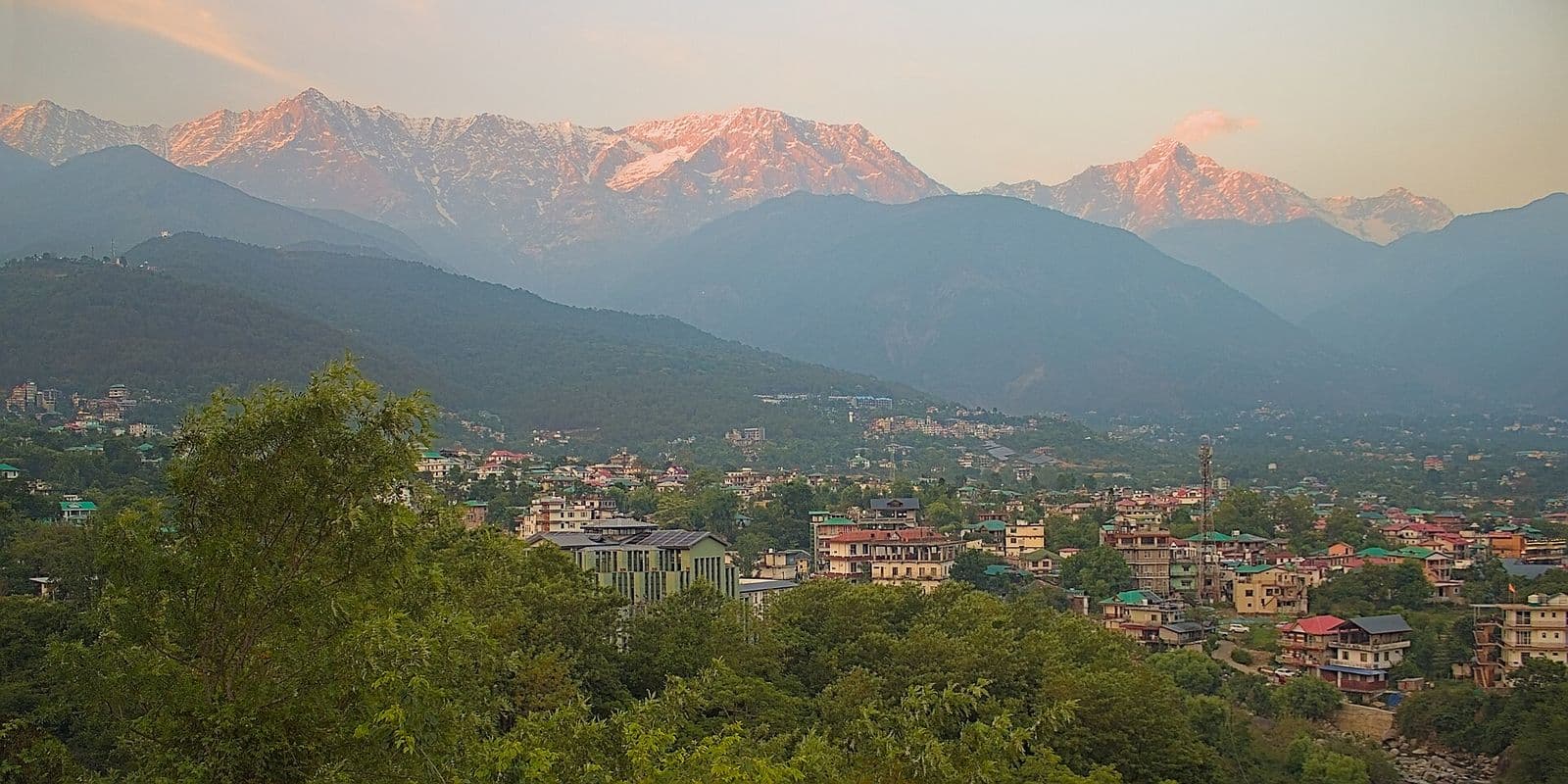
If you need medical help in Dharamshala, the main options are the Zonal Hospital in lower Dharamshala (government, with emergency services), Delek Hospital in Gangchen Kyishong just below McLeod Ganj (run by the Tibetan community, popular with travellers for routine problems), and Dr. Rajendra Prasad Government Medical College at Tanda, roughly 20-25 km away, which is the big referral hospital for Kangra district. For any emergency, dial 112, or 108 for an ambulance.
Most health problems visitors have here are minor: upset stomachs, colds, blisters, twisted ankles on the Triund trail, and the occasional dog or monkey bite. This guide explains where to go for each, what to carry, and how to stay well. It is practical information, not medical advice; if in doubt, see a doctor.
Quick facts
| Need | Where to go (as of 2026) |
|---|---|
| Emergency | Dial 112 or 108 (ambulance); Zonal Hospital Dharamshala |
| Routine illness near McLeod Ganj | Delek Hospital, Gangchen Kyishong |
| Serious trauma, specialist care, ICU | Dr. Rajendra Prasad Government Medical College, Tanda (approx. 20-25 km) |
| Pharmacies | Several in McLeod Ganj and Kotwali Bazaar; fewer in Bhagsu; none to speak of in Dharamkot |
| Rabies vaccine after a bite | Government hospitals; check availability by phone first |
| Altitude | McLeod Ganj approx. 1,750-1,800 m: no altitude sickness for most people; Triund approx. 2,850 m |
| Tap water | Do not drink untreated; use filtered refills |
Hospitals and clinics
Zonal Hospital, Dharamshala
The main government hospital for the area, in lower Dharamshala. It has a 24-hour emergency department, X-ray and basic diagnostics, and is where ambulances usually take trekking and road-accident patients first. Expect queues and a busy, no-frills environment; costs at government hospitals are low.
Delek Hospital, McLeod Ganj (Gangchen Kyishong)
Delek Hospital is run by the Tibetan community's health department and sits in Gangchen Kyishong, the area of the Tibetan administration between lower Dharamshala and McLeod Ganj. Many travellers go here for stomach infections, fevers, minor injuries and consultations. It is closer to McLeod Ganj than the Zonal Hospital and usually less crowded. Check OPD timings locally; they are shorter on weekends and holidays.
Nearby, the Men-Tsee-Khang (Tibetan Medical and Astro Institute) offers consultations in traditional Tibetan medicine, which some visitors seek out. Treat it as complementary rather than emergency care.
Tanda Medical College
Dr. Rajendra Prasad Government Medical College and Hospital at Tanda is the largest hospital in Kangra district, with specialists, ICU and surgical facilities. Serious cases from Dharamshala are often referred here. It is approx. 45-60 minutes by road from Dharamshala.
Private clinics and hospitals
Lower Dharamshala and the Kangra area have private clinics, diagnostic labs and small private hospitals. Your hotel will know which doctors are well regarded; ask them first. For anything beyond what Tanda can handle, patients are typically referred to Chandigarh (PGIMER) or Delhi.
Pharmacies
There are several chemists in McLeod Ganj (around the main square and on the main roads) and many in Kotwali Bazaar in lower Dharamshala. Common medicines such as paracetamol, ORS, antacids, antihistamines and basic antiseptics are easy to buy. Prescription-only drugs need a prescription, though rules are applied loosely in practice. Bhagsu has limited options and Dharamkot has essentially none, so stock up in McLeod Ganj.
Bring enough of any regular medication for your whole trip, in original packaging, with a copy of the prescription.
Altitude: mostly a non-issue
McLeod Ganj sits at around 1,750-1,800 m and lower Dharamshala at around 1,250-1,450 m. Very few people feel anything at these heights beyond getting out of breath on the steep roads. Triund, at about 2,850 m, is still below the height where altitude sickness is common, though some people get a headache if they rush up and camp the same night.
Altitude matters on Indrahar Pass (about 4,300 m) and other high Dhauladhar crossings. Ascend gradually, drink water, and turn back if you have a worsening headache, vomiting or confusion. Our Indrahar Pass trek guide covers this in detail.
Stomach issues and water
Upset stomachs are the most common complaint. To reduce the risk:
- Do not drink tap water. Many hotels and cafes have filtered refill points; carry a reusable bottle. This also helps with Himachal's plastic rules.
- Eat freshly cooked hot food. Busy places with high turnover are safer than empty ones.
- Be cautious with raw salads, cut fruit from carts and ice in the monsoon months.
- Wash hands or use sanitiser before eating, especially after handling money or touching prayer wheels and railings.
- On treks, treat stream water with a filter or tablets, or boil it.
If you get diarrhoea, drink ORS, rest and eat plain food (thukpa, rice and dal). See a doctor if you have blood in your stool, high fever, or if it lasts more than two or three days. For food recommendations that are easy on the stomach, see our Tibetan food guide.
Trek injuries and rescue
The most common trekking injuries are sprained ankles, knee pain on the descent, blisters and falls on wet rock. Prevention beats rescue:
- Wear proper shoes with grip; many Triund injuries come from slippery boulders near the top.
- Start early and be off exposed ridges before afternoon storms, especially in May-June and the monsoon.
- Carry a basic kit: plasters, blister patches, crepe bandage, painkillers, ORS, any personal medication.
- Tell your hotel your route and expected return time.
If something goes wrong on Triund, other trekkers, tea-stall owners and guides on the trail usually help. Call 112. Rescue in the Dhauladhar typically involves local police, the Forest Department, home guards and trained local volunteers, and it takes hours, not minutes, because evacuation is on foot. Helicopter rescue is rare and weather-dependent. On remote routes (Laka, Indrahar, Kareri), going with a registered guide means someone knows the terrain and the local rescue contacts. Book guided treks through our treks page.
Dog bites, monkey bites and rabies
India has rabies, and both street dogs and monkeys are common around McLeod Ganj, Bhagsu, Dharamkot and the temples.
- Do not feed or pet street dogs or monkeys. Keep food out of sight near temples and on the kora path.
- If bitten or scratched so that skin is broken, wash the wound with soap and running water for at least 15 minutes, then go to a hospital the same day.
- Post-exposure treatment is a course of anti-rabies vaccine, and for deeper bites, rabies immunoglobulin. Government hospitals give the vaccine; immunoglobulin may only be available at bigger hospitals such as Tanda. Call ahead to check stock.
- Consider pre-exposure rabies vaccination before your trip if you will be trekking or staying for a long time; it simplifies treatment after a bite.
What to pack in a basic medical kit
Pharmacies in McLeod Ganj stock most things, but it is easier to arrive prepared, especially if you plan to trek or stay in Dharamkot or Naddi, away from chemists.
- Your regular prescription medicines, plus a few extra days' supply
- Paracetamol or ibuprofen for pain and fever
- ORS sachets and an anti-diarrhoeal for emergencies
- Antihistamine tablets and cream for allergies and insect bites
- Antiseptic, plasters, blister patches and a crepe bandage
- Sunscreen (SPF 30 or higher) and lip balm; the sun is strong at altitude
- Hand sanitiser and a small pack of tissues
- Water purification tablets or a filter bottle for treks
- A copy of your insurance details and blood group written on a card
If you wear glasses or contact lenses, bring a spare pair; finding an exact replacement locally can take days.
Mental health and rest
Many people come to McLeod Ganj for meditation retreats, silent courses and long stays. These can be intense, and some retreats are emotionally demanding. Choose established centres, tell the teachers about any mental health history, and do not hesitate to leave a course if it is not right for you. Lower Dharamshala and Tanda have psychiatrists if you need professional help. Our meditation and yoga retreats guide has more on picking a centre.
Seasonal health notes
| Season | Watch out for |
|---|---|
| Spring (Mar-May) | Strong sun at altitude: sunscreen and sunglasses |
| Summer (May-Jun) | Dehydration on treks; afternoon storms |
| Monsoon (Jul-Sep) | Waterborne illness, leeches on forest trails, slips, landslides |
| Autumn (Oct-Nov) | Cold nights at Triund; generally the healthiest season |
| Winter (Dec-Feb) | Cold-related illness, icy roads and paths; rooms without proper heating |
See our weather and packing guide and monsoon travel guide.
Travel insurance
Foreign visitors should have travel insurance that covers trekking to the altitudes you plan (many policies exclude treks above a set height) and medical evacuation. Indian travellers should carry their health insurance card; ask whether hospitals in Dharamshala are in your insurer's cashless network, since many claims here will be reimbursement-based. Keep all bills and reports.
Emergency numbers
| Number | Service |
|---|---|
| 112 | All emergencies (police, fire, ambulance) |
| 108 | Ambulance |
| 102 | Ambulance service for pregnant women and infants (government) |
| 1091 | Women helpline |
| 1070 / 1077 | State and district disaster helplines (for landslides, floods); check locally |
Where to stay if health is a concern
If you have a condition that needs quick access to care, or are travelling with older family members, lower Dharamshala and the areas around Gangchen Kyishong and central McLeod Ganj are closest to hospitals and pharmacies, with road access to the door. Dharamkot and upper Bhagsu are lovely but involve steep walks. Our Dharamshala destination page, McLeod Ganj destination page and hotels page can help you choose, and our guide for senior citizens has more on accessible stays. Other common questions are answered in our FAQ.
Frequently Asked Questions
Which is the best hospital in Dharamshala?
Is tap water safe to drink in McLeod Ganj?
Will I get altitude sickness in McLeod Ganj or on Triund?
What should I do if a dog or monkey bites me in Dharamshala?
What is the ambulance number in Himachal Pradesh?
More answers on our Dharamshala travel Q&A page.
Need Help Planning Your Dharamshala Trip?
Our local team can help with hotels, treks, taxis, and custom itineraries.
Related Guides
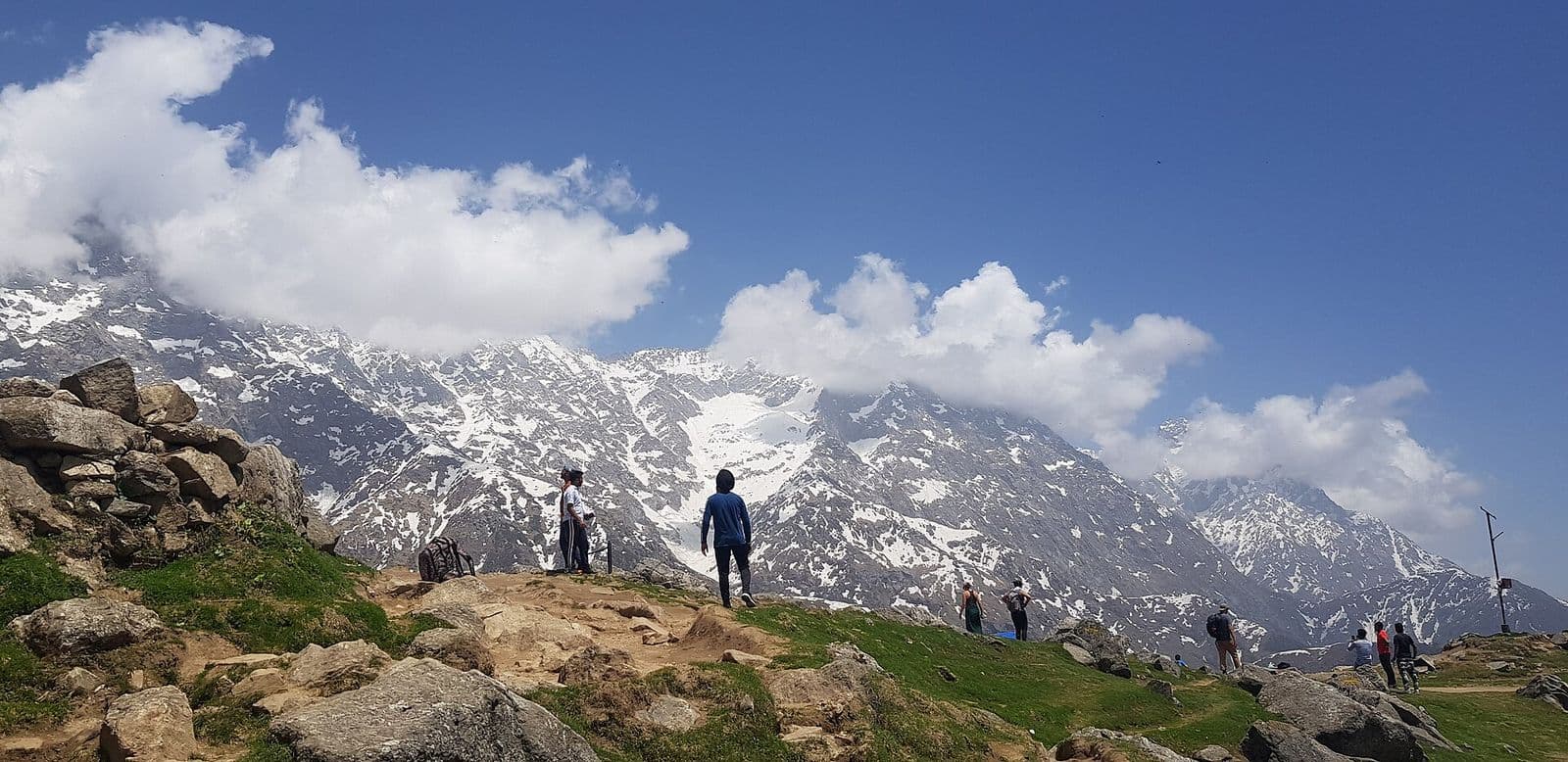
Triund Trek: The Complete Guide for 2026
Everything you need for Triund -- route details, permits, camping tips, packing list, and insider advice from local guides.
Dharamshala for Senior Citizens: Accessibility, Temples & a Slow Itinerary (2026)
An honest guide to Dharamshala and McLeod Ganj for senior travellers: how steep it really is, which areas are flatter, temple access at Chamunda and Kangra, altitude and health, taxis and a relaxed 5-day plan.
27 Mistakes First-Time Visitors Make in Dharamshala (and How to Avoid Them)
Staying in the wrong area, driving into McLeod Ganj on a Saturday, starting Triund at noon, running out of cash, feeding monkeys: the most common first-timer mistakes in Dharamshala and the simple fixes locals use.
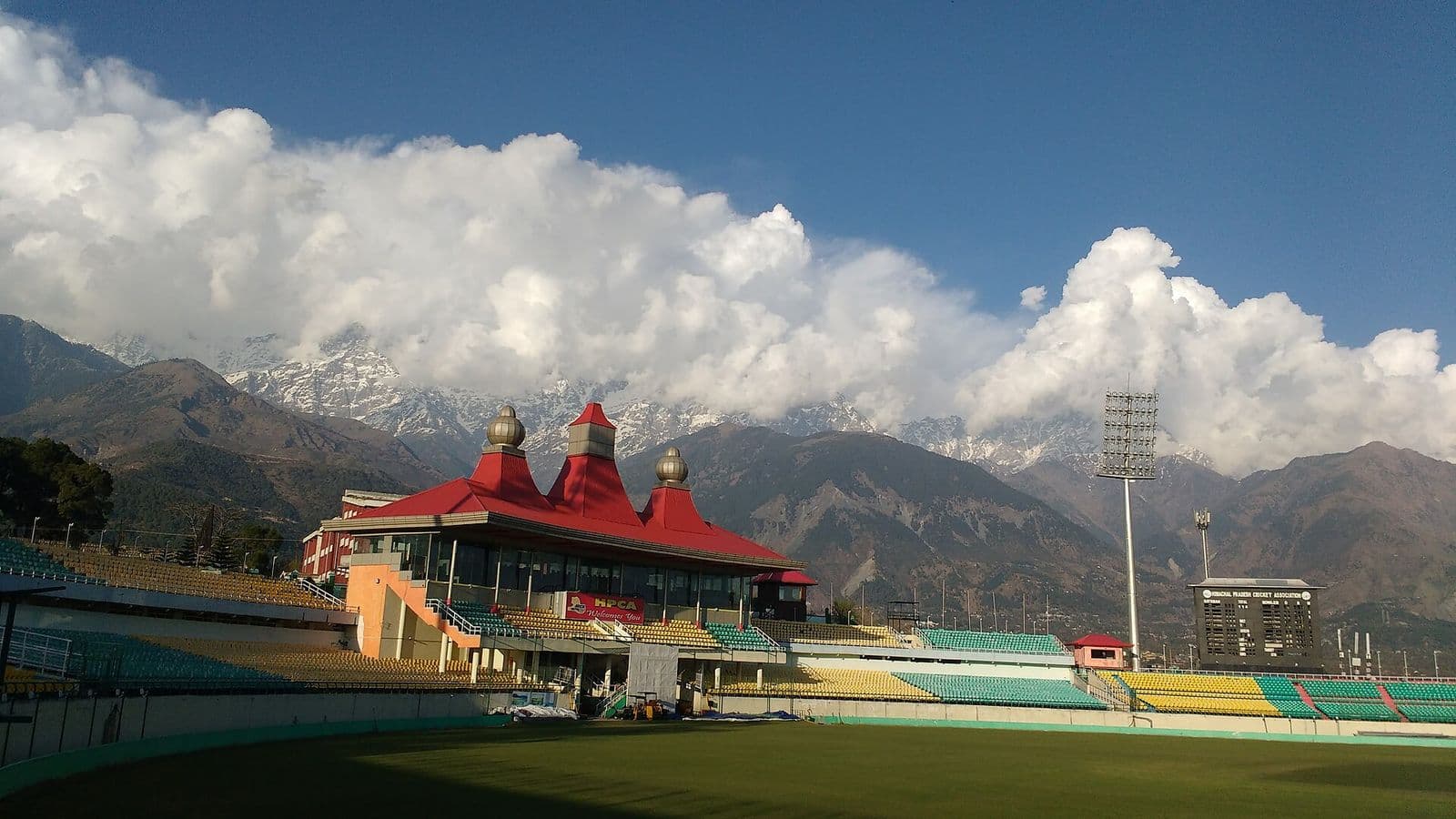
HPCA Stadium Dharamshala Guide 2026: Visiting, Match Tickets & Entry Rules
How to visit the HPCA Cricket Stadium in Dharamshala on non-match days, how to get tickets and what to carry on match days, parking and traffic, the ground's history and the nearby War Memorial.