Dharamshala Weather by Month and What to Pack (2026 Guide)
A month-by-month Dharamshala and McLeod Ganj weather table with temperatures and rainfall, plus season-by-season packing lists and a trek checklist from locals.
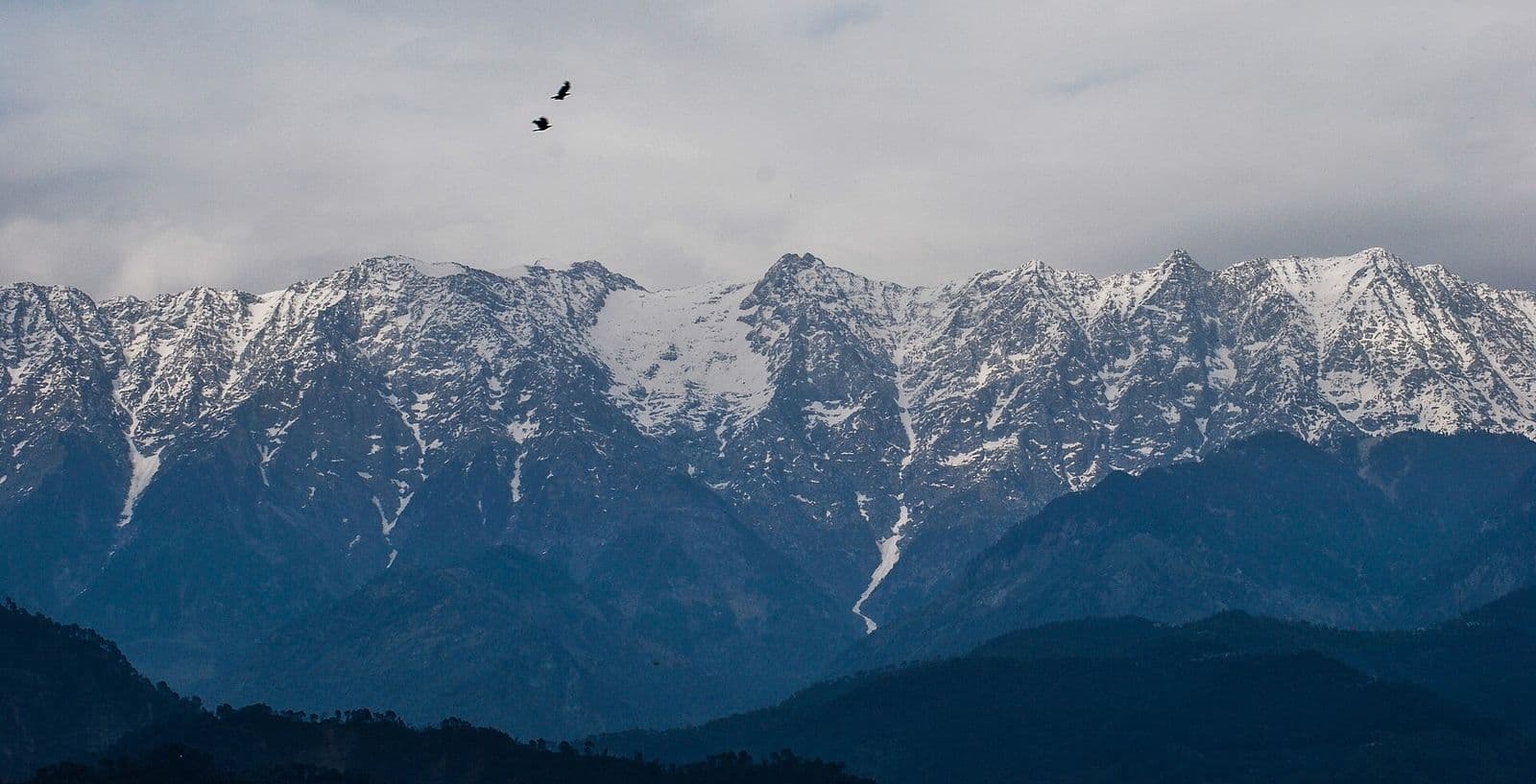
Dharamshala Weather at a Glance
Dharamshala has mild, pleasant summers, cold but mostly sunny winters and a very heavy monsoon. Dharamshala town sits at about 1,457 m and McLeod Ganj about 400 m higher at roughly 1,800-1,850 m, so McLeod Ganj is usually 3-5°C cooler than lower Dharamshala. Days in April-June reach the high 20s in town, winter nights in McLeod Ganj can drop below zero, and July and August each bring more rain than many places get in a year.
Dharamshala is widely considered the wettest place in Himachal Pradesh. Long-term India Meteorological Department (IMD) normals put annual rainfall at around 3,000 mm, most of it between late June and mid-September, because the Dhauladhar wall right behind the town traps monsoon clouds. Pack for the season, and always carry one more layer than you think you need.
Month-by-Month Weather Table
The Dharamshala figures below are rounded from IMD 1991-2020 normals for the Dharamshala station. McLeod Ganj figures are our approximations based on its extra altitude, so treat them as a guide rather than official data.
| Month | Dharamshala day / night (°C) | McLeod Ganj day / night (approx. °C) | Avg rainfall (mm) | What it feels like |
|---|---|---|---|---|
| January | 16 / 6 | 11-13 / 0-3 | approx. 85 | Coldest month, sunny spells, snow possible up high |
| February | 18 / 7 | 13-15 / 2-4 | approx. 130 | Cold, a few wet days, snow chance in upper villages |
| March | 22-23 / 11 | 17-19 / 6-8 | approx. 110 | Spring, rhododendrons, changeable weather |
| April | 27 / 15 | 22-24 / 10-12 | approx. 65 | Warm, clear, excellent trekking |
| May | 31 / 19 | 25-27 / 14-16 | approx. 70 | Warmest month, peak season, afternoon storms |
| June | 31 / 20-21 | 26-27 / 15-17 | approx. 280 | Hot early, pre-monsoon storms later |
| July | 27-28 / 20 | 22-24 / 15-17 | approx. 860 | Heavy monsoon, mist, landslide risk |
| August | 26-27 / 19 | 21-23 / 15-16 | approx. 940 | Wettest month, lush and green |
| September | 27 / 18 | 22-23 / 13-15 | approx. 380 | Monsoon fading, clearer by late month |
| October | 25-26 / 14 | 20-22 / 9-11 | approx. 55 | Crisp, clear, one of the best months |
| November | 22 / 10 | 16-18 / 5-7 | approx. 20 | Dry, cool, superb mountain views |
| December | 18 / 7 | 12-14 / 1-4 | approx. 35 | Cold nights, sunny days, snow on peaks |
For deciding when to go, pair this with our best time to visit Dharamshala guide.
The Monsoon: Why Dharamshala Gets So Much Rain
July and August together average roughly 1,800 mm of rain in Dharamshala, more than the entire annual rainfall of many Indian cities. Rain can be continuous for days, and the Dhauladhar views disappear behind cloud. What this means for you:
- Treks to Triund and Kareri Lake become slippery and are best avoided in heavy spells.
- Landslides can block the McLeod Ganj road, the Dharamshala-Pathankot highway or routes beyond Kangra for hours.
- Flights into Kangra are more likely to be delayed or diverted.
- On the plus side, the hills turn emerald, waterfalls like Bhagsu are at their fullest and hotels are cheaper.
If you are visiting in the rainy season, read our full Dharamshala monsoon travel guide first.
What to Pack: Season by Season
Spring (March to mid-April)
- Light fleece or sweater plus a medium jacket for evenings
- Long-sleeve shirts or tees for layering
- A compact rain jacket; spring showers and hail are common
- Comfortable walking shoes with grip
- Sunscreen and sunglasses
Summer (mid-April to June)
- Breathable cotton or quick-dry tees and light trousers
- One warm layer (fleece or light jacket); McLeod Ganj evenings still get cool
- Sun hat, sunglasses and SPF 30+ sunscreen
- Refillable water bottle (many cafes refill for free or for a small charge)
- A light rain jacket or umbrella for afternoon thunderstorms in May and June
- Modest clothing that covers shoulders and knees for monasteries and temples
Monsoon (July to mid-September)
- A proper waterproof rain jacket, not just an umbrella
- Quick-dry clothes; cotton never dries in the humidity
- Waterproof sandals or shoes with grip, plus a spare pair of socks for every day
- Dry bags or zip-lock pouches for phone, passport and electronics
- A small towel and a light layer for cool, damp evenings
- Insect repellent and a basic first-aid kit including anti-fungal powder
Autumn (late September to November)
- Fleece or sweater for evenings, a light down jacket by November
- Long trousers and full-sleeve tops
- Good walking or trekking shoes; this is prime trekking season
- Sunglasses and sunscreen; the October sky is very clear
- A warm cap for early mornings, especially in McLeod Ganj and Dharamkot
Winter (December to February)
- A warm insulated down or synthetic jacket
- Thermal innerwear, two sets
- Wool or fleece mid-layers
- Woollen cap, gloves, thick socks and a scarf
- Waterproof shoes with good grip; icy paths are common after snow
- Lip balm, moisturiser and sunscreen for dry air and strong sun
- A power bank in case of outages after snowfall
For a deeper look at the cold months, see our Dharamshala in winter and snowfall guide.
Trek Packing Checklist (Triund, Kareri Lake and Beyond)
Whether you are doing Triund as a day hike or the multi-day Kareri Lake trek, mountain weather changes fast. Pack:
- A 20-30 litre daypack with a rain cover
- Trekking shoes with ankle support and good grip (not new, not slippery sneakers)
- Moisture-wicking base layer plus fleece; add a down jacket from October to April
- Rain jacket all year round
- At least 2 litres of water, plus electrolytes in summer
- Energy snacks such as nuts, chocolate, bars or local dry fruit
- Headlamp with spare batteries, especially if you might be descending late
- Sunglasses, sun cap and sunscreen
- Basic first aid: blister plasters, pain relief, personal medicines
- Trekking poles, particularly helpful on the steep, rocky final section to Triund
- In winter: microspikes, gaiters and warm gloves
- Cash for the entry fee and trail tea stalls, and ID
For overnight treks, add a warm sleeping layer, a woollen cap for the night and a power bank. If you are joining one of our guided treks, tents, sleeping bags and meals are usually included; check the inclusions. Our Triund trek complete guide covers the route in detail.
Best Weather for Specific Plans
Different activities have different ideal windows. Use this as a quick planner:
| Plan | Best months | Avoid | Why |
|---|---|---|---|
| Triund day hike or overnight | April-June, October-November | Heavy monsoon spells, snowstorm days | Dry trails, clear views of the Dhauladhar |
| Kareri Lake trek | May-June, late September-October | July-August, mid-winter | River crossings swell in monsoon; lake can freeze in winter |
| Seeing snow | Late December-February | Expecting it in lower Dharamshala | Snow falls mainly at McLeod Ganj level and above |
| Paragliding at Bir Billing | October-November, March-May | July-August | Stable, clear air; monsoon flying is usually suspended |
| Photography and mountain views | October-December | July-August | Post-monsoon air is the clearest of the year |
| Cafe hopping and slow travel | Any month | None | McLeod Ganj cafes are cosy in rain and cold alike |
| Budget travel | July-August, January-February | Peak holiday weeks | Lowest hotel rates, fewer crowds |
What Not to Pack
Travelling light makes the steep lanes of McLeod Ganj, Bhagsu and Dharamkot far easier. You can leave behind:
- A heavy hard-shell suitcase; many hillside hotels mean carrying luggage up steps, so a backpack or soft duffel is easier
- Too many cotton outfits in monsoon; they will not dry
- Fancy shoes; you will live in walking shoes or sandals
- Bulky winter gear you can buy locally; McLeod Ganj markets sell woollen caps, socks, gloves and shawls at fair prices
Local Tips on Weather
- Mornings are clearest. In every season, the Dhauladhar is most likely to be visible early in the day. Plan sunrise walks and photos accordingly.
- Afternoon storms are normal in May, June and the shoulder months. Start treks early and aim to be off exposed ridges by early afternoon.
- Check forecasts for western disturbances in winter and early spring; they bring rain in town and snow higher up.
- Altitude matters within a few kilometres. If it is warm and sunny in Kotwali Bazaar, it may be breezy and cool in Dharamkot.
- Hotels and heating: in winter, ask whether your room has a heater and 24-hour hot water. In monsoon, ask about damp-free rooms.
Wherever you choose to stay, from lower Dharamshala to McLeod Ganj and Bhagsu, you can browse hotels by area and filter by budget. Questions about seasons, cancellations or transfers? Our FAQ has quick answers.
Frequently Asked Questions
What is the coldest month in Dharamshala?
Is Dharamshala the wettest place in Himachal Pradesh?
How cold is McLeod Ganj compared with Dharamshala?
What should I wear in Dharamshala in October?
More answers on our Dharamshala travel Q&A page.
Need Help Planning Your Dharamshala Trip?
Our local team can help with hotels, treks, taxis, and custom itineraries.
Related Guides
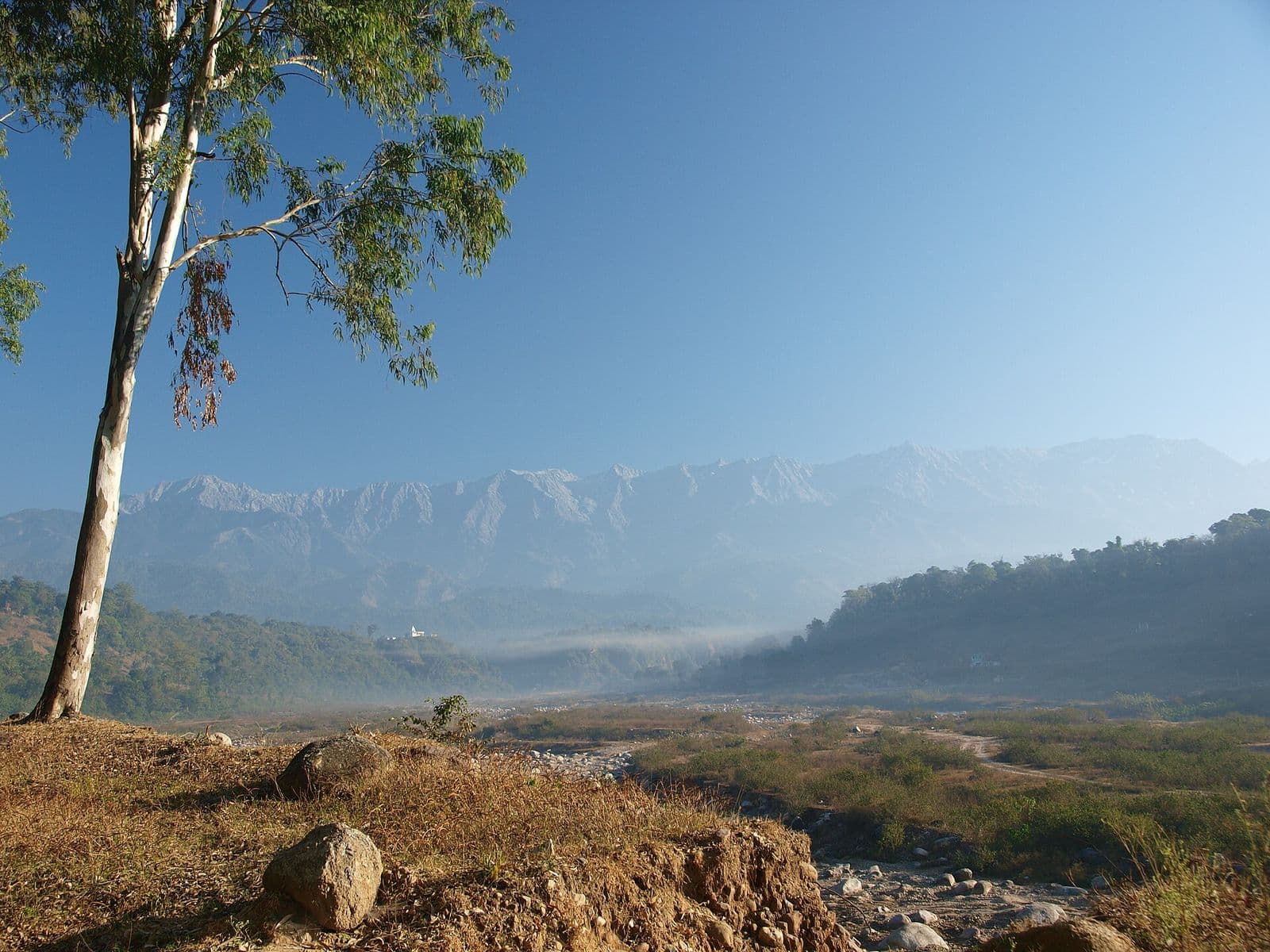
Best Time to Visit Dharamshala: Month-by-Month Guide (2026)
Season-by-season breakdown of weather, crowds, pricing, and the best activities for each time of year.
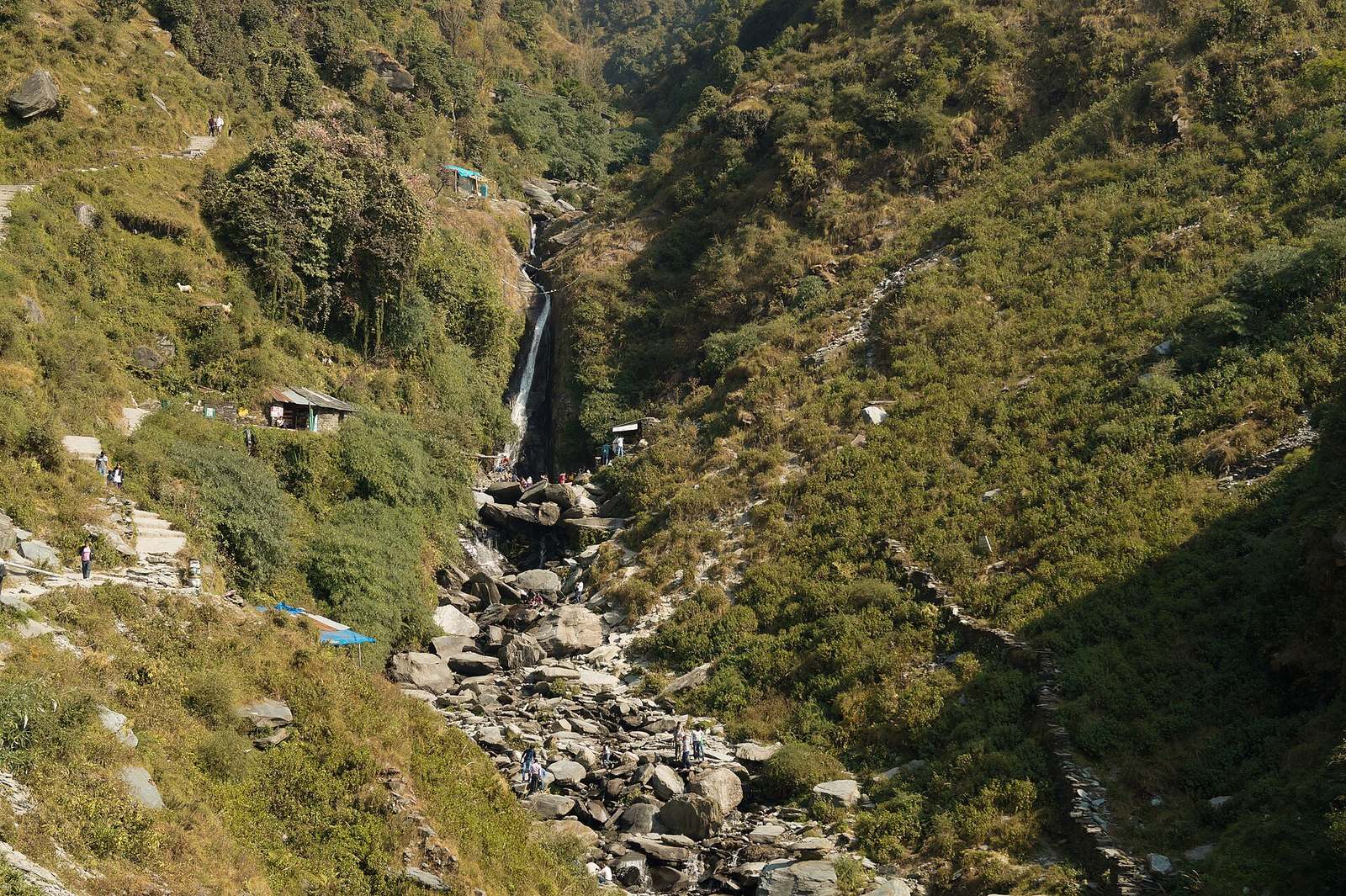
Visiting Dharamshala in Monsoon: What to Expect (July-September 2026)
Is monsoon a good time to visit? The honest answer, plus tips for making the most of a rainy season trip.
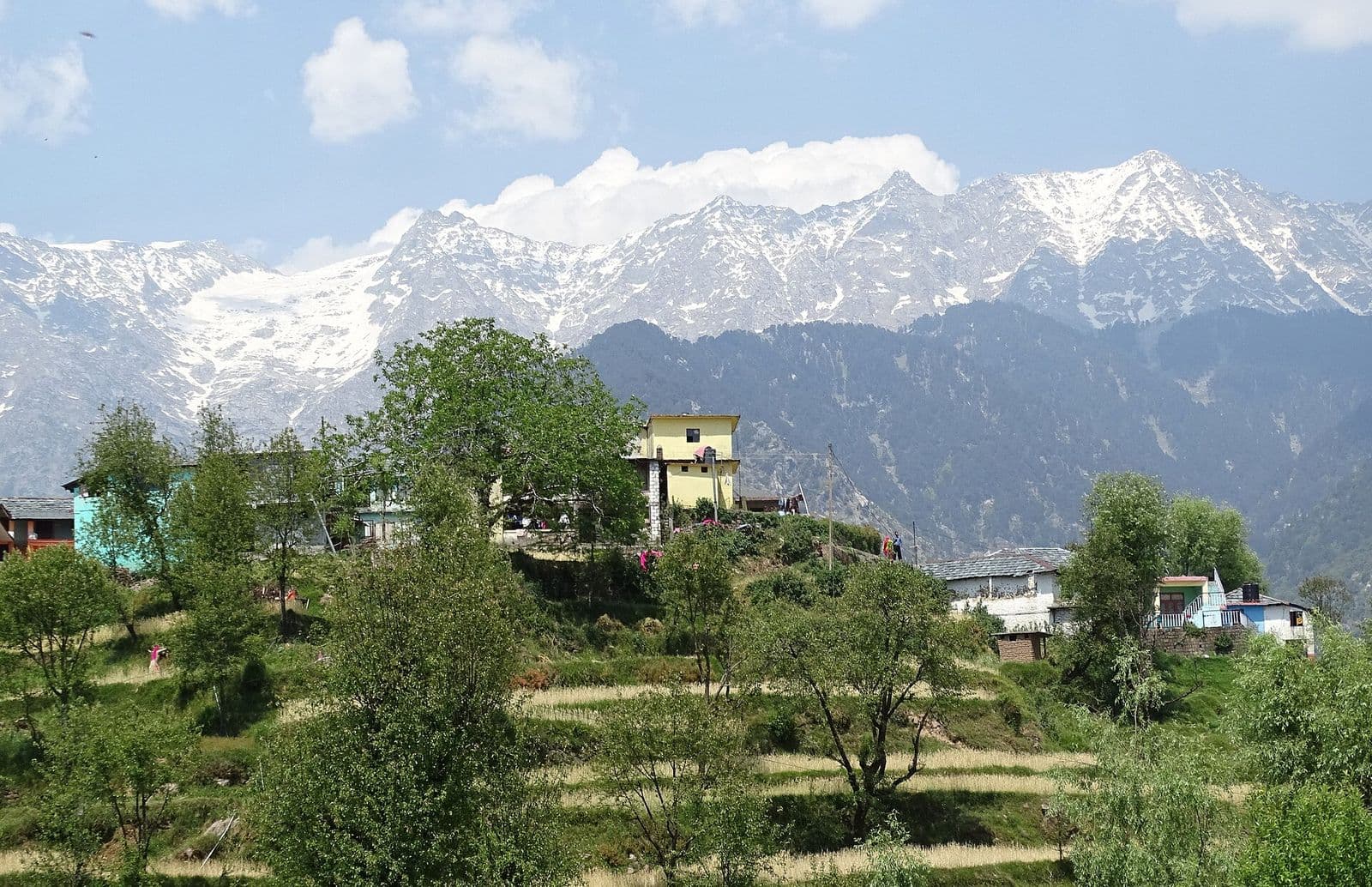
Dharamshala in Winter: When and Where It Snows, Month by Month (2026)
Does it snow in Dharamshala? Here is an honest local guide to snowfall in McLeod Ganj, Naddi, Triund and lower Dharamshala, plus road conditions, what stays open and how to pack.
Dharamshala Trip Cost: Realistic Budget for 3 Days (2026)
How much does a Dharamshala and McLeod Ganj trip really cost? Transport, hotels, food, Triund, paragliding and taxis, with sample 3-day budgets for backpackers, mid-range and comfort travellers.