Dharamshala with Limited Mobility: An Honest Accessibility Guide (2026)
A straight answer on what Dharamshala and McLeod Ganj are actually like with a wheelchair, a stroller, a knee injury or elderly parents -- the gradients, which areas work, where to stay, and what to skip.
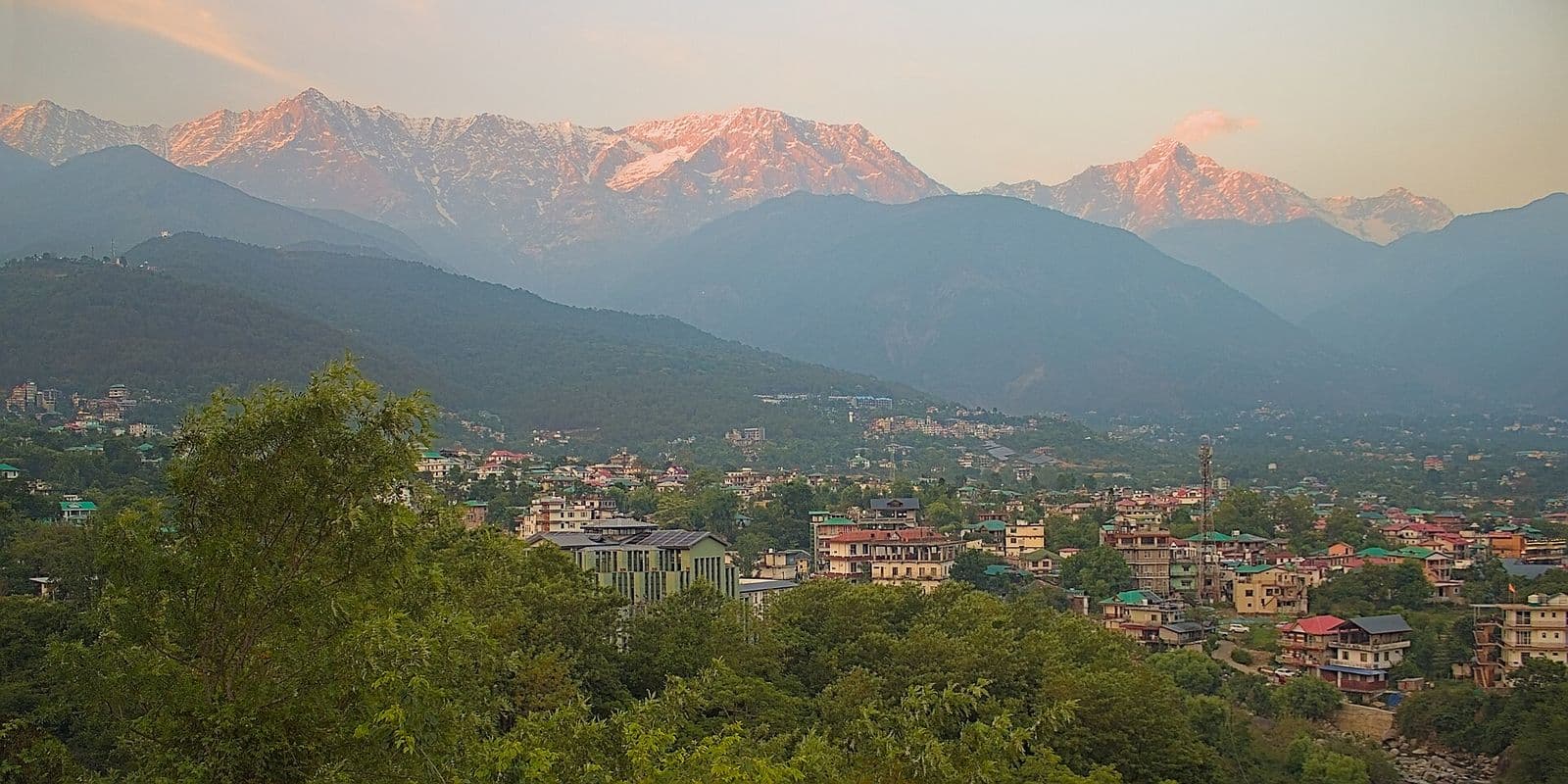
Most accessibility information about Indian hill stations is either absent or optimistic. This page tries to be neither. Dharamshala is a difficult destination for anyone with limited mobility -- and it is still a very doable one if you plan around the terrain rather than fight it.
The honest assessment
McLeod Ganj is built on a steep slope. The practical consequences:
- Gradients are severe. Streets that look like gentle slopes on a photograph are hard work on foot and genuinely hard in a manual wheelchair.
- Footpaths are inconsistent. Many roads have no pavement at all, and where there is one it is often narrow, broken, or doubling as parking.
- Stairs are everywhere. A great many guesthouses, restaurants and viewpoints are reached only by steps -- frequently steep, uneven, and without a handrail.
- Traffic shares the road with you. Narrow roads, taxis, bikes and no verge to step onto.
- Accessible toilets are rare. Assume they are not available outside better hotels.
None of this is said to put anyone off. It is said because arriving without knowing it is how trips go wrong.
What actually works well
Set against that, several things work in your favour:
- Taxis go nearly everywhere. This is the single biggest lever. Road access reaches most of the places visitors want, and taxis are cheap by Western standards. Treating taxis as your default rather than your fallback transforms the trip.
- Hotels at road level exist. They are not the picturesque ones up a lane, but they exist, and choosing one correctly solves most daily friction.
- People help, readily. Offers of a hand with a step or a bag are constant and genuine. This is a place where asking works.
- The main attractions are mostly road-accessible, even where parts of them are not.
Choosing where to stay -- the decision that matters most
Get this right and the rest follows. Get it wrong and every single day involves a climb.
Ask these questions before booking, and ask for photographs:
- How many steps from where a taxi can stop to the room door? Not to reception -- to the room. This is the question most people forget.
- Is there a lift? Many multi-storey buildings here do not have one.
- Is the room on the ground floor? Request it explicitly and reconfirm.
- Is the bathroom step-free, and is there anywhere to grab? Wet rooms with a step up are very common.
- Is the property on the main road or up a lane? A lane means luggage, gradient and no taxi to the door.
As a rule of thumb, lower Dharamshala and the main road areas are flatter than McLeod Ganj proper, which is flatter than Bhagsu, which is far flatter than Dharamkot. Dharamkot is effectively off the table for wheelchair users -- it is reached by steep narrow lanes and steps.
Place by place
Tsuglagkhang — the Dalai Lama temple complex
The complex is road-accessible and there is a ramp into parts of it, but the site is on multiple levels and not all of it is step-free. It is the most feasible of the major sights. Security restricts bags and cameras in places. Go early when it is quieter and there is more room to move.
McLeod Ganj main square and markets
Flat-ish in patches, chaotic throughout. Narrow, crowded, uneven, with vehicles pushing through. Manageable for someone walking with a stick, hard with a wheelchair or stroller, and best attempted outside peak hours.
Bhagsu waterfall
The village is reachable by road, but the waterfall itself is not accessible -- the final approach is a rough, uneven path with rock steps. Many visitors with limited mobility go as far as the village and the temple and stop there, which is a reasonable trip in itself.
Bhagsunag temple
Road-accessible with some steps. More feasible than the waterfall.
Naddi and the valley viewpoints
The best option for views without effort. Naddi is reached by road, and the viewpoint is close to where a taxi can stop. If there is one sightseeing trip to prioritise with limited mobility, it is this one.
HPCA cricket stadium
Modern construction, which means it is among the better-equipped sites in the area. Road-accessible.
Norbulingka Institute
Down in the valley, flatter than McLeod Ganj, with gardens laid out on gentle paths. One of the more comfortable half-days available, though there are steps in places.
Church of St John in the Wilderness
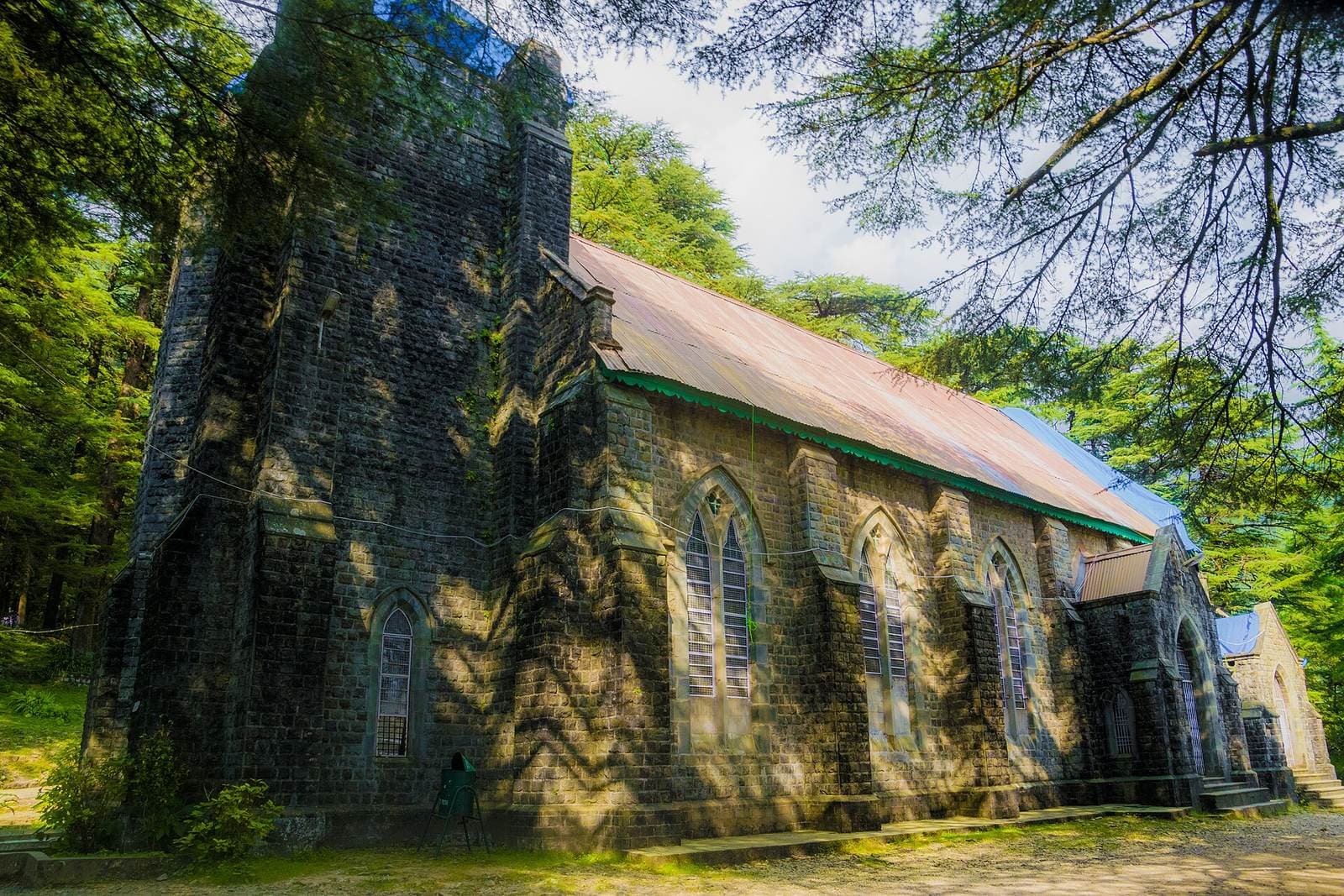
Road-accessible with a short uneven path and some steps.
Treks and Triund
Not feasible. Triund is a steep unmade mountain trail. If someone in your group wants to go, the rest can comfortably spend the day in Naddi or Norbulingka.
Strollers and young children
Much of the above applies. A sturdy three-wheel or all-terrain buggy copes far better than a lightweight city stroller, which will fight you on every broken surface. Many parents find a carrier more practical than a stroller here, particularly in the markets and anywhere near the waterfall. Our family travel guide covers the rest.
Knee, hip and recovery travel
If you are walking but find stairs and gradient painful, this is the sweet spot where good planning makes a real difference:
- Book on the ground floor, at road level
- Use taxis for everything, including distances that look walkable on a map
- Trekking poles help enormously on the downhill sections, which are harder than the climbs
- Build genuinely slow days into the itinerary
- Avoid monsoon if you can: wet stone and worn steps are treacherous
Elderly visitors
Our guide for senior citizens covers this in full. The short version: pick flat accommodation, use taxis, prioritise the temple complex, Naddi and Norbulingka, and do not try to do everything in three days. Altitude is mild at around 2,000 m but is worth a word with your doctor if you have a heart or lung condition.
Practical arrangements
- Taxis: easy to arrange, and drivers will routinely wait. Booking the same driver for a full day is straightforward and usually better value than individual trips. See our taxi services.
- Wheelchair hire: do not assume it is available locally. Bring your own equipment.
- Medical support: there is a hospital in Dharamshala and a larger medical college at Tanda. See our health guide.
- Airport: Kangra (Gaggal) is small, which makes it easier to navigate than a major terminal, though assistance is more limited. Request it well in advance. See our Kangra airport guide.
Before you book, ask us
Accessibility details change with renovations and new builds, and no page can stay current on every property. We live here. If you tell us what you need -- step-free access, a ground-floor room, a bathroom without a step, a driver who will wait -- we will tell you honestly what is possible and what is not. Get in touch, or browse hotels in Dharamshala and ask us about a specific property before booking.
Frequently Asked Questions
Is Dharamshala wheelchair accessible?
Which sights can I reach with limited mobility?
What should I ask a hotel before booking?
Can I hire a wheelchair in Dharamshala?
Is a stroller practical in McLeod Ganj?
Is the altitude a problem for elderly visitors?
More answers on our Dharamshala travel Q&A page.
Need Help Planning Your Dharamshala Trip?
Our local team can help with hotels, treks, taxis, and custom itineraries.
Related Guides
Dharamshala for Senior Citizens: Accessibility, Temples & a Slow Itinerary (2026)
An honest guide to Dharamshala and McLeod Ganj for senior travellers: how steep it really is, which areas are flatter, temple access at Chamunda and Kangra, altitude and health, taxis and a relaxed 5-day plan.
Dharamshala with Kids: Family Travel Guide to McLeod Ganj & Kangra (2026)
A practical family guide to Dharamshala and McLeod Ganj with kids: where to stay, kid-friendly sights and easy walks, food, car sickness on hill roads, monkeys, strollers, rainy-day ideas and a 4-day plan.
Health & Medical Help in Dharamshala: Hospitals, Pharmacies & Emergencies (2026)
Where to get medical help in Dharamshala and McLeod Ganj: Zonal Hospital, Delek Hospital, Tanda Medical College, pharmacies, stomach bugs and safe water, altitude, trek injuries, dog and monkey bites, insurance and emergency numbers.
Naddi & Dal Lake Guide 2026: Sunrise Point, Tota Rani, St. John Church & Stays
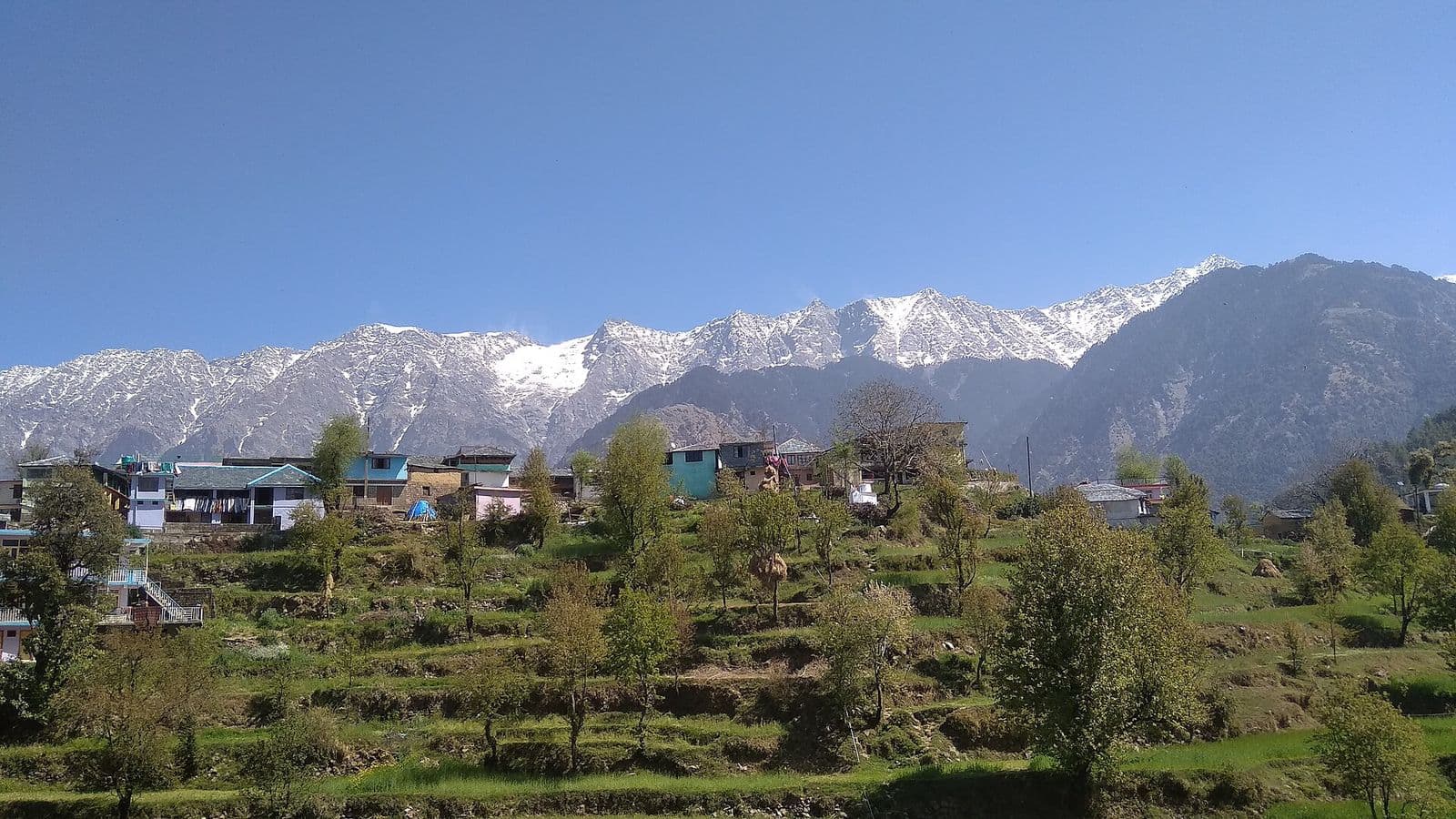
An honest guide to Naddi and Dal Lake above Dharamshala: the Naddi viewpoint at sunrise and sunset, the real state of Dal Lake, Tota Rani village, the St. John in the Wilderness walk, Kunal Pathri and where to stay.