Bir Billing to Rajgundha Trek: Route, Stays & Barot Option (2026)
A practical guide to trekking from Billing to Rajgundha in the Chhota Bhangal valley, with the route, times, homestays and camps, the optional descent to Barot, best season and safety.
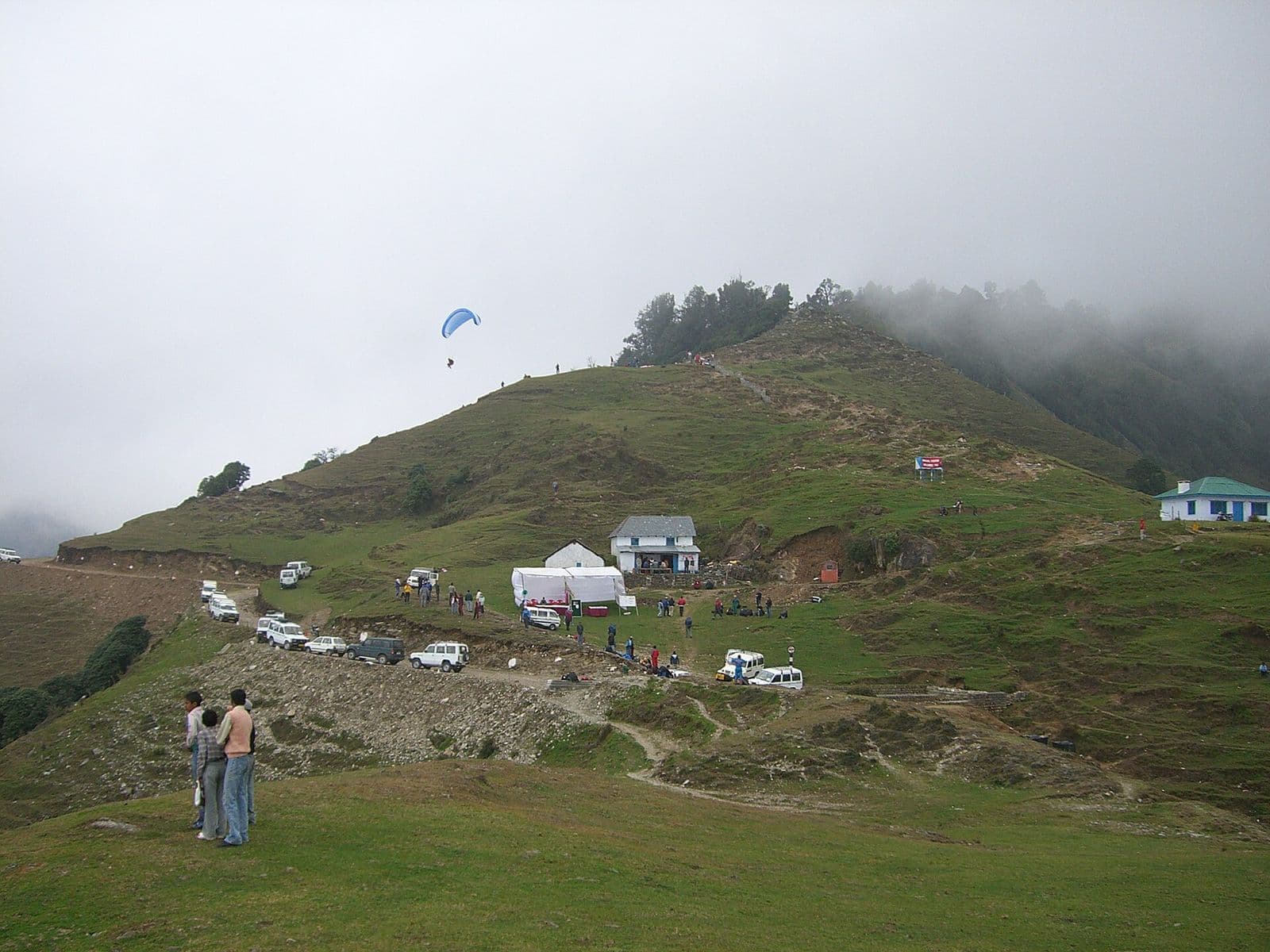
The Billing to Rajgundha trek starts at the paragliding take-off at Billing (approx. 2,400 m), 14 km above Bir, and follows forest and meadow trails over the ridge into the Chhota Bhangal valley to Rajgundha (approx. 2,400 to 2,500 m), a small, remote village with homestays and camps. It is roughly 12 to 15 km one way and takes 5 to 7 hours, rated easy to moderate. Most people stay one night and return, or continue down to Barot in Mandi district on day two.
It is the perfect add-on to a Bir Billing paragliding trip: a quiet, green trail with Dhauladhar views, almost no crowds, and a chance to see Gaddi shepherds and a village that still feels far from the road.
Quick Facts
| Detail | Info |
|---|---|
| Start | Billing take-off (approx. 2,400 m), 14 km by road from Bir |
| Destination | Rajgundha village, Chhota Bhangal valley (Kangra district) |
| Distance | Approx. 12–15 km one way (varies by route) |
| Time | 5–7 hours one way |
| Difficulty | Easy to moderate; long but not technical |
| Highest point | Approx. 2,600–2,800 m on the ridge (sources vary) |
| Duration | 2 days (return) or 2–3 days (via Barot) |
| Best months | April–June, mid-September–November |
| Stay | Homestays and seasonal camps at Rajgundha |
| Mobile signal | Weak or none in Rajgundha; plan for offline |
Route Stage by Stage
| Stage | From – To | Approx. distance | Altitude | Time | Terrain |
|---|---|---|---|---|---|
| 1 | Bir – Billing (by taxi) | 14 km road | 1,500 to 2,400 m | 45 min–1 h | Narrow mountain road |
| 2 | Billing – ridge / forest section | 4–6 km | up to approx. 2,700 m | 2–3 h | Forest trail, gentle climbs |
| 3 | Ridge – meadows and shepherd huts | 4–5 km | approx. 2,600 m | 1.5–2 h | Open slopes, streams |
| 4 | Meadows – Rajgundha | 3–4 km | approx. 2,450 m | 1–2 h | Descent to the village |
| 5 (option) | Rajgundha – Badagran / Barot | Approx. 15–18 km | down to 1,830 m (Barot) | 5–7 h on foot | Jeep track and footpaths |
These figures are approximate; trail lines change after landslides, and maps disagree. A local guide knows the current path.
Billing to Rajgundha
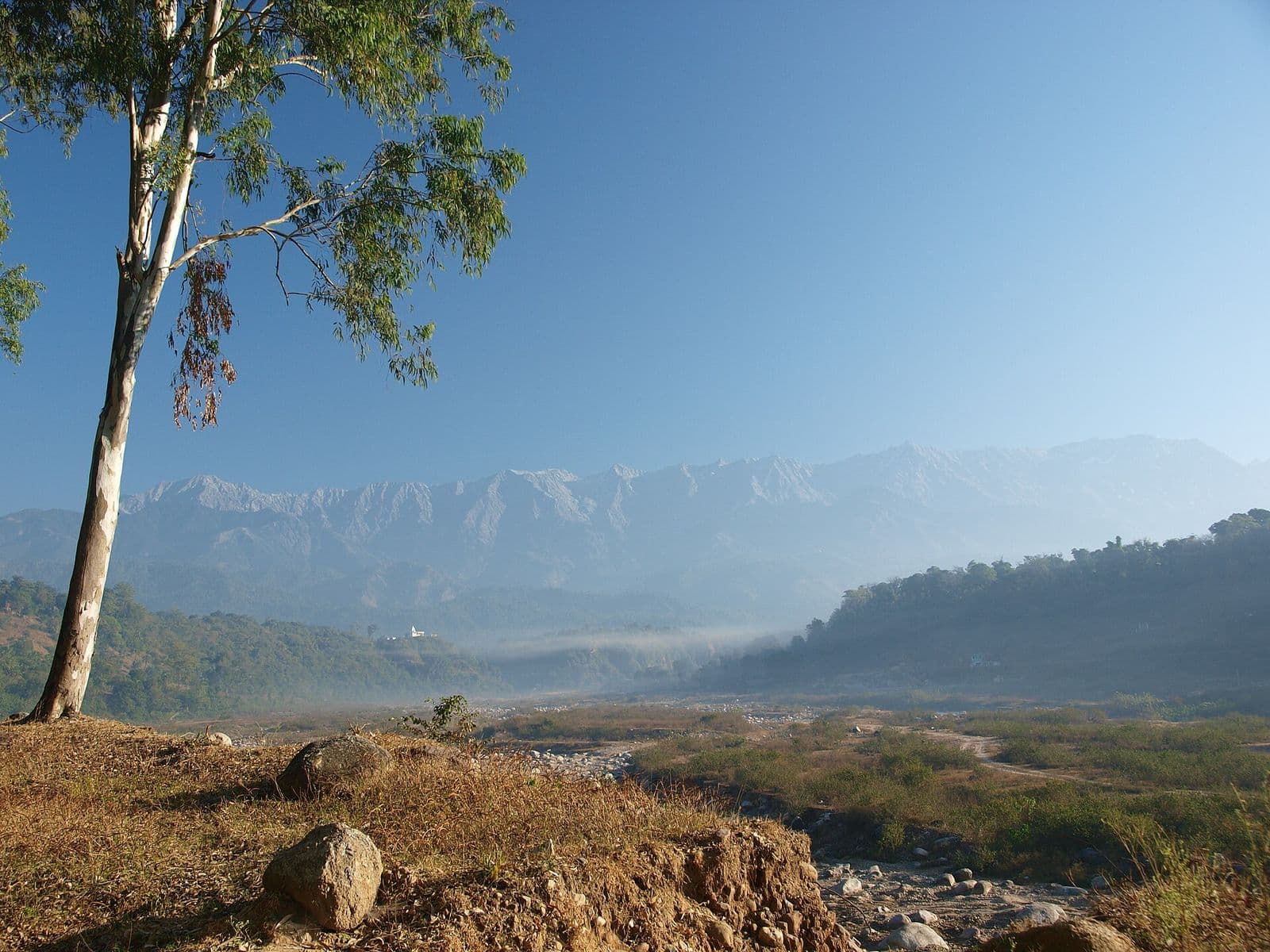
From the take-off area, the trail heads northeast through oak, rhododendron and deodar forest, contouring and climbing gently with occasional views back over Bir and the Kangra Valley. There are a few forks, especially where shepherd paths branch off, which is why most people take a guide or follow a local. After the high point the trail opens into grassy meadows dotted with shepherd huts (in summer and early autumn the Gaddi flocks are often here) before descending to Rajgundha, with its wooden and slate houses and terraced fields facing the high Dhauladhar.
Rajgundha to Barot (optional)
Instead of retracing your steps, you can continue down the valley towards Badagran and then Barot, a riverside village on the Uhl river known for its trout hatchery and the old Shanan hydel project. A rough jeep track links the Rajgundha area towards Barot, though its condition varies year to year and after monsoon damage; some trekkers walk, others arrange a jeep for part of the way. From Barot, it is about 40 km to Joginder Nagar and a long drive back to Bir. See our Barot Valley guide for stays and things to do.
Longer: Thamsar Pass and Bara Bhangal
Rajgundha is also the first night on the much harder Thamsar Pass route towards Bara Bhangal, which crosses well above 4,000 m and needs a full expedition setup. Do not confuse the two: the Rajgundha trek is a gentle village walk, Thamsar is a serious high-altitude crossing.
Sample 2-Day and 3-Day Plans
| Day | 2-day return | 3-day via Barot |
|---|---|---|
| Day 1 | 8 am taxi Bir to Billing; trek to Rajgundha by mid-afternoon; homestay dinner | Same as 2-day plan |
| Day 2 | Sunrise walk around the village; trek back to Billing; taxi down to Bir by evening | Walk or jeep towards Badagran and Barot; overnight in Barot |
| Day 3 | (Optional) paragliding in Bir if you did not fly before the trek | Trout farm and riverside walk in Barot; drive to Bir, Mandi or Dharamshala |
A good rhythm is to fly on arrival day in Bir while the weather is clear, trek the next two days, and keep a buffer day in case of rain. Paragliding flights from Billing land in Bir, so you will already have seen the start of the trail from the air.
Rajgundha Village Life and Etiquette
Rajgundha is a working farming and pastoral village, not a resort. Families grow potatoes, rajma, maize and barley on the terraces, and many households keep cattle, while Gaddi shepherds pass through with flocks in the warmer months. A few practical courtesies go a long way:
- Ask before photographing people, homes or the small village shrines.
- Dress modestly and keep music and voices low, especially in the evening.
- Eat what is cooked. Homestay food is simple and local; asking for special dishes means someone has to carry ingredients up on foot.
- Use water and electricity sparingly. Both are limited, and solar-charged batteries may be all the household has.
- Pay fairly and in cash, and do not bargain hard over a few hundred rupees.
- Take your rubbish back to Bir. There is no waste collection in the valley.
Difficulty
The trek is easy to moderate. The climb from Billing is gradual and the total gain is modest, but 12 to 15 km is a long day if you are not used to walking, and the forest sections can be muddy. Anyone who has done a 5 to 6 hour day hike can manage it. Compared with Triund, it is longer but less steep and far less crowded.
Best Season
- April to June: pleasant weather, rhododendrons in early spring, busy paragliding season in Bir.
- July to August: monsoon; leeches, slippery paths and landslides on the Bir–Billing road. Not recommended. The 2026 monsoon caused significant damage in the Kangra region, so check current road and trail conditions.
- Mid-September to November: clear skies, golden meadows, the best views. Nights in Rajgundha get cold by November.
- December to March: snow at Billing and on the ridge; the trail can be closed or hard to follow. Only with a local operator.
Permits and Fees
No special trekking permit has generally been required for the Billing to Rajgundha route, which stays below 3,000 m. Some local forest or panchayat fees may apply to camping, and rules can change, so check locally with your operator or your homestay host. Carry photo ID. The higher Thamsar Pass route goes above 3,000 m and may fall under Kangra district restrictions on high-altitude trekking announced in January 2026.
Where to Stay in Rajgundha
- Homestays: a handful of village families host trekkers in simple rooms with blankets, home-cooked dal, rice and roti. Expect shared, basic bathrooms and limited power. As of 2026, approx. ₹800 to ₹1,500 per person including dinner and breakfast; confirm in advance through your operator, as there is little signal to call ahead.
- Camps: seasonal tented camps operate in the meadows near the village in spring and autumn; typical packages from Bir bundle the trek, tent, meals and guide.
- Back in Bir: plenty of guesthouses, cafes and hostels. See our Bir travel guide and hotels.
Guides, Porters and Costs
A local guide is recommended for route-finding and for arranging the homestay. As of 2026, expect approx. ₹1,500 to ₹2,500 per day for a guide, or approx. ₹3,000 to ₹6,000 per person for a 2-day package from Bir with taxi to Billing, meals, stay and guide (varies by group size and season). A taxi from Bir to Billing costs approx. ₹800 to ₹1,200 one way. Browse our treks or ask us via contact.
Getting to Bir
Bir is about 65 to 70 km from Dharamshala, roughly 2 to 2.5 hours by road via Palampur and Baijnath. The nearest railway is Ahju on the Kangra narrow-gauge line, and the nearest airport is Gaggal. Book a taxi or see how to reach Dharamshala for long-distance options.
Safety and Weather
- Start early from Billing (by 8 or 9 am) to reach Rajgundha well before dark.
- Fog and storms build in the afternoon, especially in spring and early summer.
- Paragliders: stay clear of the take-off area when pilots are launching.
- Dogs: Gaddi sheepdogs guard flocks; give them space and do not approach the sheep.
- No signal: tell someone your plan; download an offline map.
- Water: carry 2 litres; fill from streams only with a filter or tablets.
What to Pack
- Trekking shoes with grip, rain jacket, warm fleece and down jacket (October onward)
- Headlamp, power bank, cash (no ATMs or card payments in Rajgundha)
- Snacks, water bottle, filter or tablets
- Toiletries, small towel, personal medicines
- Sunscreen, cap, sunglasses
Mistakes to Avoid
- Starting at noon after a morning flight and walking the forest in the dark.
- Going without directions or a guide and taking a shepherd trail.
- Expecting signal, ATMs or shops in Rajgundha.
- Planning Barot without transport confirmed at the other end.
- Leaving plastic in the meadows. Pack everything out.
Where to Stay Before
Stay in Bir or nearby for an early start; see our Bir travel guide, browse hotels, and check the FAQ for booking help. If you are based in Dharamshala, it is an easy two-hour transfer.
Frequently Asked Questions
How long is the Billing to Rajgundha trek?
Is the Rajgundha trek difficult?
Is there a road to Rajgundha?
Where can I stay in Rajgundha?
When is the best time for the Rajgundha trek?
More answers on our Dharamshala travel Q&A page.
Need Help Planning Your Dharamshala Trip?
Our local team can help with hotels, treks, taxis, and custom itineraries.
Related Guides
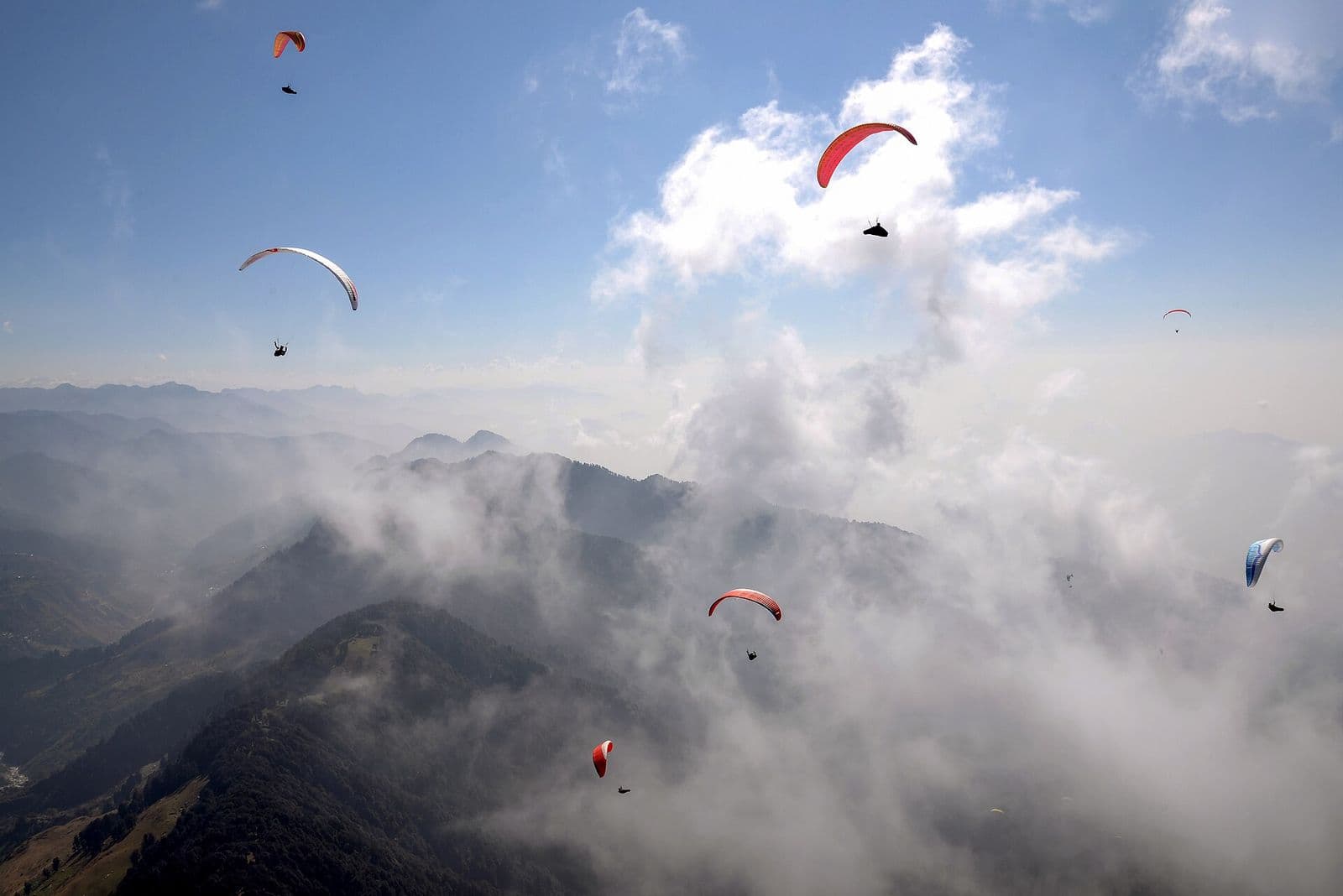
Bir Billing Paragliding from Dharamshala: Complete Guide (2026)
Everything about paragliding at Bir Billing -- costs, best season, what to expect, safety tips, and how to book from Dharamshala.
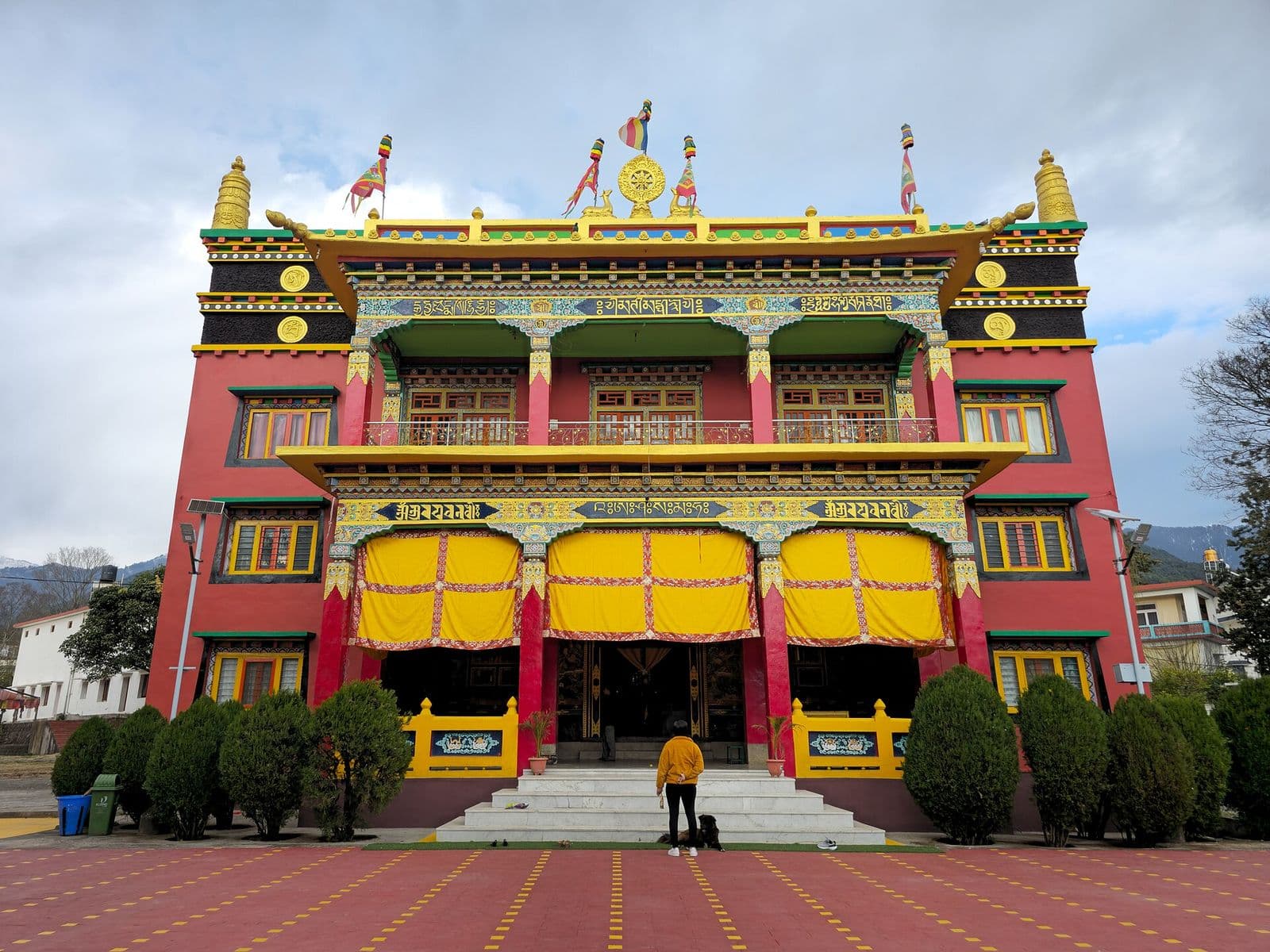
Bir Travel Guide 2026: Beyond Paragliding, Monasteries, Billing & Where to Stay
Bir is more than a paragliding launch. Our guide covers the Tibetan colony, Chokling and Sherab Ling monasteries, Deer Park Institute, cafes, Billing, the Rajgundha trek, tea gardens, how to reach from Dharamshala and where to stay.
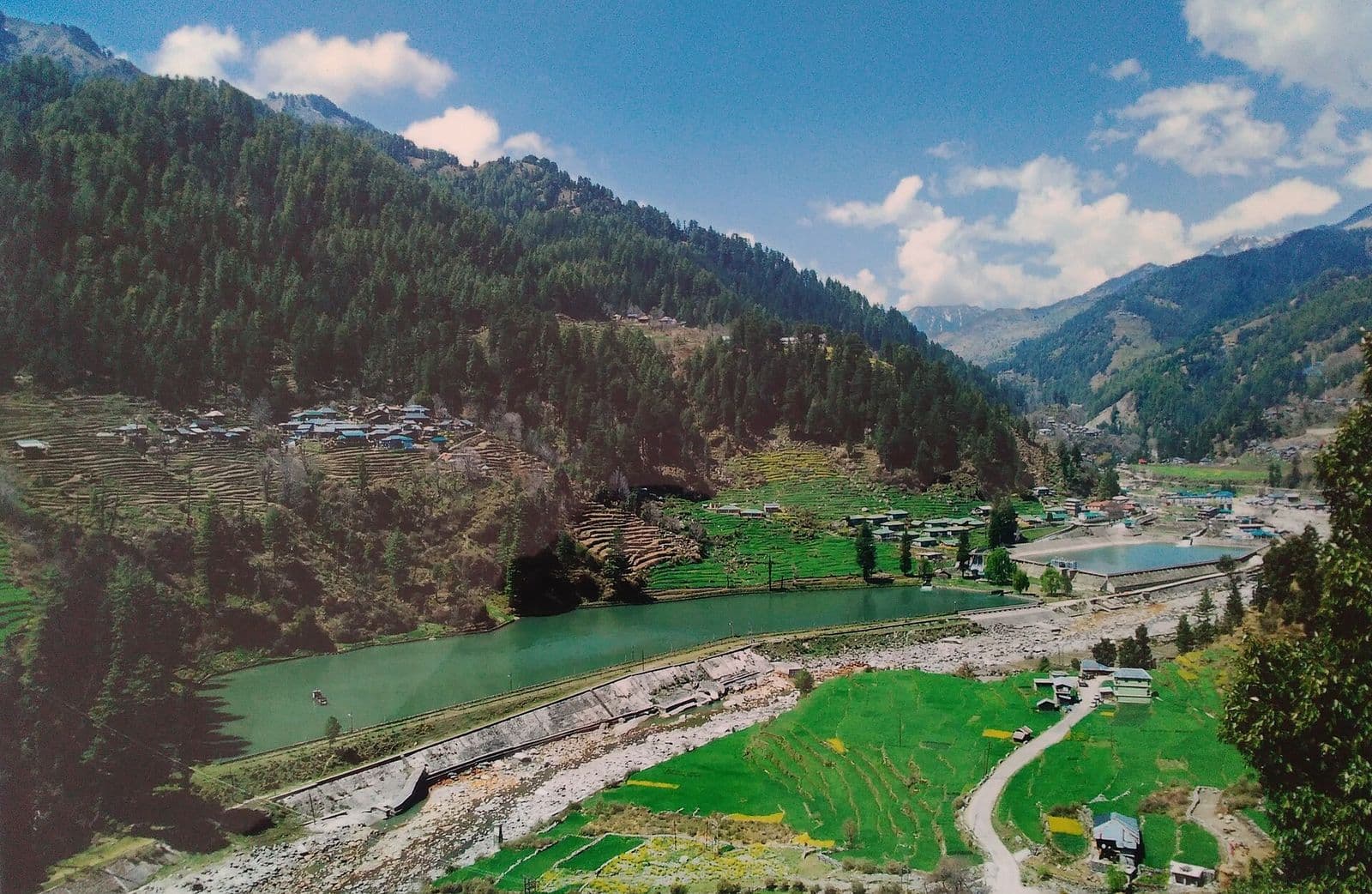
Barot Valley Guide 2026: Uhl River, Trout, Haulage Trolley & How to Reach
A complete guide to Barot Valley in Mandi district: reaching from Bir and Dharamshala, the Uhl river and trout farm, the Shanan haulage trolley story, stays, and the trek link to Rajgundha.
5-Day Kangra Valley Itinerary: McLeod Ganj, Triund, Kangra, Palampur and Bir (2026)
A practical five-day Kangra Valley itinerary covering McLeod Ganj, the Triund trek, Norbulingka, Kangra Fort and Masroor, Palampur and Baijnath, and Bir Billing, with driving times, where to base yourself and winter and monsoon variants.