Barot Valley Guide 2026: Uhl River, Trout, Haulage Trolley & How to Reach
A complete guide to Barot Valley in Mandi district: reaching from Bir and Dharamshala, the Uhl river and trout farm, the Shanan haulage trolley story, stays, and the trek link to Rajgundha.
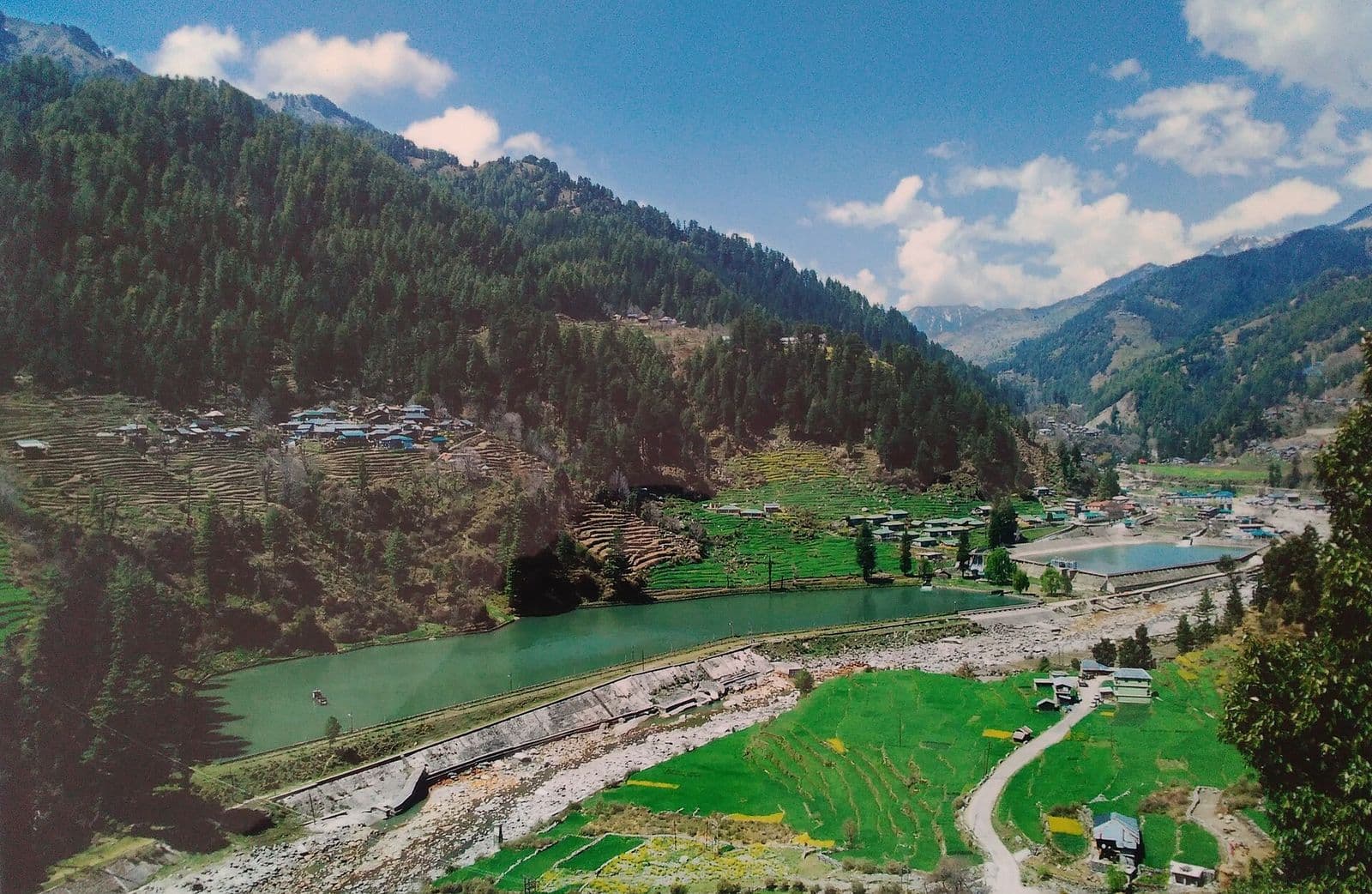
Barot is a small river village at about 1,830 m in Mandi district, set on the Uhl river where the Dhauladhar foothills close in on both sides. It is roughly 2–2.5 hours (approx. 60–65 km) from Bir and 4–4.5 hours (approx. 125–135 km) from Dharamshala, via Joginder Nagar. People come for the river, trout, deodar forest, the Nargu Wildlife Sanctuary across the water, and the history of one of India's oldest hydroelectric projects.
If you are expecting a buzzing hill station, Barot is not that. It is a place to sit by the river, walk to villages, eat fresh trout and sleep in near-total quiet. Below: how to get there, what is actually open, the truth about the famous haulage trolley, where to stay and how Barot links with the Bir–Billing–Rajgundha trek. Times and prices are approx. as of 2026.
Quick Facts
| Location | Barot, Chauhar Valley, Mandi district, Himachal Pradesh |
| Altitude | approx. 1,830 m |
| River | Uhl (a tributary of the Beas) |
| From Bir | approx. 60–65 km, 2–2.5 hrs |
| From Dharamshala | approx. 125–135 km, 4–4.5 hrs |
| From Mandi | approx. 65 km, 2.5–3 hrs |
| Nearest town | Joginder Nagar (approx. 40 km) |
| Best time | April–June, late September–November |
| Avoid | Peak monsoon (landslides on the Ghatasni road); heavy-snow weeks |
| Mobile network | Patchy; BSNL and Jio usually best. Do not count on reliable data. |
How to Reach Barot
From Bir
Bir is the natural base for Barot. Drive down to the Baijnath–Mandi highway, east to Joginder Nagar, then climb north via Ghatasni and over the ridge into the Uhl valley to Barot.
- Bir → Joginder Nagar: approx. 25–30 km, 45 min–1 hr on the highway.
- Joginder Nagar → Ghatasni → Barot: approx. 35–40 km, 1.5 hrs. Narrow, steep in parts, with forest sections.
A taxi day trip from Bir is approx. ₹3,000–4,000 return for a sedan as of 2026. Our Bir travel guide covers where to stay in Bir and local taxi stands.
From Dharamshala or McLeod Ganj
Dharamshala → Kangra/Nagrota → Palampur → Baijnath → Joginder Nagar → Barot. Allow 4–4.5 hours, more on weekends around Palampur. A one-way taxi is approx. ₹4,500–6,000; a two-day round trip approx. ₹8,000–10,000. You can book a taxi with us. We recommend breaking the trip in Palampur or Bir; see our Palampur travel guide.
By bus
HRTC buses run to Barot from Mandi and Joginder Nagar a few times a day. From Dharamshala you would take a bus to Joginder Nagar or Baijnath and change. It works if you are not in a hurry; check current timings at the bus stand as services change seasonally.
The Uhl River and Barot Reservoir
Barot exists, as a destination, because of water engineering. In the 1920s the British-era Mandi Hydel scheme dammed the Uhl at Barot and sent its water through a tunnel and penstocks down to the Shanan Power House in Joginder Nagar, commissioned in 1932. The small reservoir and diversion structure in Barot are still the inlet for that system, and the water is later reused by downstream projects.
The result is a calm, green-grey reservoir in the middle of the village, with the free-flowing Uhl above and below it. The riverside walk along the reservoir is the main thing to do in the evening.
Safety note: water levels in the Uhl can rise quickly when gates are operated or after rain upstream. Do not wade or swim, and keep children back from slippery rocks.
Trout Farm and Fishing
Barot has a government trout farm (Fisheries Department) where brown and rainbow trout are bred and released into the Uhl. You can usually walk around and see the raceways; ask staff at the gate.
- Eating trout: several local dhabas and homestays cook fresh trout, usually fried or in a light masala. Expect approx. ₹400–800 per plate depending on size.
- Angling: sport fishing in Himachal trout waters requires a licence from the Fisheries Department, and trout angling has a closed season during the breeding months (broadly winter). Rules on catch-and-release and bag limits apply. Check current permit rules and fees at the fisheries office in Barot or Mandi before bringing gear.
The Haulage Trolley: History and Current Status
Barot's most famous story is the haulage trolley, a rail-mounted funicular-style system built in the 1920s to carry men and material up from Joginder Nagar to the ridge above Barot (via the station often called Winch Camp) and down to the dam site. It was one of the steepest such lines in the region and an engineering showpiece of its time.
Current status (as of 2026): the trolley is not operating for tourists. Sections are maintained only for occasional inspection and project use, and passenger rides are not offered. The Shanan project's control has long been a dispute between Punjab and Himachal (the original 99-year lease ended in 2024), and proposals to restore the trolley as a heritage tourist attraction have been discussed repeatedly. Until a restored service is formally announced, treat any online claim of "trolley rides" as out of date and check locally.
What you can still do:
- Visit the Shanan Power House area in Joginder Nagar from the outside (it is a working installation; photography may be restricted).
- See parts of the trolley track and winch infrastructure on the hillside above Joginder Nagar and around Barot.
- Ride the Kangra Valley narrow-gauge railway, which ends at Joginder Nagar, if it is running on that section; see our Kangra toy train guide.
Things to Do in Barot
- Riverside and reservoir walk: flat, easy and the best at sunset.
- Nargu Wildlife Sanctuary: across the river; forested slopes with monal and koklass pheasant, goral, black bear and many birds. Walk only on established trails and ideally with a local guide.
- Village walks to Lohardi and the upper Uhl valley: apple orchards, wooden houses and quiet roads.
- Day hike to Bada Gaon / Kothi Kohar area: short, pleasant forest and village walking; ask your host for the current trail.
- Birdwatching: early mornings along the river for wagtails, forktails, redstarts and dippers.
- Camping: riverside camps operate seasonally. Choose sites well back from the riverbank and avoid them in the monsoon.
Barot and the Rajgundha Link
Barot sits at the lower end of the Uhl valley, and the upper valley leads into Chhota Bhangal, where Rajgundha and Plachak lie. That geography is what makes Barot popular with trekkers:
- The classic trek: Billing (above Bir) → Rajgundha → Plachak → down the valley to Barot. Usually done in 2–3 days with an overnight at Rajgundha. It is a beautiful forest-and-meadow route that ends with a road connection at Barot.
- By road: a narrow jeep road runs up the valley from the Barot side towards Lohardi, Plachak and Rajgundha. Condition varies with the season and repairs; in the monsoon and after snow it may be impassable. Ask locally before planning a drive.
Full details, distances and difficulty are in our Bir Billing to Rajgundha trek guide. If you want a guided trek, browse our treks page.
Where to Stay in Barot
Barot has a small mix of homestays, guesthouses, riverside camps and government rest houses. There are no big hotels.
- Homestays and guesthouses: approx. ₹1,500–3,500 per night for a double, usually including simple home food.
- Riverside camps: seasonal (roughly April–October), approx. ₹1,500–3,000 per person with meals.
- Government rest houses: sometimes available to the public when not booked by officials; booking rules vary.
Book ahead on weekends and holidays. Power and hot water can be erratic; carry a torch and a power bank. If you prefer more choice, base in Bir and do Barot as a day trip; see our hotels page for Bir and Palampur stays.
Best Time to Visit
| Season | What to expect |
|---|---|
| March–June | Pleasant days (approx. 15–28°C), apple blossom in spring, best for camping and walks |
| July–September | Lush but risky; landslides on the Ghatasni and Joginder Nagar roads, leeches in the forest |
| October–November | Clear skies, cool nights, best photography light |
| December–February | Cold; snow possible on the ridge road above Ghatasni, sometimes in Barot itself. Some stays shut. |
For broader seasonal planning, see our best time to visit Dharamshala guide.
Day Trip or Overnight?
| Day trip from Bir | One night in Barot | From Dharamshala | |
|---|---|---|---|
| Driving | approx. 4–5 hrs return | 2–2.5 hrs each way | 4–4.5 hrs each way |
| Time in Barot | 3–4 hrs | a full afternoon and morning | needs at least one night |
| Best for | a quick river-and-trout outing | walks, birding, real quiet | travellers combining Palampur, Bir and Barot |
| Approx. taxi cost (sedan) | ₹3,000–4,000 | ₹4,500–6,000 for 2 days | ₹8,000–10,000 for 2 days |
From Dharamshala a same-day return is technically possible but means 8–9 hours in the car for a few hours by the river. We do not recommend it. The better plan is Dharamshala → Palampur → Bir (one night) → Barot (one night) → back, which fits neatly into our 5-day Kangra Valley itinerary.
Food in Barot
Food here is simple and local. Expect dal, rajma, seasonal vegetables, rice and rotis at dhabas and homestays, with trout as the speciality. Some homestays will cook Himachali dishes such as siddu or madra if you ask a day ahead; our Himachali food guide explains what to try. Vegetarians are well catered for. Do not expect cafes, bakeries or alcohol on menus; bring any special snacks from Bir or Joginder Nagar.
Safety and Road Notes
- The Ghatasni ridge road is narrow with long drops; avoid driving it after dark and in heavy rain.
- Landslides: in the monsoon, and after strong rain at any time, the Joginder Nagar–Barot road can be blocked for hours. Ask your host about conditions the morning you travel.
- Wildlife: black bears live in the surrounding forests. Do not walk forest trails alone at dawn or dusk, and never leave food outside tents.
- Medical help: basic health facilities are limited; the nearest proper hospital options are in Joginder Nagar and Mandi. Carry a small first-aid kit and any personal medicines. Our health and medical help guide has more.
- Hydro operations: stay away from dam gates, tunnels and fenced project areas, and follow any warning sirens.
A Suggested 2-Day Plan from Bir
- Day 1: leave Bir at 9 am, reach Barot by 11:30 am. Riverside walk, trout farm, lunch with trout. Afternoon village walk toward Lohardi. Night in Barot.
- Day 2: early birding by the river, short forest walk on the sanctuary side with a guide, leave by 1 pm. Stop at Joginder Nagar on the way back and be in Bir or Palampur by evening.
Practical Tips
- Carry enough cash; ATMs are in Joginder Nagar, not reliably in Barot.
- There is no fuel pump in Barot; fill up at Joginder Nagar.
- Respect village customs and local deity sites; ask before photographing people or temples. Our rules and etiquette guide covers general Himachal norms.
- Leave no trash on the riverbank. Barot's beauty depends on it.
- If you have more questions on transfers or bookings, see our FAQ.
Frequently Asked Questions
How far is Barot from Bir?
Is the Barot haulage trolley running for tourists?
Can I go fishing in Barot?
Can I trek from Bir to Barot?
Is Barot good in the monsoon?
More answers on our Dharamshala travel Q&A page.
Need Help Planning Your Dharamshala Trip?
Our local team can help with hotels, treks, taxis, and custom itineraries.
Related Guides
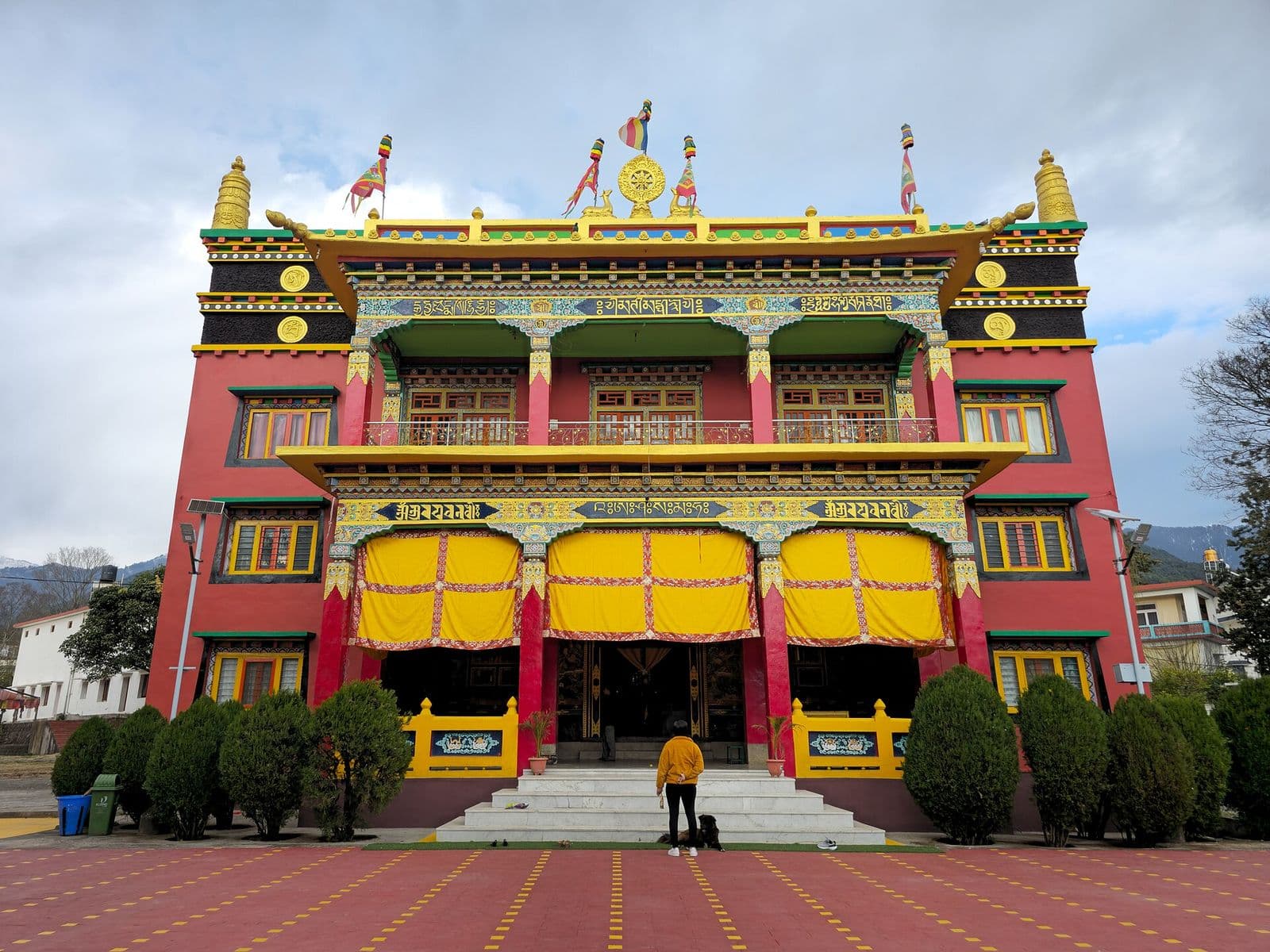
Bir Travel Guide 2026: Beyond Paragliding, Monasteries, Billing & Where to Stay
Bir is more than a paragliding launch. Our guide covers the Tibetan colony, Chokling and Sherab Ling monasteries, Deer Park Institute, cafes, Billing, the Rajgundha trek, tea gardens, how to reach from Dharamshala and where to stay.
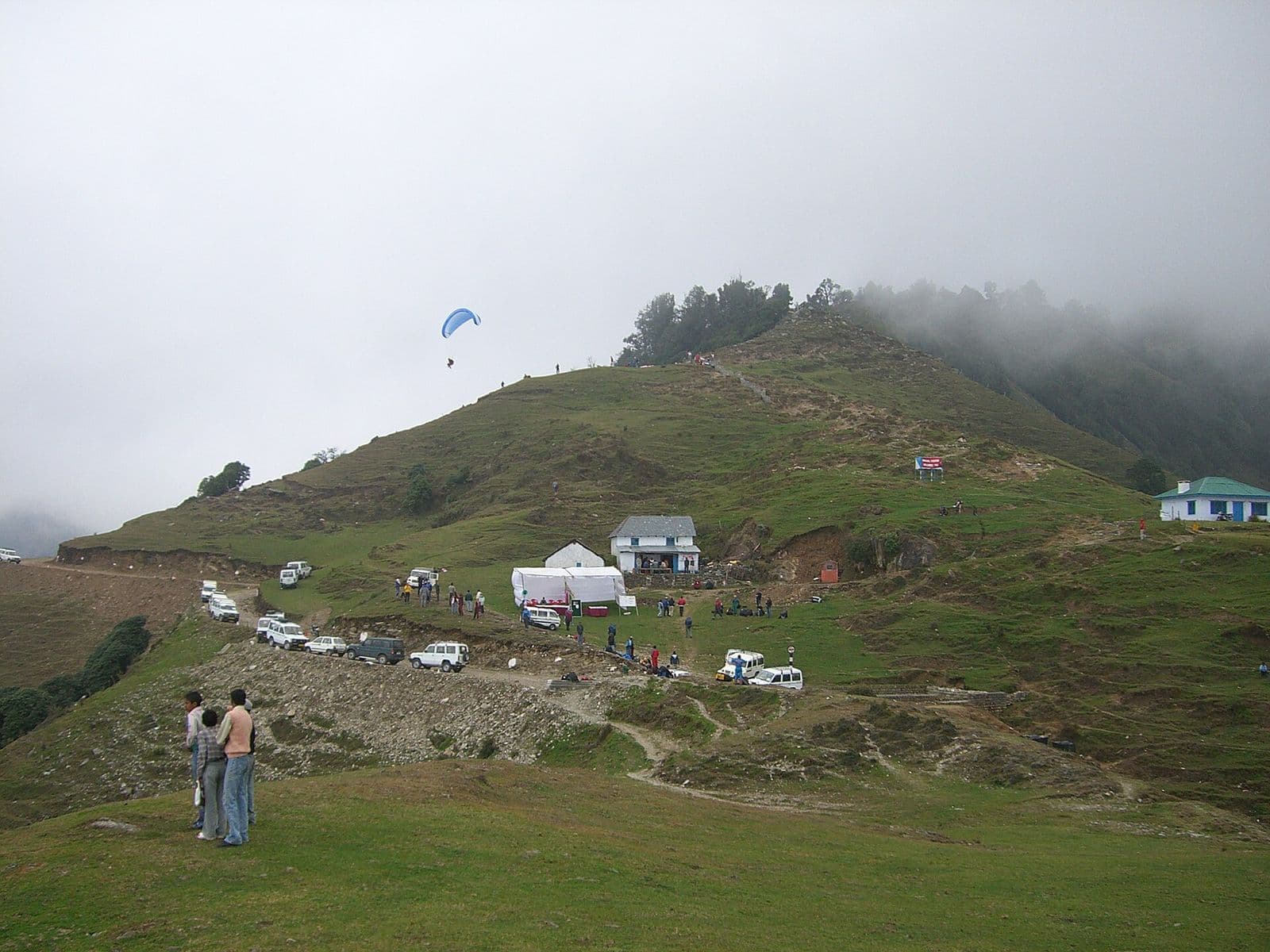
Bir Billing to Rajgundha Trek: Route, Stays & Barot Option (2026)
A practical guide to trekking from Billing to Rajgundha in the Chhota Bhangal valley, with the route, times, homestays and camps, the optional descent to Barot, best season and safety.
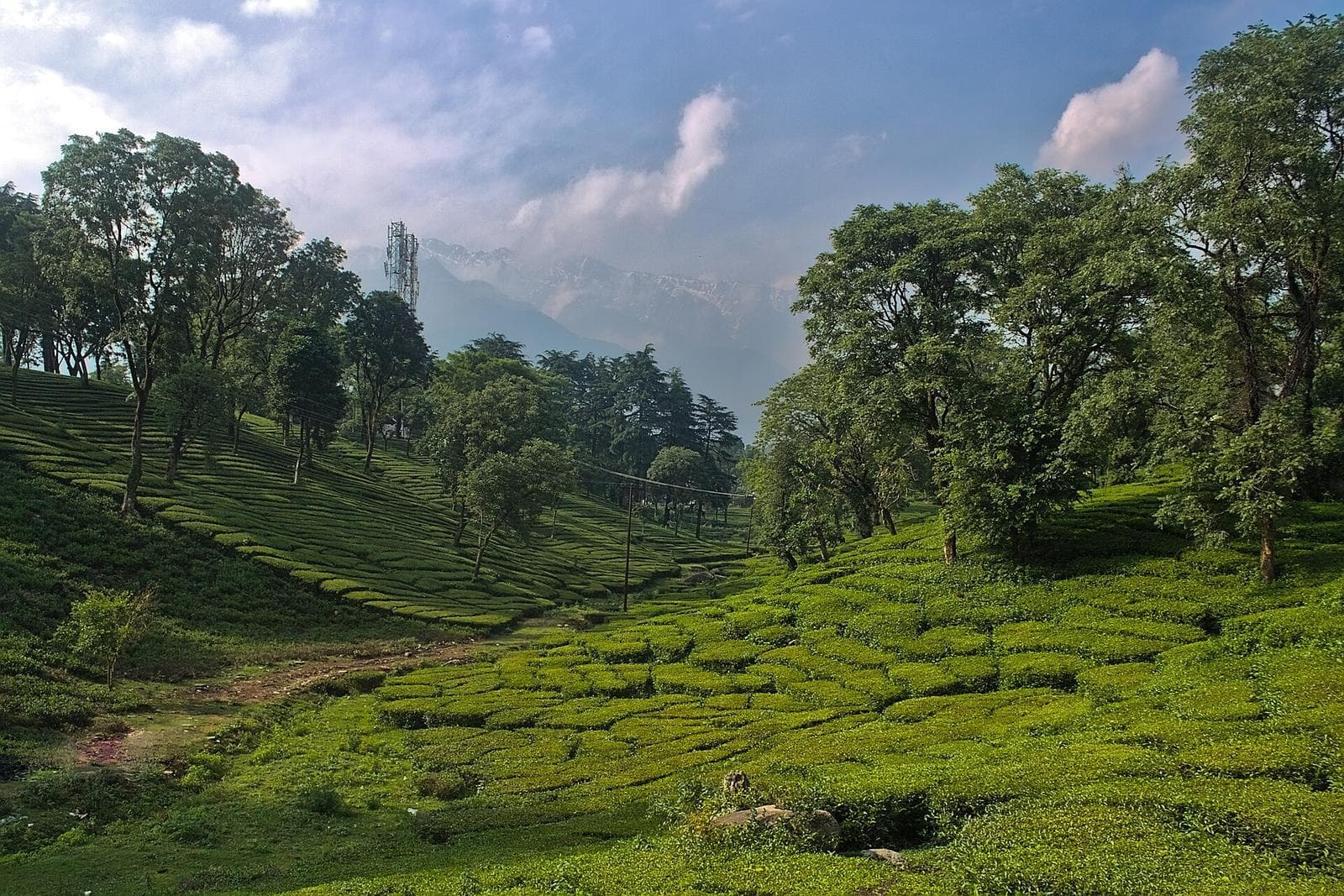
Palampur Travel Guide (2026): Tea Gardens, Day Trips and Where to Stay
Palampur is the quiet tea town of the Kangra Valley, about 35 to 40 km from Dharamshala. Here is how to see the tea gardens and factory, Neugal Khad, Bundla, Andretta and Baijnath, plus a Bir day trip.
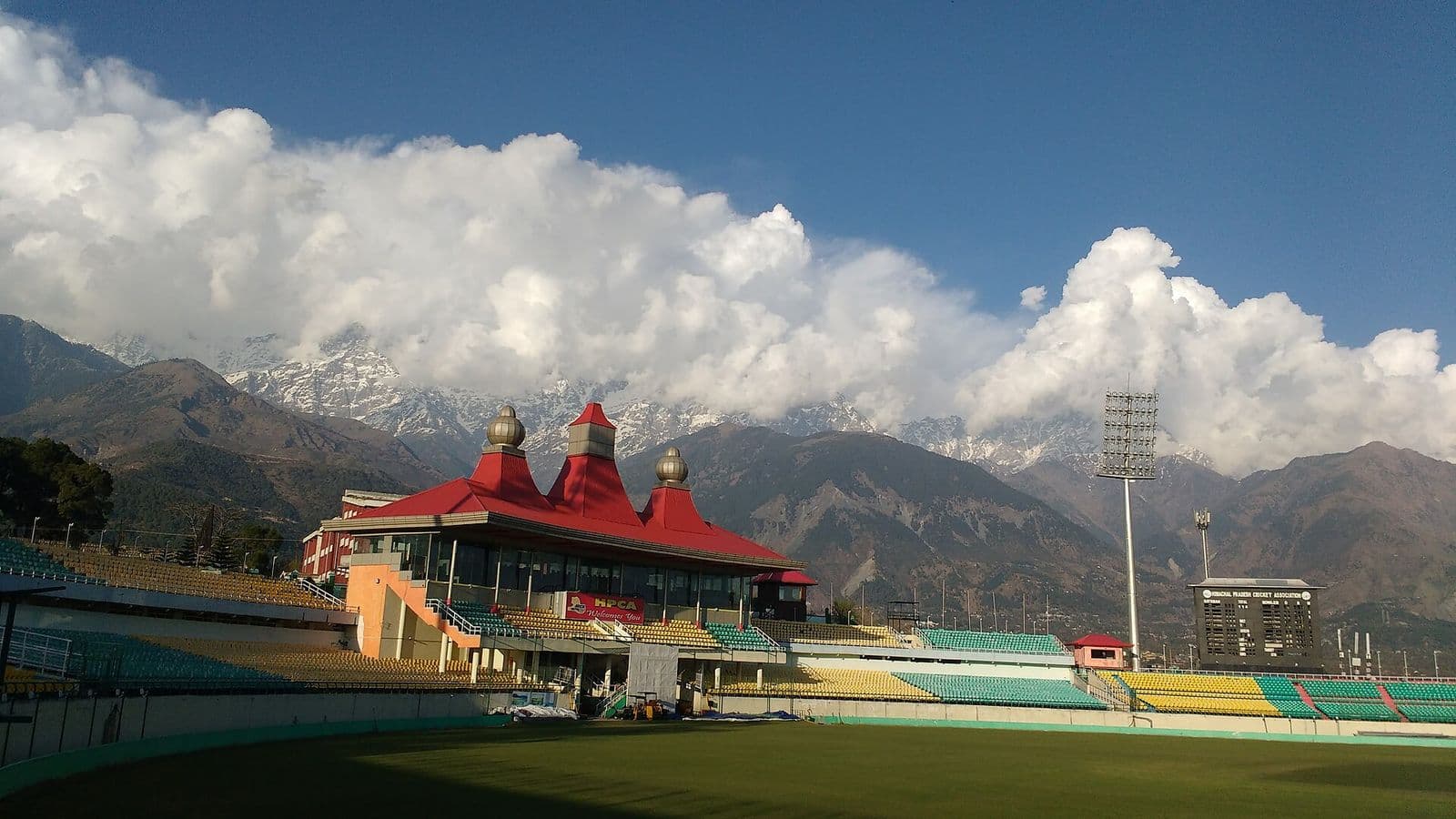
HPCA Stadium Dharamshala Guide 2026: Visiting, Match Tickets & Entry Rules
How to visit the HPCA Cricket Stadium in Dharamshala on non-match days, how to get tickets and what to carry on match days, parking and traffic, the ground's history and the nearby War Memorial.