Rules, Permits and Dos & Don'ts in Dharamshala and McLeod Ganj (2026)
The rules visitors actually run into in Dharamshala: Himachal's plastic ban, littering fines, public drinking and smoking, drones, Triund forest fees, entry tax for out-of-state cars, monastery photography, C-forms for foreigners, plus a clear Do and Don't table.
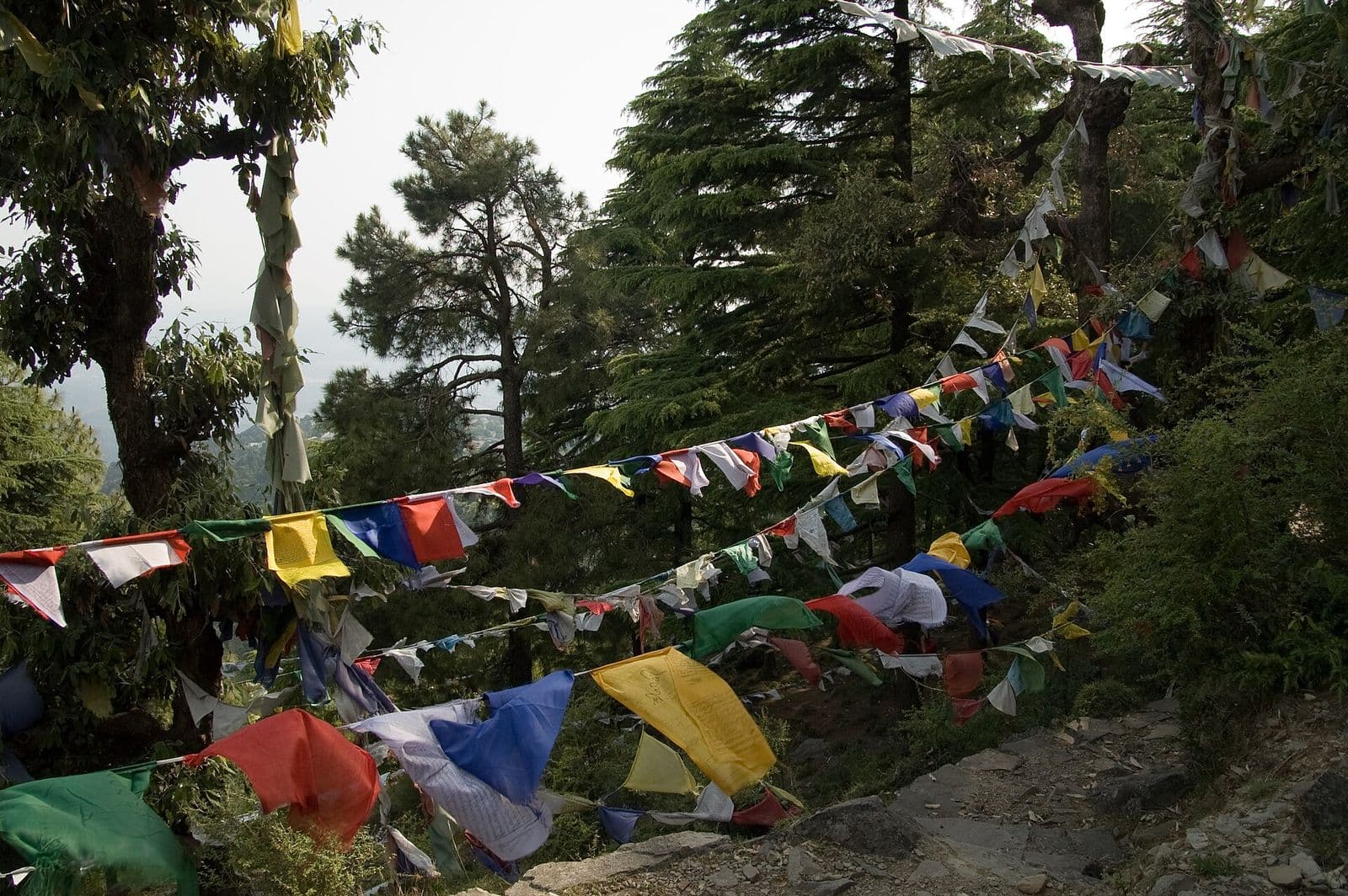
Dharamshala does not need special permits for Indian or foreign tourists, but there are rules that catch visitors out every season. The ones that matter most: Himachal Pradesh bans polythene bags and many single-use plastics, drinking and smoking in public places are prohibited, drones need permission, Triund and other forest trails have entry and camping fees, out-of-state cars pay an entry tax at the border, and foreigners are registered by their hotel through a C-form. Respect for monasteries and temples is expected rather than enforced, but it matters to the people who live here.
This guide explains each rule simply, with what happens if you break it, and ends with a one-glance Do and Don't table. Fees and fines change, so we mark them approx. as of 2026 and tell you where to check locally.
Quick facts
| Topic | Rule (as of 2026) |
|---|---|
| Permits for tourists | None needed for Dharamshala, McLeod Ganj, Bhagsu, Dharamkot, Palampur, Bir |
| Plastic | Polythene bags and many single-use plastic items banned; fines apply |
| Littering | Fines under state law and local bylaws |
| Public drinking | Prohibited in public places |
| Smoking | Banned in public places across India |
| Drones | Need permission; restricted near airport and sensitive sites |
| Triund | Approx. ₹100 per person per day entry; tent approx. ₹550 for two incl. entry (2024 revision) |
| Out-of-state vehicles | Entry tax at HP border barriers; revised in 2026, FASTag collection being introduced |
| Foreigners | Hotels submit a C-form; carry passport and visa |
The plastic ban
Himachal Pradesh was one of the first Indian states to ban polythene carry bags (2009), and has since banned many other single-use plastic and thermocol items such as disposable plates, cups and cutlery. Shops are not supposed to give you plastic bags, and fines apply to both sellers and users.
What this means for you:
- Carry a cloth or foldable bag for shopping.
- Carry a reusable water bottle. Many hotels and cafes offer filtered refills, which cuts down on plastic bottles.
- Do not bring a stash of plastic bags from home "just in case".
- On treks, pack out everything you carry up, including wrappers and wet wipes. Triund and Kareri have a serious litter problem; you can help by not adding to it.
Littering and spitting
Littering, dumping garbage and spitting in public places attract fines under Himachal's laws on non-biodegradable waste and local municipal bylaws. Fines are applied occasionally rather than systematically, but you will see "no littering" boards across McLeod Ganj and on trails. Use the bins, and if there is no bin, carry your waste until you find one.
Public drinking
Drinking alcohol in public places (roads, parks, viewpoints, trails, parked vehicles) is prohibited in Himachal Pradesh and police do act on it, particularly on weekends at popular spots like Naddi, Dal Lake and Bhagsu. Drink at licensed bars, restaurants or your hotel. Drink-driving on mountain roads is both illegal and genuinely dangerous; checks happen. See our nightlife guide for where you can have a drink.
Smoking
Smoking in public places is banned across India under national tobacco law, with fines. That includes restaurants, bus stands, hotels' public areas, and of course temples and monasteries. Smoke only in designated areas or private spaces. Do not smoke on forest trails: forest fires are a real risk in the dry months (roughly April to June), and the Forest Department takes them seriously.
Drugs
Cannabis and charas are offered to travellers in Bhagsu and Dharamkot, but possession is illegal in India under the NDPS Act, with severe penalties. Police do carry out checks. Do not buy or carry it.
Drones
Flying a drone in India is regulated under the national Drone Rules, 2021. In short:
- The drone must be registered and, depending on its size, you may need a remote pilot certificate.
- Areas near airports and sensitive installations are restricted zones. Kangra Airport at Gaggal is close to Dharamshala, and the Dalai Lama's residence, the Tibetan administration and military areas are sensitive sites.
- Check the airspace map on the government's Digital Sky platform, and get permission from the local district administration and police before flying.
- Foreign nationals face additional restrictions on bringing and flying drones.
If you fly without permission, expect the drone to be confiscated. If you want aerial shots, Bir Billing paragliding gives you the view without the paperwork; see our paragliding page.
Triund and forest trails
Triund, Kareri Lake and other Dhauladhar trails pass through forest land managed by the Himachal Forest Department.
- Triund entry fee: approx. ₹100 per person per day under the Forest Department's 2024 revision. Tent fee: approx. ₹550 for two people, including entry. Carry cash and photo ID for the checkpoint.
- Camping: currently permitted at Triund but regulated, with caps on tents and campers reported. Rules have changed several times since 2018, and the trail can be closed in bad weather or snow.
- No fires except in designated places, no loud music, and carry out all waste.
- Beyond Triund (Laka, Indrahar Pass) and routes into the Dhauladhar Wildlife Sanctuary, permissions and guide requirements can apply. Go with a registered operator who handles this.
Details change, so check locally at the checkpoint or with your hotel before you go. Our Triund camping guide and Triund trek page have the latest we know.
Entry tax for out-of-state vehicles
Cars, taxis and buses registered outside Himachal Pradesh pay an entry tax at the state border barriers (for example, on the routes via Pathankot or Una). Rates depend on vehicle type and length of stay, were revised in 2026, and FASTag-based collection is being introduced. Keep your FASTag topped up and some cash ready, and keep the receipt for the duration of your trip. Check the current rates with the HP Excise and Taxation Department or at the barrier.
Other driving rules: helmets for both rider and pillion on two-wheelers, seatbelts for all, and no overloading. See our local transport guide for parking and driving tips.
Monasteries and temples: photography and conduct
- Tsuglagkhang (Dalai Lama Temple): photography is generally allowed in the courtyard and outer areas; inside shrine halls, follow the signs, as it is often not allowed. During public teachings and audiences, phones, cameras and bags are restricted and security checks are thorough. See our Dalai Lama Temple guide.
- Other monasteries (Gyuto, Namgyal, the Norbulingka temple): ask before photographing monks or rituals, and never use flash in prayer halls.
- Walk clockwise around stupas, prayer wheels and temples, including on the Lingkhor kora.
- Hindu temples (Bhagsunag, Chamunda, Kangra's devi temples): remove shoes, cover your head where asked, and do not take leather inside some shrines.
- Dress modestly: shoulders and knees covered at religious sites.
Our Tibetan culture and etiquette guide goes deeper.
Paperwork for foreigners
- No special permit is needed for foreign tourists in Kangra district, including Dharamshala, McLeod Ganj, Bir and Palampur.
- C-form registration: Indian law requires hotels, guesthouses and homestays to register foreign guests with the immigration authorities (the Form C, filed online) within 24 hours of arrival. Your accommodation does this; you just provide your passport and visa. Be wary of any place that does not ask.
- Carry your passport (or at least copies of passport and visa) at all times; police checks, SIM purchases and Dalai Lama teaching registration all need it.
- Visa type matters. Tourist visas do not permit paid work. Volunteering is a grey area; see our volunteering guide.
- Satellite phones are illegal for private use in India without a licence. Do not bring one.
Protected and restricted areas
Kangra district does not have Protected Area Permit zones for foreigners. The Dhauladhar Wildlife Sanctuary above McLeod Ganj covers high trekking routes; forest rules apply and some routes may require permission. Military cantonment areas around Dharamshala and Yol are off-limits for photography. The area around the Dalai Lama's residence has tight security. If a sign says no photography or no entry, take it seriously.
The Do and Don't table
| Do | Don't |
|---|---|
| Carry a cloth bag and refillable water bottle | Ask for or bring plastic bags |
| Pack out all trash from treks | Leave wrappers or wet wipes on trails |
| Pay Triund fees at the checkpoint and keep the receipt | Light fires outside designated spots |
| Drink at licensed bars, restaurants or your hotel | Drink in public places or while driving |
| Smoke only in designated areas | Smoke on forest trails or at temples |
| Get permission before flying a drone | Fly near the airport or the Dalai Lama's residence |
| Walk clockwise around stupas and temples | Point your feet at altars or touch monks' heads |
| Ask before photographing monks and locals | Use flash inside prayer halls |
| Cover shoulders and knees at religious sites | Wear shorts or sleeveless tops into shrines |
| Carry passport and visa copies | Buy or carry cannabis or charas |
| Keep FASTag topped up for the HP border | Ignore no-parking signs in McLeod Ganj |
| Use union taxi rate boards | Feed street dogs or monkeys |
Bottom line
None of these rules are hard to follow, and most come down to keeping the mountains clean, respecting religious spaces and not causing trouble. Book a well-run stay through our hotels page, and if you are not sure about something specific, ask your host or check our FAQ. For the bigger picture, start with our complete Dharamshala travel guide or the McLeod Ganj destination page.
Frequently Asked Questions
Do I need a permit to visit Dharamshala or McLeod Ganj?
Is plastic banned in Himachal Pradesh?
Can I fly a drone in McLeod Ganj?
Is drinking alcohol in public allowed in Himachal Pradesh?
Do out-of-state cars pay entry tax in Himachal Pradesh?
Can I take photos inside the Dalai Lama Temple?
More answers on our Dharamshala travel Q&A page.
Need Help Planning Your Dharamshala Trip?
Our local team can help with hotels, treks, taxis, and custom itineraries.
Related Guides
Tibetan Culture & Etiquette in McLeod Ganj: A Respectful Visitor Guide (2026)
How Tibetans came to McLeod Ganj, and the etiquette that matters at monasteries, around monks, at prayer wheels and in conversation, plus the institutions worth visiting to understand Tibetan life in exile.
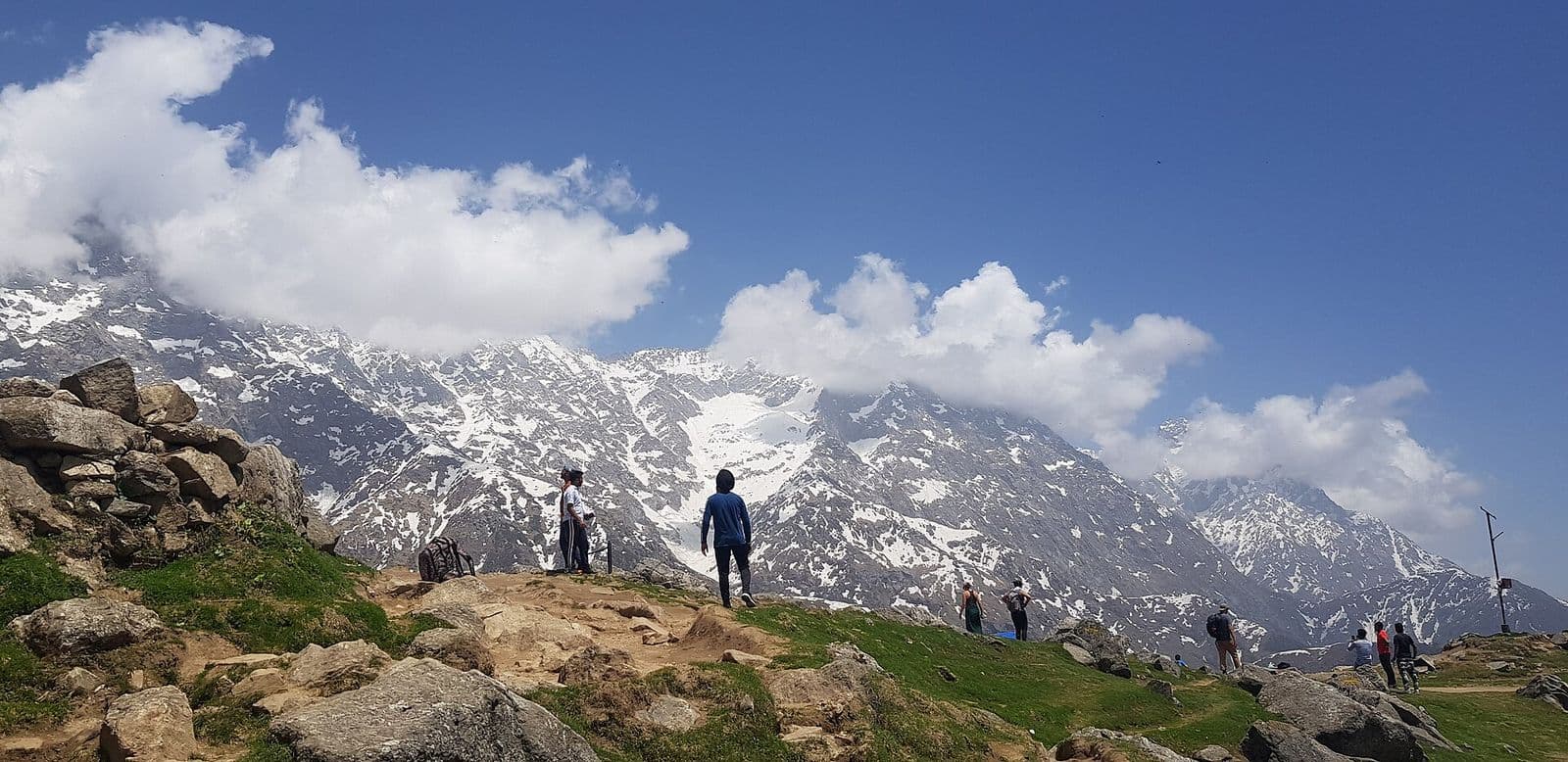
Triund Camping Guide 2026: Rules, Fees, Tents & What to Expect
Everything about camping overnight at Triund in 2026: the current rules and fees, the new ₹500 waste deposit, tents versus the forest rest house, sunset and sunrise, cold, toilets, water, animals and winter snow.
27 Mistakes First-Time Visitors Make in Dharamshala (and How to Avoid Them)
Staying in the wrong area, driving into McLeod Ganj on a Saturday, starting Triund at noon, running out of cash, feeding monkeys: the most common first-timer mistakes in Dharamshala and the simple fixes locals use.
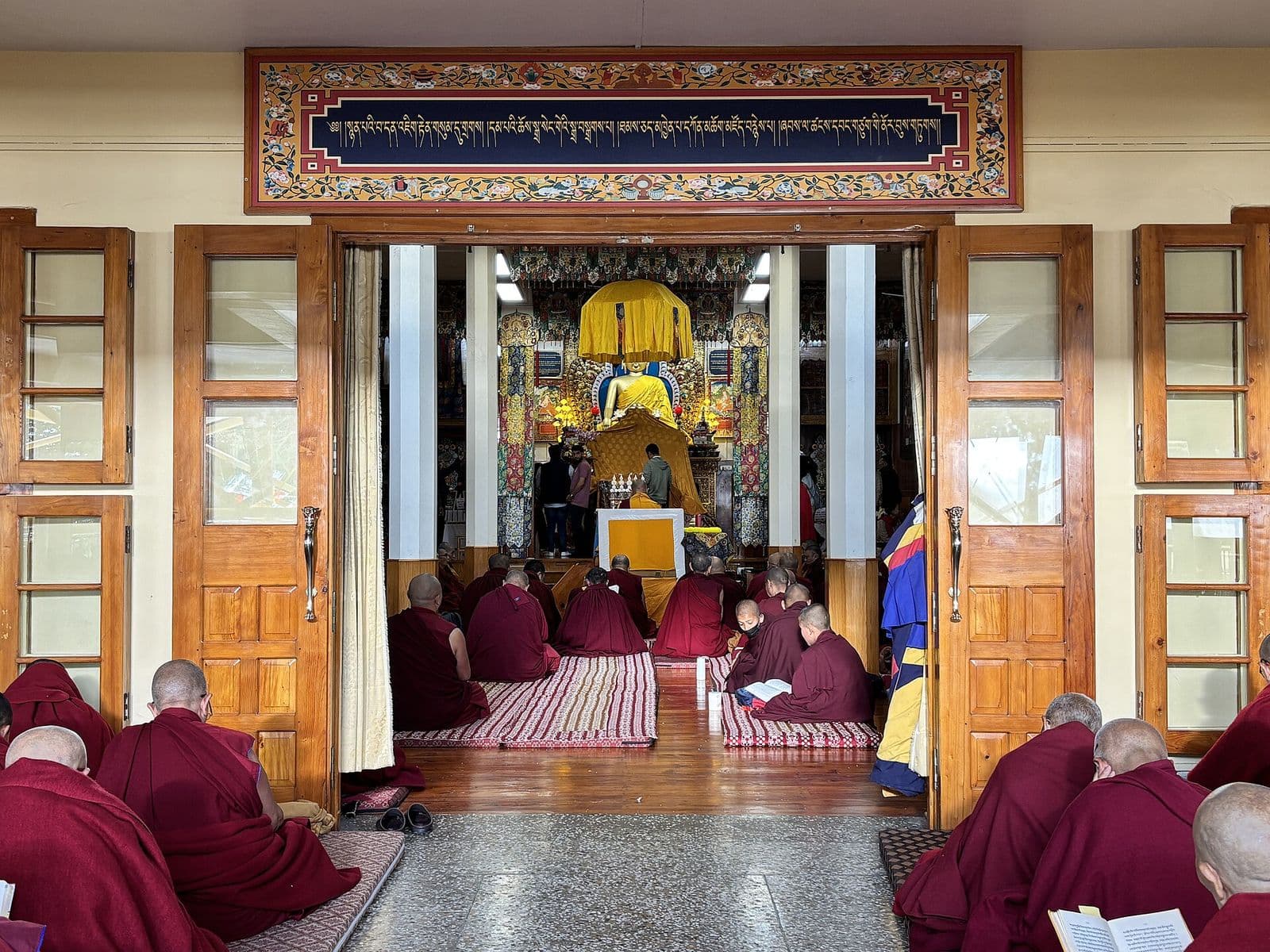
Dharamshala Festivals & Events Calendar: Month by Month (2026–27)
A month-by-month calendar of festivals and events in Dharamshala, McLeod Ganj and the Kangra Valley: Losar, Shivratri, Navratri, the Dalai Lama's birthday, DIFF, cricket and Bir paragliding, with variable dates clearly marked.