Triund Camping Guide 2026: Rules, Fees, Tents & What to Expect
Everything about camping overnight at Triund in 2026: the current rules and fees, the new ₹500 waste deposit, tents versus the forest rest house, sunset and sunrise, cold, toilets, water, animals and winter snow.
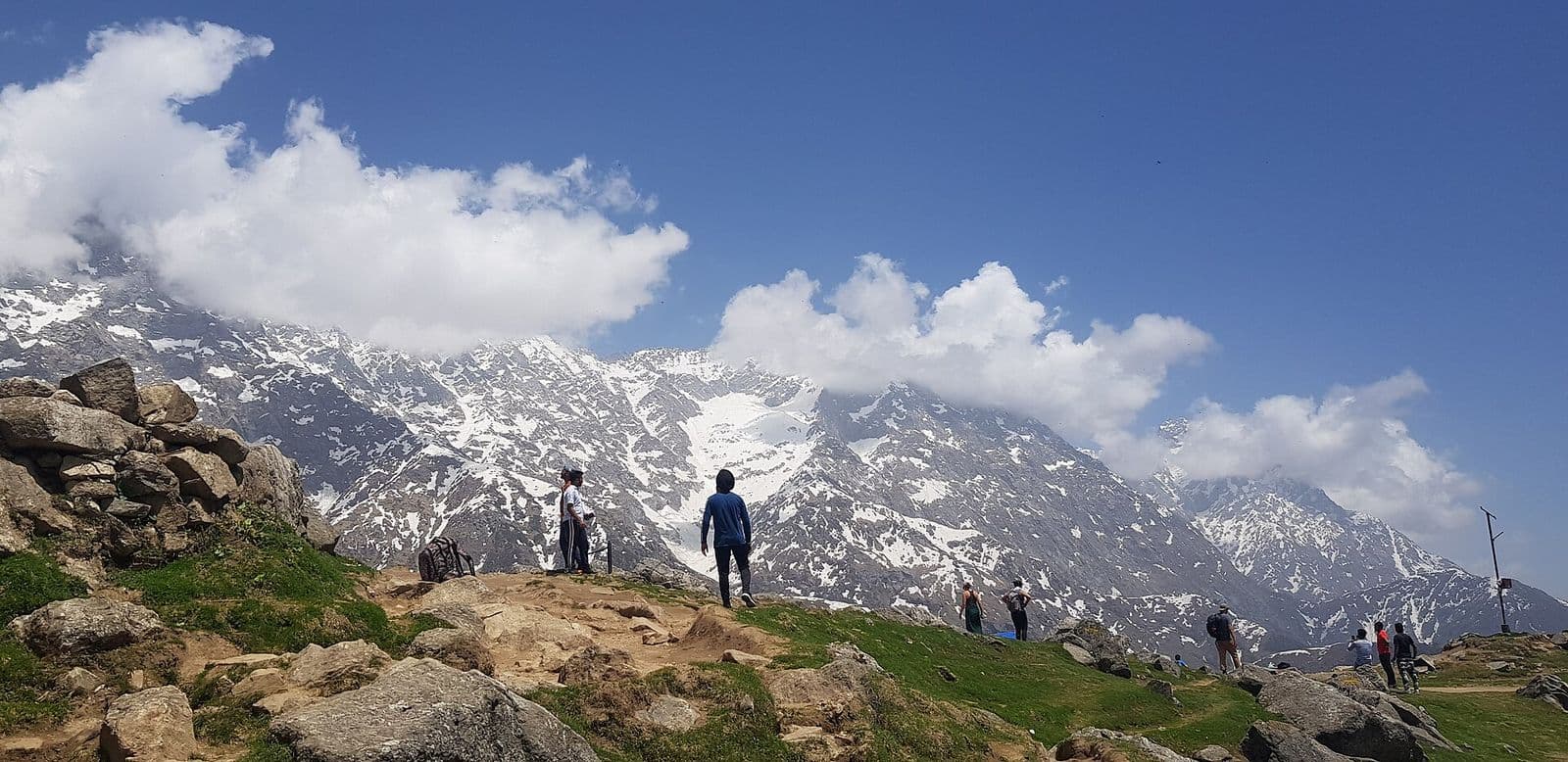
Camping overnight at Triund (approx. 2,850 m), the ridge above McLeod Ganj, is one of the best mountain nights in Himachal: sunset over the Kangra Valley, stars above the Dhauladhar wall and a pink sunrise on the snow peaks. But it is also regulated, and the rules have changed several times in recent years. In 2026: a forest entry fee is collected at the checkpost; since 11 August 2026 every trekker pays a refundable ₹500 waste deposit; tent numbers on the ridge have been capped and camping is arranged through permitted operators; and in January 2026 the Kangra district authorities placed the Triund route under a police-clearance requirement as part of wider trekking restrictions.
This guide explains how overnight stays work, how much they cost, what the night is actually like and how to avoid the classic mistakes. Where we could not verify a current figure, we say so. Rules can change at short notice, so always confirm before you walk up.
Triund Camping: Quick Facts (2026)
| Detail | Info |
|---|---|
| Altitude | Approx. 2,850 m |
| Trail | Approx. 6–7 km from Gallu Devi (9 km from McLeod Ganj), 3–5 h up |
| Forest entry fee | Charged at the checkpost; amount revised from time to time, check on the day |
| Waste deposit | ₹500 refundable, since 11 Aug 2026 |
| Tents | Capped in number; booked through permitted operators (check current arrangements) |
| Typical camping package | Approx. ₹2,000–4,000 per person with tent, dinner, breakfast, guide |
| Forest Rest House | Exists; rarely available to tourists, booking through the Forest Department |
| Toilets | Very limited; new toilets planned but not yet built as of early 2026 |
| Water | No piped supply; bought from shacks or carried up |
| Night temperature | Approx. 5–12 °C in May–June; near or below 0 °C from late October |
| District order | Jan 2026: police clearance needed for Triund; ban above 3,000 m |
Current Rules, Caps and Fees (Verify Before You Go)
Here is what we could confirm as of October 2026, and what you need to check locally.
- Carry-back waste deposit (confirmed): from 11 August 2026, the forest checkposts collect a ₹500 refundable security deposit from trekkers. You receive a garbage bag and a receipt; on the way down, officials check you have brought back your non-biodegradable waste, and the deposit is returned. Fail to do so and you lose the ₹500; repeat offenders can be blacklisted from trekking permits. The rule was brought in after the Forest Department recorded about 77,000 trekkers on Triund in the 2025–26 financial year.
- Police clearance (January 2026 order): the Kangra District Disaster Management Authority banned trekking above 3,000 m and said routes including Triund need clearance from the office of the Superintendent of Police, Kangra; permissions are automatically cancelled when weather warnings are issued. Triund itself is just under 3,000 m. In practice, registered operators handle this for their groups. We could not confirm how strictly it applies to independent day hikers in autumn 2026, so check at the checkpost or with an operator.
- Management changes: in March 2026 there were media reports that the Triund trek had been leased to a private operator, and local tourism stakeholders protested. We have not been able to confirm the operator, the fee structure or booking channel under the new arrangement. Ask your hotel or operator how tents are being allotted this season.
- Tent cap: in recent seasons overnight stays have been limited (historically around 20 tents or 40 people), with an overnight fee per tent on top of entry. These figures were last revised in 2024 and may have changed; treat them as indicative.
- Bans in bad weather: in monsoon and after heavy snow, the district administration has repeatedly banned overnight stays and sometimes all trekking to Triund. In early 2025 there was a public dispute between hoteliers and the administration over a Triund ban. Expect closures during red or orange weather alerts.
Bottom line: do not walk up with your own tent and assume you can pitch it. Book through a permitted operator, carry cash for the entry fee and ₹500 deposit, and carry photo ID.
Tents vs the Forest Rest House
| Option | What you get | Pros | Cons |
|---|---|---|---|
| Operator tent package | Pre-pitched 2–3 person tent, sleeping bag, mat, dinner, breakfast, guide | Easiest, legal, warm food | Shared space, quality varies by operator |
| Your own tent | Your kit, pitched where permitted | Cheaper if allowed | Often not allowed outside the cap; carry everything |
| Forest Rest House | Old stone rest house on the ridge | Solid roof | Usually reserved for officials, booking through the Forest Department in Dharamshala; rarely available |
| Day hike, no night | Up and down in a day | No rules issues, no cold | Miss sunset and sunrise |
Ask any tent operator: Is your camp within the permitted cap? What sleeping bags do you use (temperature rating)? What is the food? Who carries the waste down? Can you show me the tents?
A Night at Triund: What It Is Really Like
Arrival and sunset
Most groups reach the ridge between 1 and 3 pm. The meadow faces south over the Kangra Valley and north to the Dhauladhar wall, so you get both sunset colours over the valley and alpenglow on the peaks. Sunset is roughly 5:30 pm in October and 7:20 pm in June. The best photos are from the western edge of the meadow; see our photography and sunset spots guide.
Night and cold
The temperature falls quickly after sunset. Even in June, nights drop to about 5 to 12 °C, and by late October it can be near freezing, with strong wind. Operator sleeping bags are sometimes thin; bring your own thermal layers and a warm hat. A headlamp is essential. Stars on a clear night are spectacular; on a cloudy night you may be inside a fog bank.
Sunrise
Wake around 5 to 6 am (earlier in June) and walk to the eastern side of the meadow to watch the sun light up the Dhauladhar. If you are going higher, this is the moment to head for Snowline and Laka Got, subject to current rules.
Toilets, Water and Food
- Toilets: there are very few, and they are basic. The Forest Department announced plans in early 2026 for bio-digester toilets, a water supply project and rain shelters, but they were not yet operational at the time of reporting. Use whatever facility your camp provides; otherwise go far from the meadow and water, bury waste and pack out paper.
- Water: there is no permanent water source on the ridge. Shacks sell bottled water (expect several times the town price), and camps bring water up. Carry at least 2 litres from below.
- Food: seasonal shacks serve Maggi, tea, omelettes, parathas and simple thalis (approx. ₹80 to ₹300 per item as of 2026). Camping packages include dinner and breakfast.
Garbage: Why the Rules Got Strict
Triund has long had a litter problem, with plastic bottles, wrappers and wet wipes in the bushes around the meadow. The ₹500 deposit is the result. Carry a bag, bring down everything including bottles and tissues, and do not burn waste. Bonfires on the ridge are generally not permitted and damage the fragile turf.
Monkeys, Dogs and Other Animals
- Monkeys and langurs raid tents for food. Keep food sealed inside a bag inside the tent, not in the porch.
- Dogs: Triund has resident dogs that may follow you up. They are generally friendly but will try for food at night; do not feed them near tents.
- Shepherd flocks: Gaddi shepherds bring sheep and goats through in spring and autumn; give them space and keep away from guard dogs.
- Black bears live in the lower forests but are rarely seen on the ridge. Do not walk the forest in the dark.
Winter Camping and Snow
From December to March Triund is often under snow. The trail above Magic View becomes icy, and overnight stays are frequently restricted, so winter nights on the ridge are best left to experienced operators with proper four-season gear. Day hikes in clear weather are possible with microspikes and a guide. Read our Dharamshala in winter guide for conditions.
Best Time to Camp
| Months | Conditions | Verdict |
|---|---|---|
| March–April | Snow patches, cold nights, rhododendrons | Good with warm gear |
| May–June | Pleasant days, busy weekends, afternoon storms | Very good, book ahead |
| July–August | Monsoon, fog, lightning, closures | Avoid |
| September–October | Clear skies, best views, cold nights | Best |
| November | Very cold, quieter | Good if open |
| December–February | Snow and ice, frequent restrictions | Experts only |
How to Book
- Decide your date, ideally a weekday in September–October or May.
- Check the weather alerts and any district orders a day or two before.
- Book through a permitted operator that handles tents, clearance and the guide. You can book a guided Triund trek with us, or browse other treks.
- Carry cash for the entry fee and the ₹500 deposit, plus photo ID.
- Stay nearby the night before in Dharamkot or McLeod Ganj; browse hotels.
What to Pack for a Night at Triund
- Trekking shoes with grip; microspikes from November to April
- Thermal top and bottom, fleece, down jacket, warm hat, gloves, wool socks
- Rain jacket and pack cover
- Headlamp, power bank, small first-aid kit
- 2 litres of water, snacks, electrolyte sachets
- Sunscreen, sunglasses, lip balm
- Rubbish bag, wet-wipe-free toiletries, toilet paper and a ziplock to carry it down
- Cash and photo ID
Our weather and packing guide covers the rest of your trip.
Mistakes to Avoid
- Arriving with your own tent and expecting to pitch it anywhere.
- Starting after noon and walking the last steep section in the dark.
- Under-packing warm clothes because it was hot in McLeod Ganj.
- Leaving rubbish behind, which now costs you ₹500.
- Ignoring weather alerts; storms on the ridge are dangerous and permissions are cancelled.
- Camping during monsoon closures.
For the full trek details, see our Triund trek complete guide, and for general questions about bookings and payments, our FAQ.
Frequently Asked Questions
Is camping allowed at Triund in 2026?
What is the Triund 500 rupee rule?
How much does Triund camping cost?
Can I carry my own tent to Triund?
How cold is Triund at night?
Are there toilets and water at Triund?
More answers on our Dharamshala travel Q&A page.
Need Help Planning Your Dharamshala Trip?
Our local team can help with hotels, treks, taxis, and custom itineraries.
Related Guides
Triund Trek: The Complete Guide for 2026
Everything you need for Triund -- route details, permits, camping tips, packing list, and insider advice from local guides.
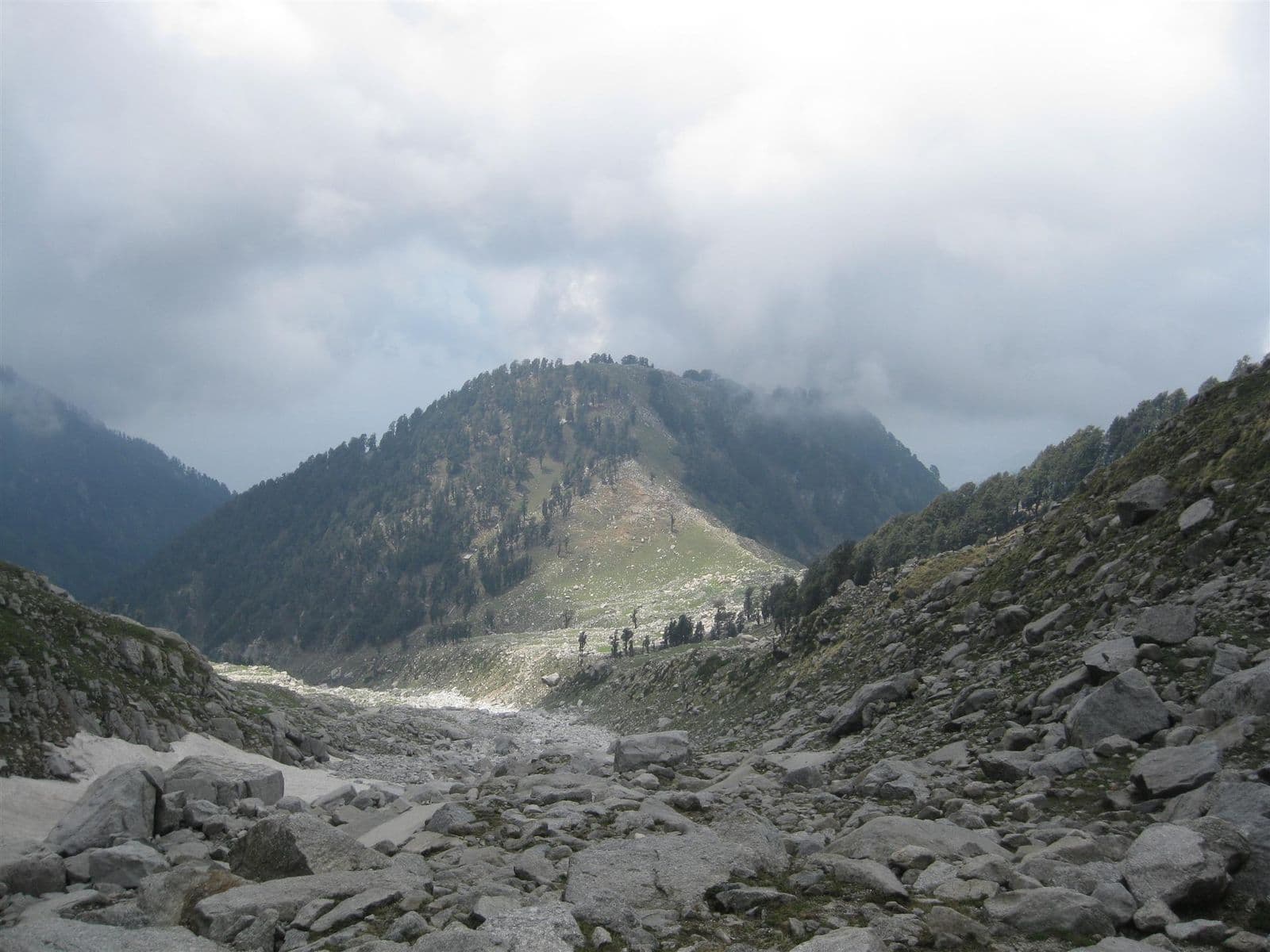
Snowline & Laka Glacier Trek from Triund: Day or Overnight Guide (2026)
How to extend Triund to Snowline and Laka Got below the Laka glacier: distances, altitudes, timings, day versus overnight plans, the 2026 rules above 3,000 m, and safety tips.
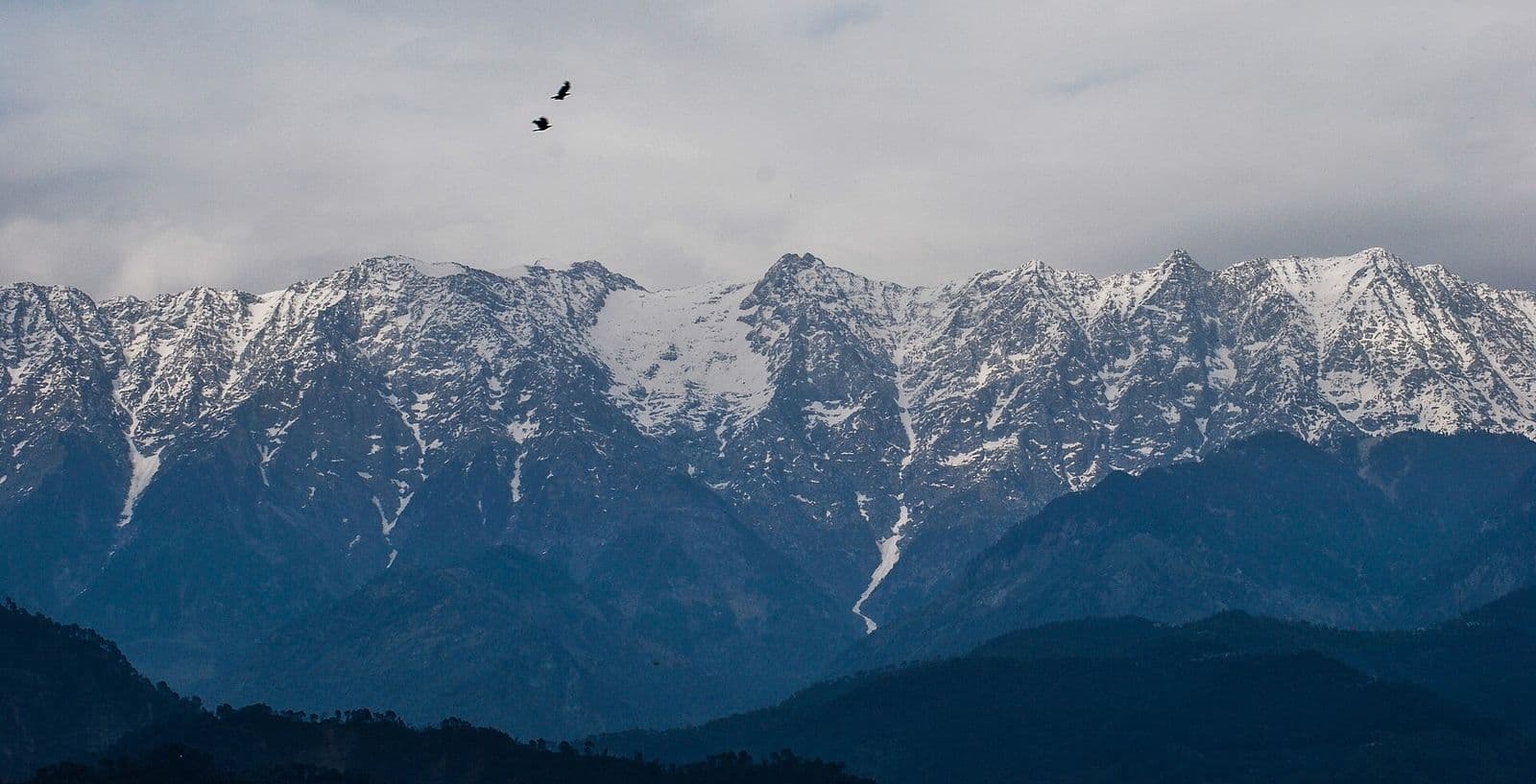
Dharamshala Weather by Month and What to Pack (2026 Guide)
A month-by-month Dharamshala and McLeod Ganj weather table with temperatures and rainfall, plus season-by-season packing lists and a trek checklist from locals.
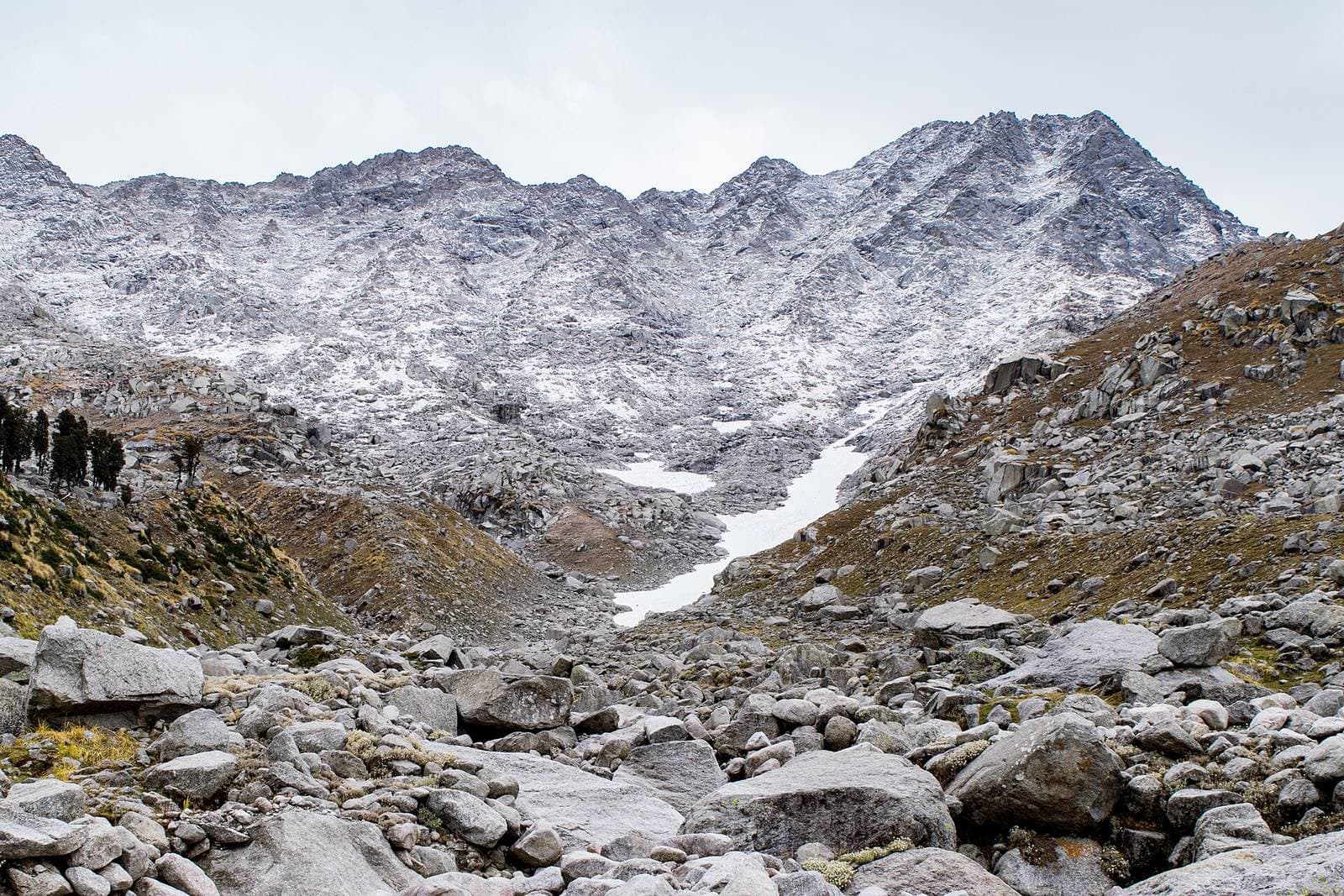
Indrahar Pass Trek Guide: Route, Difficulty, Permits & Safety (2026)
A stage-by-stage guide to the Indrahar Pass trek (approx. 4,342 m) from McLeod Ganj via Triund, Laka Got and Lahesh caves, with the crossing to the Chamba side, current 2026 restrictions, and an honest look at who should not attempt it.