Volunteering in McLeod Ganj: Ethical Options, Visa Rules & How to Start (2026)
How to volunteer with the Tibetan community in McLeod Ganj the right way: English conversation classes, longer placements, what to avoid, and the visa rules foreigners must follow, plus options for Indian volunteers.
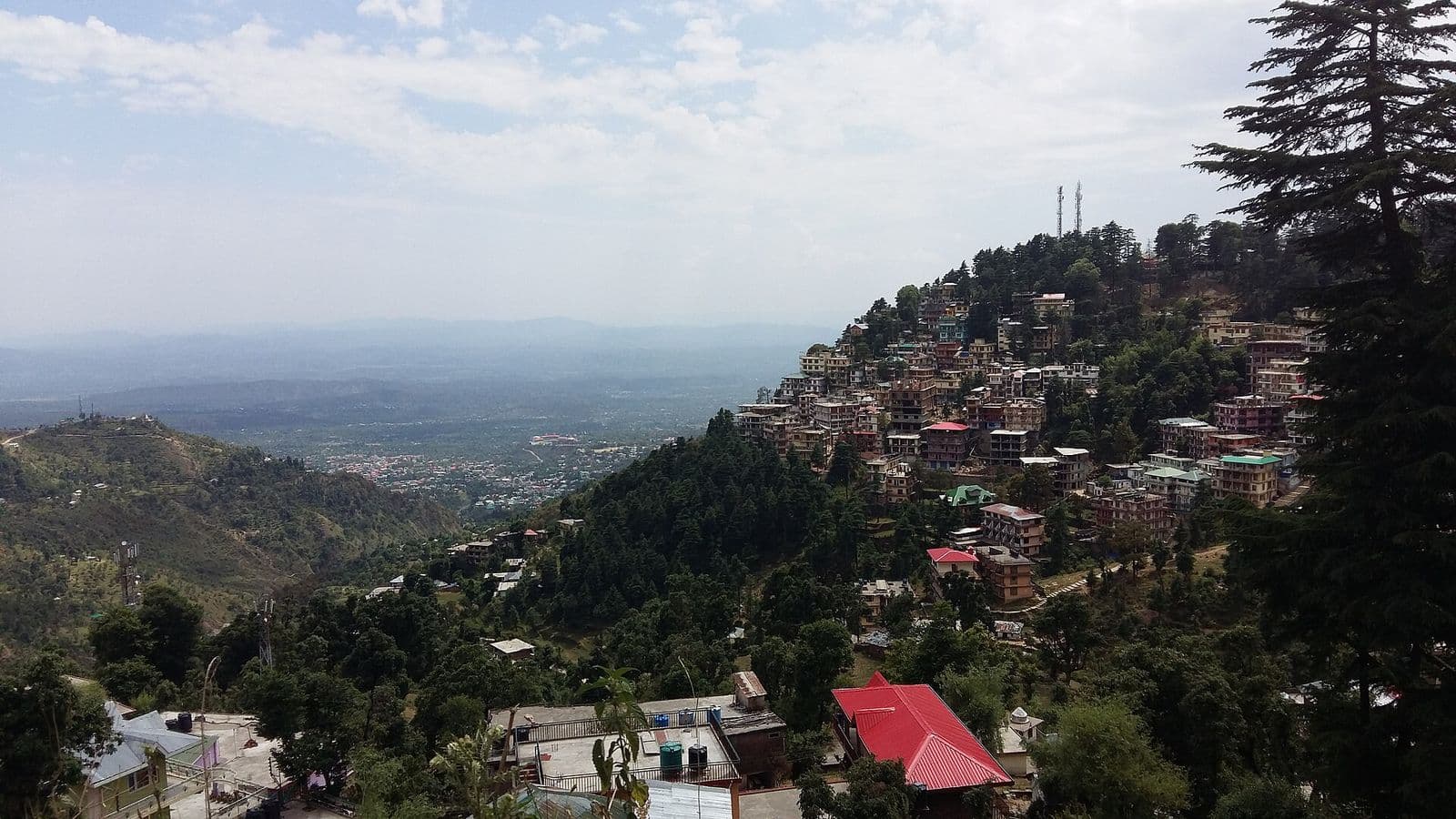
The easiest and most useful way to volunteer in McLeod Ganj is to join an English conversation class for Tibetan refugees. Lha Charitable Trust on Temple Road runs drop-in conversation classes Monday to Friday, 4 to 5 pm, with no booking needed, and also arranges longer pre-planned placements. Other small Tibetan-run centres post similar requests on cafe noticeboards. For foreigners, India's e-Tourist visa permits short voluntary work of up to one month with no payment of any kind; anything longer, paid, or a formal NGO role needs a different visa.
Below: the options that actually exist, how to pick an ethical placement, the visa rules in plain language, and what Indian volunteers can do.
Quick facts
| Question | Answer (as of 2026) |
|---|---|
| Easiest way to start | Drop in to an English conversation class (Lha, Mon-Fri 4-5 pm) |
| Need to pay to volunteer? | Not for drop-in conversation classes; be cautious of paid "voluntourism" packages |
| Foreign visa | e-Tourist visa allows unpaid voluntary work up to one month; longer or NGO roles need a regular visa |
| Indian volunteers | No visa issues; organisations may ask for ID and a CV for longer roles |
| Working with children | Only through formal programmes with background checks; avoid orphanage visits |
| Typical living cost | Lha estimates US$400-700 a month for room and food; budget travellers spend less |
| Best season | March-June and September-November |
Who needs volunteers and why
Many Tibetans in McLeod Ganj are recent or not-so-recent arrivals from Tibet, plus monks, nuns and students who want to improve spoken English for study, work or resettlement abroad. Formal teaching is done by trained teachers in schools such as those run by the Tibetan Children's Village; conversation practice is where casual visitors genuinely help. You do not need to be a qualified teacher, just patient, punctual and willing to listen.
English conversation classes
Lha Charitable Trust
Lha is a long-running Tibetan social work organisation based at Ahimsa House, Temple Road, McLeod Ganj. Its programmes include:
- Drop-in English conversation classes: Monday to Friday, 4 to 5 pm. Turn up a little early; you will be paired with or seated among learners and given topics to discuss.
- Pre-arranged volunteering: for people who can commit longer and have particular skills (teaching, IT, health, writing). Contact Lha in advance by email to discuss.
- Reception and orientation services for incoming volunteers.
Contact details listed by Lha: office@lhasocialwork.org, phone +91-98823-23455. Lha states clearly that it cannot help with visa applications.
Other conversation classes
Several other Tibetan-run groups and centres around Jogiwara Road and Bhagsu Road run or have run conversation sessions, some aimed at monks and newly arrived refugees. Because these change from season to season, the best approach is to:
- Check noticeboards in cafes and guesthouses along Jogiwara Road and Temple Road.
- Ask at Lha or your guesthouse which sessions are currently active.
- Turn up once before committing, and see whether the organisation is properly run (sign-in sheet, a coordinator, clear guidance for volunteers).
What a session is like
Typically you sit at a table with two to five learners, introduce yourselves, and talk about given topics: daily life, food, weather, travel, jobs. Learners may ask you to correct pronunciation or explain idioms. Avoid long monologues, avoid politics unless they raise it, and never ask about how someone escaped Tibet or about family left behind.
Longer placements
If you have weeks or months and a relevant skill, Tibetan institutions and NGOs sometimes need help with:
- Teaching or tutoring (often requires a teaching qualification).
- Editing and writing English materials, websites and reports.
- IT, design, photography and social media.
- Health education, physiotherapy or dental support (requires professional registration and permission).
- Environmental work: waste management and clean-ups in the hills, where Dharamshala has had active groups.
How to approach it: email organisations months ahead with a short CV, your dates and what you can offer. Formal institutions such as the Tibetan Children's Village and departments of the Central Tibetan Administration have their own application procedures; do not just turn up at a school expecting to teach.
Volunteering ethically: what to look for
The best volunteering serves the community's needs, not your photo album.
Good signs
- The organisation is Tibetan-led or community-led and can explain what volunteers actually do.
- It asks about your skills, availability and, for anything involving children, runs background checks.
- It is happy for you to start small (a few drop-in sessions) before committing.
- Any fees are transparent and go to clear costs like accommodation or a donation receipt.
Red flags
- Orphanage or children's home "visits" with cuddling and photographs. Short-term volunteers with children can harm attachment and child protection; responsible organisations do not allow it.
- Large upfront fees to an overseas agency with vague descriptions of the work.
- Pressure to post on social media with beneficiaries' faces.
- Being asked to do skilled work (medical, legal, construction) you are not qualified for.
- "Volunteer" roles that are really unpaid shop, cafe or hostel jobs.
Golden rules
- Commit to regular attendance if you say you will come.
- Do not give cash gifts to individual learners; donate to the organisation if you want to help financially.
- Respect privacy: no photos of learners without consent, and never post faces of refugees who have recently arrived.
- Keep conversations away from Chinese politics unless learners lead.
- Dress modestly, especially in classes with monks and nuns.
Read our Tibetan culture and etiquette guide before your first class.
Visa rules for foreign volunteers (read carefully)
This is where many visitors get it wrong. Rules are set by the Government of India and can change, so always confirm with the Indian mission in your country before travelling.
- e-Tourist visa: the official e-Visa eligibility explicitly permits "voluntary work of short duration (for a maximum period of one month, which do not involve any monetary payment or consideration of any kind in return)". Dropping in to conversation classes during a holiday fits this.
- No payment of any kind: do not accept wages, and be careful with arrangements where you "work" in exchange for free accommodation or meals at a business; that can be treated as employment.
- e-Visa is not for NGO activities or employment: the e-Visa page states it is not available for these purposes. If you plan a formal placement with an NGO, a long-term role, or anything resembling a job, you need the appropriate regular visa (for example an Entry/X visa or Employment visa, depending on the role), usually supported by documents from the host organisation.
- Teaching in a school as a formal teacher is employment, even if unpaid, and is not covered by a tourist visa.
- Registration: if your visa requires registration with the Foreigners Regional Registration Office (FRRO), do it online through the e-FRRO system.
- Overstaying or working outside visa conditions can lead to fines, deportation and future visa refusal. Tibetan organisations can face trouble too.
Options for Indian volunteers
Indian citizens have no visa restrictions and are welcomed, especially Hindi and English speakers who can help with practical tasks:
- Join English conversation sessions just as foreign volunteers do.
- Offer professional skills (CA, legal, IT, medical) by approaching organisations formally.
- Join local clean-up drives on trekking trails such as Triund; follow the Triund trek guide for responsible trekking tips and carry your waste down.
- Some organisations ask Indian volunteers for ID and a reference for longer placements; this is normal.
Living in McLeod Ganj as a volunteer
| Expense | Approx. monthly cost (as of 2026) |
|---|---|
| Basic room with shared or attached bath | ₹8,000-18,000 |
| Studio or homestay with kitchenette | ₹15,000-30,000 |
| Food (mix of cooking and cafes) | ₹8,000-18,000 |
| Phone and data | ₹300-600 |
| Local transport | ₹1,000-3,000 |
Monthly room rates are much better than nightly ones; negotiate in person after a night or two. Bhagsu and Dharamkot are quieter and cheaper for long stays; McLeod Ganj is closest to most organisations. Browse short-stay options on our hotels page, compare areas in the Bhagsu and Dharamkot guides, and read Dharamshala for digital nomads for long-stay practicalities. Our trip cost guide breaks down a realistic budget.
Other ways to help without volunteering
Not everyone has the time or the right visa to volunteer, and that is fine. You can still make a real difference during an ordinary holiday:
- Spend locally. Eat at Tibetan-run restaurants, stay in family-run guesthouses and buy crafts from cooperatives and the Norbulingka Institute, where income goes to refugee artisans. Our shopping guide explains where.
- Donate properly. Give to registered organisations and ask for a receipt, rather than handing cash to individuals.
- Learn and share accurately. Visit the Tibet Museum and the Library of Tibetan Works and Archives, then share what you learned without exposing anyone's identity.
- Leave the trails cleaner. Carry a bag on your hikes and bring down any litter you find; plastic is a big problem on popular routes above McLeod Ganj.
- Attend a class as a student. Taking a Buddhist philosophy class or a Tibetan cooking class supports teachers too. See our meditation and retreats guide.
When to come
Conversation classes run most of the year but are busiest in spring (March to June) and autumn (September to November), when the weather is good. During Losar (February or March) and major teachings, classes may pause; see our festivals guide. Monsoon (July to mid-September) is wet but quieter, and volunteers are often more needed.
Getting started: a simple plan
- Arrive, settle in to McLeod Ganj, and visit the Tsuglagkhang and the Tibet Museum to understand the context.
- Attend a conversation class on a weekday at 4 pm.
- Ask coordinators where else help is needed and check noticeboards.
- If you want a longer role, email organisations with your CV and dates, and sort the right visa before you commit.
For arriving by air, see our Gaggal airport taxi, and for general questions, our FAQ.
Frequently Asked Questions
Can I volunteer in McLeod Ganj on a tourist visa?
Where can I join an English conversation class for Tibetans?
Do I have to pay to volunteer in McLeod Ganj?
Can I volunteer with Tibetan children or at an orphanage?
Can Indians volunteer with Tibetan organisations?
More answers on our Dharamshala travel Q&A page.
Need Help Planning Your Dharamshala Trip?
Our local team can help with hotels, treks, taxis, and custom itineraries.
Related Guides
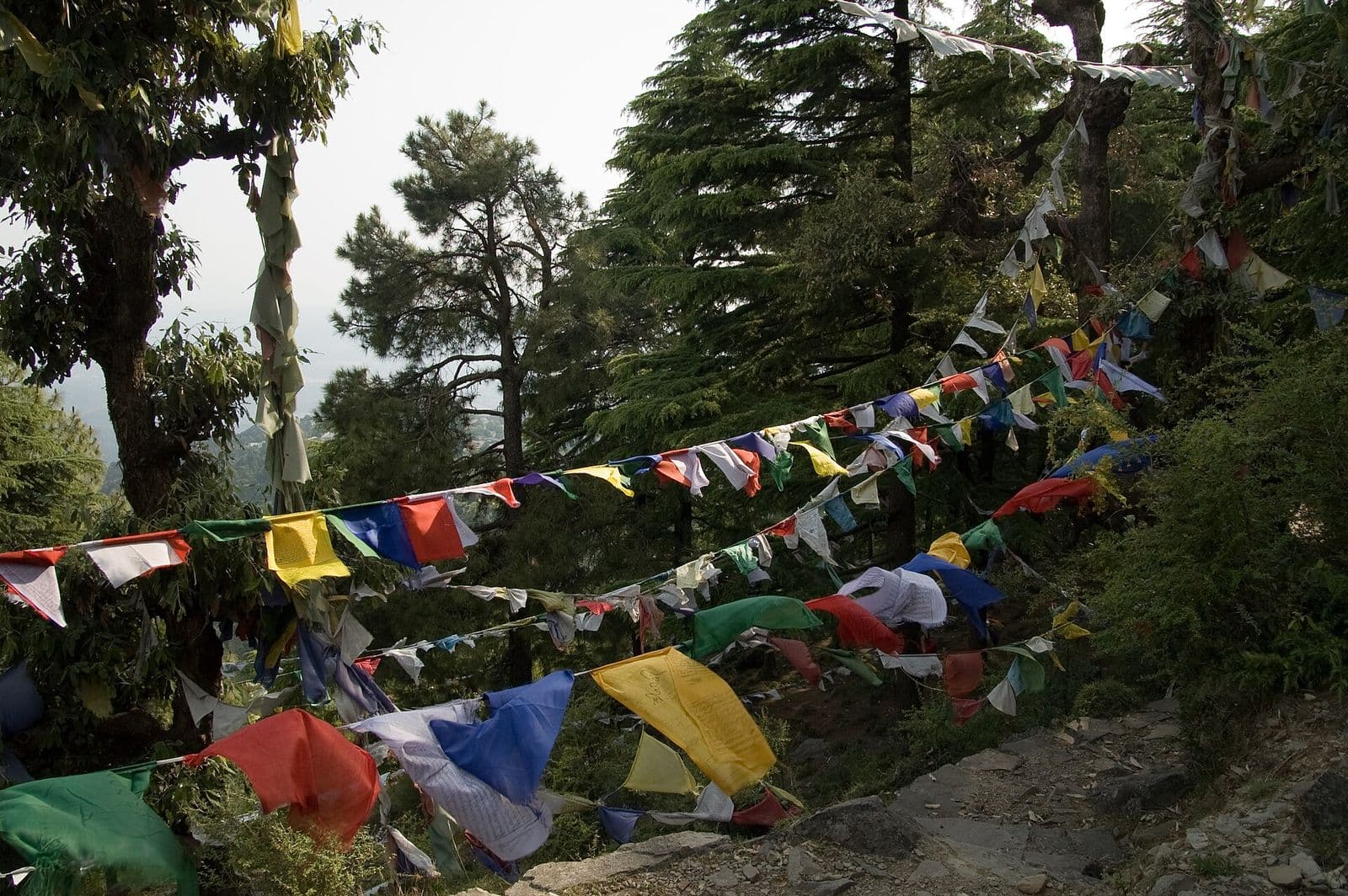
Tibetan Culture & Etiquette in McLeod Ganj: A Respectful Visitor Guide (2026)
How Tibetans came to McLeod Ganj, and the etiquette that matters at monasteries, around monks, at prayer wheels and in conversation, plus the institutions worth visiting to understand Tibetan life in exile.
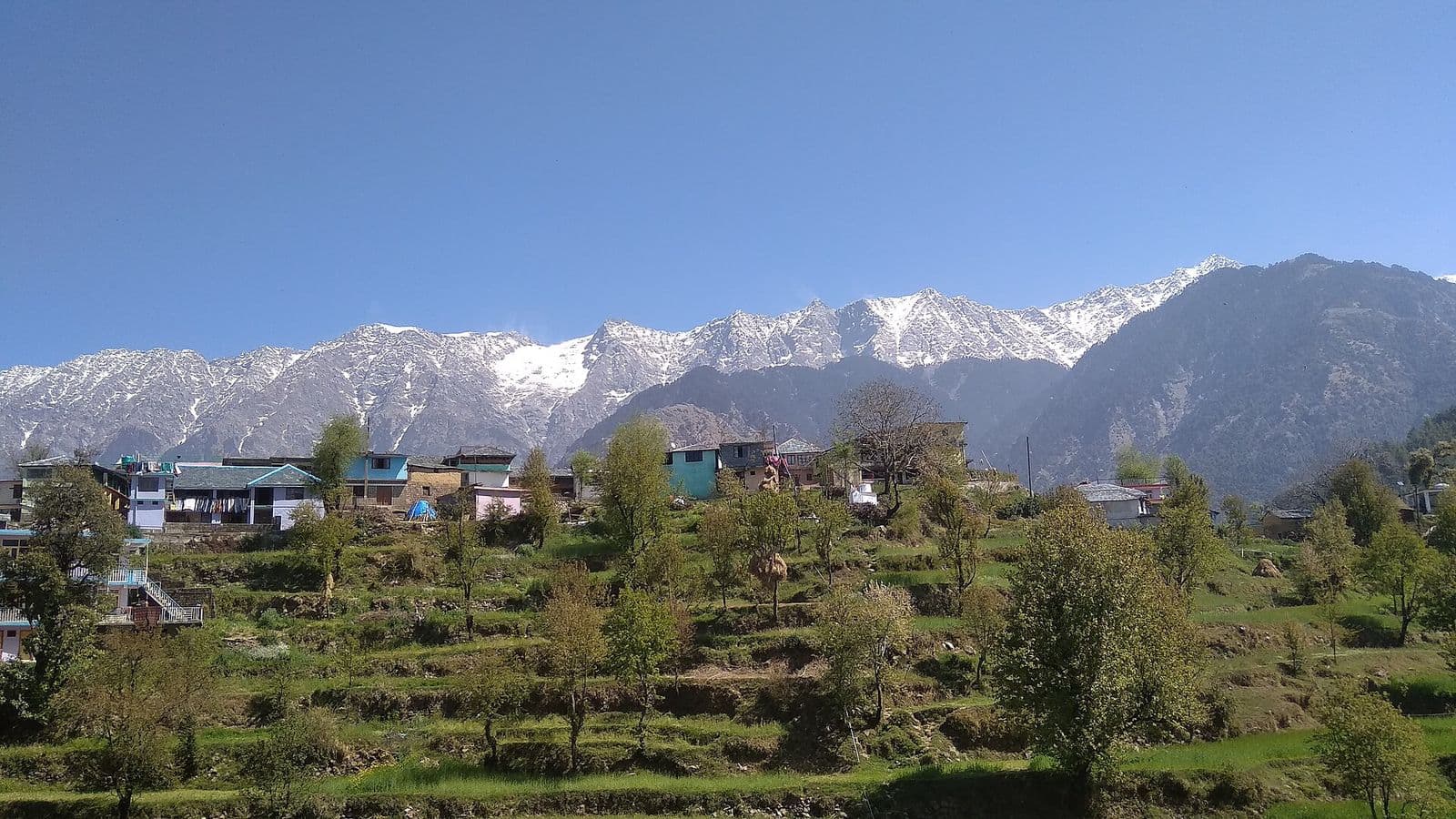
Dharamshala for Digital Nomads: WiFi, Coworking, and Living Guide (2026)
Can you work remotely from Dharamshala? Yes. Here is everything about internet, coworking, accommodation, and costs.
McLeod Ganj Complete Guide (2026): Streets, Sights, Food, Stays and Day Plans
The definitive McLeod Ganj guide: how the town is laid out street by street, Tibetan life and etiquette, sights, cafes and food, where to stay, the best walks, local rules and ready-made day plans.
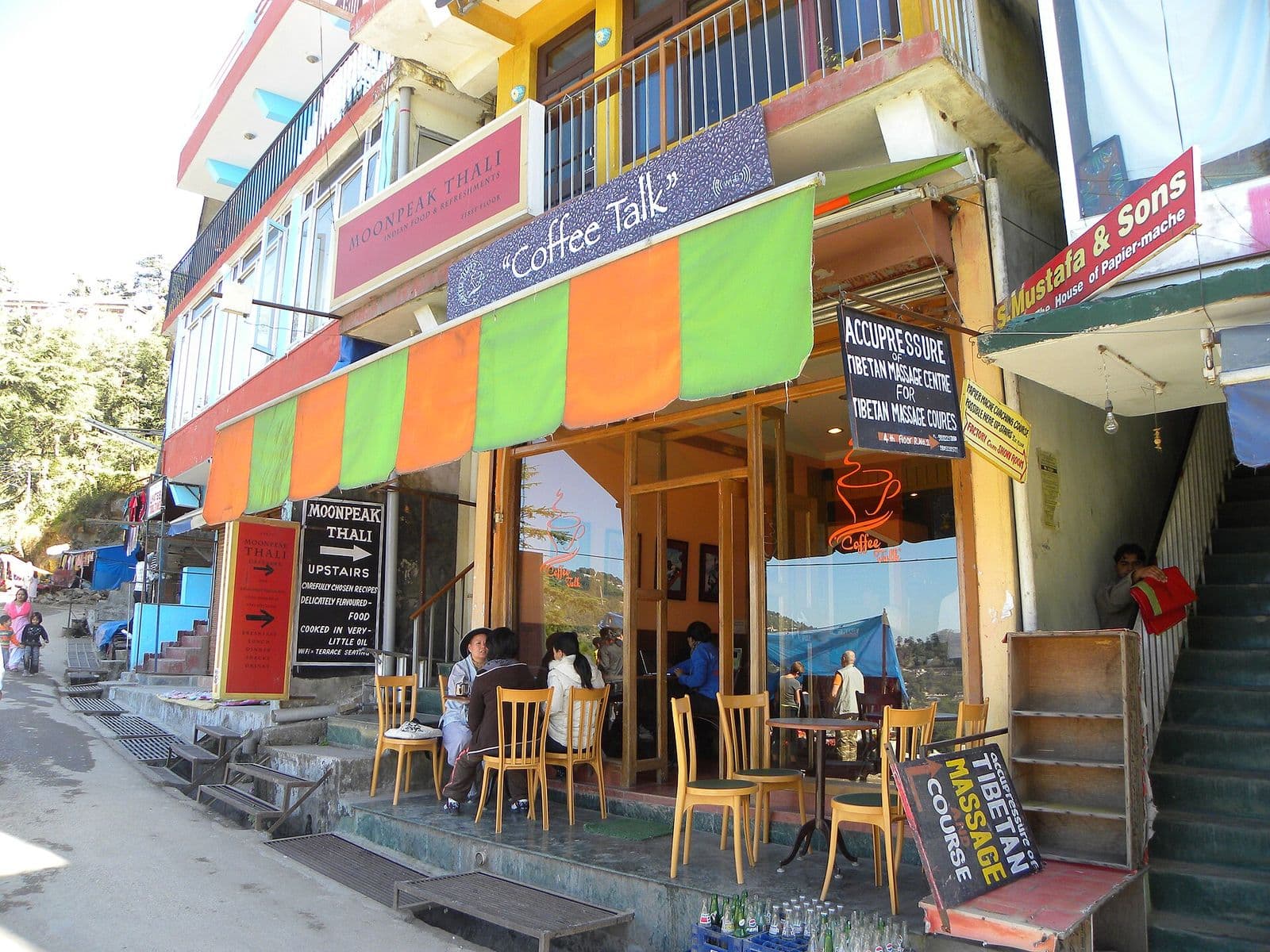
Shopping in McLeod Ganj: What to Buy, Fair Prices & Fakes to Avoid (2026)
What to buy in McLeod Ganj and Dharamshala, from thangkas, singing bowls and Tibetan carpets to Kangra tea and woollens, with approx. fair prices, bargaining tips, the fakes to watch for and the best places to shop.