Himachali Food Guide: Kangri Dham, Siddu, Babru & Where to Eat Them (2026)
What to eat in Dharamshala beyond momos: Kangri dham, madra, mash dal, siddu, babru, chha gosht and trout, plus honest advice on where a visitor can actually taste real Himachali food.
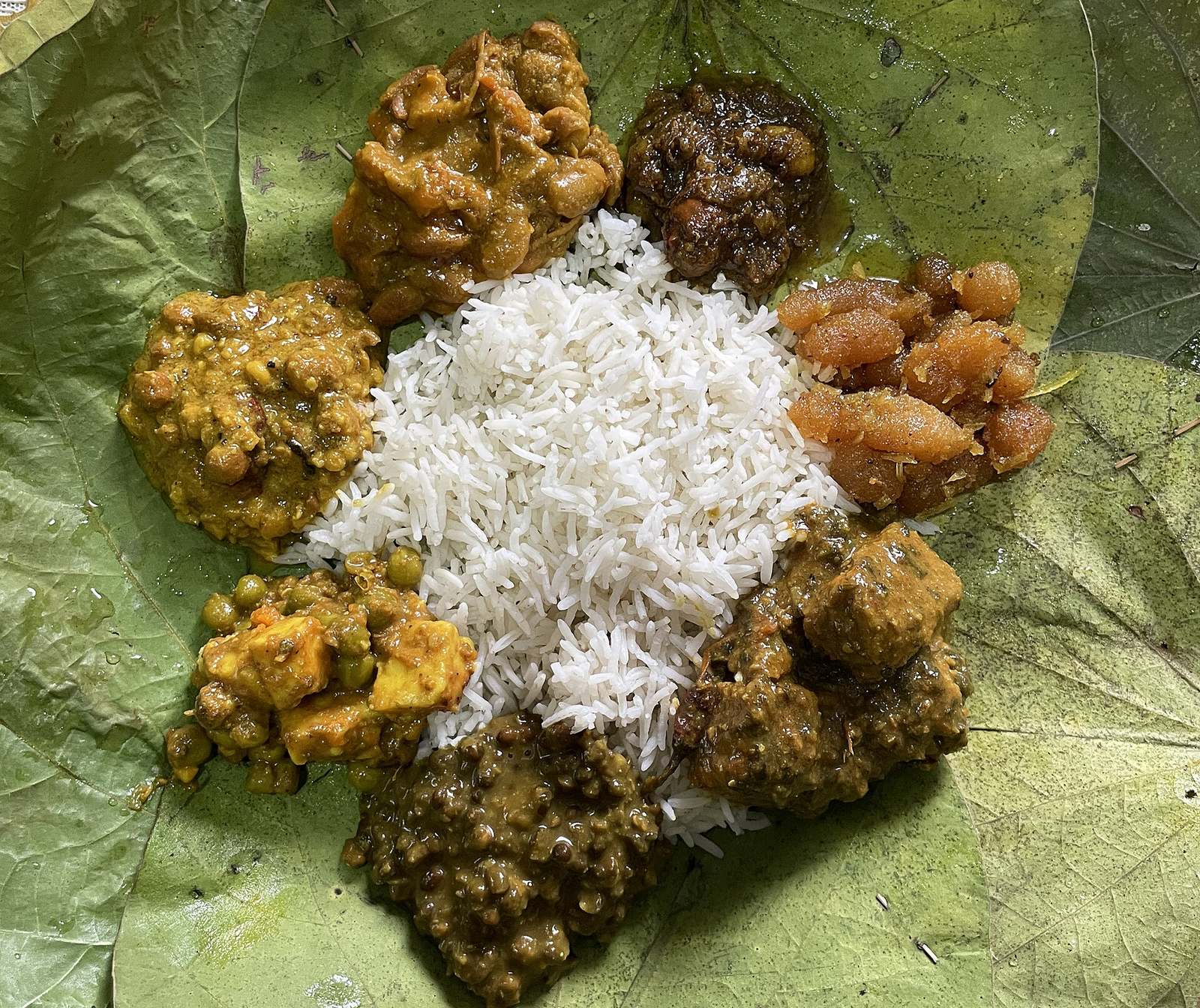
Most visitors to Dharamshala eat momos, thukpa and cafe pasta for a week and leave without tasting a single Himachali dish. That is a shame, because the Kangra Valley has one of the most distinctive food traditions in the Himalaya: the Kangri dham, a feast cooked by hereditary cooks called botis and served on leaf plates to guests seated in rows on the floor. Around it sits a wider world of everyday hill food: siddu (stuffed steamed bread), babru (stuffed fried bread), madra (chickpeas in yoghurt), mash dal and chha gosht (mutton in buttermilk gravy).
The honest catch is that real Himachali food is mostly cooked at home, at weddings and at temple feasts, not in restaurants. McLeod Ganj in particular is a Tibetan and backpacker food town. This guide tells you what each dish is, what is genuinely local to Kangra versus borrowed from other districts, and the realistic ways a traveller can taste it in 2026.
Quick Facts
| Item | Detail |
|---|---|
| Signature meal | Kangri dham (festive vegetarian feast) |
| Who cooks it | Botis, traditionally Brahmin cooks, often a family trade |
| Served on | Pattal, plates stitched from leaves, often with a leaf bowl (dona) |
| Key dishes | Madra, mash (urad) dal, khatta, meetha (sweet rice), rice, kadhi |
| Everyday snacks | Siddu, babru, patande, aktori |
| Meat dish to try | Chha gosht (mutton in a buttermilk and gram flour gravy) |
| Best chance to taste dham | Weddings, temple and village feasts, fairs, homestays that cook for you |
| Price of a Himachali thali | Approx. ₹200–450 in a local restaurant, as of 2026 (check locally) |
What Is Kangri Dham?
Dham is the Himachali word for a ceremonial feast. Every district has its own version (Mandyali dham from Mandi and Chambyali dham from Chamba are both famous), but the Kangri dham of the Kangra Valley is the one you are most likely to meet around Dharamshala, Palampur and Kangra town.
What makes it special is not one dish but the whole ritual:
- The cooks. A dham is cooked by botis, specialist cooks who usually learned from their fathers. They cook through the night in huge brass and copper vessels over wood fires, often in a temporary kitchen dug into the ground at the wedding house.
- The vegetarian rule. A traditional Kangri dham is fully vegetarian and is usually cooked without onion and garlic. Flavour comes from yoghurt, ghee, whole spices, tamarind and dried mango.
- The seating. Guests sit cross-legged in long rows (a pangat) on mats on the ground. Everyone eats together, and servers move down the line ladling out each course.
- The plates. Food is served on a pattal, a plate made from leaves stitched together with twigs, sometimes with a small leaf bowl. They are biodegradable and still used at most village functions, although paper and steel plates have crept in.
- The order. Courses arrive one at a time, starting with rice and moving through the dals and gravies, with a sweet dish near the start or end depending on local custom. You eat with your right hand, mixing each dish with rice.
The dishes you will meet at a Kangri dham
| Dish | What it is | What it tastes like |
|---|---|---|
| Rice (bhat) | Plain boiled rice, the base of the meal | Neutral, served again and again |
| Madra | Chickpeas or kidney beans slow-cooked in yoghurt with ghee and whole spices | Rich, creamy, mildly tangy; the star of the meal |
| Mash dal (maah di dal) | Whole black urad dal, cooked thick | Earthy, buttery, heavy in the best way |
| Khatta | A sour dish, often chickpeas or pumpkin in tamarind or dried mango | Sweet-sour, cuts through the rich dishes |
| Kadhi | Yoghurt and gram flour curry, sometimes with pakoras | Sour, comforting |
| Meetha | Sweet rice with jaggery or sugar, dry fruits and sometimes saffron | Dessert served with the meal |
| Seasonal vegetable | Pumpkin, colocasia (arbi) or potato | Simple, spiced |
Dishes and their order vary from village to village, and different botis guard their own small secrets. If a local tells you their family dham is different from this table, they are right.
Dham etiquette for guests
- Wash your hands before sitting. Sit cross-legged and do not step over the food or the row.
- Eat with your right hand. Spoons are rarely offered.
- Do not start until food has been served along the line. Do not leave midway through a course if you can help it.
- It is polite to accept at least a small portion of each course; to refuse more, hold your hand flat over the pattal.
- Footwear stays outside the eating area.
Everyday Himachali Dishes Worth Trying
Siddu
A siddu is a soft, yeasted wheat bun that is stuffed and steamed, then eaten hot with a generous spoon of ghee and often a green chutney or dal. Fillings include ground walnut, poppy seed, peanut or spiced lentils, and there are sweet versions with jaggery. Siddu is strongly associated with Kullu, Mandi and the upper hills, and it has become a standard item on Himachali menus across the state, including some places around Dharamshala and Palampur. It is the dish most visitors fall for: filling, warm and perfect on a cold evening.
Babru
Babru is Himachal's answer to a kachori: a flat bread stuffed with a paste of soaked black gram (urad) and spices, then deep-fried. It is eaten with tamarind chutney or with chana. In the Kangra and Shimla regions it is a festival and breakfast food. You are more likely to see it at a local sweet shop or a home than in a tourist restaurant.
Patande
Patande are thin, soft pancakes made from a wheat flour batter, sometimes sweetened, cooked on a griddle and eaten with ghee or honey. They are most associated with Sirmaur district in the south of the state, so do not expect to find them easily in Kangra, but a Himachali home cook may make them on request.
Aktori
Aktori is a buckwheat cake or pancake from the high valleys, traditionally linked with Lahaul and Spiti and made for festivals. Buckwheat grows where wheat struggles, which tells you something about where this dish comes from. It is rare in Dharamshala; mention it to a host if you are curious.
Chha gosht
Chha gosht is mutton cooked in a gravy of yoghurt or buttermilk (chha) thickened with gram flour, flavoured with whole spices. It is a non-vegetarian festive dish of the Kangra and Chamba hills and the meat dish most worth seeking out. Because a dham is vegetarian, you will usually meet chha gosht at a family meal or in a Himachali restaurant rather than at a wedding feast.
Local trout
Cold, clean Himachali rivers support trout farming, and rainbow trout is now widely raised in the state, including in valleys such as Barot (see our Barot Valley guide). Around Dharamshala, trout appears on some hotel and restaurant menus, usually pan-fried or grilled with lemon and garlic. Ask whether it is fresh and where it comes from; availability depends on the season and supply, so check locally.
Other things to look for
- Kangra tea. Palampur's green and black teas are a local product with a geographical indication. Our Palampur travel guide covers the tea estates.
- Chukh. A fiery red chilli paste from the Chamba side, sold in jars.
- Rajmah and rice. Hill rajmah, especially from higher villages, is small, sweet and prized.
- Seasonal greens and lingdi. Fiddlehead fern (lingdi) is picked wild in the monsoon and cooked as a sabzi or pickle.
Where Visitors Can Actually Taste Himachali Food
This is the part most food guides skip. Here is the honest picture for 2026.
1. Weddings, village feasts and religious functions
The wedding season in the Kangra hills runs mainly through the winter months and the auspicious dates of spring. If your hotel staff, driver or homestay family invite you to a wedding or a village function, accept. Guests are fed generously and a dham is the centrepiece. Dress modestly, bring a small gift or cash envelope if you are attending the wedding itself, and follow the etiquette above.
2. Temple feasts and langar
Large temples in the valley, such as the Devi shrines described in our Kangra Devi temples guide, see community meals on festival days, especially during Navratri. These are usually simpler than a full dham, but they are cooked the traditional way and served to everyone. Timing and practice vary by temple and season, so ask at the temple office. See our festivals and events calendar for when big festivals fall.
3. Fairs and local festivals
District and village fairs, such as Minjar in Chamba or the big Shivratri fairs, have stalls frying babru, jalebi and pakoras, and some feature dham-style meals.
4. HPTDC and Himachali restaurants
The Himachal Pradesh Tourism Development Corporation (HPTDC) runs hotels and restaurants in the region, including in Dharamshala and McLeod Ganj. Some state tourism properties have offered Himachali dishes or a dham-style thali on their menu at times. Menus change, so ask before you go rather than assume. In Dharamshala town, Palampur and Kangra, also look for small local restaurants and dhabas advertising a Himachali thali or dham; these are more common in the lower, Hindi-speaking towns than in McLeod Ganj. A thali typically costs approx. ₹200–450 as of 2026.
5. Homestays and cooking with a family
The most reliable way to taste good Kangri home food is to stay with a family. Many homestays in Naddi, Dharamkot outskirts, Sidhbari and around Palampur will cook madra, rajmah, siddu or chha gosht if you ask a day in advance. Browse family-run places on our hotels page and ask the host directly. Paying a little extra for a home-cooked dinner is often the best food money you will spend on the trip.
6. Local sweet shops and dhabas
Halwais in Kotwali Bazaar (Dharamshala), Palampur and Kangra town sell babru, pakoras, jalebi and seasonal sweets in the mornings. Look for busy shops with high turnover.
Himachali vs Tibetan Food in Dharamshala
Most of what you eat in McLeod Ganj is Tibetan: momos, thukpa, thenthuk, tingmo and shapale. If that is what you are after, read our Tibetan food guide to McLeod Ganj and our list of top cafes in McLeod Ganj.
| Himachali (Kangri) food | Tibetan food | |
|---|---|---|
| Where it dominates | Dharamshala town, Kangra, Palampur, villages | McLeod Ganj, Bhagsu, Dharamkot |
| Staples | Rice, dal, yoghurt-based gravies, wheat breads | Wheat dumplings, noodles, bread, soups |
| Meat | Mutton, some chicken, trout | Beef (in some places), mutton, chicken |
| Ease of finding | Harder; ask locally | Very easy |
| Signature experience | Dham at a wedding or feast | Momos and butter tea |
Practical Tips
- Vegetarians are spoiled. Kangri dham and most Himachali home food is vegetarian.
- Spice level. Dham dishes are rich rather than fiery. Chamba chukh and home pickles are another story.
- Ghee is generous. If you are watching fat, ask for less ghee on siddu.
- Hygiene. Choose busy places and freshly cooked food; see our first-time visitor tips.
- Best season. Winter is wedding season and the best time to be invited to a dham; see best time to visit Dharamshala.
- Getting around. The best Himachali food is spread across villages and the lower towns. A half-day taxi loop through Dharamshala, Kangra and Palampur works well.
For more on the town itself, start with our Dharamshala destination page, and check our FAQ for practical questions about planning.
Frequently Asked Questions
What is Kangri dham?
Can tourists eat Kangri dham in Dharamshala?
What Himachali dish should I try first?
Is Himachali food spicy?
Is McLeod Ganj food Himachali?
More answers on our Dharamshala travel Q&A page.
Need Help Planning Your Dharamshala Trip?
Our local team can help with hotels, treks, taxis, and custom itineraries.
Related Guides
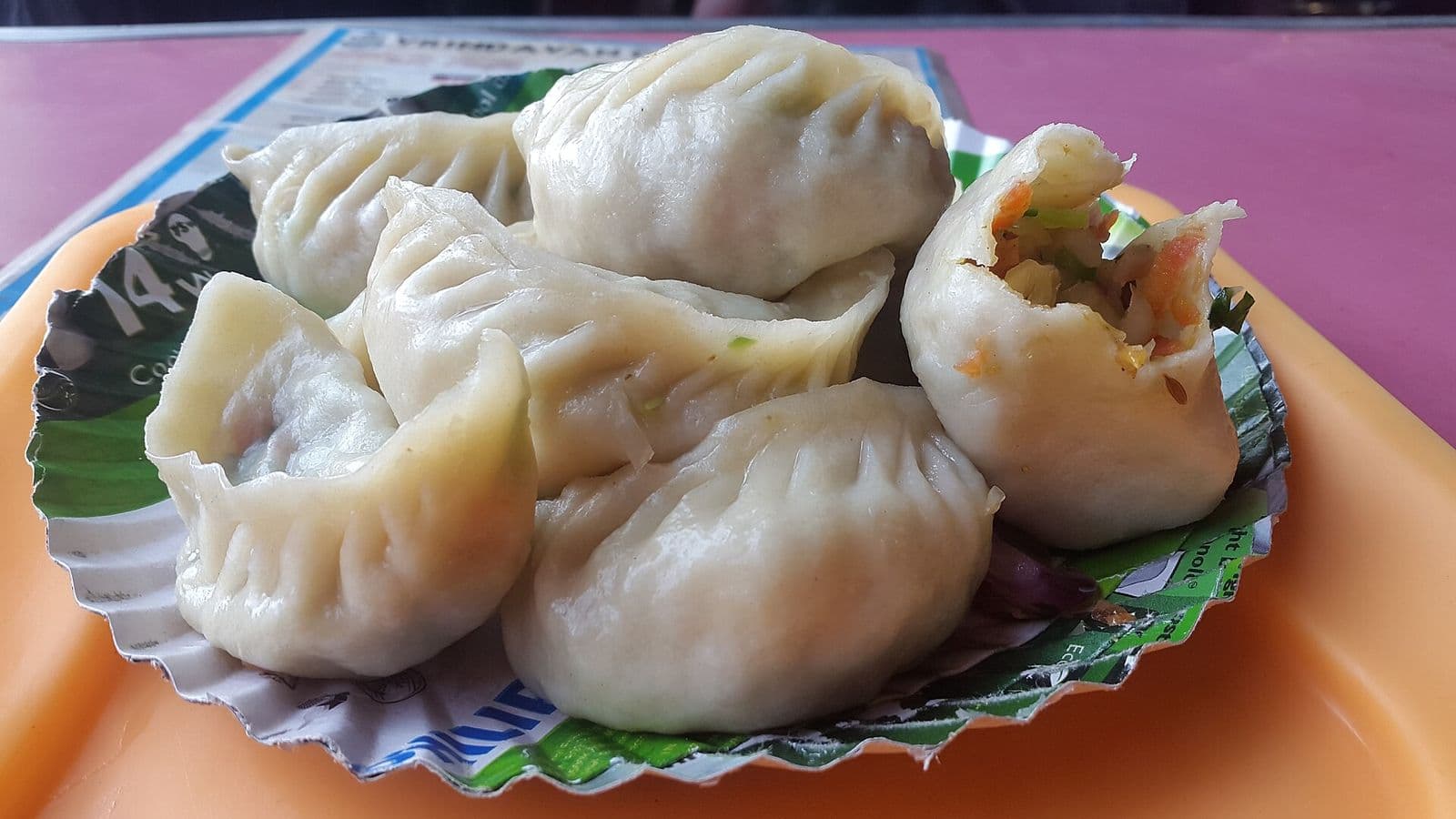
Tibetan Food in McLeod Ganj: Dishes to Try & Where to Eat (2026)
A local guide to Tibetan food in McLeod Ganj: momos, thukpa, thenthuk, tingmo, shapaley, laphing and butter tea, with well-known places to eat, vegetarian tips and table etiquette.
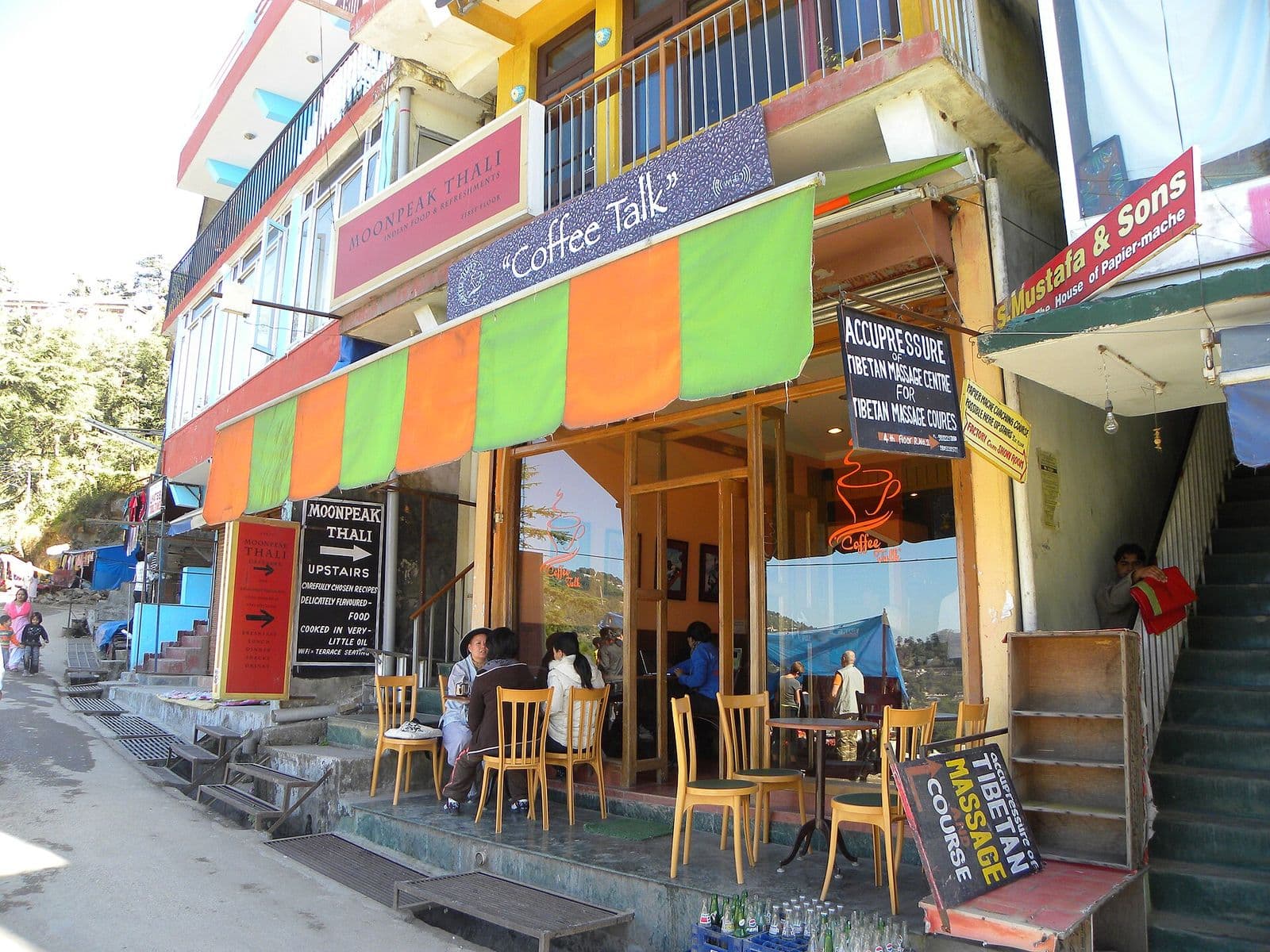
Top 12 Cafes in McLeod Ganj You Must Visit (2026)
From Tibetan butter tea to artisan espresso -- the cafes our team visits every week, with honest reviews.
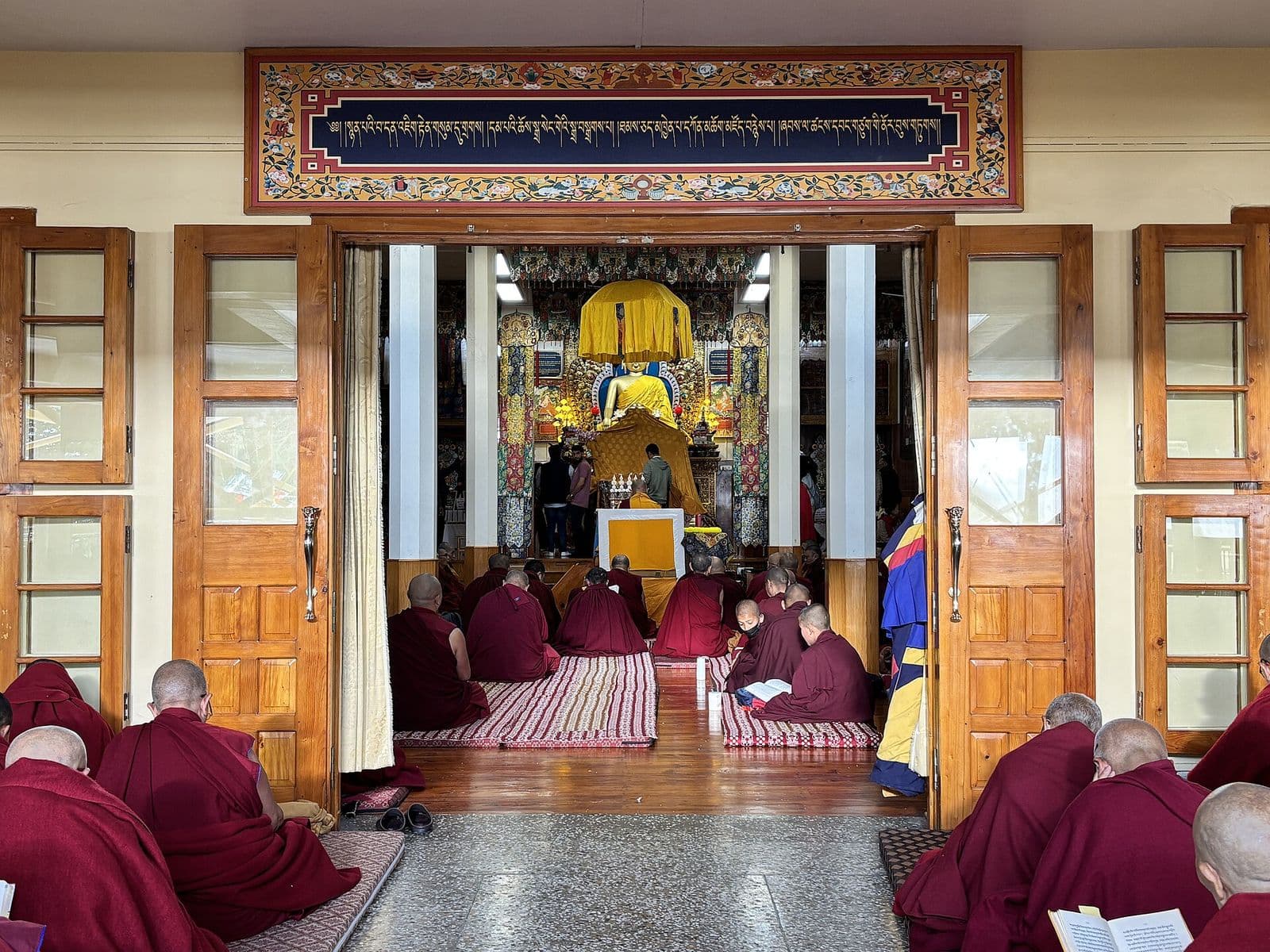
Dharamshala Festivals & Events Calendar: Month by Month (2026–27)
A month-by-month calendar of festivals and events in Dharamshala, McLeod Ganj and the Kangra Valley: Losar, Shivratri, Navratri, the Dalai Lama's birthday, DIFF, cricket and Bir paragliding, with variable dates clearly marked.
Places to Visit in Kangra (2026): Fort, Temples, Masroor and a 1-Day Loop
Kangra Fort, Brajeshwari Devi, the Masroor rock-cut temples, Chamunda, Jwalamukhi, Baijnath and Pong Dam, with distances from Dharamshala, timings, entry fees and a practical one-day Kangra loop.