The Gaddi Shepherds of the Dhauladhar: Culture, Migration & Etiquette (2026)
Who the Gaddi people are, how their flocks cross the Dhauladhar passes each year, what their dress and Shiva devotion mean, and how to meet shepherds respectfully on the trails around Dharamshala.
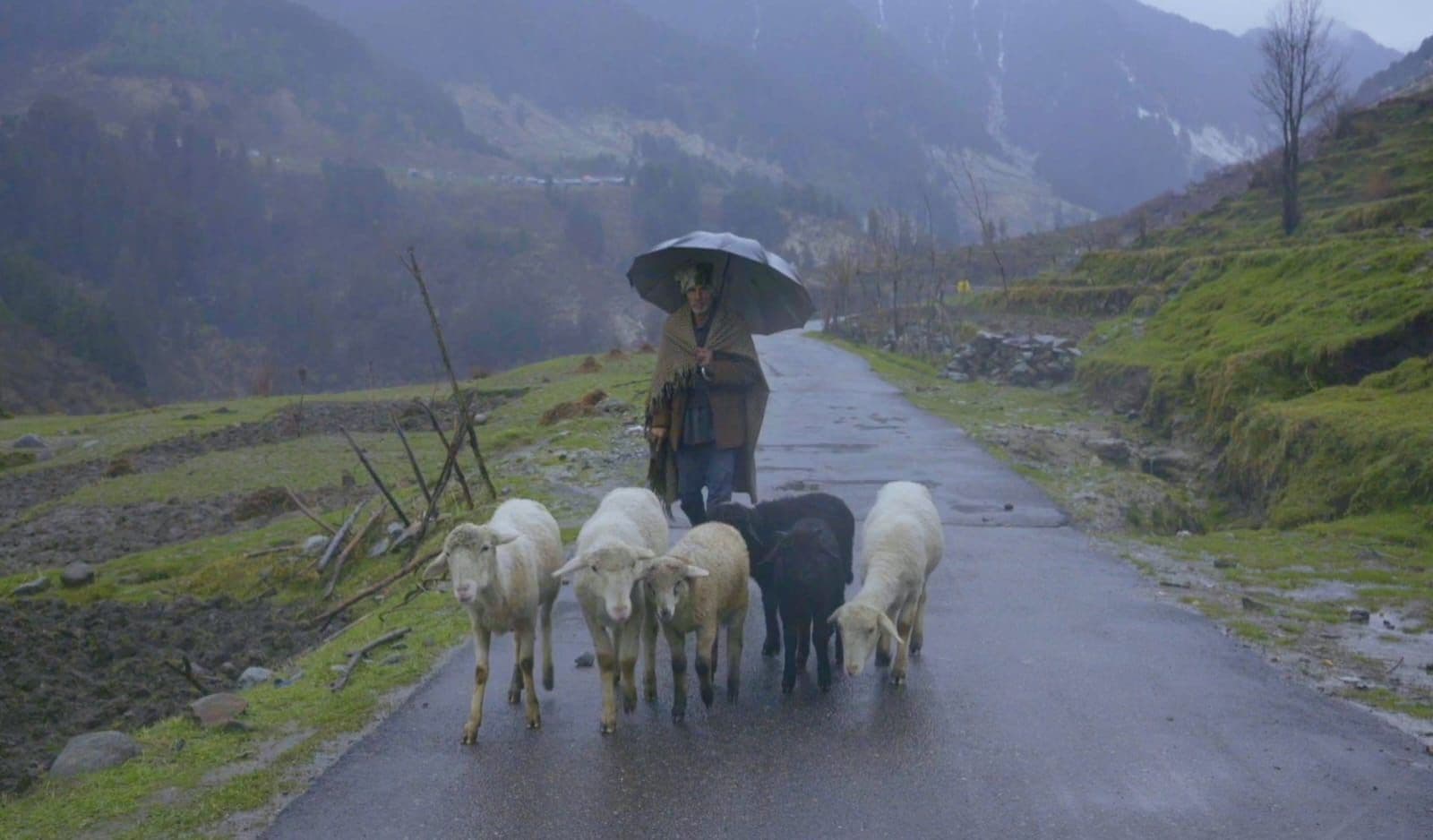
If you trek to Triund, Kareri Lake or Indrahar Pass, there is a good chance you will meet a Gaddi shepherd: a man in a long cream woollen coat tied at the waist with a thick black rope, walking behind hundreds of sheep and goats, with a big shaggy dog at his side. The Gaddis are the original people of the Dharamshala hills and of the Bharmour region of Chamba, and their seasonal migration over the Dhauladhar range is one of the oldest living traditions in the western Himalaya.
This guide explains who the Gaddis are, how and when their flocks move, what their clothing and beliefs mean, where their villages are around Dharamshala, how to meet shepherds respectfully on the trail and where to buy genuine Gaddi wool.
Quick Facts
| Item | Detail |
|---|---|
| Who | Gaddis, a semi-pastoral Himalayan community |
| Homeland | Gadderan, the Bharmour area of Chamba district, plus the Dhauladhar slopes of Kangra |
| Population | Around 1.78 lakh in Himachal Pradesh (2011 Census) |
| Language | Gaddi (Gadi), a western Pahari language; most also speak Hindi |
| Religion | Hindu, with deep devotion to Shiva (Manimahesh) |
| Livelihood | Sheep and goat herding, farming; today also jobs, trade and tourism |
| Migration | Up to high pastures in summer, down to the Kangra and lower valleys in winter |
| Signature dress | Men: chola and dora; women: luanchari |
Who Are the Gaddis?
The Gaddis are a semi-pastoral community living mainly in Himachal Pradesh, especially in the Bharmour area of Chamba district and on the southern slopes of the Dhauladhar above Dharamshala, Palampur and Baijnath. A smaller population lives in Jammu and Kashmir. The community includes several castes and sub-groups, and their official classification varies; many Gaddi groups are recognised as a Scheduled Tribe in Himachal.
Their heartland is called Gadderan, the high valleys around Bharmour on the Budhil and Ravi rivers. Bharmour, once the capital of the old Chamba kingdom, is famous for its Chaurasi temple complex, and the Gaddis see this land as Shiva's home, sometimes calling it Shiv Bhumi. Above Bharmour lies Manimahesh Lake beneath Manimahesh Kailash, and the annual Manimahesh pilgrimage in August or September is the most important religious event in Gaddi life.
Around Dharamshala, the Gaddis were the settled people of the hills long before the British built a hill station and long before the Tibetan community arrived in 1960. Villages such as Naddi, Dharamkot, Kareri and many hamlets along the slopes of the Dhauladhar have strong Gaddi roots.
Transhumance: The Great Seasonal Migration
Gaddi herding is transhumance: a seasonal, regular movement of flocks between summer and winter pastures, rather than wandering without a home. Families have homes and fields; the herders move with the animals.
| Season | Where the flocks are | What happens |
|---|---|---|
| Late spring (Apr–Jun) | Climbing from the Kangra foothills | Flocks move up through villages and forests as snow melts |
| Summer (Jun–Sep) | High alpine pastures (dhars) in the Dhauladhar and beyond, into Chamba and towards Lahaul | Grazing, lambing care, shearing |
| Autumn (Sep–Nov) | Crossing the passes back south | Flocks descend before snow closes the passes |
| Winter (Nov–Mar) | Lower Kangra, Mandi, Hamirpur, Una and the plains' edge | Grazing on harvested fields and scrub, often with farmers' agreement |
The flocks cross the Dhauladhar by high passes, including the Indrahar Pass above Triund (4,342 m), the route that links Dharamshala with the Ravi valley and Bharmour, as well as other passes on the Chamba side. If you trek to Indrahar in late spring or autumn, you may share the trail with hundreds of sheep. See our Indrahar Pass trek guide and Kareri Lake trek guide.
Key elements of the migration:
- The flock. Mixed sheep and goats, often several hundred animals, owned by one family or pooled between relatives.
- The dogs. Large, thick-coated Gaddi dogs (often called the Himalayan sheepdog) guard flocks against leopards and bears. They are working animals and can be fiercely protective.
- Shelters. Herders sleep in rock shelters, caves and simple stone huts along traditional routes.
- Rights. Grazing routes and rights have been passed down for generations and are recorded in local revenue and forest systems.
- Change. Fewer young Gaddis take up herding today. Education, jobs, road building, forest restrictions and changing weather are reshaping the tradition, and the flocks you see are a living but shrinking heritage.
Gaddi houses
In villages around Dharamshala, look for traditional Gaddi-style houses: thick walls of stone and mud, timber frames, and roofs of heavy grey slate from local quarries. The ground floor traditionally housed animals and stores, with the family living above, which kept the home warm in winter. Wooden balconies and carved doorways are common. Many have been replaced by concrete, but Kareri village and the older lanes of Naddi and Dharamkot still have good examples. Admire them from the path and ask before stepping into a courtyard.
A practical note for trekkers
The routes the Gaddis use are not marked trails in the modern sense. Shepherd paths branch off main routes towards pastures and shelters, and in cloud it is easy to follow a sheep track the wrong way. On high routes such as Indrahar, go with a registered local guide rather than relying on following the flocks.
Gaddi Dress
Gaddi clothing is distinctive and practical, made for cold high pastures.
- Chola. The man's long coat of thick, undyed wool, usually cream or white, reaching the knees.
- Dora. A long black woollen rope wound many times around the waist over the chola. It keeps the coat warm and bunched, and the loose upper part forms a big pouch where shepherds carry food, tools and even newborn lambs.
- Topi. A woollen cap, sometimes decorated, often with a small plume or flowers on festive days.
- Luanchari. The woman's long, flowing, many-pleated dress, made from bright fabric and tied at the waist with a dora as well.
- Jewellery. Gaddi women traditionally wear heavy silver jewellery, including necklaces, nose rings and head ornaments, especially at weddings and fairs.
Today you will see the full dress mostly on herders, older people and at weddings, fairs and festivals. Younger Gaddis in Dharamshala dress like anyone else.
Beliefs, Music and Festivals
- Shiva devotion. Shiva is central; the Manimahesh yatra is the community's great pilgrimage. Many Gaddi homes and shepherd camps have small shrines.
- Local deities. Every village has its own devta or devi, and shepherds make offerings before crossing passes.
- Music and dance. Gaddi folk songs describe migration, love and separation. Group dances are performed at weddings and fairs, including the Minjar fair in Chamba (see our festivals calendar).
- Food. Like other Kangra and Chamba communities, Gaddis share dham feasts at weddings; see our Himachali food guide.
Meeting Gaddi Shepherds on the Trail: Etiquette
Shepherds are working, often for weeks at a time far from home. A friendly meeting can be a highlight of a trek. Follow these rules:
- Give way to the flock. Step to the uphill side of the trail and wait quietly while animals pass. Never walk through the middle of a moving flock.
- Keep your distance from the dogs. Do not approach, pet or feed shepherd dogs. Stand still and calm if they bark; the shepherd will call them off.
- Do not chase, feed or handle the animals, and keep children close.
- Ask before taking photos. A smile and a gesture are enough. Some people say no; respect it. Do not photograph women without clear permission.
- Greet them. "Ram Ram" or "Namaste" works. A few words of Hindi go a long way.
- Do not leave gates or wire open around shelters or temporary enclosures.
- Pack out your rubbish. Plastic and food waste harm animals that graze these meadows.
- Share, do not pay for photos. Offering biscuits or a cup of tea is a warmer gesture than cash.
- Respect shrines and shelters. Do not move stones or offerings, and do not camp inside shepherd huts unless invited.
- Ask about weather. Shepherds know the passes better than anyone. If they say the weather is turning, listen.
Read our Triund trek guide, Triund camping guide and easy hikes near McLeod Ganj for trails where shepherd encounters are common. Our guided treks are run with local guides who often know the shepherd families.
Where to Experience Gaddi Culture Near Dharamshala
| Place | What to look for | Distance from McLeod Ganj (approx.) |
|---|---|---|
| Naddi | Gaddi village roots, Dhauladhar views | 3 km |
| Dharamkot | Old village houses among the guesthouses | 2–3 km |
| Kareri village | Traditional slate-roofed houses on the Kareri Lake trek | 25–30 km by road, then trek |
| Triund and Indrahar trail | Flocks in late spring and autumn | Trek |
| Bharmour (Chamba) | Gaddi heartland, Chaurasi temples, Manimahesh | Long day by road via Chamba |
See our Naddi guide and Dharamkot travel guide. If you want to stay in a village setting, look at homestays on our hotels page or the Naddi destination page.
Buying Gaddi Wool
Gaddi sheep produce coarse, warm wool that has traditionally been hand-spun and woven into blankets, shawls, coats and the dora rope itself.
- What to buy. Plain undyed blankets, thick shawls, socks, caps and woollen ropes. These are rustic and very warm, unlike soft Kullu or pashmina shawls.
- Where. Village weavers and local shops in Dharamshala town, Palampur and Chamba; occasional craft fairs and government emporiums. Some homestay hosts can connect you with weavers. Ask locally, as there is no single dedicated Gaddi wool outlet we can recommend.
- How to tell. Handwoven Gaddi wool feels coarse, slightly oily (natural lanolin) and irregular. Very soft, uniform or bright synthetic-looking pieces are probably machine-made.
- Price. A handwoven blanket can cost several thousand rupees (approx., as of 2026), reflecting days of spinning and weaving.
- Care. Hand wash cold or dry clean; air in sunlight.
For broader shopping advice, see our shopping in McLeod Ganj guide. Questions about trekking season and permits? Check our FAQ.
Frequently Asked Questions
Who are the Gaddi people?
When can I see Gaddi shepherds migrating near Dharamshala?
What do Gaddi men and women wear?
Is it okay to photograph Gaddi shepherds?
Where can I buy Gaddi wool?
More answers on our Dharamshala travel Q&A page.
Need Help Planning Your Dharamshala Trip?
Our local team can help with hotels, treks, taxis, and custom itineraries.
Related Guides
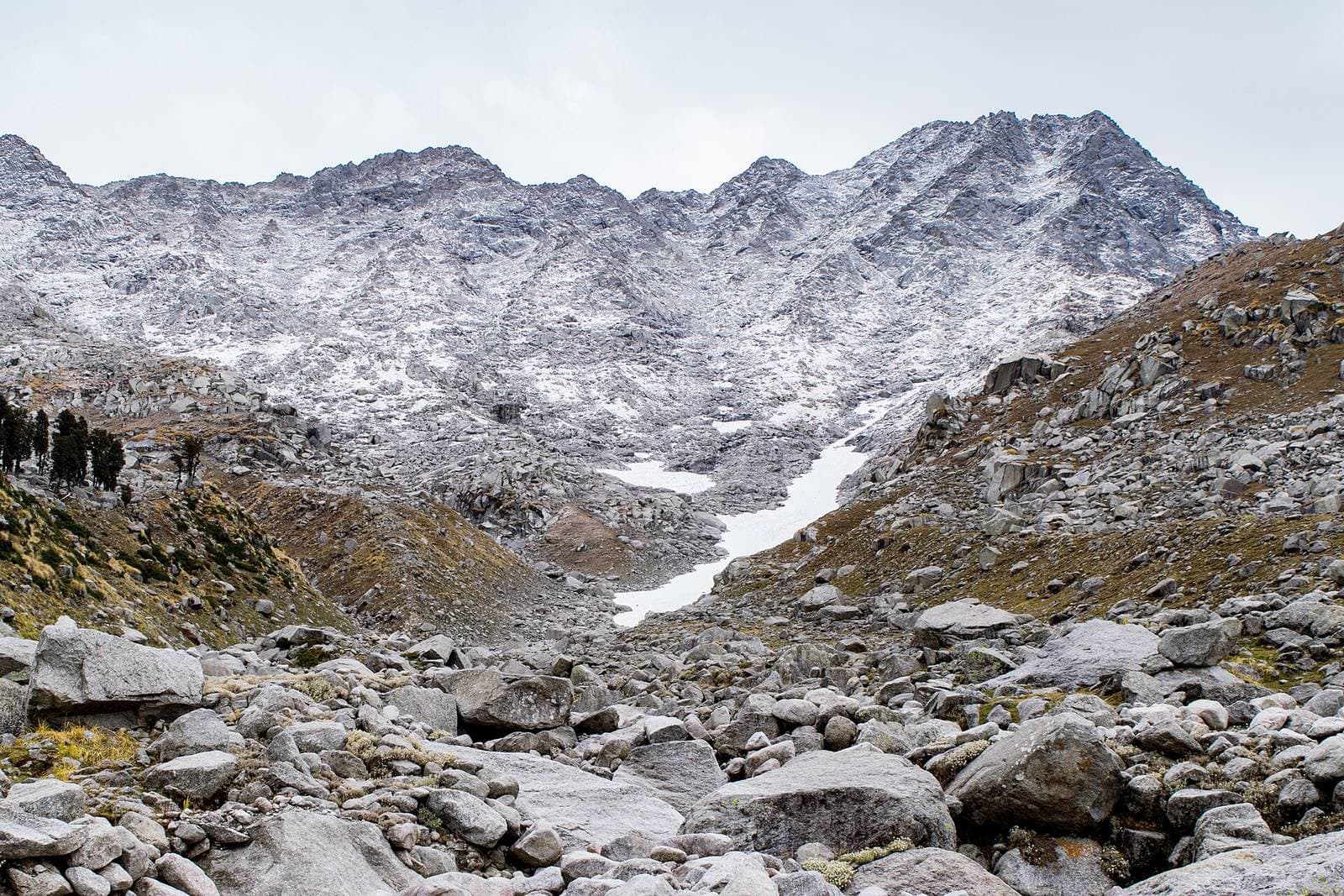
Indrahar Pass Trek Guide: Route, Difficulty, Permits & Safety (2026)
A stage-by-stage guide to the Indrahar Pass trek (approx. 4,342 m) from McLeod Ganj via Triund, Laka Got and Lahesh caves, with the crossing to the Chamba side, current 2026 restrictions, and an honest look at who should not attempt it.
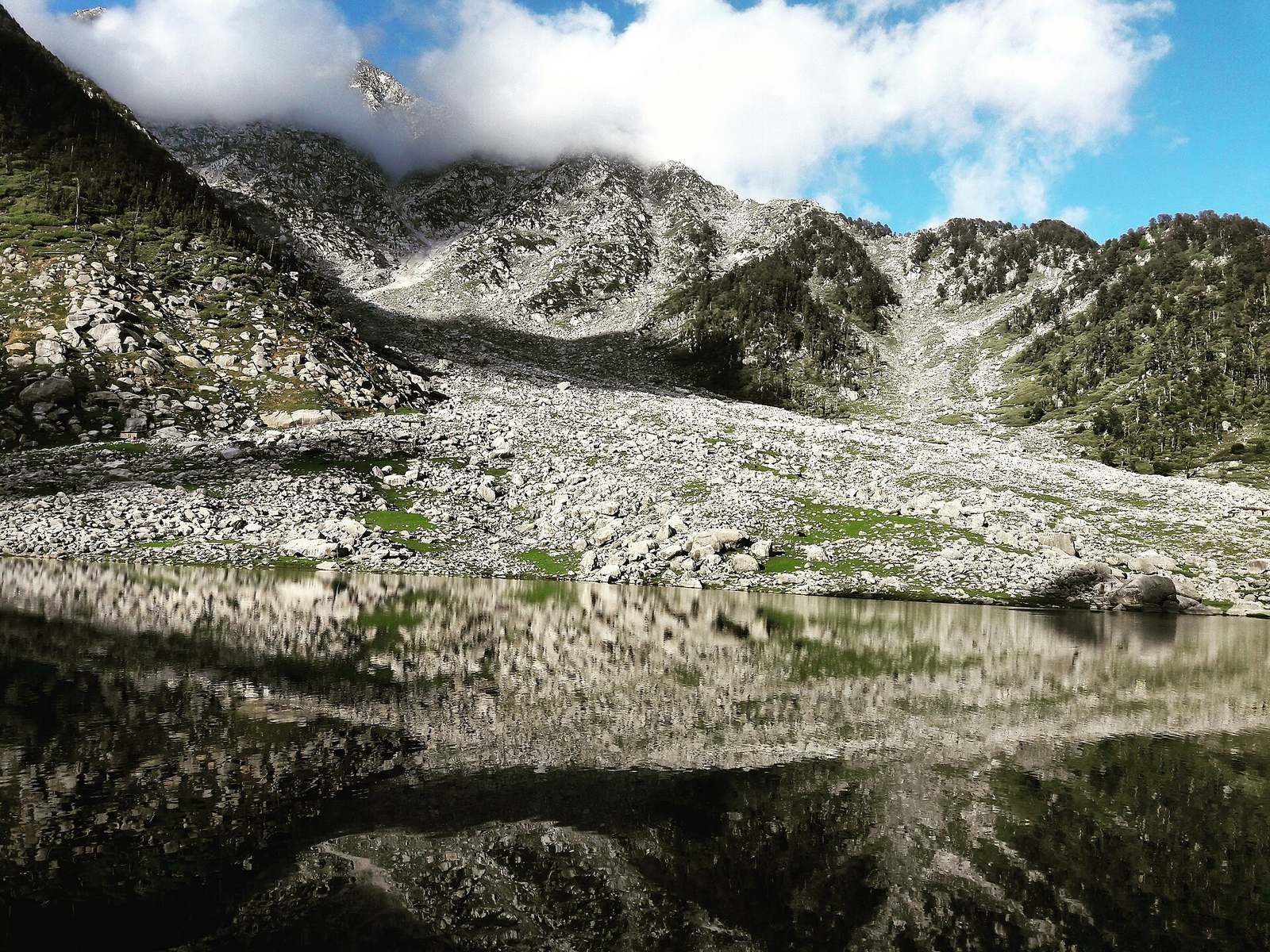
Kareri Lake Trek Guide: Route, Distance, Best Season & Tips (2026)
Everything you need for the Kareri Lake trek near Dharamshala: the route from Kareri village via Reoti, distances, altitude, difficulty, best months, permits, camping and safety.
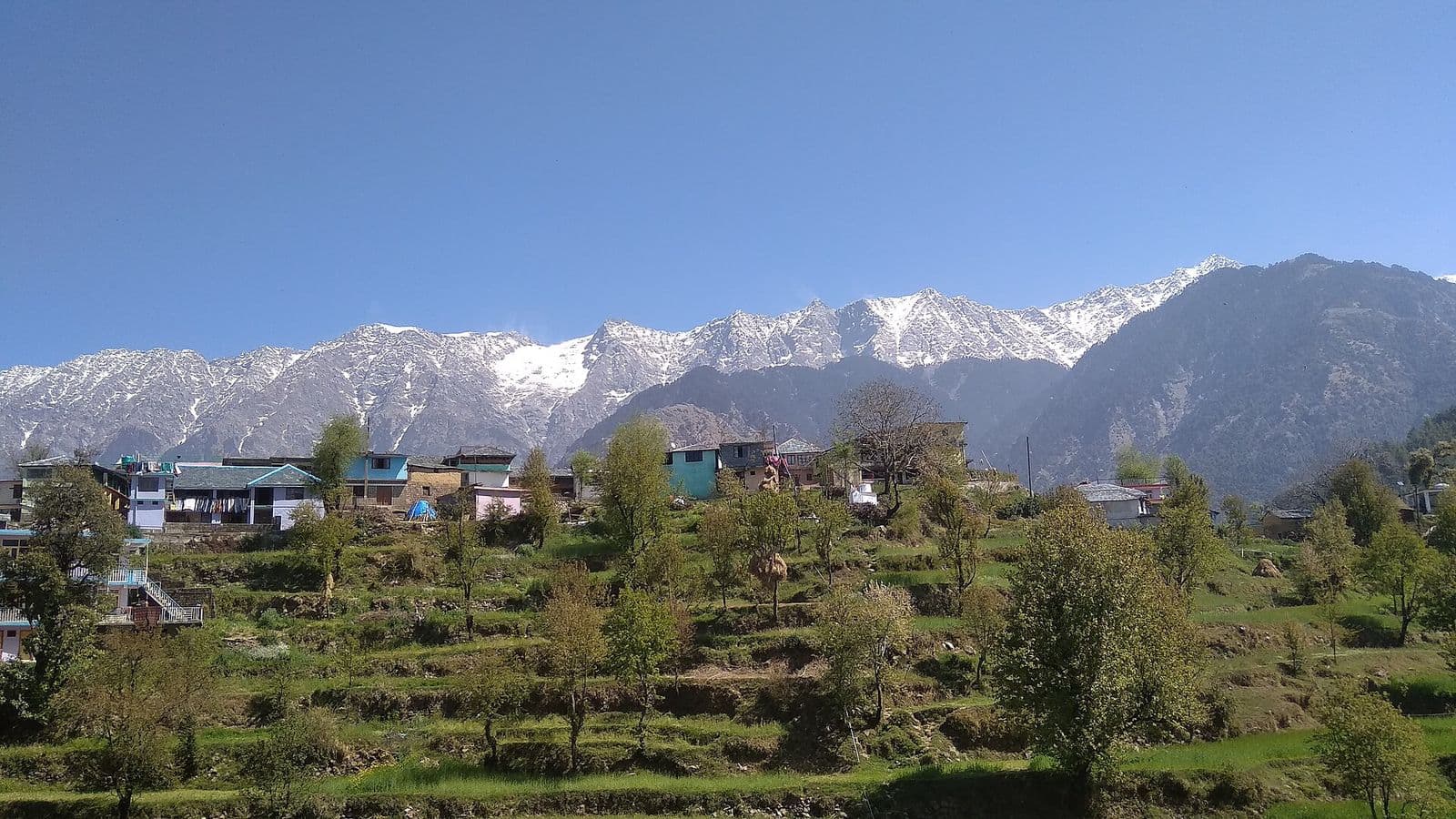
Naddi & Dal Lake Guide 2026: Sunrise Point, Tota Rani, St. John Church & Stays
An honest guide to Naddi and Dal Lake above Dharamshala: the Naddi viewpoint at sunrise and sunset, the real state of Dal Lake, Tota Rani village, the St. John in the Wilderness walk, Kunal Pathri and where to stay.
Snowline & Laka Glacier Trek from Triund: Day or Overnight Guide (2026)
How to extend Triund to Snowline and Laka Got below the Laka glacier: distances, altitudes, timings, day versus overnight plans, the 2026 rules above 3,000 m, and safety tips.